Category
page 1Hyphomicrobiales
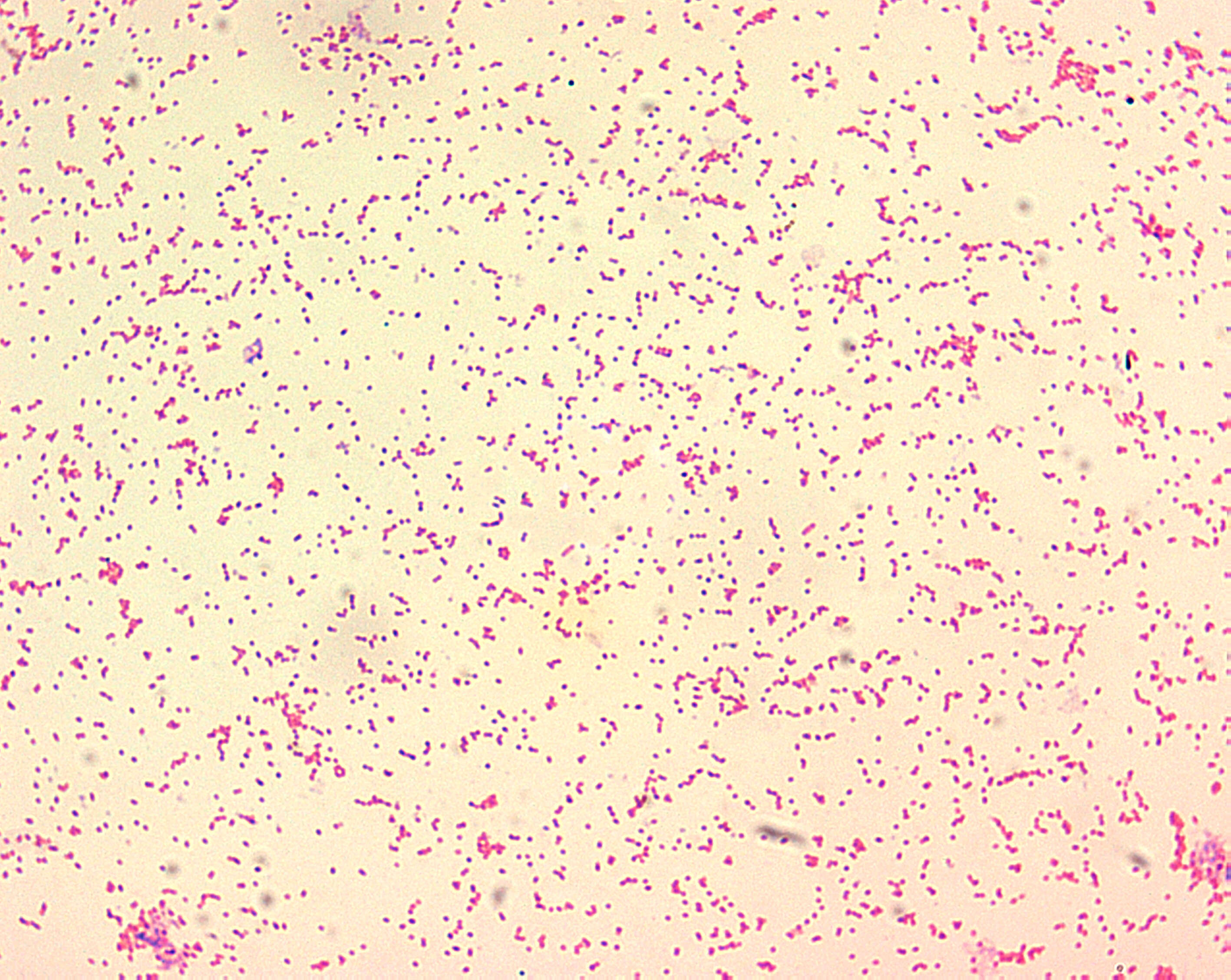
Brucella
Brucella is a genus of Gram-negative bacteria, named after David Bruce (1855–1931). They are small (0.5 to 0.7 by 0.6 to 1.5 μm), non-encapsulated, non-motile, facultatively intracellular coccobacilli.

Rhizobia
thumb|right|Root nodules, each containing billions of Rhizobiaceae bacteria
Rhizobiaceae
The Rhizobiaceae is a family of Pseudomonadota comprising multiple subgroups that enhance and hinder plant development. Some bacteria found in the family are used for plant nutrition and collectively make up the rhizobia. Other bacteria such as Agrobacterium tumefaciens and Rhizobium rhizogenes severely alter the development of plants in their ability to induce crown galls or hairy roots, respectively. The family has been of an interest to scientists for centuries in their ability to associate with plants and modify plant development. The Rhizobiaceae are, like all Pseudomonadota, Gram-negativ
Brucella melitensis
species of bacterium
Brucella abortus
species of bacterium
Brucellaceae
The Brucellaceae are a family of the Gram-negative Hyphomicrobiales. They are named after Sir David Bruce, a Scottish microbiologist. They are aerobic chemoorganotrophes. The family comprises pathogen and soil bacteria
Methylobacterium
Methylobacterium is a genus of bacteria, also designated as Pink-Pigmented Facultative Methylotrophs (PPFMs). Methylobacterium is commonly found in soil, water, and particularly in association with the phyllosphere, the aerial part of plants. Methylobacterium is characterized by its ability to metabolize one-carbon compounds like methanol released by plant leaves. Methylobacterium plays key roles in nutrient cycling and plant-microbe interactions, often promoting plant growth and resilience through hormone production and stress mitigation. Methylobacterium is a model in biotechnology, already
Methylobacteriaceae
The Methylobacteriaceae are a family of Hyphomicrobiales.
Pedomicrobium
Pedomicrobium is a ubiquitous bacterium dominant in biofilms of man-made aquatic environments such as water distribution systems and bioreactors. Due to their abilities to oxidise manganese (Mn), they are found to be the main culprits of Mn related “dirty water” (Sly et al., 1988a).
Phyllobacteriaceae
The Phyllobacteriaceae are a family of bacteria. The most common genus is Mesorhizobium which contains some of the rhizobia species.
Hyphomicrobiaceae
The Hyphomicrobiaceae are a family of bacteria. Among others, they include Rhodomicrobium, a genus of purple bacteria.
Methylocystaceae
The Methylocystaceae are a family of bacteria that are capable of obtaining carbon and energy from methane. Such bacteria are called methanotrophs, and in particular the Methylocystaceae comprise the type II methanotrophs, which are structurally and biochemically distinct from the Methylococcaceae or type I methanotrophs.
Rhodomicrobium
Rhodomicrobium is a microaerobic to anaerobic, purple non-sulfur, cluster-building genus of bacteria. Rhodomicrobium uses bacteriochlorophyll a and bacteriochlorophyll b for photosynthesis and occurs in fresh- and sea-water and in soil
Brucella suis
species of bacterium
Hyphomicrobium
Hyphomicrobium is a genus of Gram-negative, non-spore-forming, rod-shaped bacteria from the family of Hyphomicrobiaceae. It has a large polar or sub-polar filiform prostheca very similar to that of Caulobacter. In addition to having a nutritional function, the prostheca also plays a role in the initiation of DNA replication.

Brucella ovis
species of bacterium
Beijerinckiaceae
The Beijerinckiaceae are a family of Hyphomicrobiales named after the Dutch microbiologist Martinus Willem Beijerinck. Beijerinckia is a genus of free-living aerobic nitrogen-fixing bacteria. Acidotolerant Beijerinckiaceae has been shown to be the main bacterial methanol sink in a deciduous forest soil and highlights their importance for the conversion of methanol in forest soils.
Ahrensia
Ahrensia is a genus of bacteria in the order Hyphomicrobiales. Ahrensia is named after the German microbiologist R. Ahrens. The cells are rod-shaped and motile. They are strictly aerobic.
Aurantimonadaceae
Aurantimonadaceae is a small family of marine bacteria.
Xanthobacteraceae
The Xanthobacteraceae are a family of bacteria that includes Azorhizobium, a genus of rhizobia. Xanthobacteraceae bacteria are diverse and Gram-negative, rod-shaped, and may be motile or non-motile depending on the specific bacteria. Their cells range in size from 0.4–1.0 × 0.8–6 μm, but when grown in the presence of alcohol as the sole carbon source, they can reach up to 10 μm in length. These bacteria do not form spores and have opaque, slimy colonies that appear slightly yellow due to the presence of zeaxanthin dirhamnoside.
Azorhizobium
Azorhizobium is a genus of Gram-negative soil bacteria. They fix nitrogen in symbiosis with plants in the genus Sesbania. Strain ORS571 of A. caulinodans has been fully sequenced.
Ancylobacter
Ancylobacter is a genus of aerobic bacteria in the family Xanthobacteraceae.
Xanthobacter
Xanthobacter is a genus of Gram-negative bacteria from the family Xanthobacteraceae.
Stappia
Stappia is a genus of bacteria in the order Hyphomicrobiales. Some members of the genus (now transferred to Labrenzia) oxidize carbon monoxide (CO) aerobically. Stappia indica is a diatom associated bacterium which is known to inhibit the growth of diatoms such as Thalassiosira pseudonana.
Brucella canis
gram-negative proteobacterium in the family Brucellaceae that causes brucellosis in dogs and other canids
Hyphomicrobiales
The Hyphomicrobiales (synonym Rhizobiales) are an order of Gram-negative Alphaproteobacteria.
Blastochloris
Blastochloris is a genus of bacteria from the order Hyphomicrobiales.
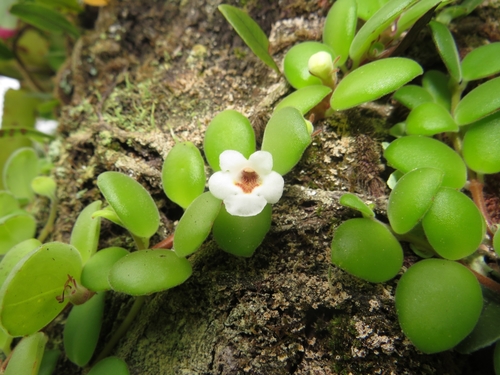
Devosia
Devosia is a genus of Gram-negative soil bacteria. It is named after the Belgian microbiologist Paul De Vos. They are motile by flagella, the cells are rod-shaped.