Encyclopedia of Life · EOL (see source)
Brucellaceae
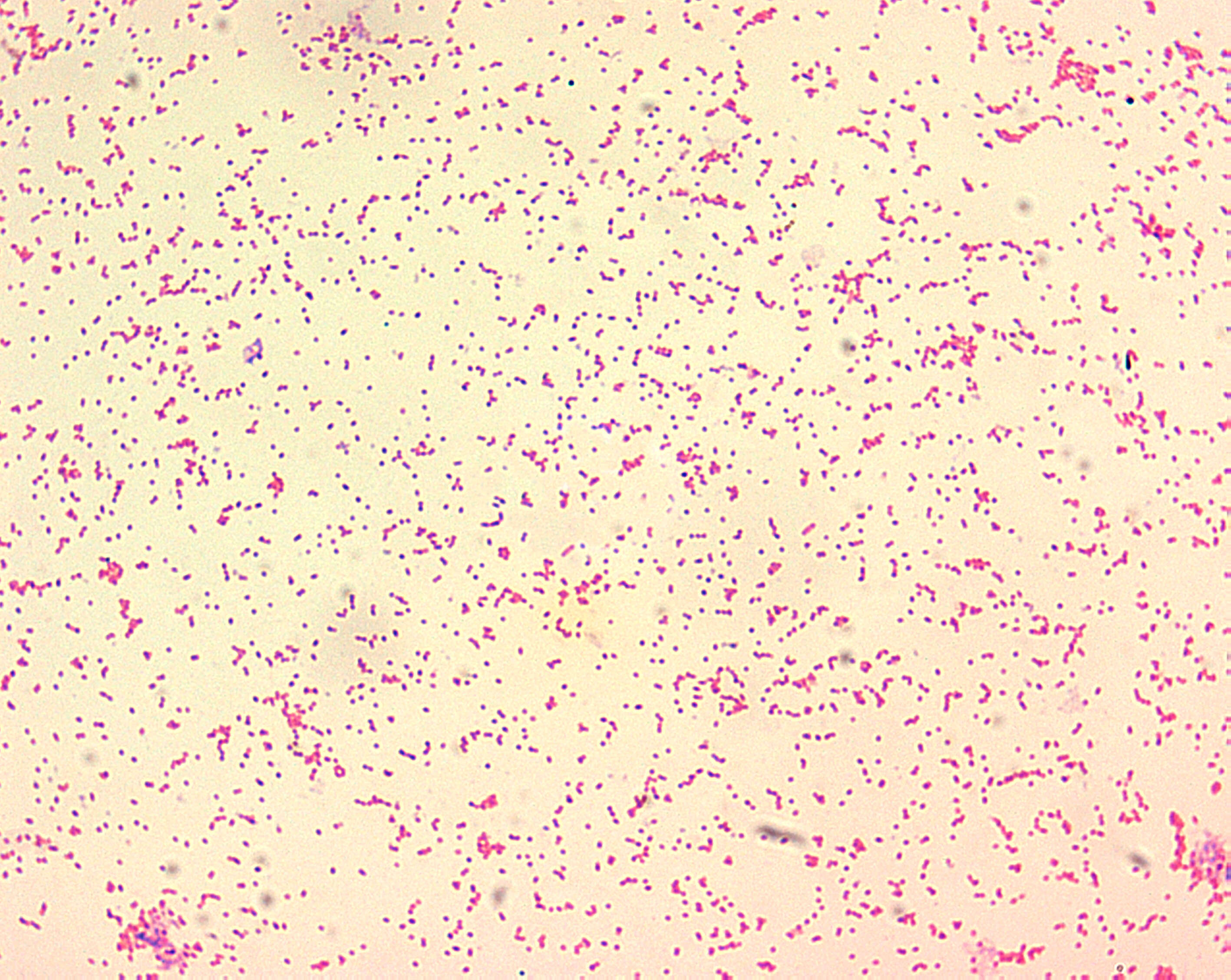
Sign in to saveThe Brucellaceae are a family of the Gram-negative Hyphomicrobiales. They are named after Sir David Bruce, a Scottish microbiologist. They are aerobic chemoorganotrophes. The family comprises pathogen and soil bacteria
Species
FAMILY
- KingdomBacteria
- PhylumProteobacteria
- ClassAlphaproteobacteria
- OrderRhizobiales
- FamilyBrucellaceae
Die Brucellaceae sind eine Familie von Bakterien. Sie beinhalten einige wichtige Krankheitserreger, wie z. B. einige Arten von Brucella. Inhaltsverzeichnis 1 Merkmale 2 Taxonomische Merkmale 3 Systematik 4 Ökologie 5 Krankheitserreger 6 Einzelnachweise 7 Verwendete Literatur Merkmale Die Zellen der Brucellaceae sind stäbchenförmig. Sporen werden nicht gebildet. Die meisten Arten sind beweglich und besitzen meist eine oder mehrere, seitliche Flagellen. Auch wenige nicht bewegliche Arten sind vorhanden, z. B. in den Gattungen Brucella und Paenochrobactrum. Sie benötigen Sauerstoff (aerob) und der Stoffwechsel ist chemoorganotroph. Bei der Atmung kann Sauerstoff (O2) als terminaler Elektronenakzeptor dienen, oder es erfolgt die Nitratatmung, hierbei dient Nitrat (NO3−) als Akzeptor. Einige Stämme von Brucella zeigen das beste Wachstum unter geringen Sauerstoffgehalt, solche Bakterien werden als mikroaerophil bezeichnet.[1] Die Gram-Färbung verläuft negativ, sie zählen zu den gramnegativen Bakterien. Es folgt eine Übersicht der Merkmale einiger Gattungen:[2] Anmerkungen: +; Test verläuft positiv, -; Test verläuft negativ, k. A. keine Angabe a bei B. ovis meist negativ, auch positive St
via GBIF
Research
10,983 papers- ZBP1 senses Brucella abortus DNA triggering type I interferon signaling pathway and unfolded protein response activation.Frontiers in immunology · 2024
- "Phylogenomic insights into brucellaceae: The Pseudochrobactrum algeriensis case".Infection, genetics and evolution : journal of molecular epidemiology and evolutionary genetics in infectious diseases · 2024
- Brucella mediates autophagy, inflammation, and apoptosis to escape host killing.Frontiers in cellular and infection microbiology · 2024
- Brucellosis: Unveiling the complexities of a pervasive zoonotic disease and its global impacts.Open veterinary journal · 2024
- Brucellosis: Bacteriology, pathogenesis, epidemiology and role of the metallophores in virulence: a review.Frontiers in cellular and infection microbiology · 2025
via PubMed
Wikidata facts
- Instance of
- taxon
- Parent taxon
- Hyphomicrobiales
- Image
- Brucella spp.JPG
Show 6 more facts
- taxon name
- Brucellaceae
- taxon rank
- family
- LPSN URL
- lpsn.dsmz.de/family/brucellaceae
- Gram staining
- gram-negative bacteria
- Commons category
- Brucellaceae
- taxonomic type
- Brucella
Sources (3)
via Wikidata · CC0
~1 min read
Encyclopedic overview
2 sectionsContents
- Phylogeny
- References
The Brucellaceae are a family of the Gram-negative Hyphomicrobiales. They are named after Sir David Bruce, a Scottish microbiologist. They are aerobic chemoorganotrophes. The family comprises pathogen and soil bacteria
==Phylogeny== The currently accepted taxonomy is based on the List of Prokaryotic names with Standing in Nomenclature (LPSN). The phylogeny is based on whole-genome analysis.
Excerpted from Wikipedia’s “Brucellaceae” article, available under the CC BY-SA 4.0 licence.