Category
page 1Ice sheets
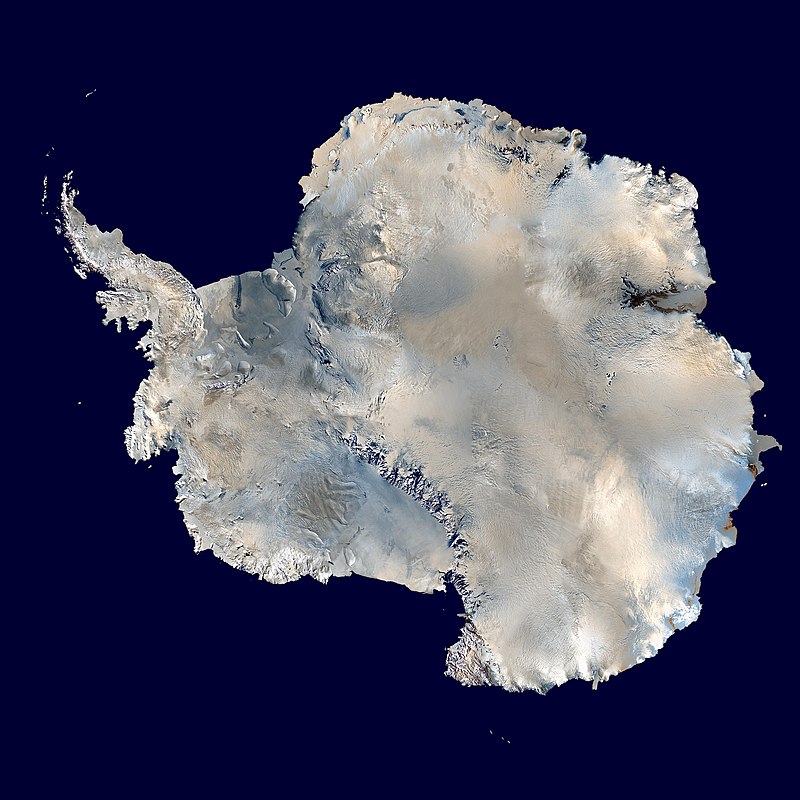
ice sheet
large mass of glacier ice
Greenland ice sheet
glacier in Greenland
post-glacial rebound
rise of land masses that were depressed by the huge weight of ice sheets during the last glacial period
Laurentide Ice Sheet
continental glacier in North America during the last ice age

deglaciation
thumb|The deglaciation of North America after the last ice age. Ka means thousand years ago.
Deglaciation is the transition from full glacial conditions during ice ages, to warm interglacials, characterized by global warming and sea level rise due to change in continental ice volume. Thus, it refers to the retreat of a glacier, an ice sheet or frozen surface layer, and the resulting exposure of the Earth's surface. The decline of the cryosphere due to ablation can occur on any scale from global to localized to a particular glacier. After the Last Glacial Maximum (ca. 21,000 years ago), the las
Cordilleran Ice Sheet
major ice sheet that periodically covered large parts of North America during glacial periods over the last ~2.6 million years
Patagonian Ice Sheet
former ice sheet in South America
glacial earthquake
seismological phenomenon, caused by calving outlet glaciers of continental ice shields
Isostatic depression
the sinking of large parts of the Earth's crust