Category
page 1Immortality

phoenix
long-lived bird that is cyclically regenerated or reborn in Arabian, East Asian, and Greco-Roman mythology

immortality
thumb|The Fountain of Eternal Life in [[Cleveland, Ohio, United States, is described as symbolizing "Man rising above death, reaching upward to God and toward Peace."]]
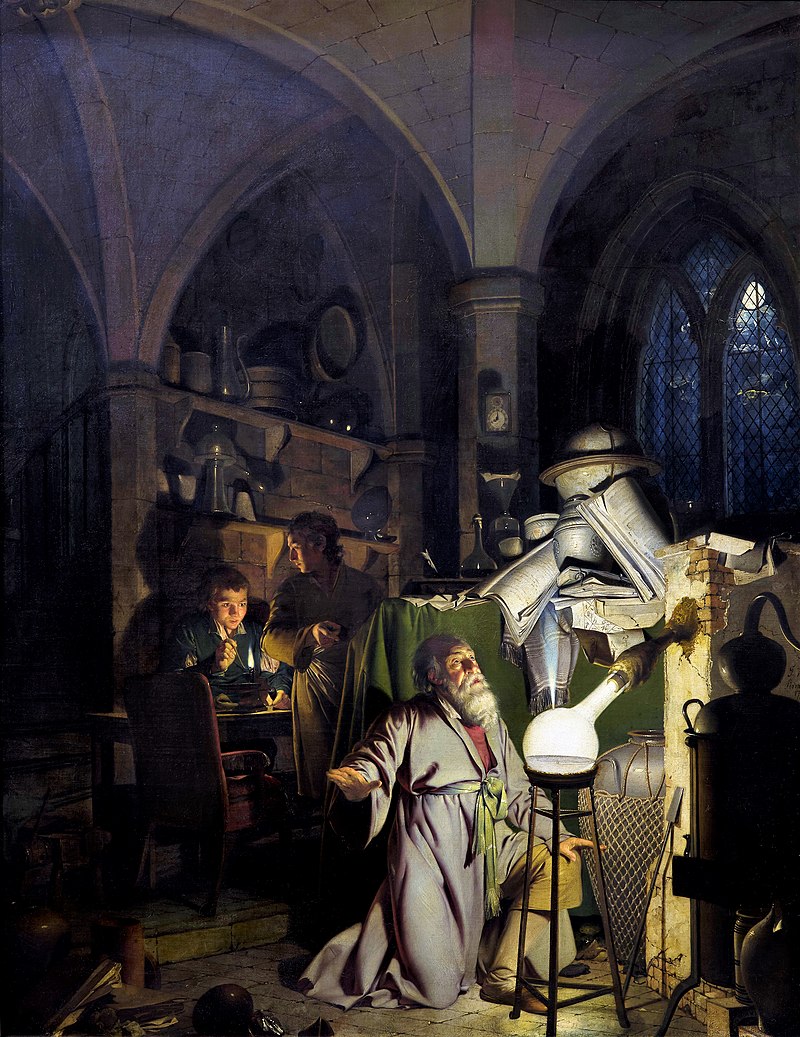
philosopher's stone
legendary alchemical substance

Adonis
In Greek mythology, Adonis (; , ) was the mortal lover of the goddesses Aphrodite and Persephone. He was considered to be the ideal of male beauty in classical antiquity.

transhumanism
Transhumanism is a philosophical movement that advocates the enhancement of the human condition by developing and making widely available new and future technologies to enhance longevity, cognition, and well-being. Influenced by seminal works of science fiction, the transhumanist vision of a transformed future humanity has many supporters and detractors from a wide range of perspectives, including philosophy and religion. Some critics argue that transhumanism amounts to little more than a "rebranding" of eugenics.

ambrosia
thumb|upright=1.2|The Food of the Gods on Olympus (1530), Maiolica|majolica dish attributed to [[Nicola da Urbino]]

amrita
thumb|Mohini, the female form of [[Vishnu, holding the pot of amrita, which she distributes amongst all the devas, leaving the asuras without it. Darasuram, Tamil Nadu, India|alt=A stone carving of a standing woman with a pot in her left hand and lotus in right]]

Fountain of Youth
mythological theme in art and literature, a spring that supposedly restores the youth of anyone who drinks or bathes in its waters
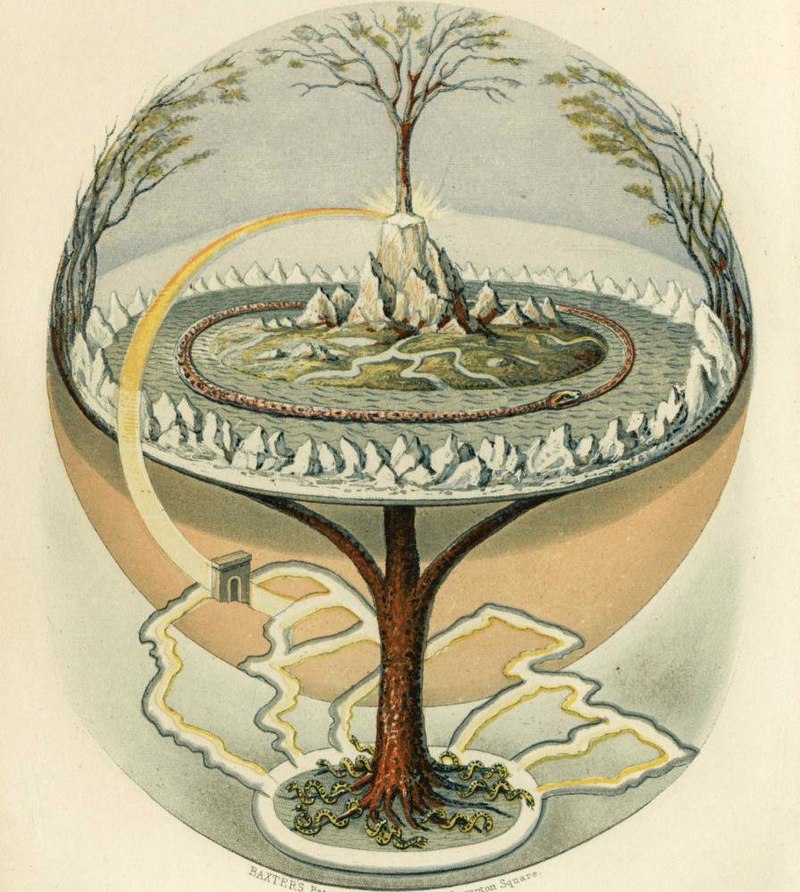
tree of life
motif in art and culture

elixir of life
magical potion

Turritopsis nutricula
immortal jellyfish
panacea
remedy claimed to cure all diseases

Tithonus
In Greek mythology, Tithonus ( or ; ) was the lover of Eos, Goddess of the Dawn. He was a prince of Troy, the son of King Laomedon by the Naiad Strymo (). The mythology reflected by the fifth-century vase-painters of Athens envisaged Tithonus as a rhapsode, as attested by the lyre in his hand, on an oinochoe (wine jug) of the Achilles Painter, circa 470–460 BC.
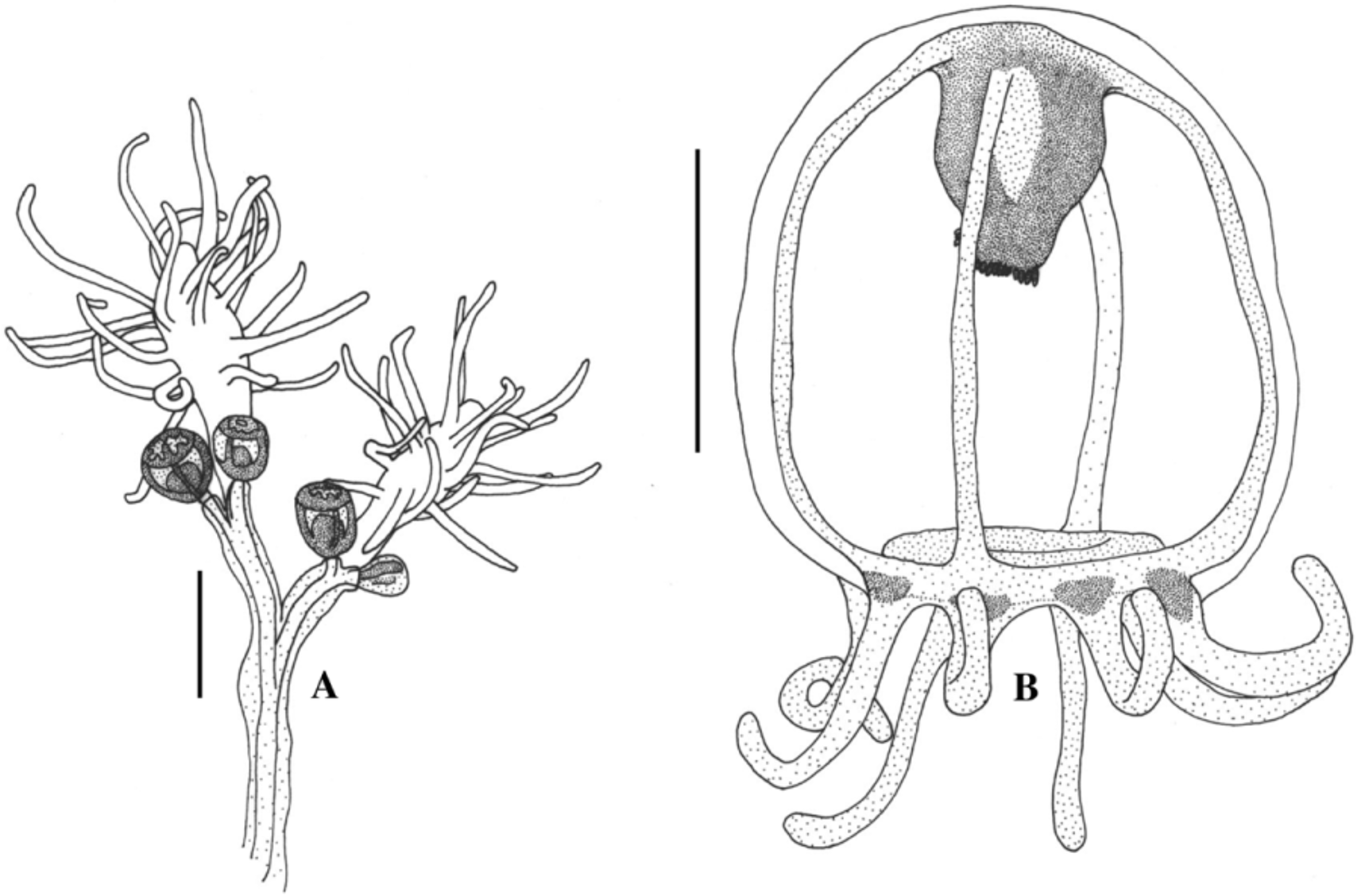
Turritopsis dohrnii
species of small, biologically immortal jellyfish

Adapa
thumb|Oannès – Adapa from Odilon Redon in the [[Kröller-Müller Museum]]
tree of life
term used in the Hebrew Bible

Aubrey de Grey
British writer and biomedical gerontologist

imp
thumb|right|upright=1.25|French illustration of imps ()
mind uploading
hypothetical copying of a "self" from a brain's neural-networks into a computer, a computer network or a human-like robot
biological immortality
state in which the rate of mortality from senescence is stable or decreasing
eternal youth
concept of human physical immortality free of aging
quantum suicide
Jin Chan
three-legged frog charm
Sonnet 55
55th of 154 by William Shakespeare
quantum immortality
thought experiment in which one plays Russian roulette with the trigger connected to the Geiger counter measuring the decay of a radioactive atom
-kenkyu-v2-p033-fig17-ningyo(Tsugaru%20kyuki).jpg)
Ningyo
thumb|Japanese mermaid (ningyo). Coiffed with nihongami hairstyle of the Edo Period.
, is a creature with both human and fish-like features, described in various pieces of Japanese literature.
longevity escape velocity
life extension concept; idea that a person's remaining life expectancy would increase at a faster rate than they age
digital immortality
hypothetical concept of storing

negligible senescence
characteristic of organisms displaying no decline in survival capacity relative to age
Crown of Immortality
literary and religious metaphor
2045 Initiative
organization that develops a network and community of researchers in the field of life extension
exaltation
doctrine in the Church of Jesus Christ of Latter-day Saints
Strategies for Engineered Negligible Senescence
regenerative medicine proposal

Peaches of Immortality
Chinese mythological fruit

The Future of Work and Death
2016 film
Konrul
In Turkic mythology, Konrul, also Kongrul and Konqrul (Azeri: , , ) is a long-lived bird that is cyclically regenerated or reborn, similar to a phoenix.
immortalised cell line
lineage of cells that evades senescence and continues dividing
Gaokerena
In Persian and Zoroastrian legends, the mighty Gaokerena was a mythic Haoma plant that had healing properties and gave immortality to the resurrected bodies of the dead when eaten. It is also said to have the seeds of all trees on Earth and that the juice from its fruit gave the elixir of immortality. The name Gaokerena means "ox horn" or "cow ear".
== Simurgh roosting on the tree ==