Category
page 1Indian folklore

jinn
Jinn (Arabic: جِنّ), also romanized as djinn or anglicized as genies, are supernatural beings in pre-Islamic Arabian religion and Islam. Like humans, they are accountable for their deeds and can be either believers (''Mu'minun) or unbelievers (kuffar''), depending on whether they accept God's guidance.

Panchatantra
thumb|The first page of oldest surviving Panchatantra text in Sanskrit
thumb|An 18th-century Pancatantra manuscript page in Braj ("The Talkative Turtle")

Jātaka
collection of traditional narratives of the previous lives of Buddha before his last life as Gautama

yakṣa
The Yakshas (, , ) are a broad class of nature spirits, usually benevolent, but sometimes mischievous or capricious, connected with water, fertility, trees, the forest, treasure and wilderness. They appear in Hindu, Jain and Buddhist texts, as well as ancient and medieval era temples of South Asia and Southeast Asia as guardian deities. The feminine form of the word is or Yakshini (, ; ).

Saraca asoca
species of plant

Barlaam and Josaphat
two saints

The Fox and the Crow
Aesop's fable

Hitopadeśa
thumb|upright=0.85|Nepalese manuscript of the Hitopadesha, c.1800

Kathasaritsagara
The Kathāsaritsāgara ("Ocean of the Streams of Stories") (Devanagari: कथासरित्सागर) is a famous 11th-century collection of Indian legends and folk tales as retold in Sanskrit by the Shaivite Somadeva from Kashmir.
The Goose That Laid the Golden Eggs
Aesop’s fable
blind men and an elephant
parable from the ancient Indian subcontinent, in which several blind men feel and try to conceptualize an elephant

yakshini
thumb|The Bhutesvara Yakshis, [[Mathura, 2nd century CE.]]
Konjaku Monogatarishū
literary work
The Dog and Its Reflection
Aesop’s fable
The Ass in the Lion's Skin
Aesop's fable

Baital Pachisi
collection of Indian tales
Heer Ranjha
Tragic romance in Punjabi literature
The Bear and the Gardener
fable

Tutinama
Tutinama (), literal meaning "Tales of a Parrot", is a 14th-century series of 52 stories in Persian. The work remains well-known largely because of a number of lavishly illustrated manuscripts, especially a version containing 250 miniature paintings commissioned by the Mughal Emperor Akbar in the 1550s. The Persian text used was edited in the 14th century from an earlier anthology 'Seventy Tales of the Parrot' in Sanskrit compiled under the title Śukasaptati (a part of katha literature) dated to the 12th century. In India, parrots (in light of their purported conversational abilities) are popu
Karkadann
The Karkadann (Arabic كركدن karkadann or karkaddan from Kargadan, Persian: كرگدن) is a mythical creature said to have lived on the grassy plains of India and Iran.
The Twelve Dancing Princesses
folktale type (ATU 306)

Śukasaptati
thumb|Prabhāvatī and the Parrot
Śukasaptati, or Seventy tales of the parrot, is a collection of stories originally written in Sanskrit. The stories are supposed to be narrated to a woman by her pet parrot, at the rate of one story every night, in order to dissuade her from going out to meet her paramour when her husband is away.
The stories frequently deal with illicit liaisons, the problems that flow from them and the way to escape those crises by using one's wits. Though the actual purpose of the parrot is to prevent its mistress from leaving, it does so without moralising. At the end of the

The Tortoise and the Eagle
various fables, including Aesop's

Manimekhala
thumb|300px|Illustrated of Mekhala and Ramasura, from a samut khoi of Thai poetry in the second half of the 19th century. Now in the collection of [[Bavarian State Library, Germany.]]
Monkey-man of Delhi
Indian urban legend

The Three Princes of Serendip
1557 short story by Cristoforo Armeno

Reinwardtia
Reinwardtia indica, yellow flax or pyoli, is a species of Linaceae found in the Himalayas. It is the only species in the monotypic genus Reinwardtia.

The Water of Life
Grimm fairy tale
The Ebony Horse
story from the Arabian Nights
The Fox and the Sick Lion
Aesop's fable
The Deer Without a Heart
Aesop's fable
Vessantara Jataka
story of one of Gautama Buddha's past lives
Mirza Sahiban
popular tragic romance of Punjab
Sohni Mahiwal
tragic romance of Punjab and Sindh
Dahi Handi
events and a team sport during the Hindu festival Gokulashtami
Henny Penny
europian folk tale
Hasht-Bihisht
poem by Amir Khusrow
Sassi Punnu
sindhi Qissa
folklore of India
expressive body of culture shared by a particular group
Punjabi Qissa
Punjabi literary genre
.jpg)
Manohara
thumb|Manohara as depicted in Phap Nang Ngam Nai Wannakhadi ("Illustrations of Ladies in Literature"), an illustrated book by Thai people|Thai artist [[Hem Vejakorn.]]
Manohara is the kinnari (half-woman, half-bird) heroine of one of the Jataka tales. Typically referred to as Manohara and Prince Sudhana, the legend appears in the Divyavadana and is documented by stone reliefs at Borobodur. Versions of the story are reported in the literature of Southeast Asian countries, and similar stories about a bird maiden and a mortal man can be found in East Asia.
Divyavadana
The Divyāvadāna or Divine narratives is a Sanskrit anthology of Buddhist avadana tales, many originating in Mūlasarvāstivādin vinaya texts. It may be dated to 2nd century CE. The stories themselves are therefore quite ancient and may be among the first Buddhist texts ever committed to writing, but this particular collection of them is not attested prior to the seventeenth century. Typically, the stories involve the Buddha explaining to a group of disciples how a particular individual, through actions in a previous life, came to have a particular karmic result in the present. A predominant them
The Hares and the Frogs
Aesop's fable
The Blue Jackal
story known throughout the Indian sub-continent
The Heart of a Monkey
folk story
Tana and Riri
Indian story
The Dog, the Cock, and the Fox
Aesop's fable

Shakchunni
thumb
Shakchunni (Bengali: শাকচুন্নি ; also sometimes spelled Shankhachunni) is a female ghost in Bengali folklore, commonly described in the mythological traditions of Bangladesh and the Indian state of West Bengal. The term refers to the spirit of a married Hindu woman who died while still married (i.e., before her husband).
Puran Bhagat
prince of Sailkot
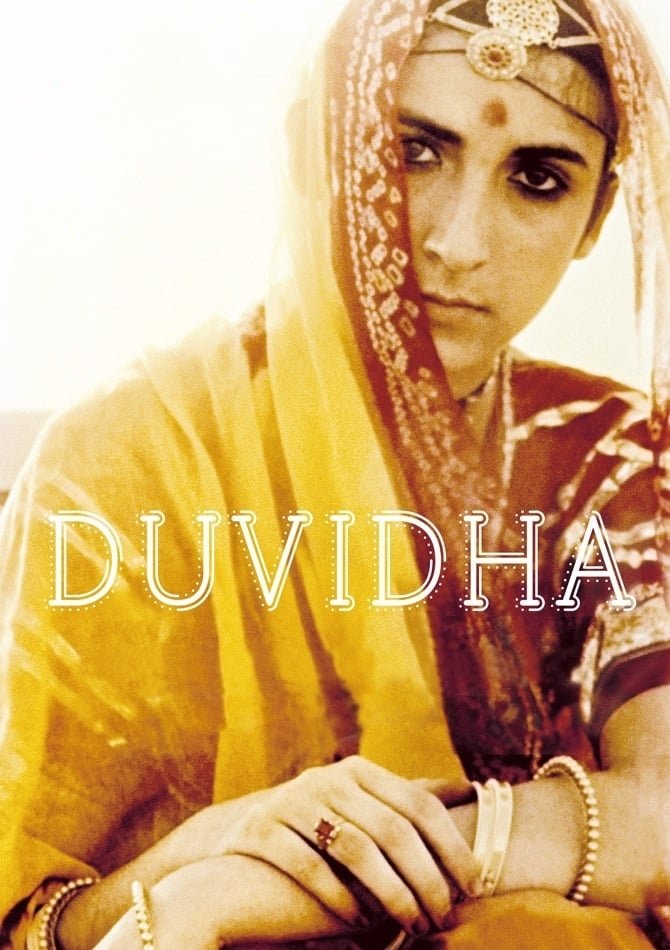
Duvidha
Duvidha () is a 1973 ghost movie directed by Mani Kaul, based on a Rajasthani story of the same name by Vijaydan Detha. The film stars Ravi Menon and Raisa Padamsee in lead roles. The film was critically acclaimed and won the director the National Film Award for Best Direction and Critics Award for Best film at the 1974 Filmfare Awards. This film was remade in 2005 as Paheli, starring Shahrukh Khan and Rani Mukherjee in the lead roles.

Ranakadevi
Ranakadevi was a legendary 12th century queen of Khengara, the Chudasama ruler of Saurashtra region of western India. She is mentioned in the bardic tragic romance representing the battle between Chudasama king Khengara and Chaulukya king Jayasimha Siddharaja. However, this legend is not credible.
Chaar Bayt
poetic artform in India

Siṃhāsana Dvātriṃśikā
Indian collection of folk tales
Sorath Rai Diyach
Romantic narrative and folk tale in Sindhi and Gujarati literature

La Laitiere et le Pot au Lait
folk tale
Adivasi Lok Kala Academy
cultural institution encouraging, preserving and developing the tribal arts
lion's share
idiom
Bahar-i Danish
Persian collection of romantic tales
The Fox and the Cat
fable attributed to Aesop
Jasma Odan
legendary character and folk deity from medieval Gujarat in India