Category
page 1Insect families

Cerambycidae
family of wood-boring beetles with long antennae

Panorpidae
The Panorpidae are a family of scorpionflies containing more than 480 species. The family is the largest family in Mecoptera, covering approximately 70% species of the order. Species range between 9–25 mm long.

Lepismatidae
Lepismatidae is a family of primitive wingless insects with about 340 described species. This family contains the two most familiar members of the order Zygentoma: the silverfish (Lepisma saccharinum) and the firebrat (Thermobia domestica). It is one of five families in the order Zygentoma.

Machilidae
The Machilidae, commonly known as jumping bristletails, are a family of insects belonging to the order Archaeognatha (the bristletails). There are around 450 described species worldwide. These insects are wingless, elongated and more or less cylindrical with a distinctive humped thorax and covered with tiny, close-fitting scales. The colour is usually grey or brown, sometimes intricately patterned. There are three "tails" at the rear of the abdomen: two cerci and a long central epiproct. They have large compound eyes, often meeting at a central point. They resemble the silverfish and the fireb
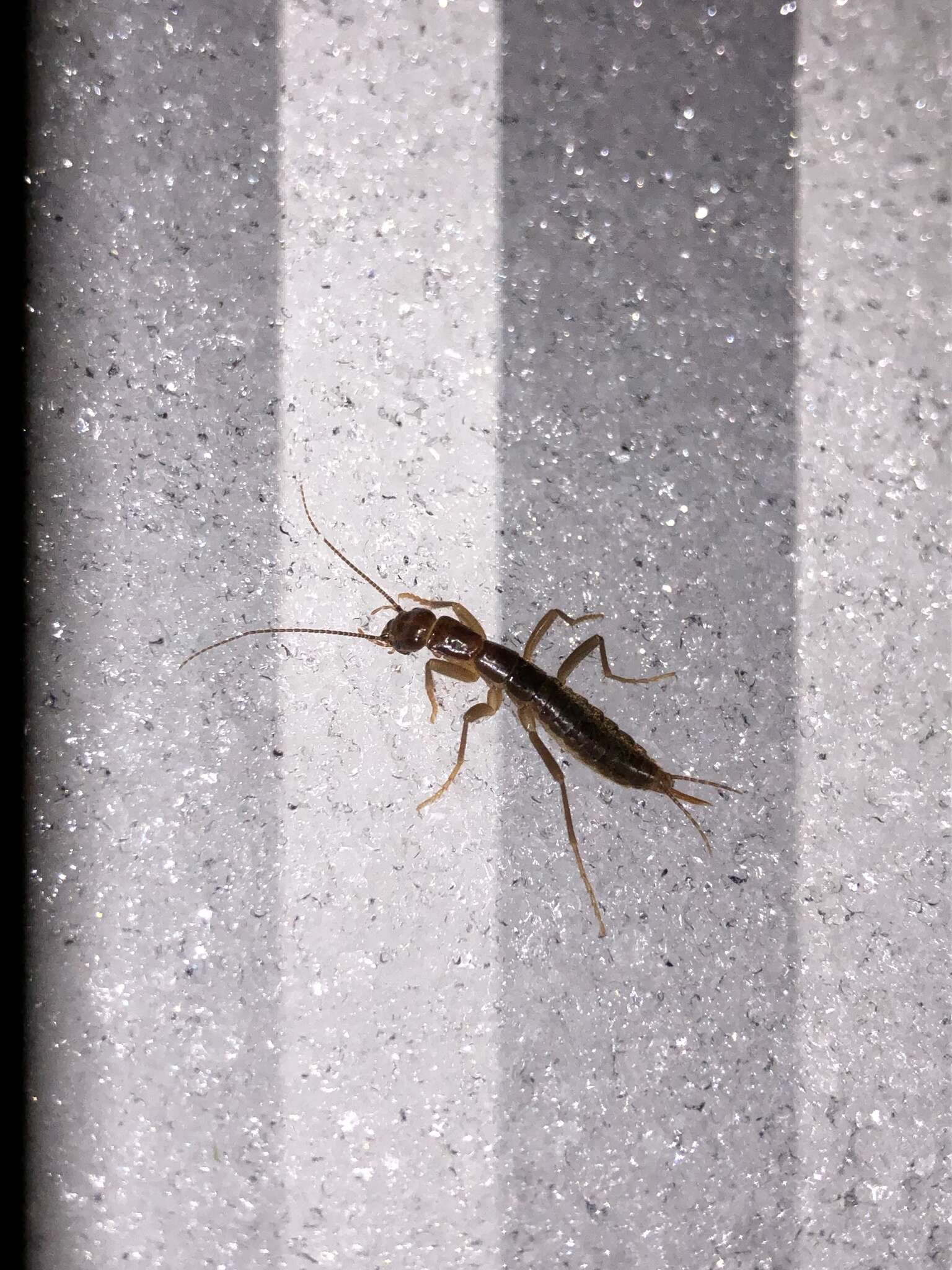
Grylloblattidae
Grylloblattidae, commonly known as the icebugs or ice crawlers, is a family of extremophile (psychrophile) and wingless insects that live in the cold on top of mountains and the edges of glaciers. They are the only living members of Grylloblattodea, which is generally considered an order. Alternatively, Grylloblattodea, along with Mantophasmatodea (rock crawlers), have been ranked as suborders of the order Notoptera. Grylloblattids are wingless insects mostly less than 3 cm long, with a head resembling that of a cockroach, with long antennae and having elongated cerci arising from the tip

Baetidae
Baetidae is a family of mayflies with about 1000 described species in 110 genera distributed worldwide. These are among the smallest of mayflies, adults rarely exceeding 10 mm in length excluding the two long slender tails and sometimes much smaller, and members of the family are often referred to as small mayflies or small minnow mayflies. Most species have long oval forewings with very few cross veins (see Comstock-Needham system) but the hindwings are usually very small or even absent. The males often have very large eyes, shaped like turrets above the head (this is known as "turbinate

Heptageniidae
The Heptageniidae (synonym: Ecdyonuridae) are a family of mayflies with over 500 described species mainly distributed in the Holarctic, Oriental, and Afrotropical regions, and also present in the Central American Tropics and extreme northern South America.

Ephemeridae
Ephemeridae is a family of mayflies with about 150 described species found throughout the world except Australia and Oceania.
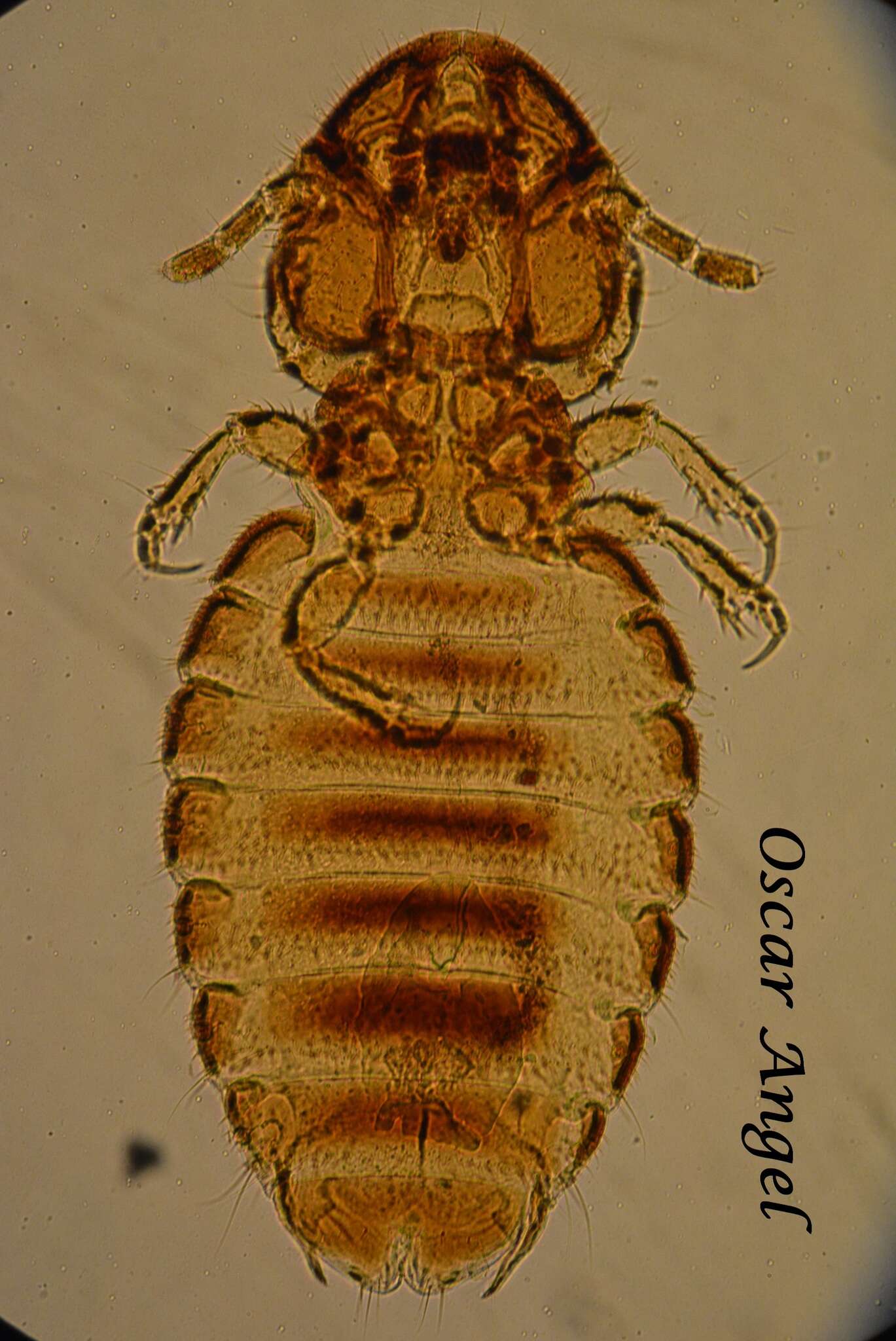
Trichodectidae
Trichodectidae is a family of louse in the parvorder Trichodectera. Its species are parasites of mammals.
Inocelliidae
Inocelliidae is a small family of snakeflies containing 8 genera of which one is known only from fossils. They are commonly known as inocelliid snakeflies. The largest known species is Fibla carpenteri known from fossils found in baltic amber.
Raphidiidae
Raphidiidae is a family of snakeflies in the order Raphidioptera, based on the type genus Raphidia.

Caenidae
Caenidae, is a family of mayflies, sometimes called "small squaregill mayflies". Species are found throughout the world in lotic, depositional environments, and they are sprawlers. Caenids occur in quiet and even stagnant water and are often overlooked because they are so small. They like to live in silty bottoms, and their gills are specially adapted for such environments.

Mantophasmatidae
Mantophasmatidae is a family of carnivorous wingless insects in southern Africa which are placed within the order or suborder Mantophasmatodea. They were discovered in 2001. They are the sister group of the Grylloblattidae, classified in the order or suborder Grylloblattodea.

Leptophlebiidae
Leptophlebiidae is a family belonging to the Ephemeropterans that are commonly known as the prong-gilled mayflies or leptophlebiids. It is the only family in the superfamily Leptophlebioidea. There are more than 650 described species of Leptophlebiids, which are easily recognized by the forked gills present on the larvae's abdomen, thus their common name.
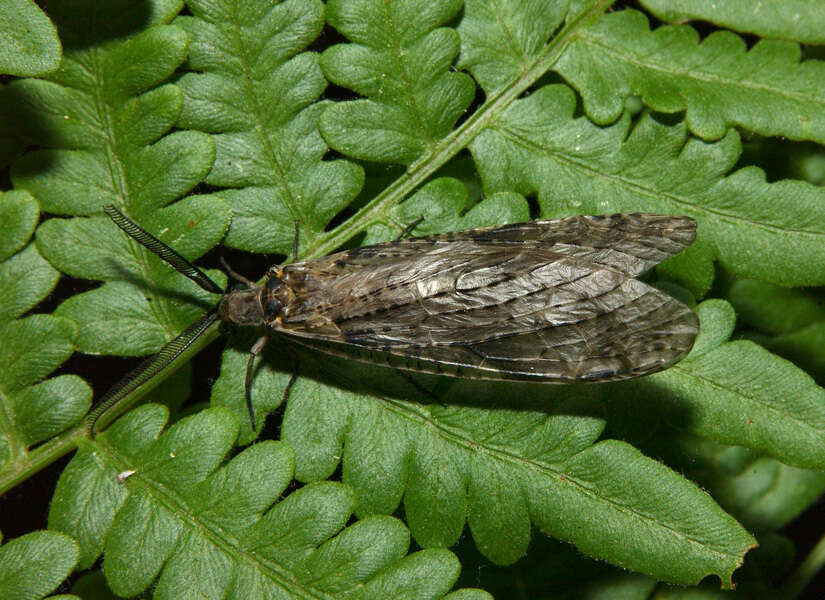
Corydalidae
The family Corydalidae contains the megalopterous insects known as dobsonflies and fishflies. Making up about three dozen genera, they occur primarily throughout North America, both temperate and tropical, South America, Australia, New Zealand, Africa (particularly South Africa) and Asia.
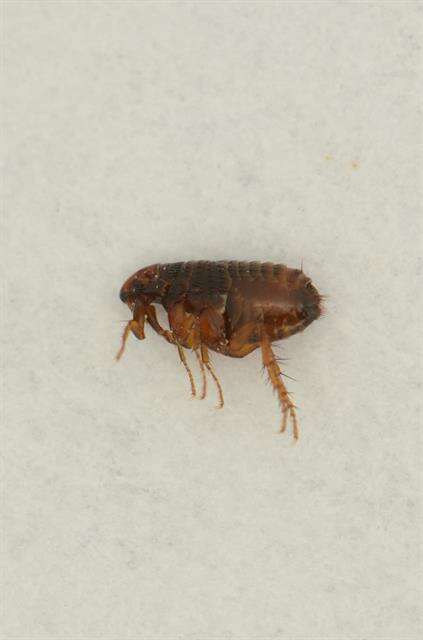
Pulicidae
The Pulicidae are a flea family in the order Siphonaptera. Currently, this family has 181 species in 27 genera. Of these, 16 are known from North America.
Thripidae
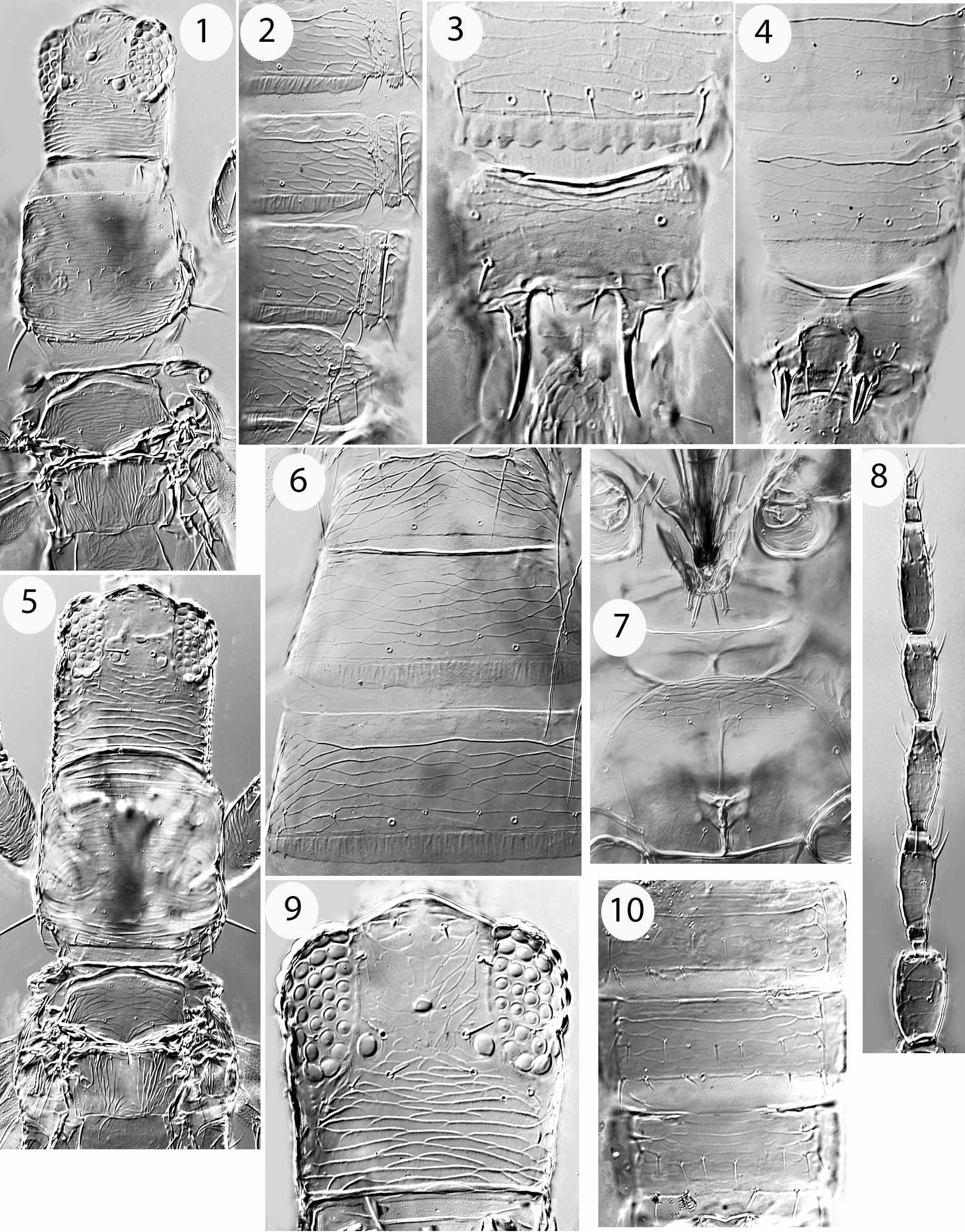
The Thripidae are the most speciose family of thrips, with over 290 genera representing just over two thousand species. They can be distinguished from other thrips by a saw-like ovipositor curving downwards, narrow wings with two veins, and antennae of six to ten antennomeres with stiletto-like forked sense cones on antennal segments III and IV.
Aeolothripidae
The Aeolothripidae are a family of thrips. They are particularly common in the holarctic region, although several occur in the drier parts of the subtropics, including dozens in Australia. Adults and larvae are usually found in flowers, but they pupate on the ground. While they normally prey on other arthropods, many feed also on flowers.
Meropeidae
Meropeidae is a family of tiny scorpionflies within the order Mecoptera with only three known living species, commonly referred to as "earwigflies" (or sometimes "forcepflies"), based on the earwig-like forceps-shaped male genitalia. The living species are the North American Merope tuber, the Western Australian Austromerope poultoni, and the recently discovered South American A. brasiliensis. The biology of these species is essentially unknown, and their larvae have never been seen. The adults have been suggested to probably be saprophagous, though they have never been observed feeding. The fo

Phlaeothripidae
Phlaeothripidae is a family of thrips with hundreds of genera. They are the only extant family of the suborder Tubulifera, alongside the extinct family Rohrthripidae and are themselves ordered into two subfamilies, the Idolothripinae with 80 genera, and the Phlaeothripinae with almost 400. Some 3,400 species are recognised in this family, and many are fungivores living in the tropics.

Ephemerellidae
Ephemerellidae are known as the spiny crawler mayflies. They are a family of the order Ephemeroptera. There are eight genera consisting of a total 90 species (Merritt & Cummins). They are distributed throughout North America as well as the UK. Their habitat is lotic-erosional, they are found in all sizes of flowing streams on different types of substrates where there is reduced flow. They are even found on the shores of lakes and beaches where there is wave action present. They move by swimming and clinging, they are very well camouflaged. Most species have one generation per year. They are mo
Potamanthidae
Potamanthidae is a family of mayflies with three genera in which there are 23 species.
Siphlonuridae
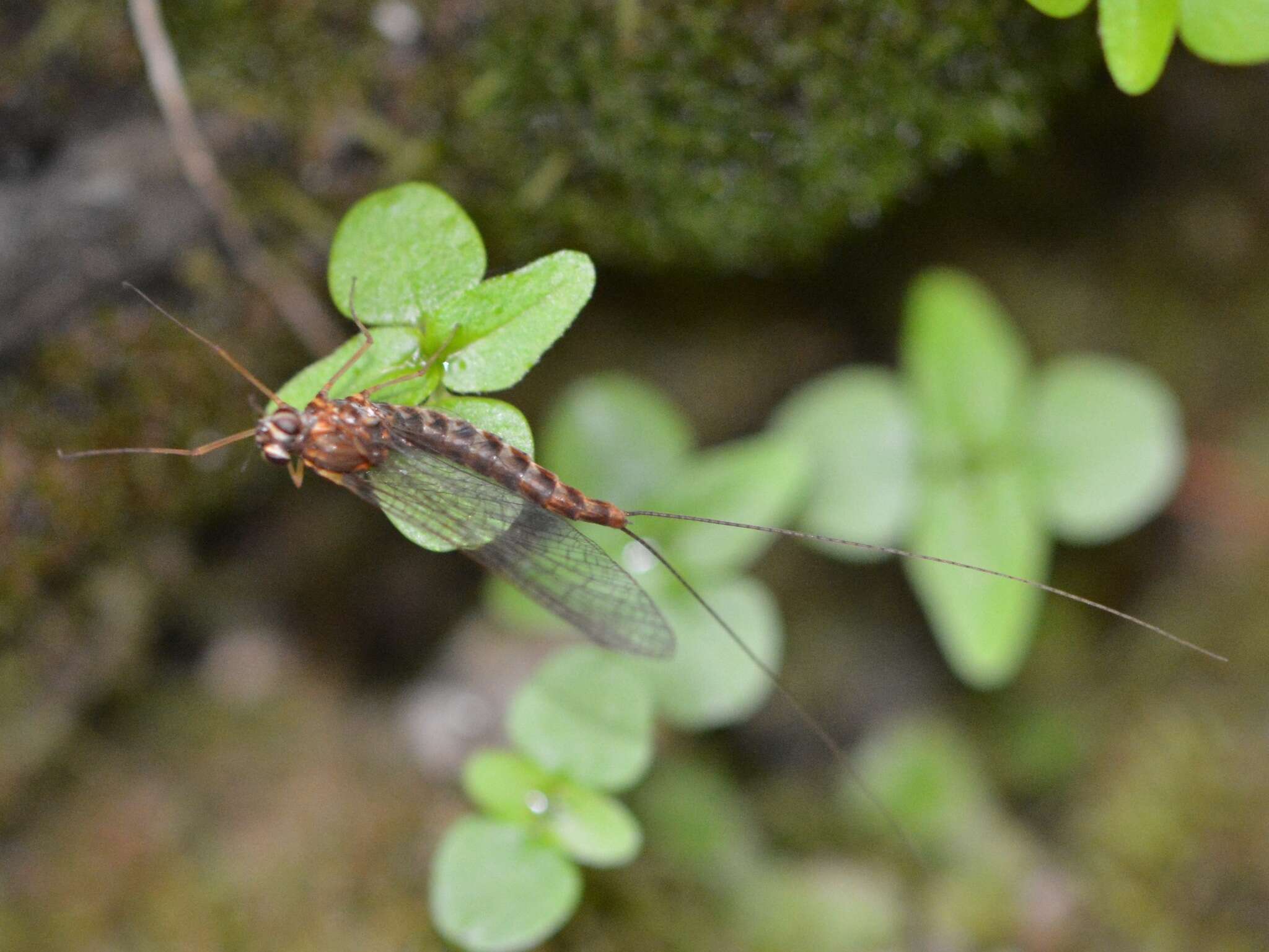
Siphlonuridae, also known as the primitive minnow mayfly is a family of insects belonging to the order Ephemeroptera. They are adapted to cool waters.
Choristidae
The Choristidae are a small (only eight species in three genera) family of scorpionflies known only from Australia. Their larvae are found in moss mats.
==Species==
This list is adapted from the World Checklist of extant Mecoptera species: Choristidae (unless cited otherwise) and is complete as of 1997.

Meinertellidae
The Meinertellidae, commonly known as rock bristletails, is a small family of basally diverging insects belonging to the order Archaeognatha. These insects can be distinguished from members of the other Archaeognatha family, Machilidae, by the lack of scales at the base of the legs and antennae, head, and palps; along with possession of small abdominal sternites protruding slightly between the coxal plates. They can also be distinguished by patches of reddish to violet-brown hypodermal pigment on the appendages.
Stylopidae
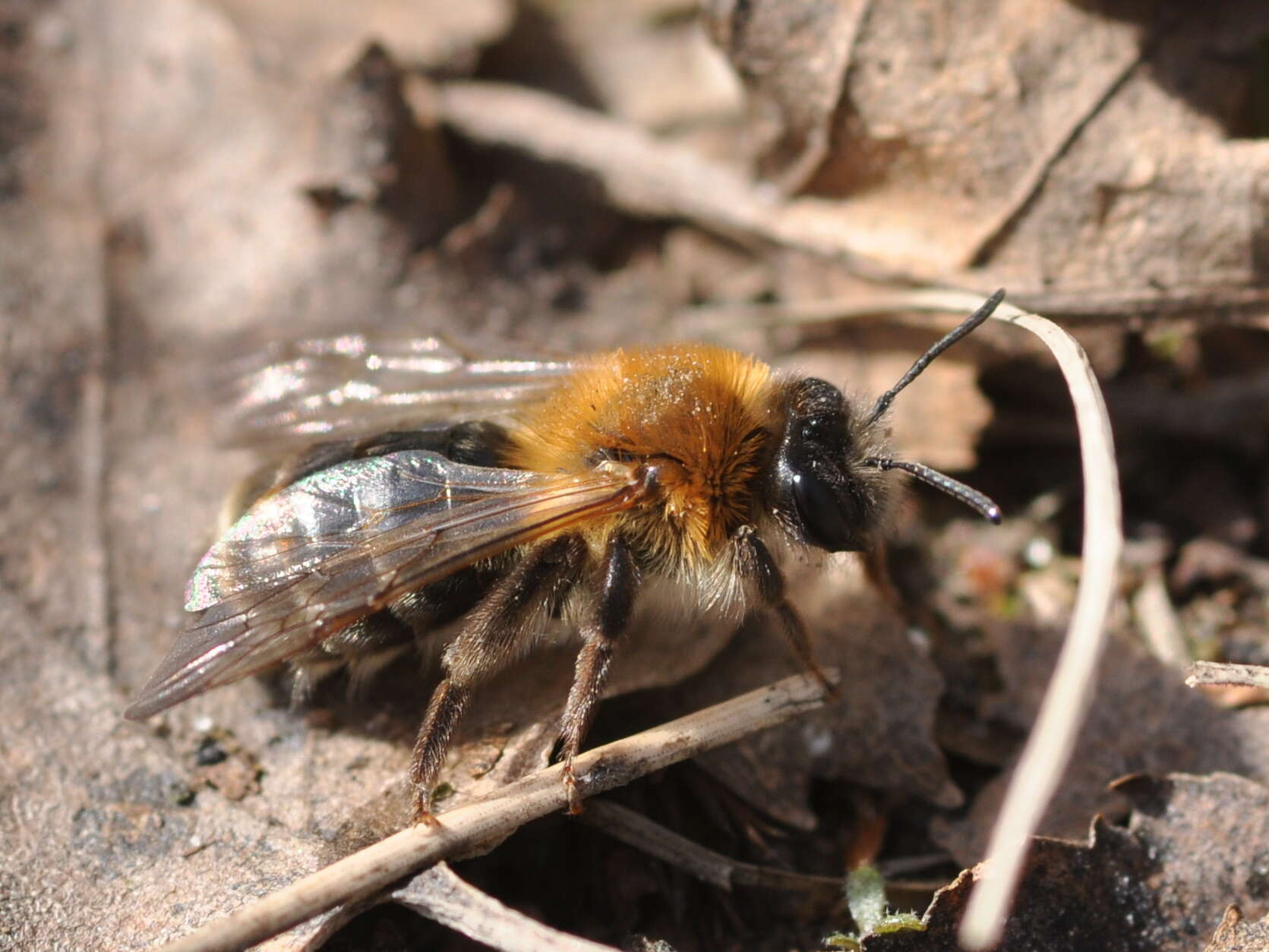
Stylopidae is a family in the order Strepsiptera. There are about 15 genera and more than 330 described species in Stylopidae.
Ceratophyllidae
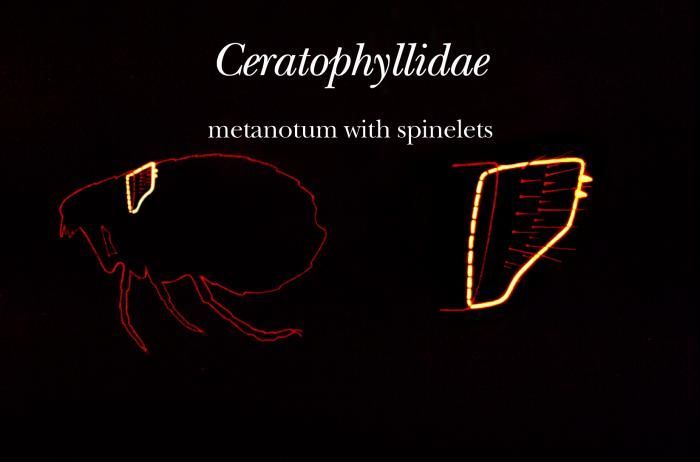
Ceratophyllidae is a family of fleas. Its members are parasites of mainly rodents and birds. It contains two subfamilies, one containing over 40 genera, and the other just three.

Linognathidae
Linognathidae is a family of lice in the order Psocodea. There are at least 3 genera and 70 described species in Linognathidae.

Menoponidae
Menoponidae is a monophyletic family of lice in the superfamily of chewing lice, Amblycera, often referred to as the chicken body louse family. They are ectoparasites of a wide range of birds including chickens, which makes them important to understand for veterinary science and for human health. However, Menoponidae are not exclusive to poultry and are common parasites for migratory birds, with more and more species being discovered every year.

Nannochoristidae
Nannochoristidae is a family of scorpionflies with many unusual traits. It is a tiny, relict family with a single extant genus, Nannochorista, with eight species occurring in New Zealand, southeastern Australia, Tasmania, Argentina and Chile. Due to the group's distinctiveness from other scorpionflies, it is sometimes placed in its own order, the Nannomecoptera. Some studies have placed them as the closest living relatives of fleas. Most mecopteran larvae are eruciform, or shaped like caterpillars. Nannochoristid larvae, however, are elateriform, and have elongated and slender bodies. The larv
Hystrichopsyllidae
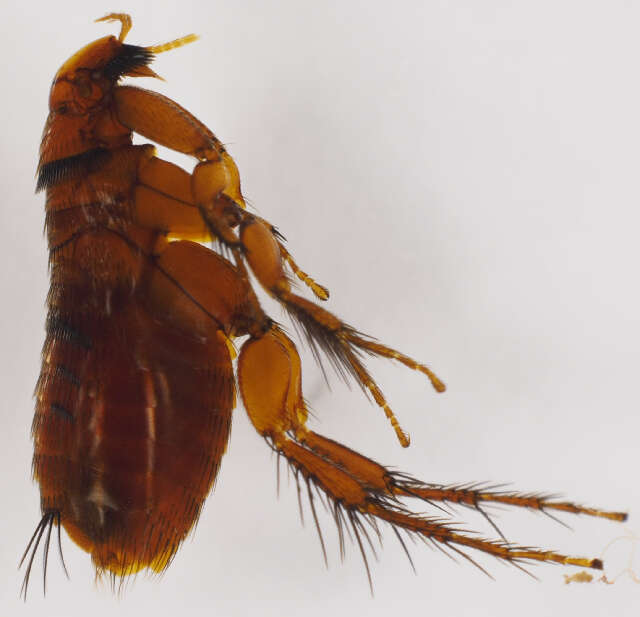
Hystrichopsyllidae is a family of fleas in the order Siphonaptera. There are at least 40 genera and 610 described species in Hystrichopsyllidae.
Philopteridae
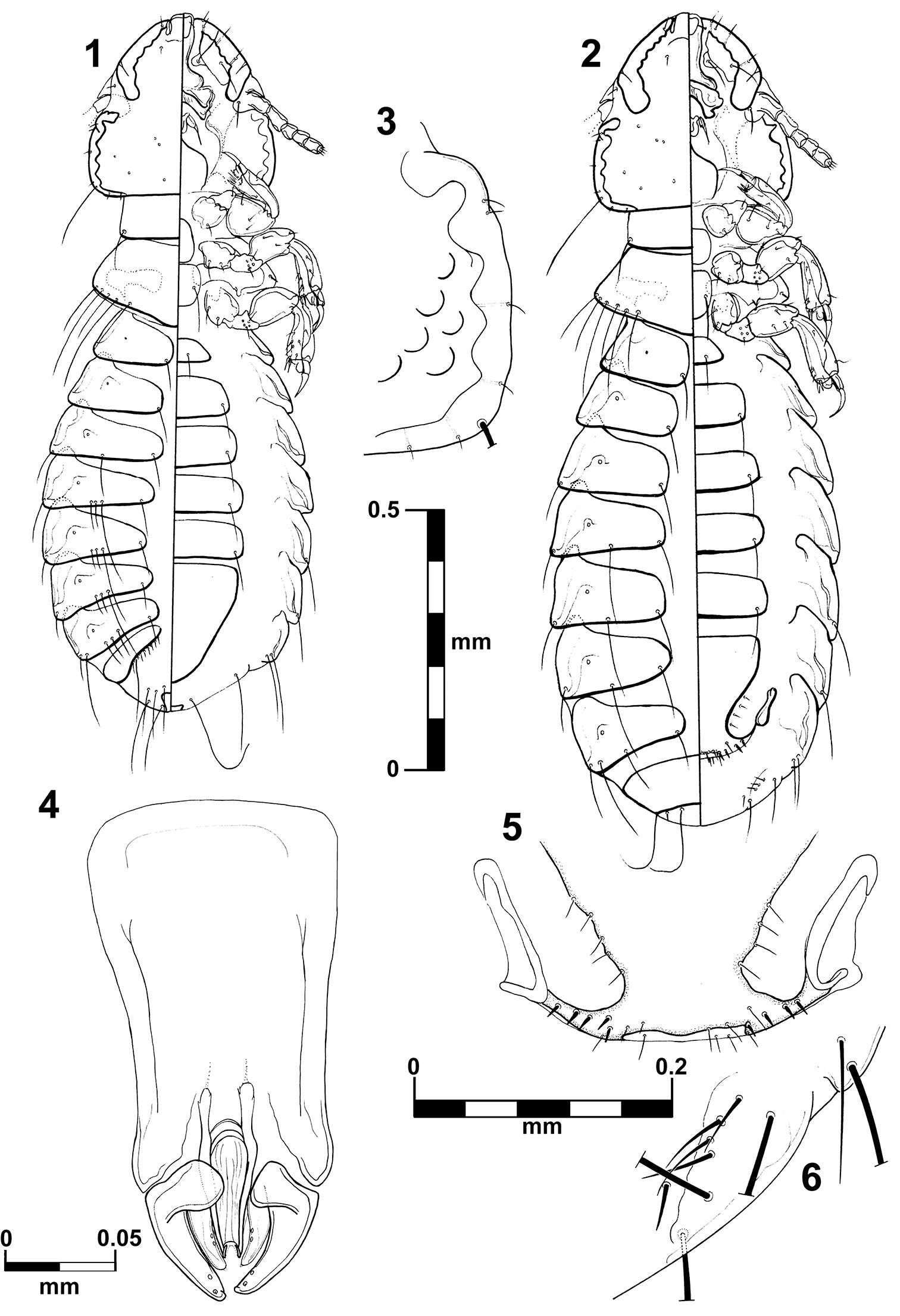
Philopteridae is a family of feather lice. They are parasitic on birds, primarily consuming downy feathers.

Panorpodidae
The Panorpodidae are a small family of scorpionflies. Of the two genera, Brachypanorpa occurs only in the United States, and Panorpodes occurs in East Asia, with a single species in California. Unlike their sister group Panorpidae, the family generally has short jaws, amongst the shortest of all mecopterans. Brachypanorpa is thought to be phytophagous, consuming the epidermis of soft leaves, and a similar diet is suggested for Panorpodes.
Myrmecolacidae
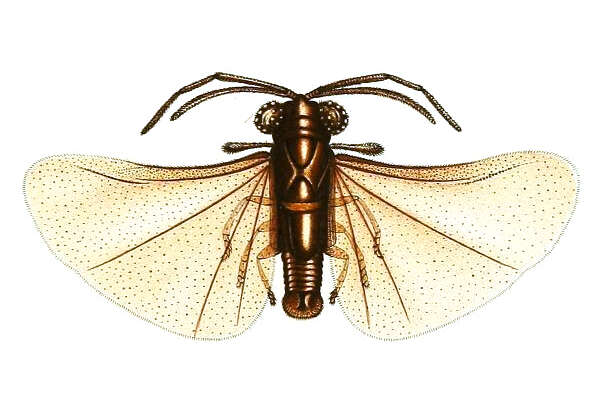
Myrmecolacidae is an insect family of the order Strepsiptera. There are four genera and about 98 species in this family. Like all strepsipterans, they have a parasitic mode of development with males parasitizing ants while the females develop inside Orthoptera. The sexes differ greatly in morphology making it very difficult to match females to the better catalogued museum specimens of males.
Polyplacidae
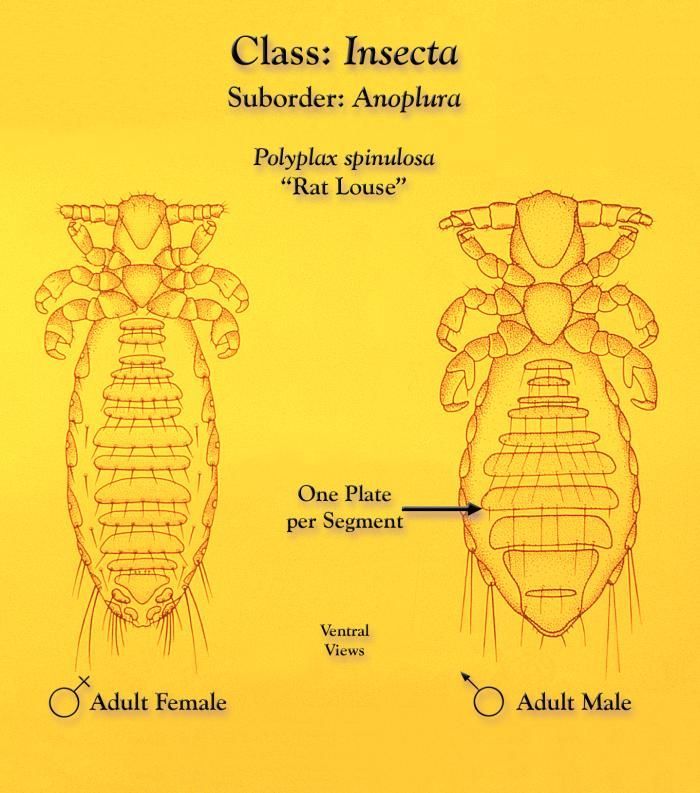
Polyplacidae is a family of lice in the suborder Anoplura, the sucking lice. Lice in this family are known commonly as the spiny rat lice. The family has a cosmopolitan distribution. As of 2010 there were 193 species.
Nicoletiidae
Nicoletiidae is a family of primitive insects belonging to the order Zygentoma. These insects live primarily underground, under detritus, or in caves. A few species are recorded as commensals inside nests of social insects, such as the species Allotrichotriura saevissima which lives inside fire ant nests. Nicoletiids lack eyes and they lack pigmentation. They have long antennae and terminal abdominal filaments. Coletinia, a genus of this family, range in size between 10 and 15mm, and may have yellowish pigmentation but most species are transparent.
Palingeniidae
Palingeniidae is a family of mayflies, members of which are known as spiny-headed burrowing mayflies. These are generally quite large mayflies with more than four longitudinal cross-veins on their wings. Males have short, wide pronotums and the legs are well-developed in both sexes. The cerci (tails) on females are shorter than the body. The nymphs live burrowed in the mud at the bottom of large streams and rivers.
Oligoneuriidae
Oligoneuriidae is a family of mayflies with a pantropical distribution. They are also known as brushlegged mayflies due to the presence of two rows of setae used for filtration on the front legs of their nymphs. Nymphs also have tufts of gills at the base of their maxillae. There are at least 68 described species in over a dozen genera.
Halictophagidae
Halictophagidae are an insect family of the order Strepsiptera.

Echinophthiriidae
Echinophthiriidae is a family of lice in the suborder Anoplura, the sucking lice. This family of lice are parasites of seals and the river otter, and are the only insects that infest aquatic hosts.
thumb|upright=1.1|Antarctophthirus trichechi
These lice have adaptations influenced by the anatomy of their hosts. Because some marine mammals, such as fur seals, have a layer of air trapped under their waterproof coats that insulates them against cold water, their lice actually live in a mostly dry, warm habitat. Other mammals have blubber for insulation, so their skin is in contact with the water;
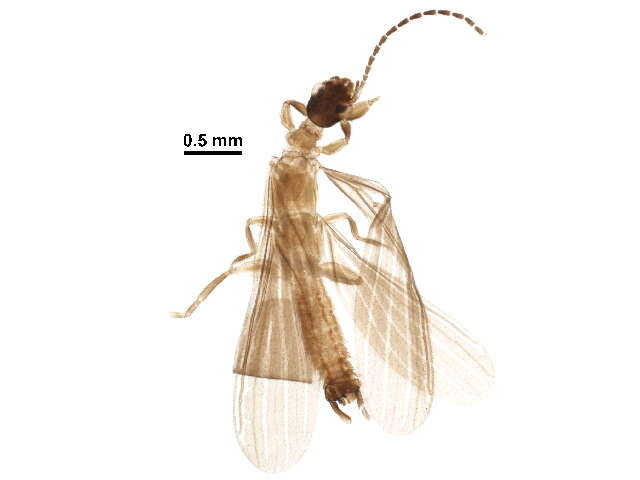
Anisembiidae
Anisembiidae is a family of insects in the order Embioptera, the web-spinners. The family is divided into several subfamilies. It is the largest family of webspinners.

Elenchidae
The Elenchidae are an insect family in the order Strepsiptera.

Caeciliusidae
Caeciliusidae is a family of Psocodea (formerly Psocoptera) belonging to the suborder Psocomorpha. The family was once named Caeciliidae, but the latter name was changed because of homonymy with the amphibian family Caeciliidae. The subfamily Paracaeciliinae was formerly in Caeciliusidae, but it has been elevated to family rank, Paracaeciliidae.

Hoplopleuridae
Hoplopleuridae is a family of lice in the order Psocodea. There are about 6 genera and more than 150 described species in Hoplopleuridae.
thumb|Schizophthirus pleurophaeus

Oligotomidae
Oligotomidae is a family of webspinners in the order Embioptera. There are about 6 genera and at least 40 described species in Oligotomidae.

Polymitarcyidae
Polymitarcyidae is a family of pale burrower mayflies in the order Ephemeroptera. There are about 10 genera and more than 90 described species in Polymitarcyidae.
Leptohyphidae
Leptohyphidae is a family of mayflies with some 140 described species in 12 genera.
Eomeropidae
Eomeropidae is a family of aberrant, flattened scorpionflies represented today by only a single living species, Notiothauma reedi, known from the Nothofagus forests in southern Chile, while all other recognized genera in the family are known only as fossils, with the earliest definitive fossil known from Liassic-aged strata, and the youngest from Paleogene-aged strata.
Teratembiidae
Teratembiidae is a family of insects in the order Embioptera, the web-spinners. They are distributed in the Nearctic, Neotropical and Afrotropical realms.
Corioxenidae
The Corioxenidae are an insect family of the order Strepsiptera. Species in this family are parasites of heteropteran bugs including the Pentatomidae, Scutelleridae, Cydnidae, Coreidae, and Lygaeidae. The males lack mandibles. Three subfamilies within this family are recognized. The subfamilies are separated using the morphology of the males, particularly on the basis of the number of tarsi and the presence of tarsal claws.
Boopiidae
Boopiidae is a family of lice in the order Psocodea. There are about 8 genera and more than 50 described species in Boopiidae.
Ischnopsyllidae
Ischnopsyllidae (Sometimes called a bat flea) is a family of fleas belonging to the order Siphonaptera. They have primarily parasitized bats, and have evolved to live in the fur of various bat species.
Australembiidae
Australembiidae is a family of webspinners in the order Embioptera. There is at least one genus, Metoligotoma, in the family Australembiidae. In this family, both males and females in all species are wingless.
Enderleinellidae
Enderleinellidae is a family of parasitic lice in the order Psocodea. There are 5 genera and more than 50 described species in Enderleinellidae.
Leptopsyllidae
Leptopsyllidae is a family of fleas in the order Siphonaptera. There are at least 30 genera and 250 described species in Leptopsyllidae.
Embiidae
Embiidae is a family of webspinners in the order Embioptera. There are more than 20 genera and 80 described species in Embiidae.

Gyropidae
Gyropidae is a family of lice in the order Psocodea. There are about 9 genera and more than 90 described species in Gyropidae.

Stephanocircidae
Stephanocircidae is a family of fleas native to South America and Australia, where they are found on rodents.

Ricinidae
The Ricinidae are a family of a larger group Amblycera of the chewing lice. All species are relatively large bodied (relative to host size) avian ectoparasites. They typically exhibit low prevalence (proportion of infested hosts) and low intensity (number of parasites per infested hosts). They feed on host blood which is atypical in chewing lice. Two or three genera are recognized. They exhibit strongly female-biased sex-ratios, especially in low-intensity infestations.

Euthyplociidae
Euthyplociidae is a family of mayflies in the order Ephemeroptera. There are approximately 7 genera and more than 20 described species in Euthyplociidae.