Category
page 1Insect superfamilies

Acridoidea
thumb|Teratodes monticollis
Acridoidea is the largest superfamily of grasshoppers in the order Orthoptera with over 11,000 species found on every continent except Antarctica.

Grylloidea
Grylloidea is the superfamily of insects, in the order Orthoptera, known as crickets. It includes the "true crickets", scaly crickets, wood crickets and many other subfamilies, now placed in six extant families; some genera are only known from fossils.

Coenagrionoidea
Coenagrionoidea is a superfamily of closed wing damselflies of the order Odonata found worldwide.
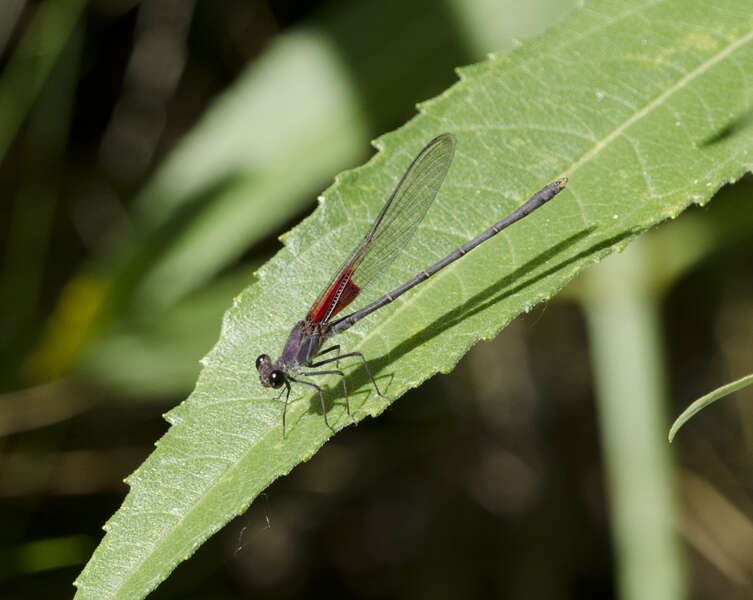
Calopterygoidea
Calopterygoidea is a superfamily of damselflies in the order Odonata.
Libelluloidea
Libelluloidea is a superfamily of dragonflies. It contains 13 families:

Stenopelmatoidea
Stenopelmatoidea is a superfamily of insects in the order Orthoptera; in some older classifications this group was referred to as Gryllacridoidea.
Tridactyloidea
Tridactyloidea is a superfamily in the order Orthoptera. The insects are sometimes known as pygmy mole crickets but they are Caelifera (relatives of grasshoppers) and not members of the mole cricket suborder Ensifera, unlike the true mole crickets, the Gryllotalpidae. It is composed of three families that contain a total of about 50 species. Insects in this superfamily can be 4 to 9 millimeters in length and generally have short antennae and long wings. They live along the banks of bodies of water in tropical areas and are good swimmers and jumpers. Fossils of this subfamily have been found in
Enicocephalomorpha
Enicocephaloidea is a sole superfamily within the infraorder Enicocephalomorpha of the hemipteran suborder Heteroptera ("true bugs"). The group was formerly thought to be related to the Reduviidae because of similarities in head structure but they are now considered different enough from other Heteroptera to constitute a separate infraorder and represents a sister group of the Leptopodomorpha. They are predaceous and some species are known to swarm but little is known of their life history. A few species of enicocephalids are known to shed their wings before entering the surface of subsoil.
Aeshnoidea
Aeshnoidea is a superfamily of dragonflies that contains two extant families, Aeshnidae and Austropetaliidae.
Eumastacoidea
Eumastacoidea is a superfamily within the order Orthoptera, suborder Caelifera. The family has a mainly tropical distribution and has sometimes been called "monkey grasshoppers".
Blattoidea
upright| thumb|Pacific Coast Dampwood Termite, Zootermopsis angusticollis
Corydioidea
Corydioidea is a superfamily of insects in the order Blattodea. It contains two extant families, Corydiidae and Nocticolidae, comprising about fifty genera and two hundred and fifty species, along with the extinct families Liberiblattinidae and Manipulatoridae. Members of this superfamily are found worldwide, mostly in hot, arid habitats.
Trigonopterygoidea
The Trigonopterygoidea are an insect superfamily in the Orthoptera: Caelifera. Sometimes described as leaf grasshoppers, American species in the Xyronotidae have also been called razor-backed bush-hoppers.
Limnephiloidea
Limnephiloidea is a superfamily of Trichoptera caddisflies.
Lestoidea
superfamily of damselflies
Heptagenioidea
Heptagenioidea is a superfamily of mayflies. Members of this superfamily are found in most parts of the world apart from the Arctic and Antarctic, with Heptageniidae being the most widely distributed family.
Phryganeoidea
Phryganeoidea, the giant caddisfly superfamily, may be paraphyletic with Limnephiloidea.
Sericostomatoidea
Sericostomatoidea is a superfamily in the order Trichoptera, the caddisflies.
Leptoceroidea
Leptoceroidea is a superfamily of caddisflies.
Caenoidea
Caenoidea is a superfamily of mayflies in the suborder Pannota. Members of this superfamily can be distinguished from those of Ephemerelloidea by the fact that the gills of the nymphs are filamentous.
Baetoidea
Baetoidea is a superfamily of mayflies, which probably includes the most primitive living species.
Hydropsychoidea
Hydropsychoidea is a superfamily of caddisflies.
Ephemerelloidea
Ephemerelloidea is a superfamily of mayflies in the suborder Pannota. It is a basal group of mayflies with a worldwide distribution. Members of this super-family can be distinguished from those of Caenoidea by the fact that the gills of the nymphs are not filamentous.
Philopotamoidea
Philopotamoidea is a paraphyletic superfamily of caddisflies, containing two families: the Philopotamidae, and the Stenopsychidae.
Cordulegastroidea
Cordulegastroidea is a superfamily of dragonflies that contains three families.
Hagloidea
The superfamily Hagloidea are insects belonging to the order Orthoptera: Ensifera; they are now represented by the extant Prophalangopsidae, with many extinct genera and families (see below). The group in its broad sense has been suggested to be paraphyletic and ancestral to all other members of Tettigoniidea.
Rhyacophiloidea
"Rhyacophiloidea" may also be the name of the entire "Spicipalpia", when these are treated as a superfamily inside the Annulipalpia.