Category
page 1Iridoviridae
Iridoviridae
Iridoviridae is a family of viruses with double-stranded DNA genomes. Amphibians, fish, and invertebrates such as arthropods serve as natural hosts. There are currently 23 species in this family, divided among two subfamilies and eight genera.

Ranavirus
thumb|Transmission electron micrograph of a cell infected with ranaviruses, which gather in the cytoplasm and in the assembly bodies next to the contorted nucleus.
Iridovirus
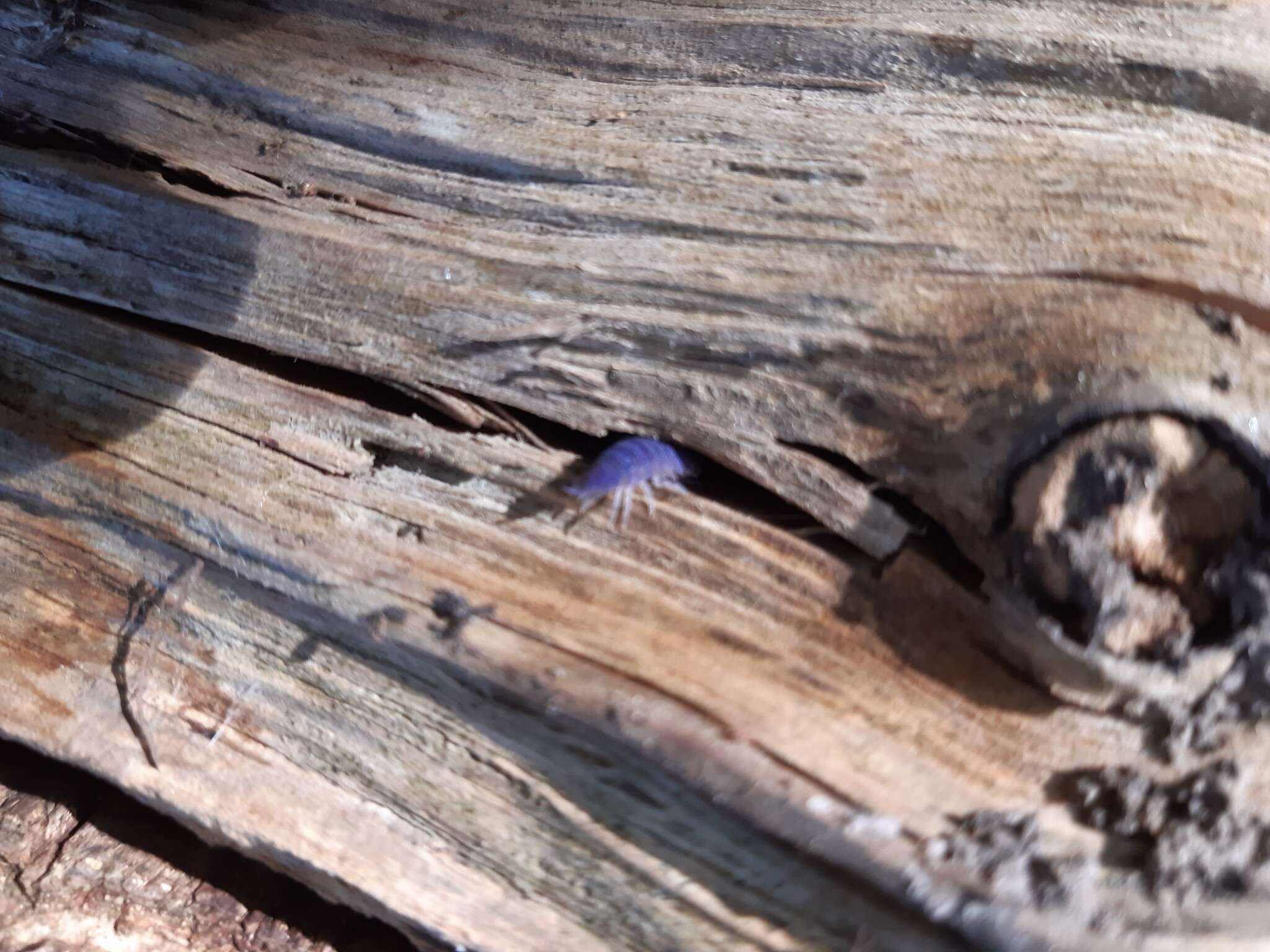
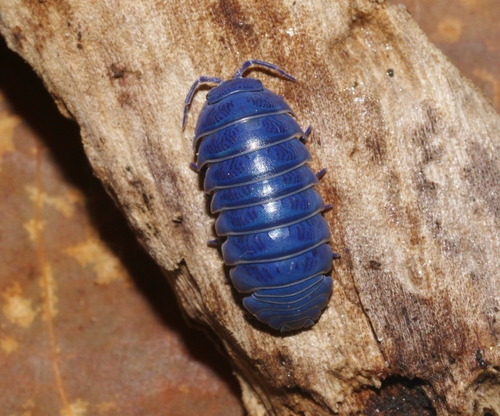
Iridovirus is a genus of viruses in the family Iridoviridae. Arthropods serve as natural hosts. Currently, only two species are placed in this genus. Invertebrate iridescent virus 6 (IIV-6) was recognised as the type species until such a designation was abolished. IIV-6 is hosted by mosquitos and usually causes covert (inapparent) infection that reduces fitness. The other species Invertebrate iridescent virus 31 (IIV-31) is hosted by isopods and causes patent (apparent) infection characterised by blue to bluish-purple iridescence and a shortened lifespan.
Lymphocystivirus
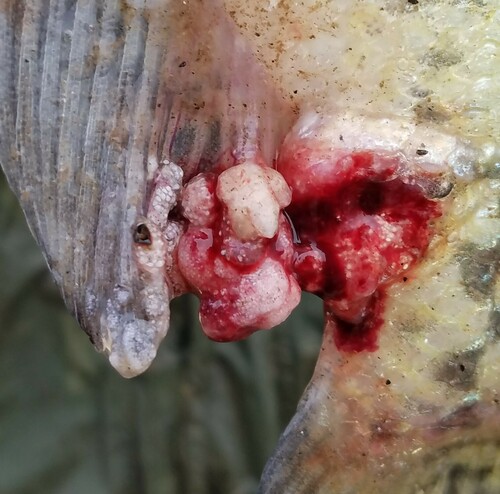
Lymphocystivirus is a genus of viruses, in the family Iridoviridae. Fish serve as natural hosts. There are four species in this genus. Diseases associated with this genus include: tumor-like growths on the skin.