Category
page 1Irish folklore
Halloween
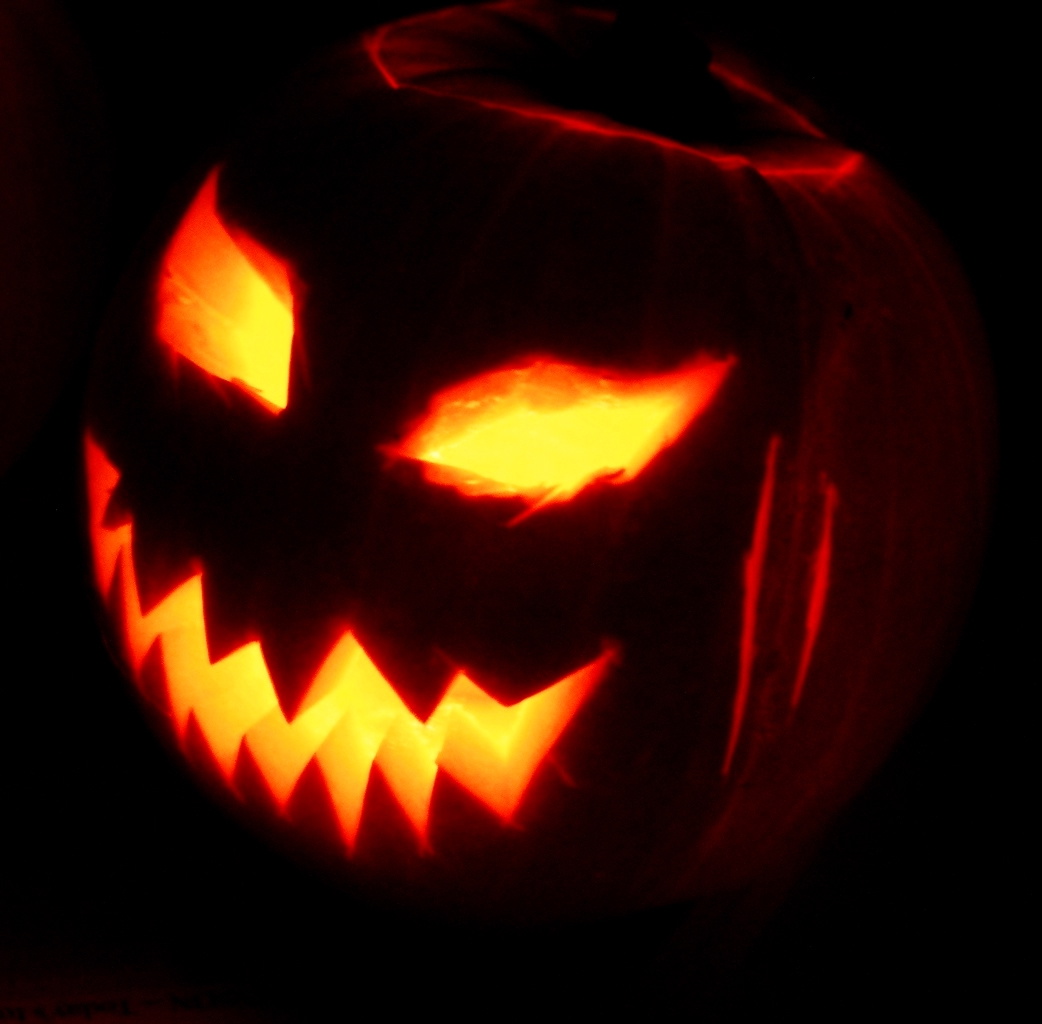
Halloween is a celebration observed in many countries on 31 October, the eve of the Western Christian feast of All Hallows' Day. It is at the beginning of the observance of Allhallowtide, the time in the Christian liturgical year dedicated to remembering the dead, including saints (hallows), martyrs, and all the faithful departed. In popular culture, Halloween has become a celebration of horror and is associated with the macabre and the supernatural.
Saint Patrick's Day
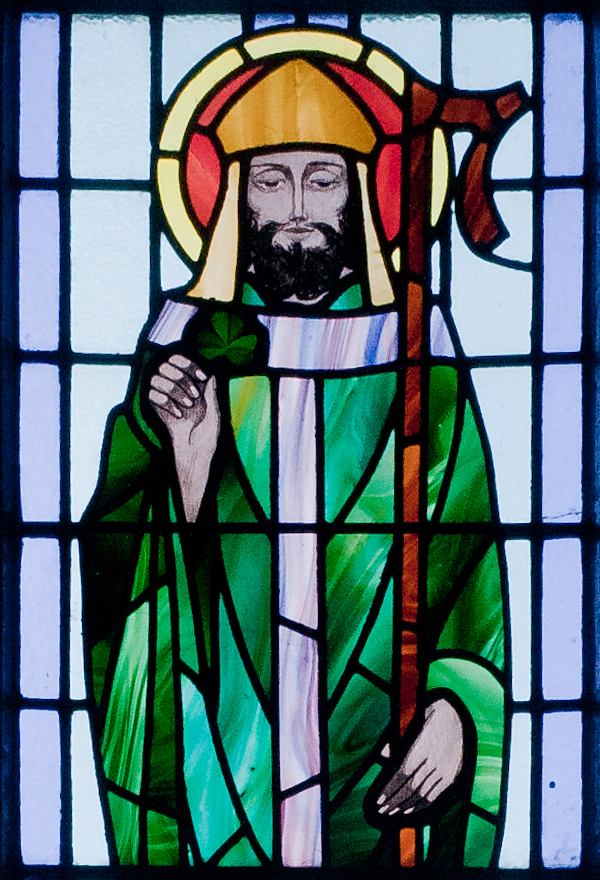
Saint Patrick's Day, or the Feast of Saint Patrick, is a religious and cultural holiday held on 17 March, the traditional death date of Saint Patrick, the foremost patron saint of Ireland.

banshee
thumb|Bunworth Banshee, Fairy Legends and Traditions of the South of Ireland, by [[Thomas Crofton Croker, 1825|300x300px]]

Beltane
Beltane ( ) or Bealtaine () is the Gaelic May Day festival, marking the beginning of summer. It is traditionally held on 1 May, or about midway between the spring equinox and summer solstice.

Grace O'Malley
pirate Queen of Umaill, chieftain of the Ó Máille clan

shamrock
thumb|A wood sorrel, often called a shamrock, especially in the United States

Fomorians
thumb|307x307px|The Fomorians, as depicted by John Duncan (painter)|John Duncan (1912)
Croagh Patrick
mountain in County Mayo, Ireland

The Happy Prince and Other Tales
1888 collection of fairytales by Oscar Wilde
Aos Sí
supernatural race in Irish and Scottish mythology
Blarney Stone
Carboniferous limestone in Blarney Castle, Ireland, associated with the legend that kissing it endows one with the skill of speaking eloquently
sheela na gig
sculpture motif
selkie

A House of Pomegranates
collection of fairy tales by Oscar Wilde
Fairy%20Legends%20p0239-dullahan.jpg)
Dullahan
thumb|300px|Dullahan, the headless horseman
Ábartach
In Irish mythology, Abarta (also Ábartach, possibly meaning "doer of deeds"), was in some accounts one of the Tuatha Dé Danann and in others a Fomorian, and is associated with Fionn mac Cumhaill.

Clíodhna
thumb|upright|Illustration of Clíodhna in R.D. Joyce's Ballads of Irish Chivalry (1872)
In Irish mythology, Clíodhna (Clídna, Clionadh, Clíodna, Clíona, transliterated to Cleena in English) is a Queen of the Banshees of the Tuatha Dé Danann. Clíodna of Carrigcleena is the potent banshee that rules as queen over the sióga (fairies) of South Munster, or Desmond.
Cat Sìth
The ' (, plural ), in Irish ' (), is a fairy creature from Celtic mythology, said to resemble a large black cat with a white spot on its chest that walks on its hind legs. Legend has it that the spectral cat haunts the Scottish Highlands. The legends surrounding this creature are more common in Scottish folklore, but a few occur in Irish. Some common folklore suggested that the was not a fairy, but a witch that could transform into a cat nine times.
Each-uisge
The each-uisge (, literally "water horse") is a water spirit in Irish and Scottish folklore, spelled as the each-uisce (anglicized as aughisky or ech-ushkya) in Ireland and cabbyl-ushtey on the Isle of Man. It usually takes the form of a horse, and is similar to the kelpie but far more vicious.

Clurichaun
thumb|upright=1.2|A representation of a Clurichaun in Thomas Crofton Croker|T. C. Croker's Fairy Legends and Traditions of the South of Ireland

Púca
thumb|Depiction of the Pwca in Wirt Sikes's book British Goblins: Welsh Folk-lore, Fairy Mythology, Legends and Traditions, 1880

shillelagh
thumb|right|Assorted shillelaghs
A shillelagh ( ; or , 'thonged willow') is a wooden walking stick and club or cudgel, typically made from a stout knotty blackthorn stick with a large knob at the top. It is associated with Ireland and Irish folklore.
Dobhar-chú
The Dobhar-chú (; ), or King otter, is a creature of Irish and Scottish folklore. It resembles both a dog and an otter, though it sometimes is described as half dog, half fish. It lives in water and has fur with protective properties. There are little to no written records of the Dobhar-Chú since its legend has relied heavily on oral storytelling and tradition.
Leanan sídhe
spirit figure in Irish folklore
Am Fear Liath Mòr
Purported Scottish mountain phenomenon
merrow
thumb|240px|right|Irish mermaid (bas-relief, Clonfert Cathedral).
thumb|Carving of mermaid (possibly with mirror), Clontuskert Abbey
Merrow (from Irish ', Middle Irish ' or '''') is a mermaid or merman in Irish folklore. The term is anglicised from the Irish word murúch.
fachan
thumb|"Direach Ghlinn Eiti, or Fachan" as illustrated by J. F. Campbell
In Scottish folklore, the fachan (or fachin, fachen, Direach Ghlinn Eitidh or Dithreach (dwarf of Glen Etive)) is a monster or giant described by John Francis Campbell in Popular Tales of the West Highlands as having a single eye in the middle of its face, a single hand protruding from its chest instead of arms, and a single leg emerging from its central axis. It has a single tuft of hair on the top of its head, regarding which Campbell says "it were easier to take a mountain from the root than to bend that tuft." Campbell
Far darrig
faerie of Irish mythology
Wren Day
Celtic celebration held on 26 December, St. Stephen's Day
Bean nighe
The '''''' (Scottish Gaelic for 'washerwoman' or 'laundress'; ) is a female spirit in Scottish folklore, regarded as an omen of death and a messenger from the Otherworld. She is a type of (, anglicized as "banshee") that haunts desolate streams and washes the clothing of those who are about to die. is the French word under which these "night washerwomen" are perhaps best known. She is also called , 'the little washer', , 'little washer of the ford', or , 'little washer of the sorrow'.
Loftus Hall
haunted mansion in Ireland
Oilliphéist
The Oilliphéist (, ) is a sea serpent or dragon-like monster in Irish mythology and folklore.
National Leprechaun Museum
folk museum in Dublin
Cù Sìth
The cù-sìth(e) (), plural coin-shìth(e) () is a mythical hound found in Irish folklore and Scottish folklore. In Irish folklore it is spelled cú sídhe, and it also bears some resemblance to the Welsh Cŵn Annwn.
The Brown Bear of Norway
Irish fairy tale
Black Irish
Irish people with dark hair
John Kelly
leader in the Irish Rebellion of 1798 (d.1798)
Buggane
thumb|TIM MVLREA AND THE BUGGANE(The Phynodderree, and other legends of the Isle of Man (1882))
In Manx folklore, a (or boagane) was a huge ogre-like creature native to the Isle of Man. Some have considered them akin to the Scandinavian troll.
Cnoc Meadha
hill west of Tuam, County Galway, Ireland.
Saint Derchairthinn
Saint Derchairthinn or Tarcairteann (fl 6th century) is venerated as a prioress and saint of the monastery of Oughter Ard in Ardclough, County Kildare. Her feast day is 8 March.
Corleck Head
early Iron Age carved stone head from Ireland
The Thirteenth Son of the King of Erin
Irish fairy tale
The Remarkable Rocket
fable by Oscar Wilde
Sluagh
The Sluagh (, ; ; English: 'host, army, crowd'), or Sluagh na marbh ('host of the dead'), were the hosts of the unforgiven dead in Irish and Scottish folklore. In the words of British folklorist Lewis Spence, "In the Western Isles of Scotland the Sluagh, or fairy host, was regarded as composed of the souls of the dead flying through the air, and the feast of the dead at Hallowe'en was likewise the festival of the fairies." Usually taking a crescent form, similar to a flight of grey birds, they were said to be able to approach and pick up a person from any direction and then transport them far
Fuath
thumb|280px|A "fua" of the river grabs hold of The King of Ireland's Son.
Gancanagh
A gancanagh () () is a male fairy from the mythology of Ireland, known for seducing women.
Glaistig
The glaistig is a ghost from Scottish mythology, a type of fuath. It is also known as — the Green Maiden — and may appear as a woman of beauty or monstrous mien, as a half-woman and half-goat similar to a faun or satyr, or in the shape of a goat. The lower goat half of her hybrid form is usually disguised by a long, flowing green robe or dress, and the woman often appears grey with long yellow hair. This appearance may have been influenced by, or influenced, the closely related Norse folklore of "hidden-folk", or , across Scandinavia — along with the Faeroe Isles and — being beautiful women us