Category
page 1Italian city-states

Republic of Venice
former state (697–1797) controlling, at various times, parts of northeastern Italy, the Balkans, and Mediterranean islands

Republic of Genoa
medieval and early modern maritime republic from (1005-1797)
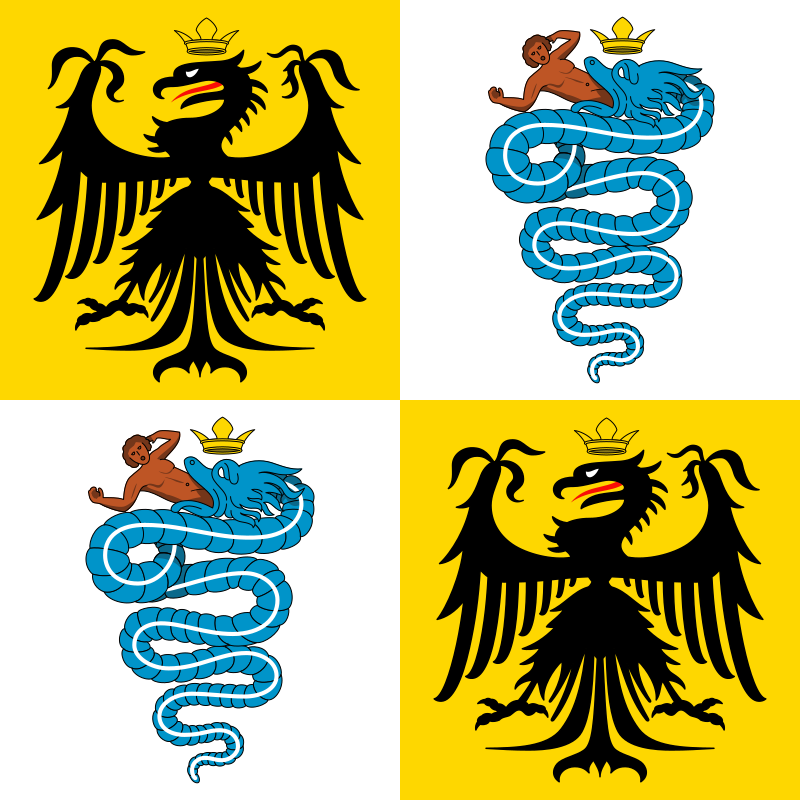
Duchy of Milan
former duchy in Italy (1395–1447; 1450–1796)
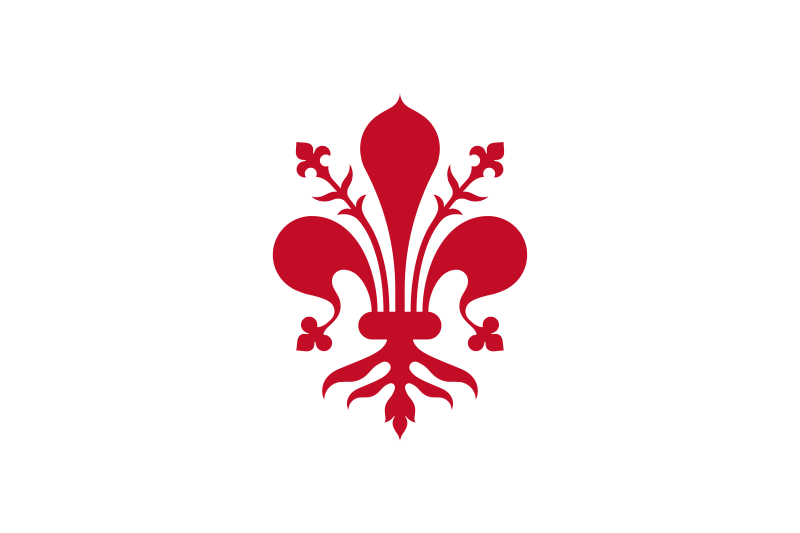
Republic of Florence
city-state on the Appenine Peninsula between 1115–1532/69

Duchy of Parma and Piacenza
former Italian state (1545–1802; 1814–1859)

Republic of Pisa
de facto independent state centered on the Tuscan city of Pisa from the late 10th to 15th centuries
Duchy of Florence
(1532-1569) former Italian principality centred on the city of Florence

podestà
thumb|235px|The Palace of the in Florence, now the [[Bargello museum]]
' (), also potestate or podesta' in English, was the name given to the holder of the highest civil office in the government of the cities of central and northern Italy during the Late Middle Ages. Sometimes, it meant the chief magistrate of a city-state, the counterpart to similar positions in other cities that went by other names, e.g. ('rectors').
Duchy of Mantua
duchy subject to the Holy Roman Empire
Duchy of Urbino
former Italian state (1213–1625)
Duchy of Ferrara
former country
Republic of Siena
former republic on the Italian peninsula between 1125 and 1555
Republic of Lucca
historical city-state in Italy

signoria
thumbnail|Palazzo Vecchio, the former seat of the Signoria of [[Florence]]
A signoria () was the governing authority in many of the Italian city-states during the Medieval and Renaissance periods.
The word signoria comes from signore (), or "lord", an abstract noun meaning (roughly) "government", "governing authority", de facto "sovereignty", "lordship"; : signorie.

Gonfaloniere
thumb|Gonfalonier from the Republic of Florence by Paul Lormier (1813–1895)
The Gonfalonier (Italian: Gonfaloniere) was the holder of a highly prestigious communal office in medieval and Renaissance Italy, notably in Florence and the Papal States. The name derives from gonfalone (English: "gonfalon"), the term used for the banners of such communes.
Republic of Cospaia
small independent Italian state (1440–1826)
Neapolitan Republic
French protectorate within the Kingdom of Naples (1647–1648)
capitano del popolo
position
Italian city-state
one of the small independent states between the 9th and 15th centuries

carroccio
thumb|The carroccio of Milan on an ancient miniature
A carroccio (; ) was a large four-wheeled wagon bearing the city signs around which the militia of the medieval communes gathered and fought. It was particularly common among the Lombard, Tuscan and, more generally, northern Italian municipalities. Later its use spread even outside Italy. It was the symbol of municipal autonomy. Priests celebrated Mass at the altar before the battle, and the trumpeters beside them encouraged the fighters to the fray.
Marquisate of Finale
Italian state (967–1797)
Commune of Rome
attempt to re-establish a republican form of government in Rome during the 12th century
Republic of Sassari
Italian state in Sardinia (1259–1323)
Republic of Massa
Independent state existed from 1225 to 1336