Category
page 1Ixodidae

Ixodidae
The Ixodidae are the family of hard ticks or scale ticks, one of the three families of ticks, consisting of 750 species, . They are known as 'hard ticks' because they have a scutum or hard shield, which the other major family of ticks, the 'soft ticks' (Argasidae), lack. They are ectoparasites of a wide range of host species, and some are vectors of pathogens that can cause human disease.
.jpg)
Ixodes
thumb|Ixodes hexagonus
thumb|Ixodes pacificus
thumb|Ixodes ricinus
thumb|Ixodes scapularis
thumb|Ixodes uriae

Amblyomma
Amblyomma, also known as the Bont Ticks, are a genus of hard ticks. Some are disease vectors, such as of Rocky Mountain spotted fever in United States or ehrlichiosis in Brazil.

Rhipicephalus sanguineus
species of hard ticks

Hyalomma marginatum
species of arachnid

Hyalomma
Hyalomma is a genus of hard-bodied ticks common in Asia, Europe, and North Africa. They are also found in Southern Africa. The name is derived from Greek: Hyalos (ὕαλος) crystal, glass; and omma (oμμα) eye. The genus is believed to have originated in Iran or Central Asia, and then spread further into Asia, including the Middle East, and to southern Europe and Africa.

Rhipicephalus
Rhipicephalus is a genus of hard ticks in the family Ixodidae, consisting of about 90 species. While many species are native to tropical Africa, the genus is cosmopolitan, being found across the world. Several species are vectors of significant human and animal pathogens.

Dermacentor variabilis
species of arachnid

Dermacentor
Dermacentor is a genus of ticks in the family Ixodidae, the hard ticks. The genus has a cosmopolitan distribution, with native species on all continents except Australia.

Haemaphysalis
Haemaphysalis is a genus of hard ticks. It is the second largest genus in the family Ixodidae, after Ixodes, and the largest genus of the Metastriata. Haemaphysalis ticks are found on all continents and across all major zoogeographical regions, except Antarctica, although most species are found in the Oriental and Afrotropical regions. Approximately 80% of the species are present in Asia and Africa, with significantly less species diversity in Europe and the Americas. Haemaphysalis species primarily parasitise birds and mammals.

Rhipicephalus microplus
species of arachnid

Dermacentor reticulatus
species of arachnid

Haemaphysalis longicornis
species of arachnid

Haemaphysalis concinna
species of arachnid

Hyalomma dromedarii
species of arachnid

Dermacentor andersoni
species of arachnid
Margaropus
Margaropus is a genus of ticks. Found in Africa, the genus is known best from Giraffidae.
Cosmiomma hippopotamensis
species of arachnid
Rhipicentor
Rhipicentor is an African genus of hard ticks. The genus parasitises a range of domestic and sylvatic Carnivora and Mammalia hosts. The genus forms part of the Rhipicephalinae subfamily, along with Dermacentor, Margaropus, Rhipicephalus, Hyalomma and Nosomma. There are no records of Rhipicentor human parasitism, but R. nuttalli can cause tick paralysis in dogs.
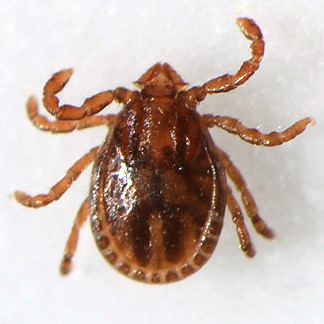
Haemaphysalis leporispalustris
species of arachnid
Rhipicephalus appendiculatus
species of hard ticks

Rhipicephalus haemaphysaloides
species of arachnid
Anomalohimalaya
Anomalohimalaya is a genus of hard ticks in the family Ixodidae. It contains three known species.
Haemaphysalis hystricis
species of arachnid

Dermacentor circumguttatus
species of arachnid
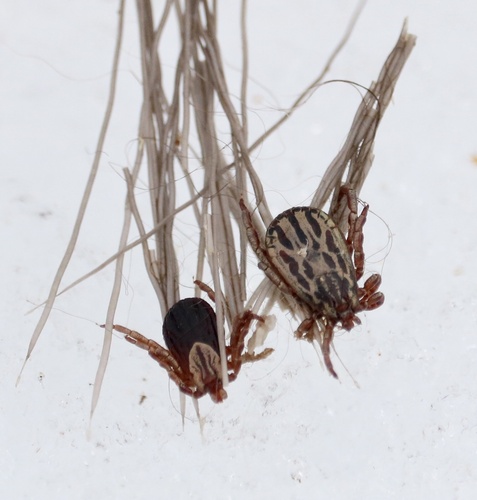
Dermacentor albipictus
species of arachnid
Haemaphysalis spinigera
species of arachnid
Hyalomma truncatum
species of arachnid

Rhipicephalus annulatus
species of arachnid
Dermacentor auratus
species of arachnid
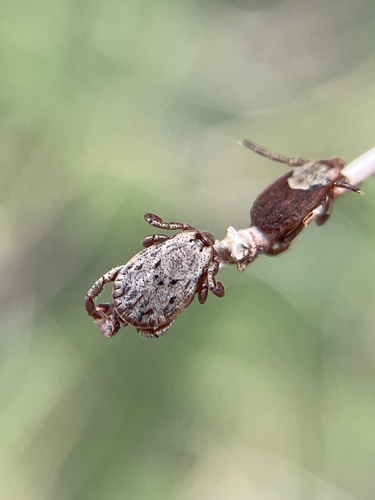
Dermacentor occidentalis
species of arachnid
Haemaphysalis minuta
species of arachnid
Bothriocroton
Bothriocroton is a genus of hard ticks. There are seven extant member species, native to Australia and New Guinea. Bothriocroton species typically parasitise monotremes, marsupials, and reptiles.
Bothriocroton auruginans
species of arachnid
Bothriocroton undatum
species of arachnid
Bothriocroton hydrosauri
Australian tick species
Haemaphysalis luzonensis
species of arachnid
Haemaphysalis aculeata
species of arachnid
Haemaphysalis turturis
species of arachnid
Haemaphysalis anomala
species of arachnid
Haemaphysalis cuspidata
species of arachnid
Haemaphysalis kyasanurensis
species of arachnid
Haemaphysalis intermedia
species of arachnid
Haemaphysalis hispanica
species of arachnid

Haemaphysalis bispinosa
species of arachnid
Haemaphysalis pentalagi
species of arachnid
Bothriocroton concolor
species of arachnid
Rhipicentor bicornis
species of arachnid
Rhipicentor nuttalli
species of arachnid
Bothriocroton glebopalma
species of arachnid
Haemaphysalis pospelovashtromae
species of arachnid
Rhipicephalus gertrudae
species of arachnid
Margaropus reidi
species of arachnid
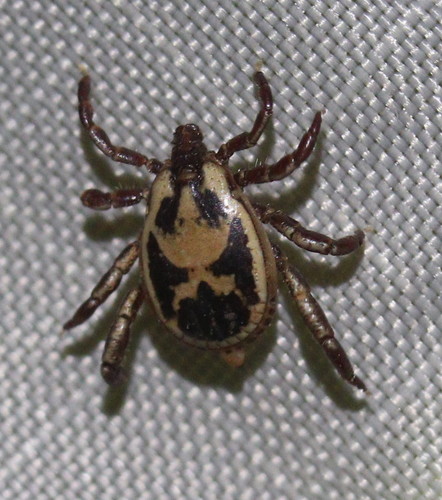
Rhipicephalus pulchellus
species of arachnid
Cosmiomma
Cosmiomma is a genus of ticks first discovered by Paul Schulze in 1919. It is monospecific, being represented by the single species Cosmiomma hippopotamensis. It was first described in 1843 by Henry Denny from specimens collected from a hippopotamus in Southern Africa, and has been called "one of the most unusual, beautiful, and rare tick species known to the world."