Category
page 12Japan-exclusive video games

Sakura Sakura
2009 video game

Getter Love!!
1998 video game
IDOLM@STER SideM
Japanese media franchise
Bomberman B-Daman Bakugaiden Victory
Japanese manga series
Cutie Q
1979 video game
Binchō-tan
manga

Ripple Island
1988 video game
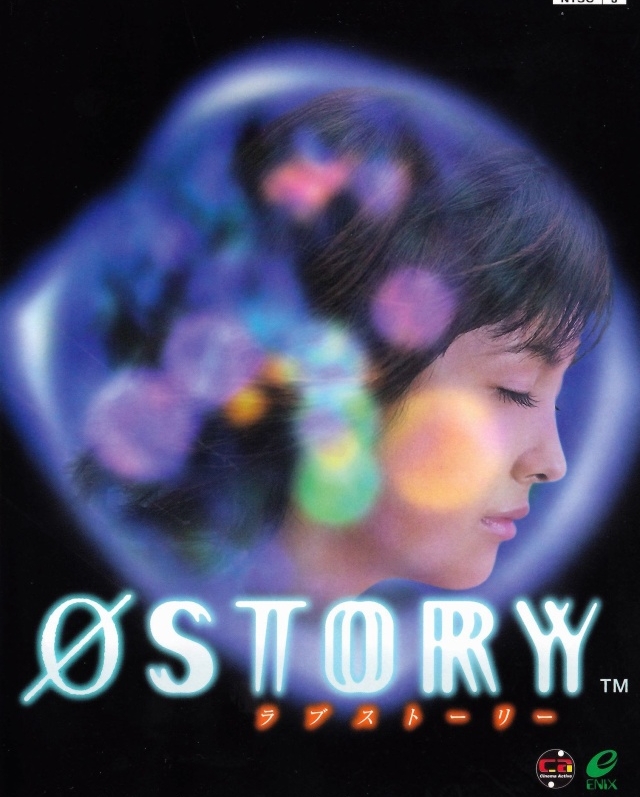
0 Story
2000 video game for PlayStation 2 by General Entertainment and Enix Corporation.
Sutte Hakkun
1998 video game
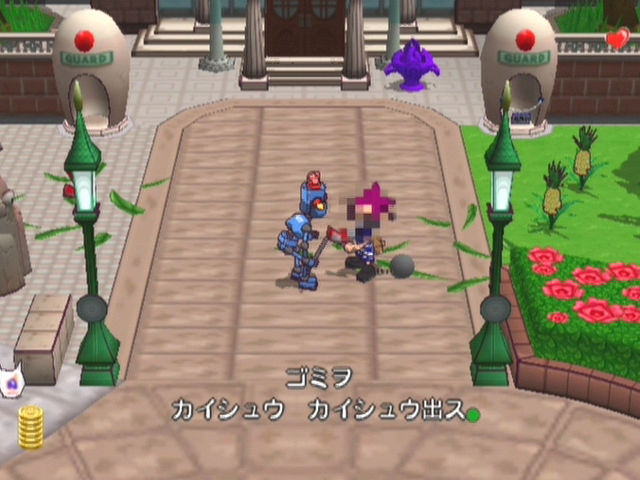
Giftpia
, stylized as GiFTPiA, is a video game, developed by Skip Ltd. for the GameCube. It was released in Japan on April 25, 2003. Nintendo cancelled the North American localization of Giftpia. In English, the game would most likely be better understood as called "Giftopia" to represent the two words, gift and utopia.
Koro Koro Puzzle Happy Panechu!
2002 video game
Trade & Battle: Card Hero
2000 video game
Paro Wars
1997 video game
Welcome to Pia Carrot
Japanese visual novel series
Beatmania IIDX 5th Style
2001 video game
Mickey no Tokyo Disneyland Daibōken
1994 video game
Ben Bero Beh
1984 video game
GioGio's Bizarre Adventure
2002 video game
Sweet Ange
1999 video game
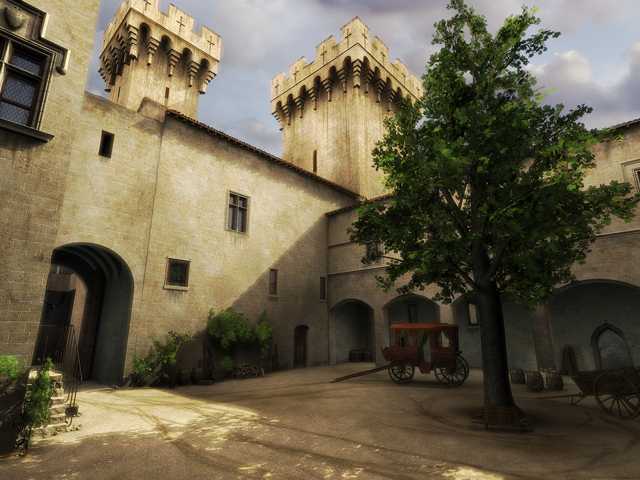
Nostradamus ni Kiite Miro
2008 video game

The Rumble Fish
2004 video game
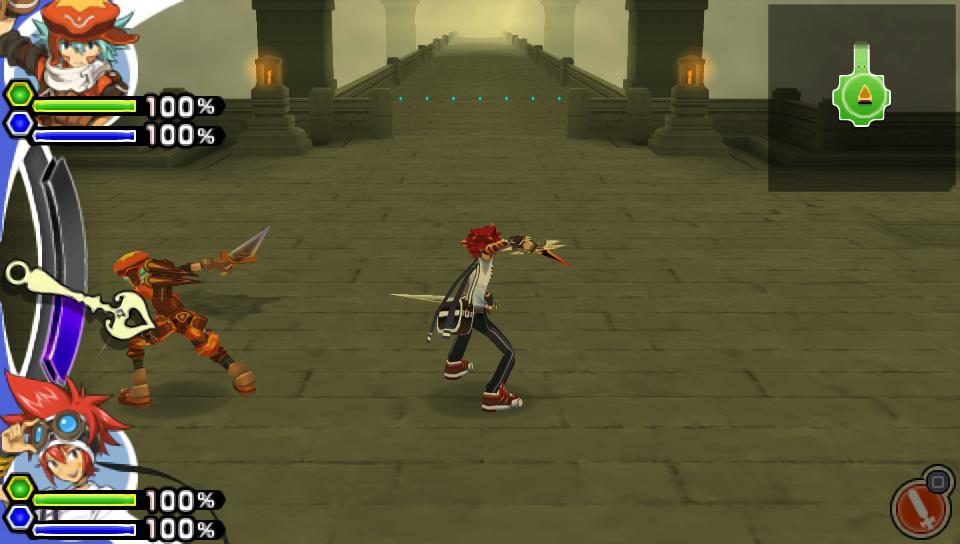
.hack//Link
.hack//Link is a single-player action role-playing game developed by CyberConnect2 for the . The game was released exclusively in Japan on March 4, 2010.

Sengoku Basara 4
2014 video game
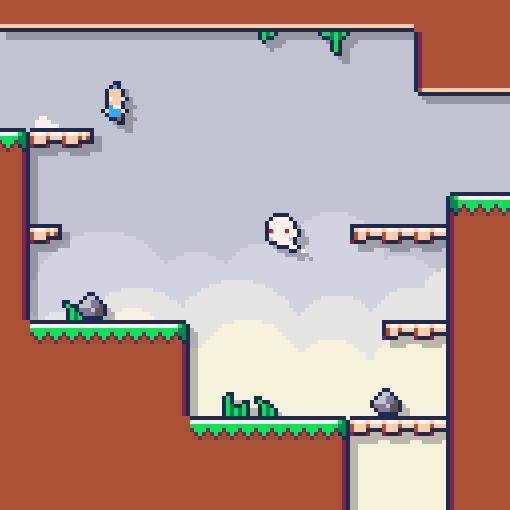
Gift
2005 video game

Rockman EXE 4.5 Real Operation
2004 video game
Bass Rush: ECOGEAR PowerWorm Championship
2000 video game

Ganbare Goemon: Tōkai Dōchū Ōedo Tengu ri Kaeshi no Maki
2005 video game
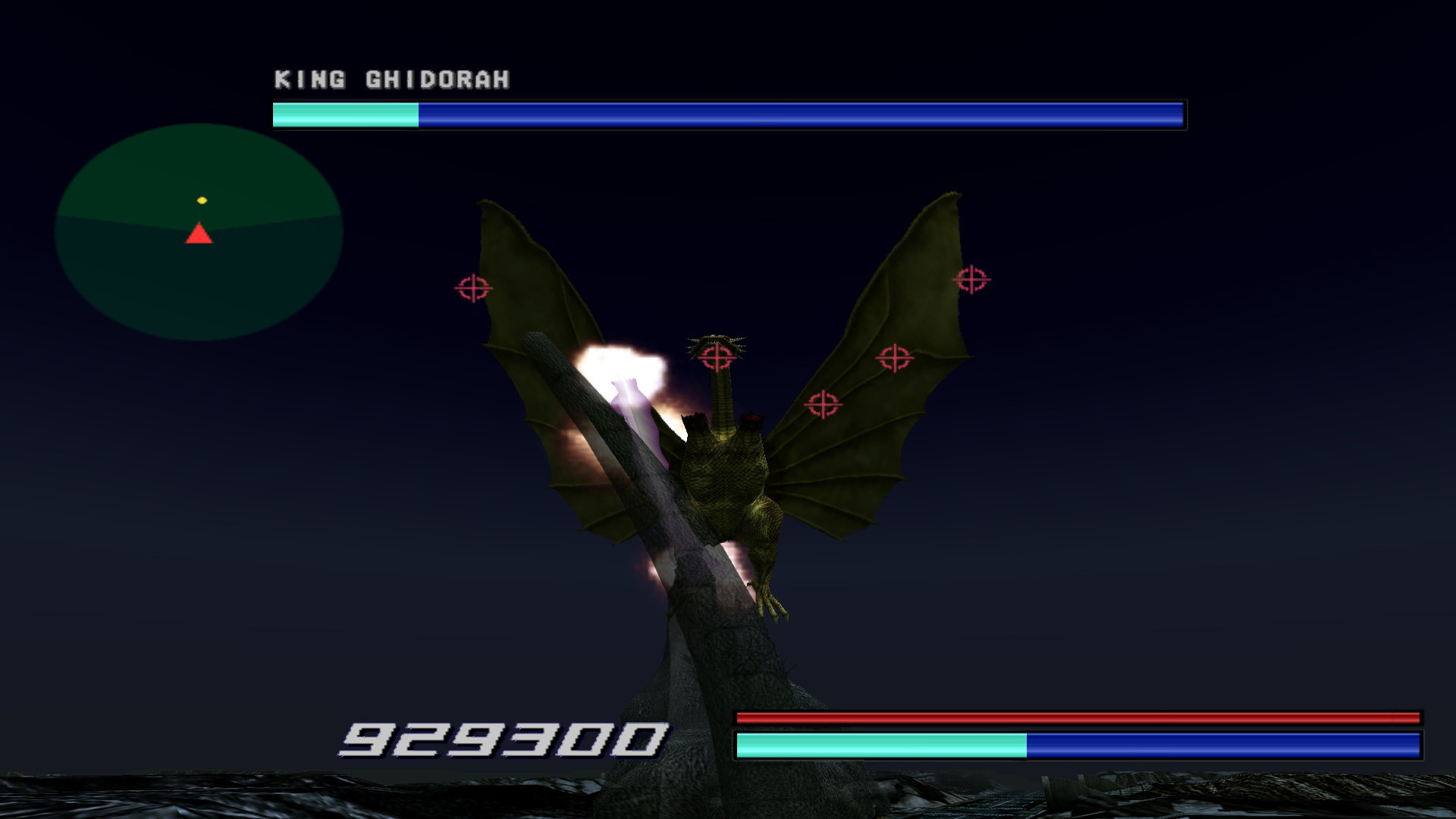
Godzilla Generations
1998 video game
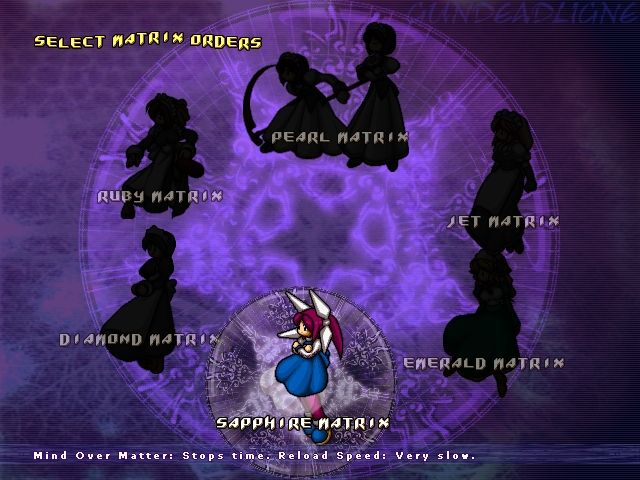
Undeadline
is a 1989 vertically scrolling shooter video game developed and originally published by T&E Soft for the MSX2 home computers. It was later ported to the X68000 and Mega Drive, published by Palsoft, followed by digital re-releases for Microsoft Windows. Both the MSX2 and X68000 versions also received physical re-releases by Japanese retailer BEEP. It follows a group of characters in rescue of queen Althea from Zidane, a kingdom surrounded by barriers connected with the demon world, whose monsters have overflowed it. Controlling either a fighter, wizard, or ninja, the player can choose from six
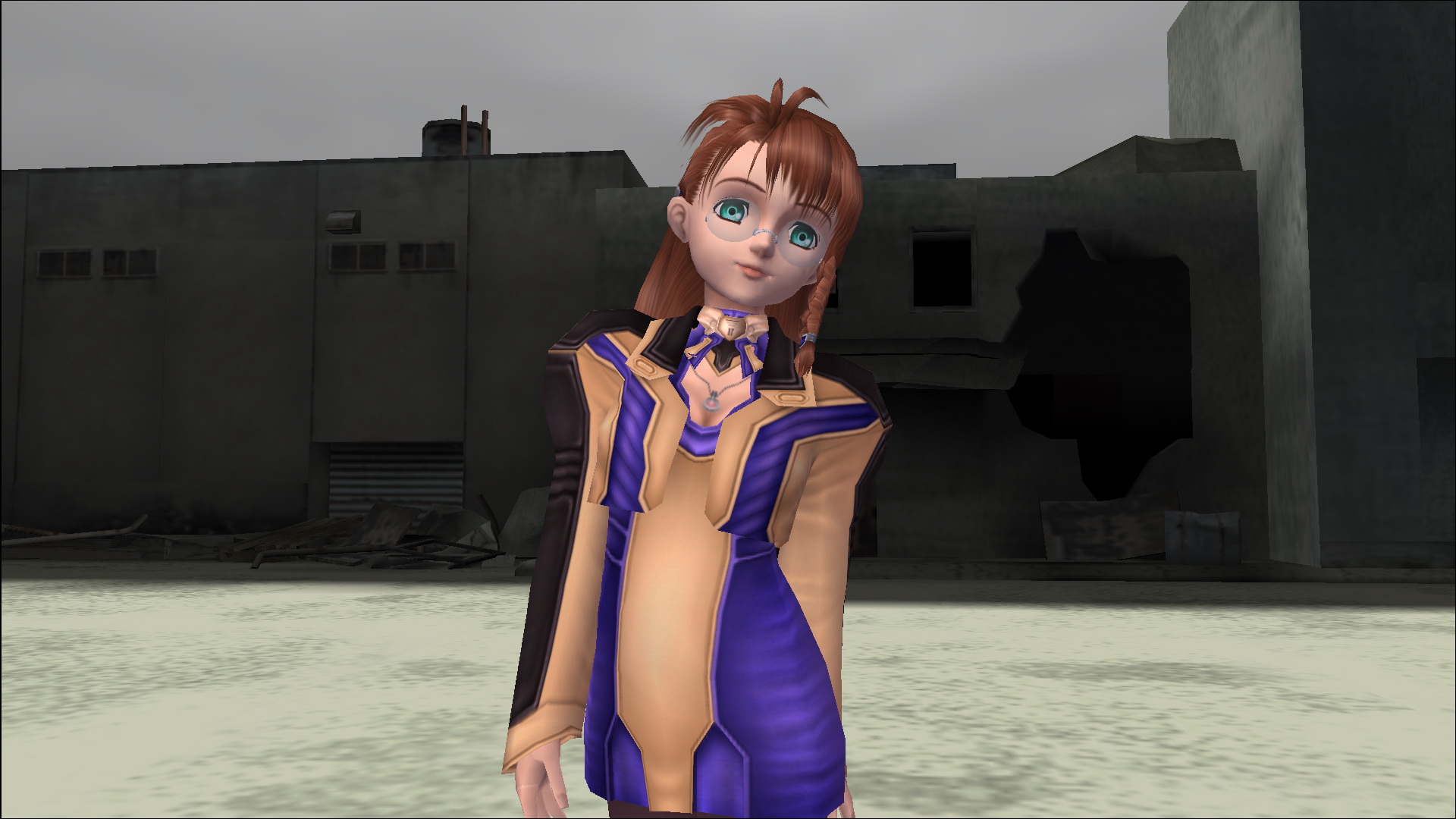
Xenosaga I & II
2006 video game
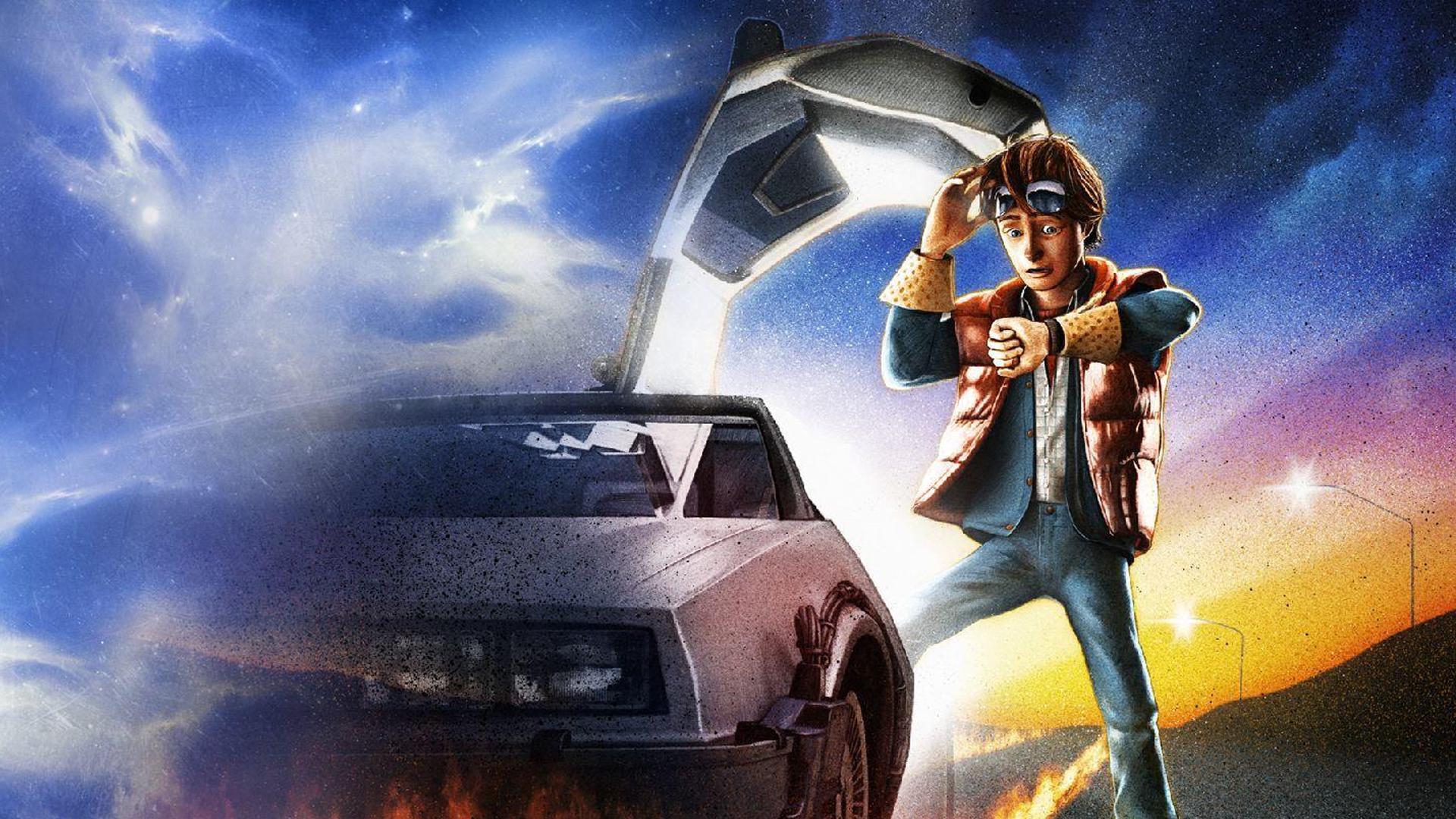
Super Back to the Future Part II
1993 video game
Armored Police Metal Jack
Japanese anime television series
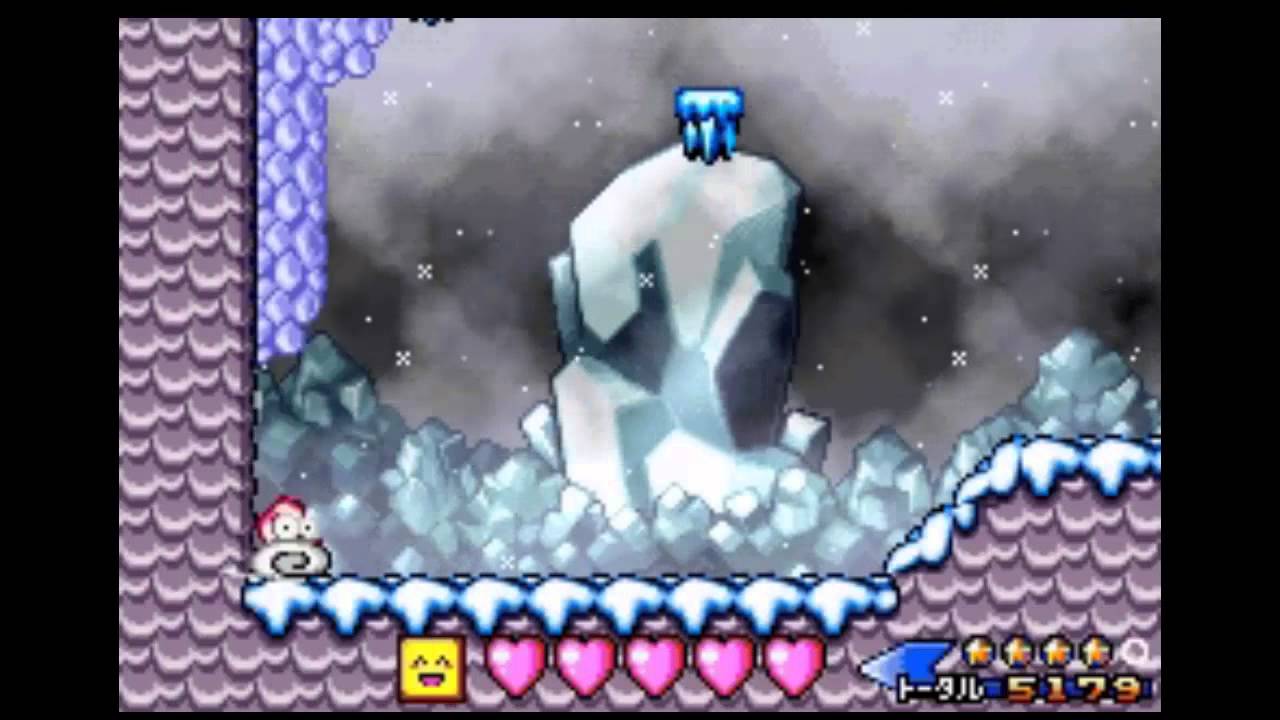
Densetsu no Stafy 3
2004 video game for Game Boy Advance
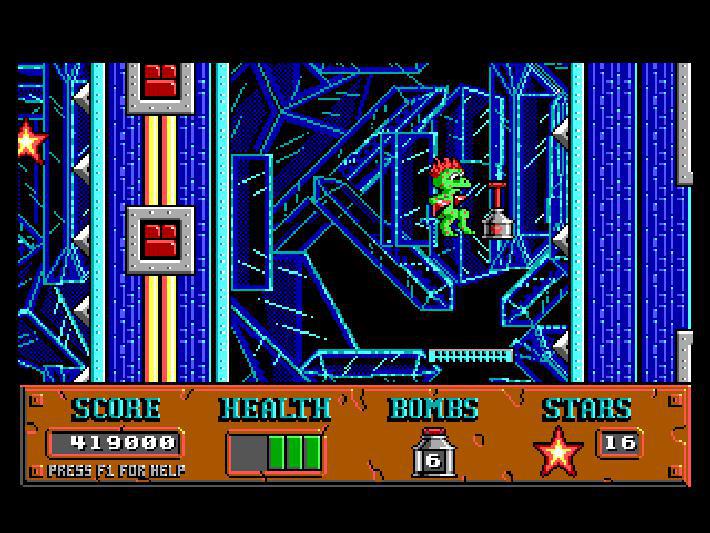
Cosmic Wars
1989 video game
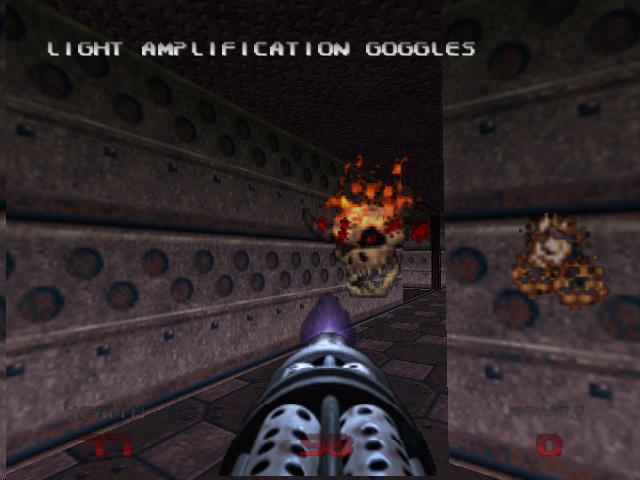
Derby Stallion 64
1994 video game
Beatmania IIDX 7th Style
2004 video game

Clockwork Knight 2
1995 platform video game
Rendering Ranger: R2
1995 video game
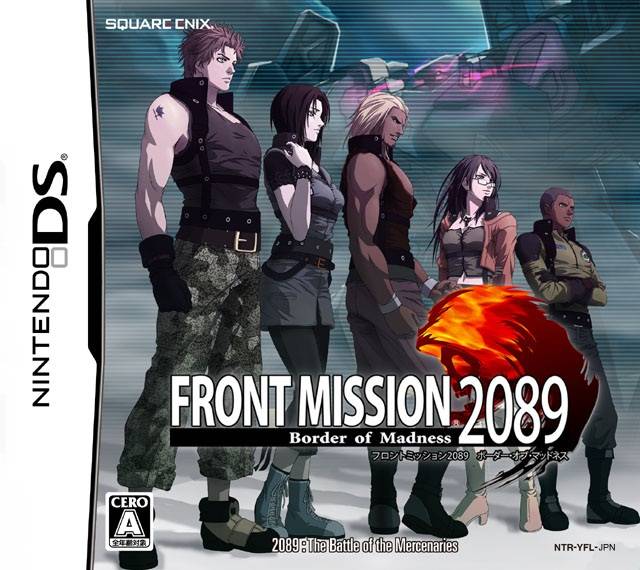
Front Mission 2089
2005 video game
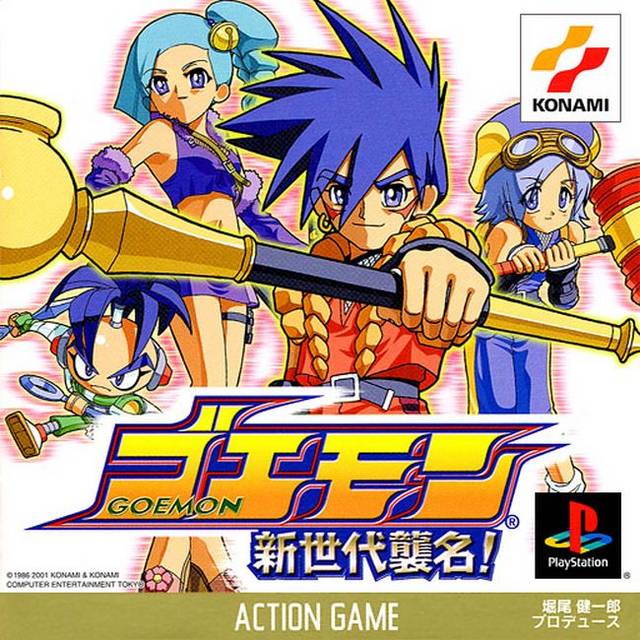
Goemon: Shin Sedai Shūmei!
2001 video game
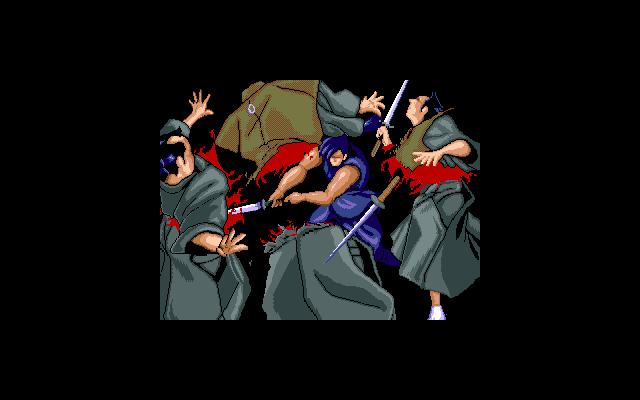
Zan: Yasha Enbukyoku
1990 video game
Chaos Dragon
Japanese anime television series
Bungo and Alchemist
2016 Japanese role-playing game
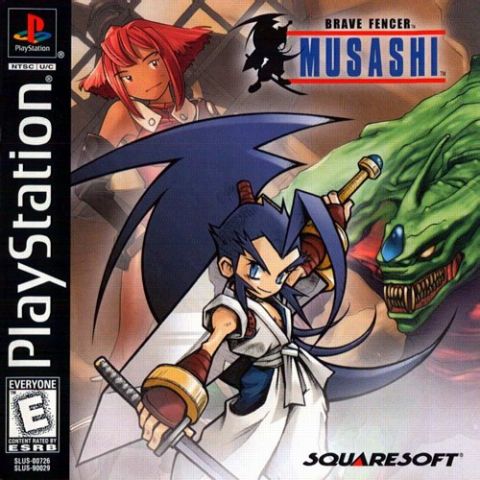
Musashi no Bōken
1990 video game
Star Cruiser
first-person shooter video game
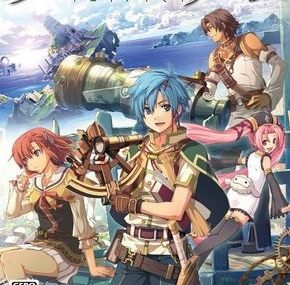
Arumana no Kiseki
1987 video game
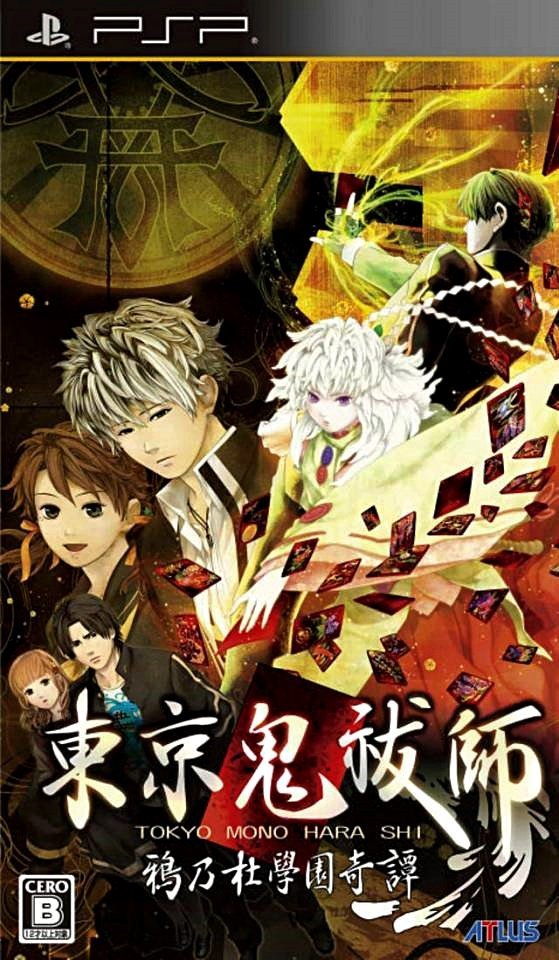
Tokyo Mono Hara Shi: Karasu no Mori Gakuen Kitan
2010 video game
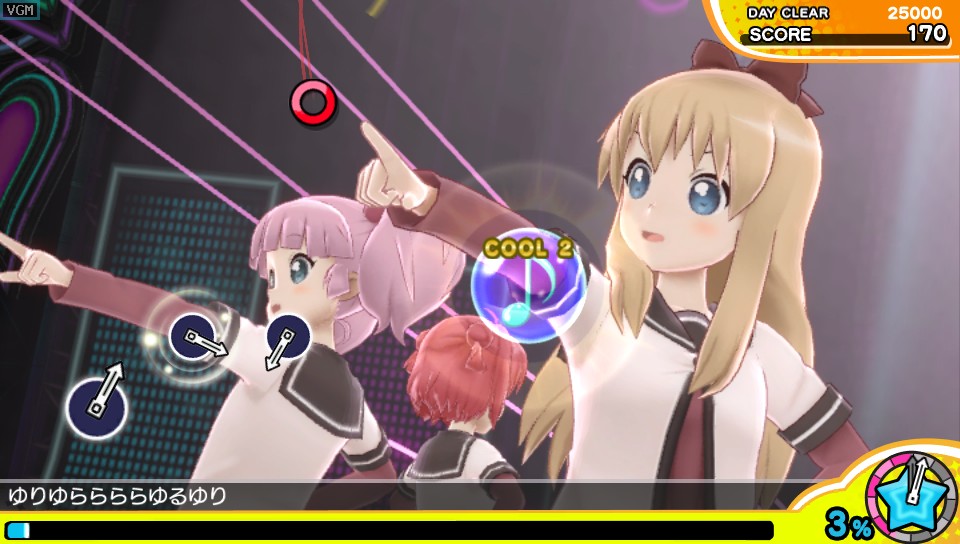
Miracle Girls Festival
2015 video game
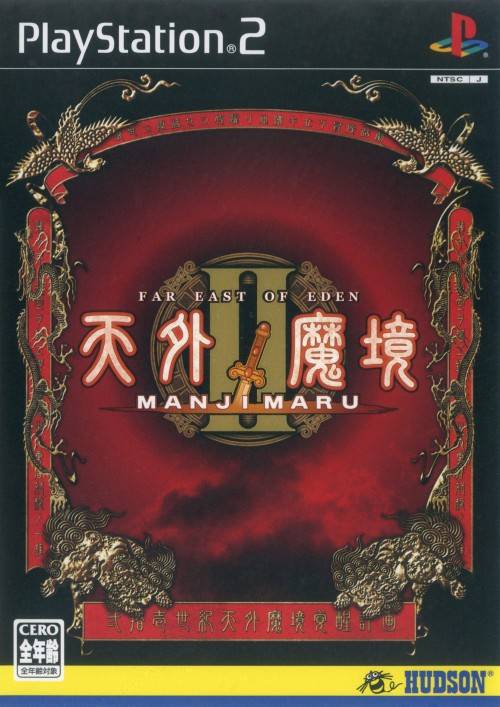
Tengai Makyō II: Manji Maru
1992 video game
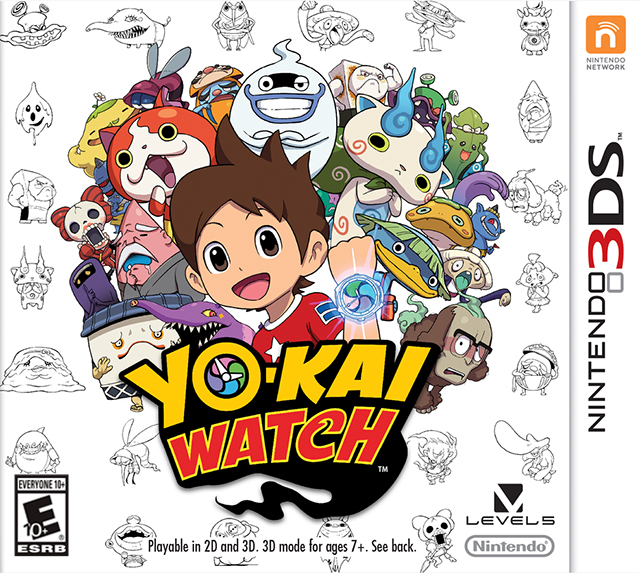
Yo-kai Watch Dance: Just Dance Special Version
2015 video game

Wai Wai World 2: SOS!! Parsley Jō
1991 video game
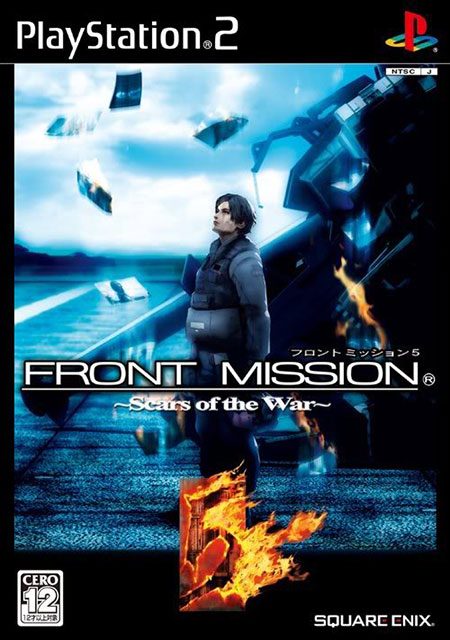
Front Mission 5: Scars of the War
2005 video game
Keyboardmania
(alternately KEYBOARD MANIA, and abbreviated KBM) is a rhythm video game created by the Bemani division of Konami. In this game up to two players use 24-key keyboards to play the piano or keyboard part of a selected song. Notes are represented on-screen by small bars that scroll downward above an image of the keyboard itself. The goal is to play the matching key when a note bar descends to the red play point line. The arcade cabinet has two screens - one for each player.
King Kong 2: Yomigaeru Densetsu
1986 video game
Maji Suki: Marginal Skip
2009 video game
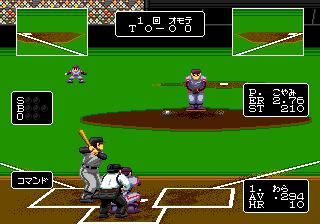
Tel-Tel Stadium
1990 video game
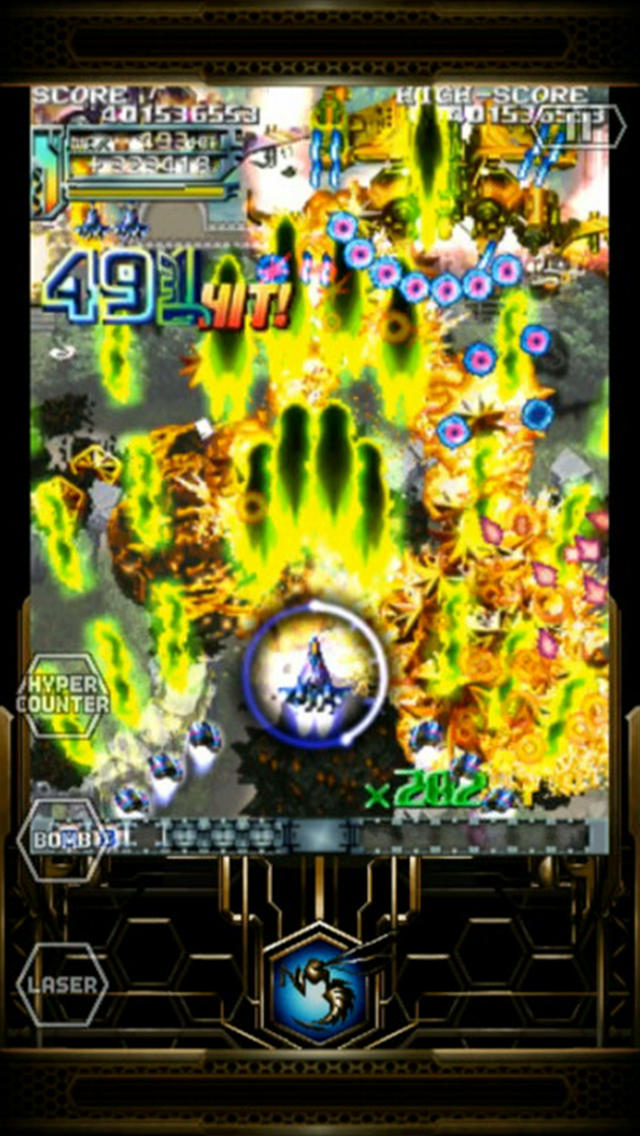
DoDonPachi Saidaioujou
2012 video game
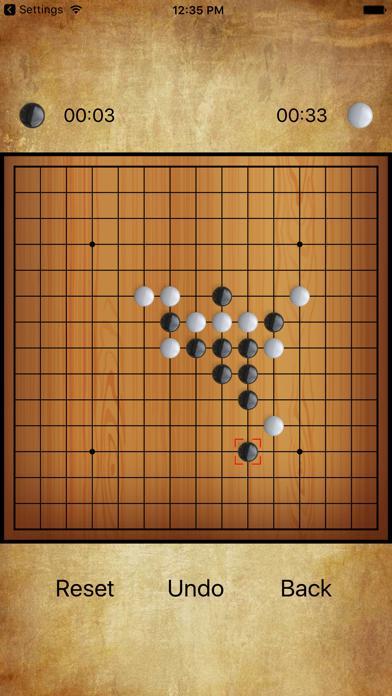
Gomoku Narabe Renju
Japanese 1983 puzzle video game
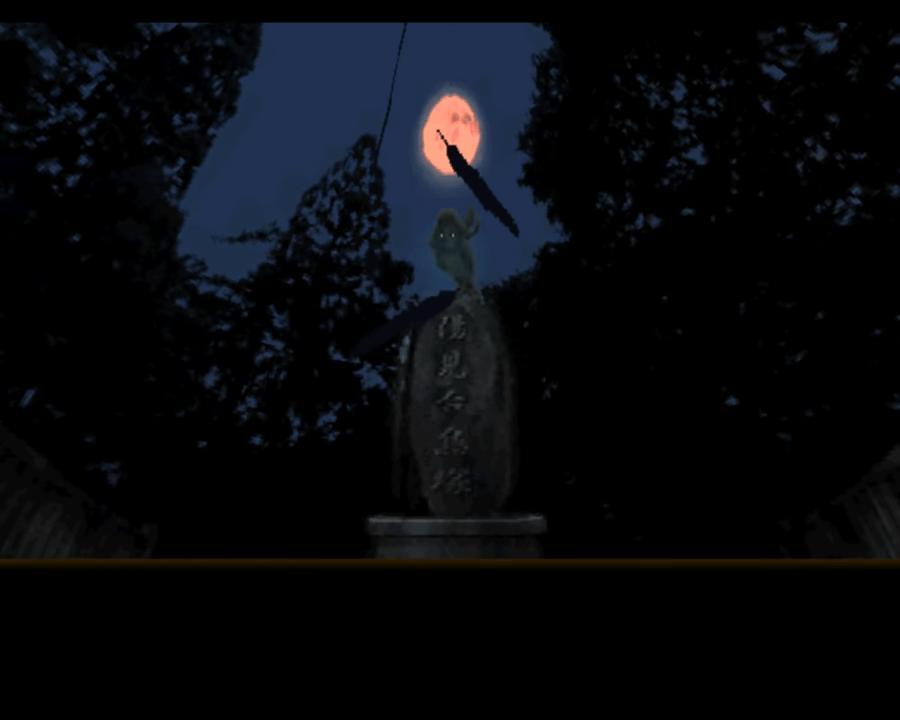
Yuuyami Doori Tankentai
1999 horror game

Lovely Idol
2005 video game