Category
page 1Japanese eras

Edo period
period of Japanese history from 1600 to 1868, during the rule of the Tokugawa shogunate

Meiji era
Japanese era from October 1868 to July 1912

Jōmon period
Japanese prehistorical period

Yayoi period
historical period of Japan

Nara period
historical medieval period of Japan from CE 710 to 794

Reiwa era
era of Japanese history, starting 1 May 2019

Heisei era
period of Japanese history from 1989 to 2019

Taishō period
period of Japanese history from 1912 to 1926, under the reign of Emperor Taishō

Azuchi-Momoyama period
final phase of the Sengoku period of Japanese history (1568-1600)
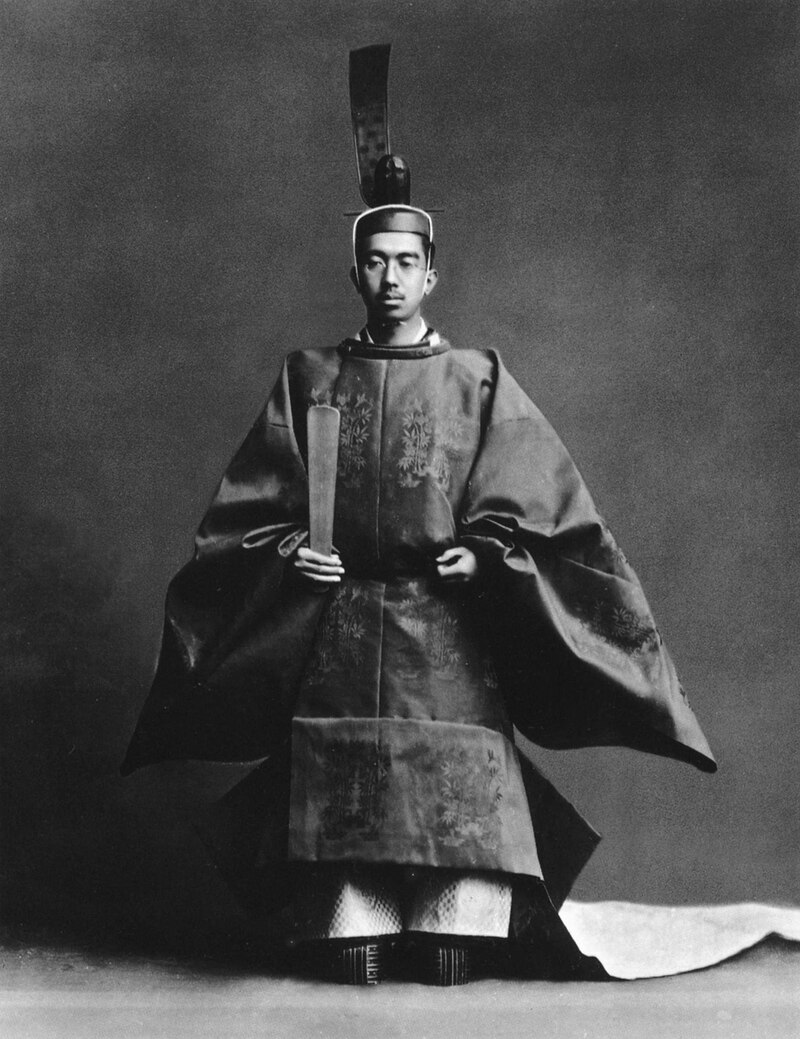
Shōwa era
period of Japanese history within the 20th century CE (1926-1989)
Nanboku-chō period
period (1336–1392) within the Muromachi period of Japanese history, in which two men had competing claims to the Japanese imperial throne

Bakumatsu
were the final years of the Edo period when the Tokugawa shogunate ended. Between 1853 and 1867, under foreign diplomatic and military pressure, Japan ended its isolationist foreign policy known as and changed from a feudal Tokugawa shogunate to the modern empire of the Meiji government. The major ideological-political divide during this period was between the pro-imperial nationalists called and the shogunate forces, which included the elite swordsmen.
Taika
Japanese era from July 645 to March 650

Tenpyō
was a after Jinki and before Tenpyō-kanpō. This period spanned the years from August 729 through April 749. The reigning emperor was .
Keiō
was a after Genji and before Meiji. The period spanned the years from May 1865 to October 1868. The reigning emperors were and .
Taihō
Japanese era from 701 to 704
Hakuchi
Japanese era from March 650 to November 654

Genroku
was a after Jōkyō and before Hōei. The Genroku period spanned the years from September 1688 to March 1704. The reigning emperor was .
Wadō
Japanese era from 708 to 715
Keiun
, also known as Kyōun, was a following Taihō and preceding Wadō. The period spanned the years from May 704 through January 708. The reigning emperors were and .
Japanese era name
first of two elements that identify years in the Japanese era calendar
Shuchō
, alternatively read as Suchō or Akamitori, was a after a gap following Hakuchi (650–654) and before another gap lasting until Taihō (701–704). This Shuchō period briefly spanned a period of mere months, June through September 686. The reigning sovereigns were and .
Tenpyō-kanpō
was a after Tenpyō and before Tenpyō-shōhō. This period spanned mere months, April through July 749. The reigning emperor was .

Ninna
was a after Gangyō and before Kanpyō. This period spanned the years from February 885 through April 889. The reigning emperors were and .
Enryaku
was a after ''Ten'ō and before Daidō''. This period spanned the years from August 782 through May 806. The reigning emperor was .
Chōwa
was a after Kankō and before Kannin. This period spanned the years from December 1012 through April 1017. The reigning emperors were and .
Jinki
Japanese era from 724 to 729
Tentoku
was a after Tenryaku and before Ōwa. This period spanned the years from October 957 through February 961. The reigning emperors was .
Genji
Japanese era from March 1864 to April 1865
Yōrō
was a after Reiki and before Jinki. This period spanned the years from November 717 through February 724. The reigning empress was .
Daidō
was a after Enryaku and before Kōnin. This period spanned the years from May 806 through September 810. The reigning emperors were and .
Tenryaku
was a after Tengyō and before Tentoku. This period spanned the years from April 947 through October 957. The reigning emperor was .
Ten'ō
was a after Hōki and before Enryaku. This period lasted from January 781 through August 782. The reigning emperor was .

Keichō
was a after Bunroku and before Genna. This period spanned from October 1596 to July 1615. The reigning emperors were and .
Kanpyō
Japanese era from 889 to 898
Bunroku
was a after Tenshō and before Keichō. This period spanned the years from December 1592 to October 1596. The reigning emperor of Japan was .
Tenchō
was a after Kōnin and before Jōwa. This period spanned the years from January 824 through January 834. The reigning emperors were and .
Bunkyū
was a after ''Man'en and before Genji''. This period spanned the years from March 1861 through March 1864. The reigning emperor was .
Hōki
was a after Jingo-keiun and before ''Ten'ō''. This period spanned the years from October 770 through January 781. The reigning emperor was .
Reiki
Japanese era 715-717
Tenpyō-jingo
was a after Tenpyō-hōji and before Jingo-keiun. This period spanned the years from January 765 through August 767. The reigning empress was . This was the same woman who had reigned previously as .
Enkyō
Japanese era from 1308 to 1311
Saikō
was a after Ninju and before ''Ten'an.'' This period spanned the years from November 854 through February 857. The reigning emperor was .

Bun'ei
was a after Kōchō and before Kenji. This period spanned the years from February 1264 to April 1275. The reigning emperor was .
Jōwa
Japanese era spanning from January 834 through July 848
Tenpyō-shōhō
was a after Tenpyō-kanpō and before Tenpyō-hōji. This period spanned the years from July 749 through August 757. The reigning empress was .
Kōnin
Japanese era spanning from September 810 through January 824
Tenpyō-hōji
was a after Tenpyō-shōhō and before Tenpyō-jingo. This period spanned the years from August 757 through January 765. The reigning Emperor was , who was a mere figurehead while authority was in the hands of Fujiwara no Nakamaro and during the later years of the era increasingly with retired Empress Kōken and the monk Dōkyō.
Bunka
was a after Kyōwa and before Bunsei. The period spanned the years from January 1804 to April 1818. The reigning emperors were and .

Ansei
was a after Kaei and before ''Man'en''. This period spanned the years from November 1854 through March 1860. The reigning emperor was .
Kankō
was a after Chōhō and before Chōwa. This period spanned the years from July 1004 through December 1012. The reigning emperors were and .
Anna
Japanese era from 968 to 970
Jingo-keiun
was a after Tenpyō-jingo and before Hōki. This period spanned the years from August 767 through October 770. The reigning empress was . This was the same woman who had reigned previously as the former .
Jōgan
was a after ''Ten'an and before Gangyō.'' This period spanned the years from April 859 through April 878. The two reigning emperors were and .
Kashō
, also known as Kajō, was a after Jōwa and before Ninju. This period spanned the years from June 848 through April 851. The reigning emperors were and .
Ninju
was a after Kashō and before Saikō. This period spanned the years from April 851 through November 854. The reigning emperor was .
Shōō
Japanese era from 1288 to 1293
Kansei
was a after Tenmei and before Kyōwa. This period spanned the years from January 1789 through February 1801. The reigning emperor was .
Jōō
period of Japanese history (1222–1224 CE)
Gentoku
was a Japanese era name after Karyaku and before Genkō. This period spanned the years from August 1329 through April 1331 in the Southern Court, but continued to be used in the Northern Court until 1332. The reigning Emperor was .