Category
page 1Kabuki

kabuki
thumb|The July 1858 production of at the Ichimura-za theater theatre in Edo. [[Triptych woodblock print by Utagawa Toyokuni III.|383x383px]]
alt=|thumb|Onoe Kikugorō VI as Umeō-maru in |279x279px
is a classical form of Japanese theatre, mixing dramatic performance with traditional dance. Kabuki theatre is known for its heavily stylised performances, its glamorous, highly decorated costumes, and for the elaborate make-up worn by some of its performers.
mon
Japanese emblems
Izumo no Okuni
Japanese actor and dancer
Utagawa Toyokuni I
Japanese artist (1769-1825)
Torii Kiyonobu
painter and printmaker (1664-1729)
Momijigari
1903 film by Tsunekichi Shibata
Banchō Sarayashiki
Japanese ghost story

kagema
right|thumb|A man cavorts with a (probably a ) and a female sex worker. The (wearing headscarf) sneaks a kiss from the lady behind his patron's back. Nishikawa Sukenobu, . Hand-colored print.

onnagata
thumb| (Heron Maiden) dance performed by Akifusa Guraku in 2011
, also , are male actors who play female roles in kabuki theatre. It originated in 1629 after women were banned from performing in kabuki performances. There are many specific techniques that actors must learn to master the role of .

nihon-buyō
thumb|alt=A colourised photograph of an actor in a long-sleeved, trailing kimono, wearing a traditionally-styled wig and holding a lion's head prop|Nakamura Shikan VII in September 1955 in the play
refers to the classical Japanese performing art of dance.

yakusha-e
right|thumb|250px|Sharaku; The Kabuki actors Bando Zenji (on the left, in the role of [[Benkei) and Sawamura Yodogoro II (on the right, as Yoshitsune), in the play Yoshitsune Senbon Zakura (Yoshitsune of the Thousand Cherry-Trees); 1794, fifth month.]]
right|250px|thumb|Utagawa Toyokuni; The Kabuki actor Onoe Eisaburo I; c. 1800.
Yakusha-e (役者絵), often referred to as "actor prints" in English, are Japanese woodblock prints or, rarely, paintings, of kabuki actors, particularly those done in the ukiyo-e style popular through the Edo period (1603–1867) and into the beginnings of the 20th century.

kuroko
thumb|right|200px|Print by Utagawa Kuniyoshi of actor with three Kuroko
thumb|200px|Kuroko behind actors on stage
are stagehands in traditional Japanese theatre, who dress all in black.

kumadori
right|thumb|300px|The hero of wearing makeup. Print by

hanamichi
thumb|150px|'s signature disappearing act on the
thumb|The at National Theatre of Japan
Genroku culture

nagauta
thumb| Cup by Santō Kyōden, 1783–1784, a
is a kind of traditional Japanese music played on the and used in kabuki theater, primarily to accompany dance and to provide reflective interludes.
aragoto
right|thumb|300px|alt=A woodblock print of two kabuki actors, the foremost wearing large, brown robes, an elaborate hairstyle and red makeup. The actor in the background wears pink and blue robes with no makeup.|Ichikawa Danjūrō VIII in the lead role in , a role considered definitive of the style. [[Ukiyo-e print by Utagawa Kunisada.]]
, or 'rough style', is a style of kabuki acting that uses exaggerated, dynamic (forms or movements) and speech. roles are characterised by the bold red or blue makeup () worn by actors, as well as their enlarged and padded costumes. The term is an abbreviation o
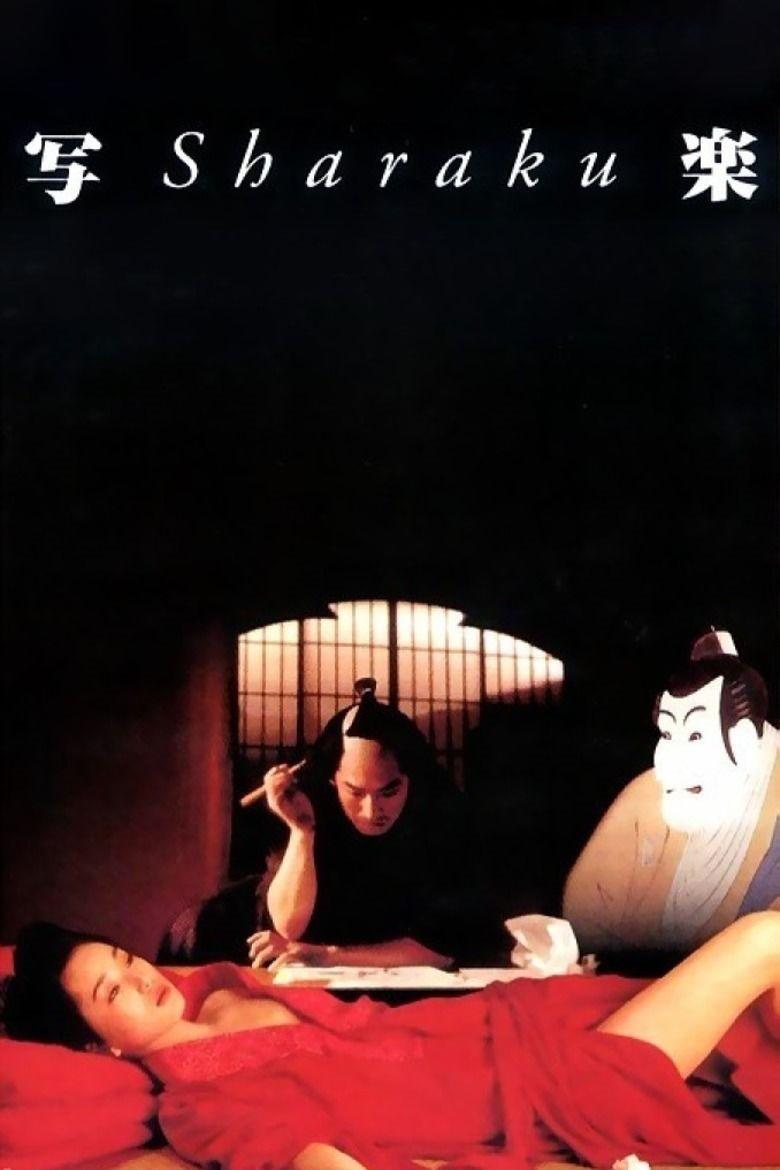
Sharaku
1995 film by Masahiro Shinoda
Pear Garden
royal acting and musical academy founded by Emperor Xuanzong of Tang dynasty China
Kamigata
Kamigata (上方) was the colloquial term for a region today called Kansai (kan, barrier; sai, west) in Japan. This large area encompasses the cities of Kyoto, Osaka, and Kobe. The term was also sometimes used to refer only to Kyoto city. The term is used particularly when discussing elements of Edo period urban culture such as ukiyo-e and kabuki, and when making a comparison to the urban culture of the Edo/Tokyo region. The term was no longer used as name for the Kansai provinces when Emperor Meiji moved to Edo in 1868. An account described Kamigata suji as one of the two regions that emerged fro
Tetsuji Takechi
Japanese theatrical and film director, critic and author (1912-1988)
Shūmei
thumb|Shūmei ceremony (襲名) of Ichikawa En'ō II, Ichikawa Ennosuke IV and Ichikawa Chūsha IX at the Misono-za in Nagoya (March 2013)
Shūmei (, "name succession") are grand naming ceremonies held in kabuki theatre. Most often, a number of actors will participate in a single ceremony, taking on new stage names.
mie
pose in Kabuki theatre
jidaimono
are Japanese kabuki or plays that feature historical plots and characters, often famous samurai battles. These are in contrast to , contemporary plays, which generally focus on commoners and domestic issues. is usually translated as "period plays". Film and television productions in this mode are called , and share many of the same features.
Faubion Bowers
American academic
Botan Dōrō
play by San'yūtei Enchō
wagoto
, or soft style, is a style of kabuki acting that emphasizes realistic speech and gestures. Wagoto actors typically do not employ the exaggerated makeup and costuming common to the more exaggerated aragoto (rough) style.
Nakamura Nakazo I
Kabuki actor
hayashi
group of musical performers
tachiyaku
'''' is a term used in the Japanese theatrical form kabuki to refer to young adult male roles, and to the actors who play those roles. Though not all tachiyaku roles are heroes, the term does not encompass roles such as villains or comic figures, which form their own separate categories. The hero or chief protagonist of a kabuki play is nearly always a tachiyaku'' role, and the head of a troupe or acting family typically specializes in these roles.
Michiyuki
is the term for a journey scene in Japanese theatre, which shows the characters dancing or conversing while travelling.
Yagō
, literally meaning "house name", is a term applied in traditional Japanese culture to names passed down within a guild, studio, or other circumstance other than blood relations. The term is synonymous with and . The term most often refers to the guild names of kabuki actors, but is also applicable to the names artists take from their masters or studios, names taken from one's business, and a few other similar circumstances.