Category
page 1Knights-errant

Don Quixote
1605 novel by Miguel de Cervantes

chivalric romance
type of prose and verse narrative

paladin
thumb|upright=1.35|The death of Roland at the Battle of Roncevaux (manuscript illustration c. 1455–1460)
The Paladins, also called the Twelve Peers (), are twelve legendary knights, the foremost members of Charlemagne's court in the 8th century. They first appear in the medieval (12th century) chanson de geste cycle of the Matter of France, where they play a similar role to the Knights of the Round Table in Arthurian romance. In these romantic portrayals, the chivalric paladins represent Christianity against a Saracen (Muslim) invasion of Europe. The names of the paladins vary between sources,

bogatyr
thumb|300x300px|The three most famous bogatyrs, Dobrynya Nikitich, [[Ilya Muromets and Alyosha Popovich, appear together in Viktor Vasnetsov's 1898 painting Bogatyrs kept in the Tretyakov Gallery.]]
A bogatyr (, ; , ) or vityaz (, ; , ) is a stock character in medieval East Slavic legends, akin to a Western European knight-errant. Bogatyrs appear mainly in Rus' epic poems—bylinas. Historically, they came into existence during the reign of Vladimir the Great (Grand Prince of Kiev from 978 to 1015) as part of his elite warriors (druzhina),

Yvain, the Knight of the Lion
Arthurian romance by Chrétien de Troyes
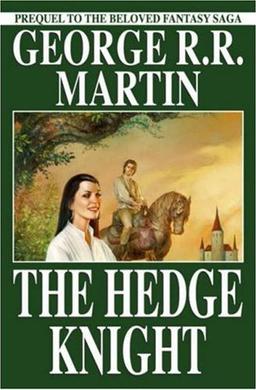
Tales of Dunk and Egg
Tales of Dunk and Egg is a series of fantasy novellas by George R. R. Martin, set in the world of his A Song of Ice and Fire novels. They follow the adventures of "Dunk" and "Egg", some 90 years before the events of the novels.

knight-errant
thumb|The Knight Errant (painting)|The Knight Errant by [[John Everett Millais (1870)]]
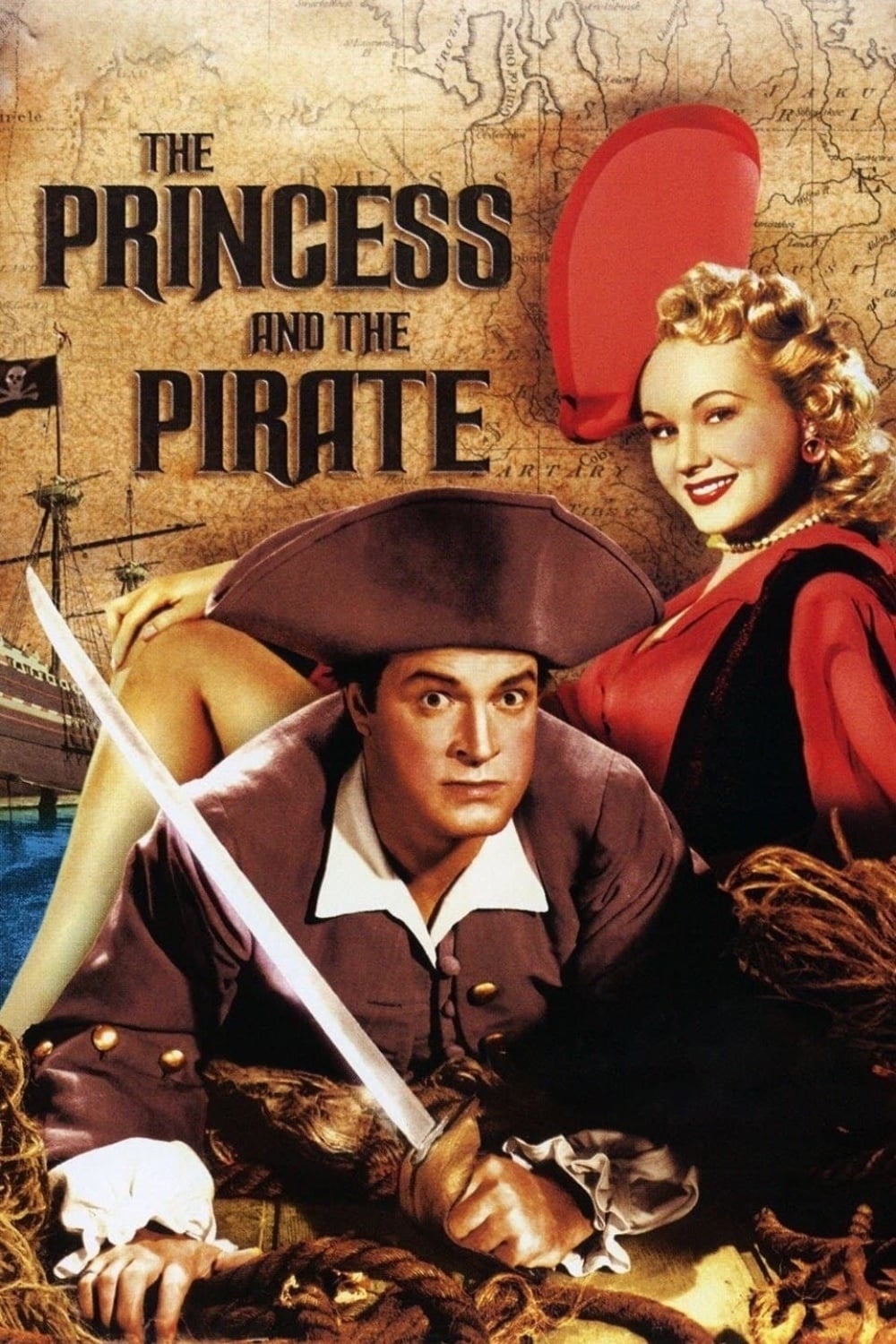
The Princess and the Pirate
1944 film by Samuel Goldwyn, Allen Boretz, Sidney Lanfield, David Butler

Ondine
play by Jean Giraudoux

Youxia
thumb|200px|Late Qing period martial artist Huo Yuanjia was considered a great folk-hero (大俠).
Youxia () was a type of ancient Chinese warrior folk hero celebrated in classical Chinese poetry and fictional literature. It literally means "wandering vigilante", but is commonly translated as "knight-errant" or less commonly as "cavalier", "adventurer", "soldier of fortune" or "underworld stalwart".
Amadigi di Gaula
opera by Georg Friedrich Händel
Musha shugyō
samurai warrior pilgrimage
Dinadan
Dinadan is a Cornish Knight of the Round Table in the Arthurian legend's chivalric romance tradition. In the Prose Tristan and its adaptations, Dinadan is a close friend of the protagonist Tristan, known for his cynical humor and pragmatism, and also for his severe anti-chivalric attitudes. In Thomas Malory's English compilation ''Le Morte d'Arthur'', Dinadan serves as a foil to Tristan in his softened portrayal, appearing in several often comedic episodes until his murder by Mordred and Agravain. Despite his relatively minor role, he has become a major subject of Malorian scholarship.
Entrée d'Espagne
14th-century Franco-Venetian epic poem
Capitán Trueno
Spanish comics character
Amadis
opera by Jules Massenet

The Knight of the Burning Pestle
satirical play