Category
page 1Koalas

koala
The koala (Phascolarctos cinereus), sometimes inaccurately called the koala bear, is an arboreal herbivorous marsupial native to Australia. It is the only extant representative of the family Phascolarctidae. Its closest living relatives are the wombats. The koala is found in coastal areas of the continent's eastern and southern regions, inhabiting Queensland, New South Wales, Victoria, and South Australia. It is easily recognisable by its stout, tailless body and large head with round, fluffy ears and large, dark nose. The koala has a body length of and weighs . Its fur colour ranges from silv

Phascolarctidae
The Phascolarctidae (φάσκωλος (phaskolos) - pouch or bag, ἄρκτος (arktos) - bear, from the Greek phascolos + arctos meaning pouched bear) is a family of marsupials of the order Diprotodontia, consisting of only one extant species, the koala, and six well-known fossil species, with another six less well known fossil species, and two fossil species of the genus Koobor, whose taxonomy is debatable but are placed in this group. The closest relatives of the Phascolarctidae are the wombats, which comprise the family Vombatidae.
Giant koala
species of mammal (fossil)
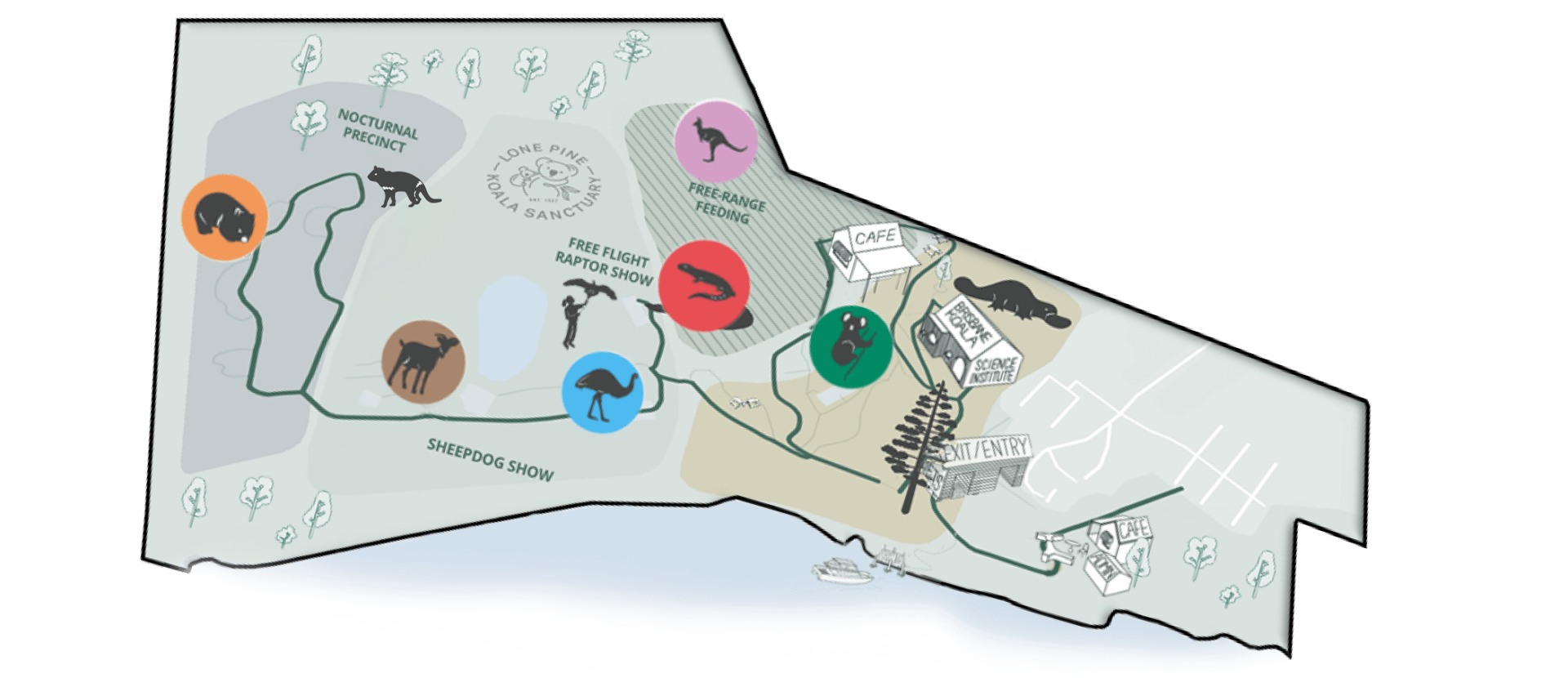
Lone Pine Koala Sanctuary
zoo in Brisbane, Australia
Nimiokoala
Nimiokoala greystanesi is an extinct marsupial, closely related to the extant koala, that inhabited northwestern Queensland in the Early and Middle subepochs of the Miocene (23–16 million years ago). It is the only species assigned to the genus Nimiokoala. Along with species of sister genus Litokoala, it is the smallest representative of family Phascolarctidae. Based on cladistic analysis, Nimiokoala is one of the more basal genera of Phascolarctidae. It died out due to climate change rendering the environment more arid. It probably had a more generalized diet than that of the modern spec
Yanchep National Park
national park in Western Australia
Koala retrovirus
type of virus infecting koalas
Litokoala
Litokoala is an extinct genus of marsupials, and along with Nimiokoala, is closely related to the modern koala. The three genera may have diverged at an earlier date, although the drying of the continent and the expansion of Eucalyptus forests towards the late Miocene may have delayed the evolution of cranial features unique to the modern genera. This indicates that either fossil genus could be an ancestor of the modern genus, or the modern genus has a common ancestor to both. More material needs collection to improve their taxonomical relationships.
Koala Park Sanctuary
zoo in Sydney, Australia

Cohunu Koala Park
zoo in near Perth, Western Australia
Perikoala
Perikoala is an extinct genus of marsupials, related to the modern koala. The genus diverged from a common ancestor of the other koala genera Nimiokoala, Litokoala, and Phascolarctos, which contains the living koala.
Australian Koala Foundation
Australian non-profit group dedicated to koala protection
Invictokoala
Invictokoala is an extinct genus of phascolarctid from middle Pleistocene-aged cave deposits at Mount Etna of central-eastern Queensland, Australia. Due to its incomplete nature, the relationships of this koala are difficult to establish, although it might represent a holdover from an Oligocene ancestor. The type and only known species is Invictokoala monticola.