Category
page 2Lamiaceae

Holmskioldia
Holmskioldia is a genus of flowering plants in the mint family, Lamiaceae. It is native to the Himalayas (India, Pakistan, Nepal, Bhutan, Bangladesh, Myanmar) but widely cultivated as an ornamental and naturalized in many places (Southeast Asia, New Caledonia, Hawaii, Mexico, West Indies, Venezuela, etc.) It contains only one known species, Holmskioldia sanguinea, commonly called the Chinese hat plant, cup-and-saucer-plant or '''mandarin's hat.'''
Ajugoideae
Ajugoideae is subfamily of the family Lamiaceae. The subfamily name of Teucrioideae is a synonym of Ajugoideae.
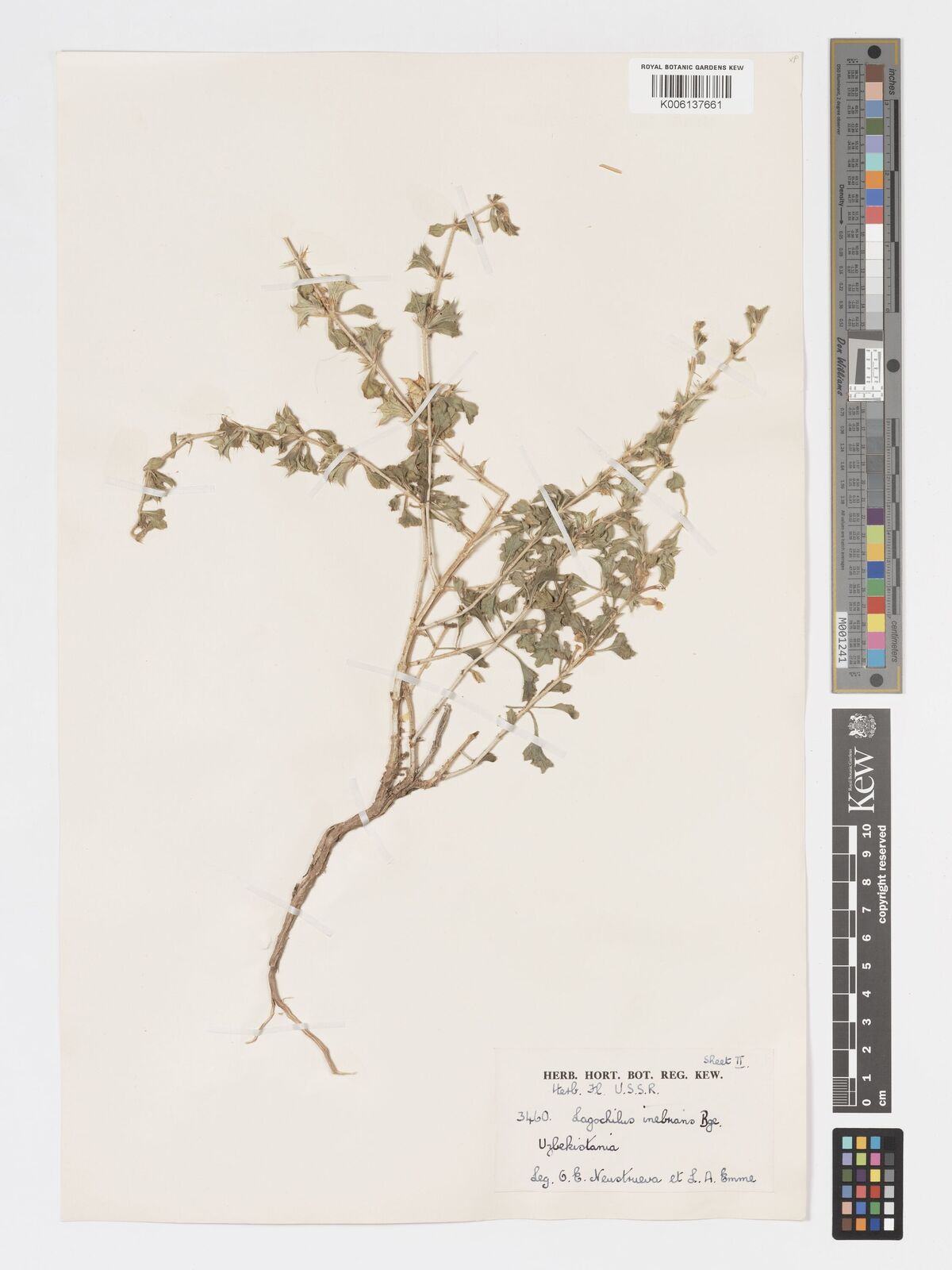
Lagochilus inebrians
species of plant
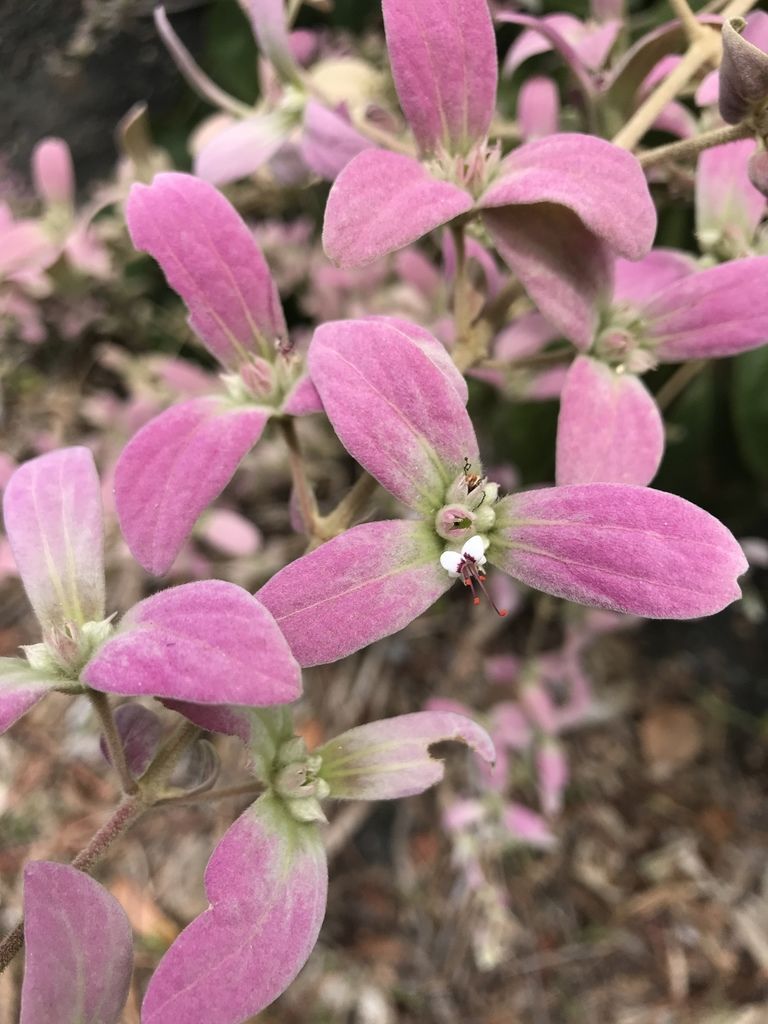
Congea
Congea is a small genus of flowering plants in the mint family, Lamiaceae, first described by William Roxburgh in 1820.
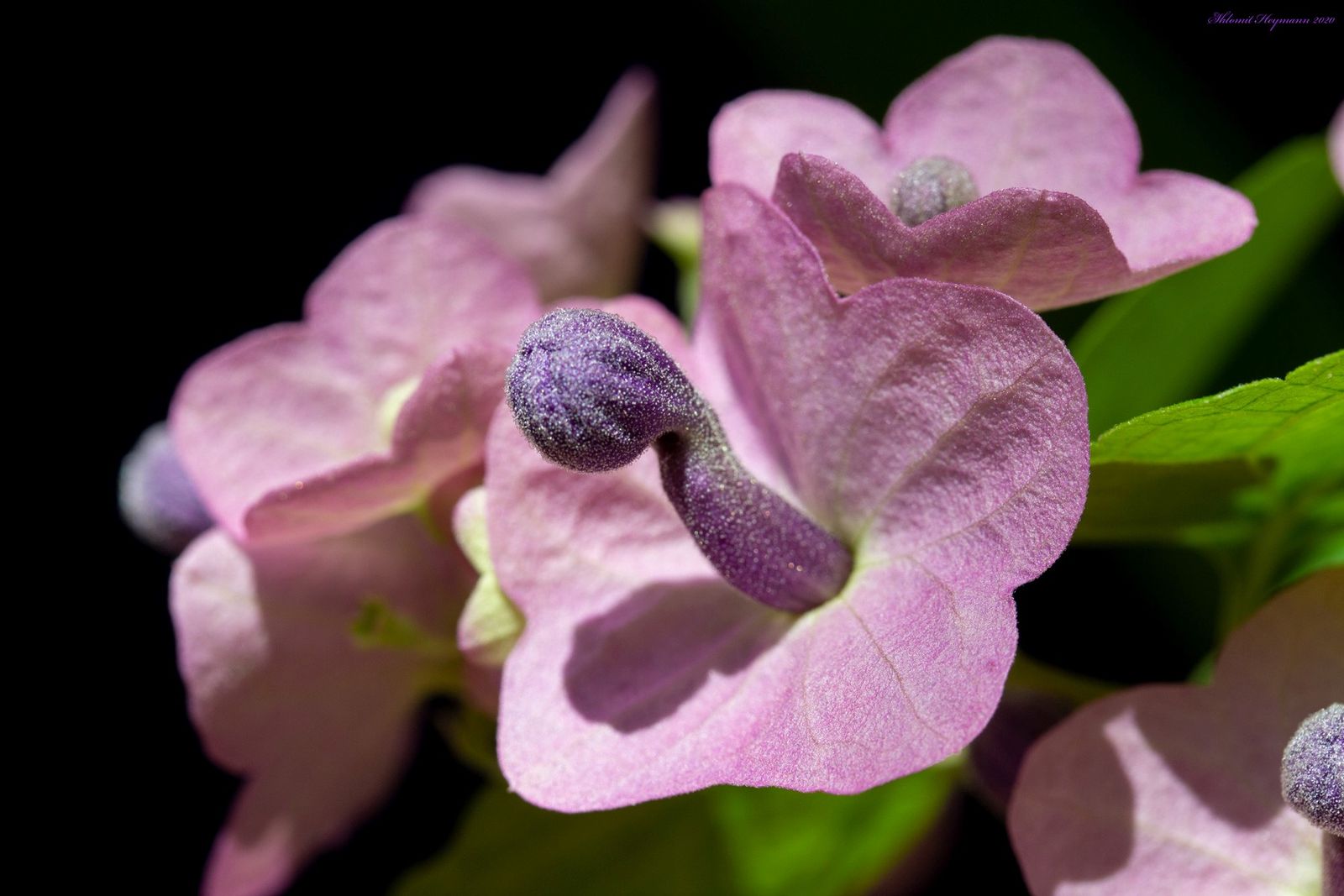
Karomia
Karomia is a genus of plants in the family Lamiaceae. The genus was introduced in 1932 by the botanist Paul Louis Amans Dop (1876–1954) in "" (Paris) ser. 2. 4: 1052, for the single species Karomia fragrans. It is native to eastern and southern Africa, Madagascar, and Vietnam.
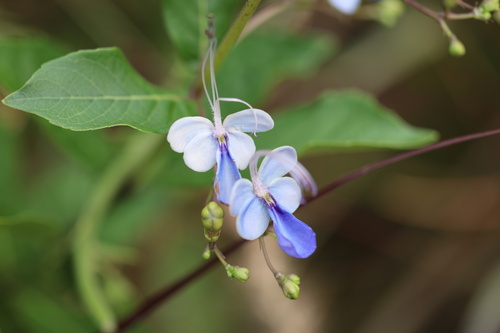
Rotheca
Rotheca is a genus of flowering plants in the family Lamiaceae. Estimates of the number of species in the genus vary from about 35 to as many as 60. Three of the species are native to tropical Asia, with the rest occurring in Sub-Saharan Africa. The type species for the genus is Rotheca serrata. It had originally been named Rotheca ternifolia, but this name is now considered illegitimate.
Prostantheroideae
Prostantheroideae is a subfamily of plants in the family Lamiaceae, endemic to Australia.

Tetradenia riparia
species of plant

Cyclotrichium
Cyclotrichium is a genus of plants in the Lamiaceae, first described as a genus in 1953. The entire genus is endemic to southwestern Asia (Iran, Iraq, Turkey, Syria, Lebanon).
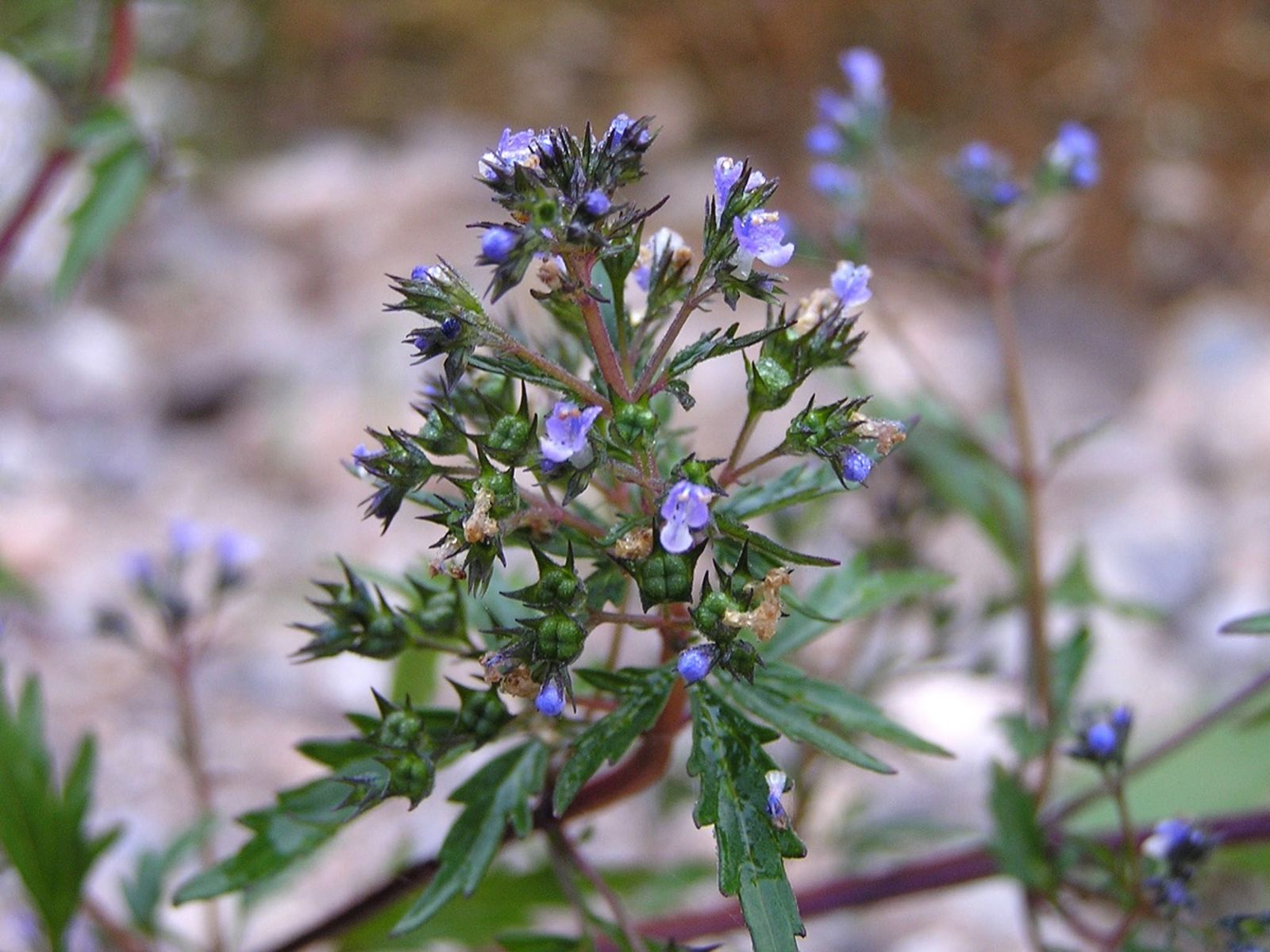
Amethystea
Amethystea is a genus of plants in the family Lamiaceae, first described for modern science by Linnaeus in 1753. It has only one known species, Amethystea caerulea, commonly known as blue amethystea. It is native to China, Japan, Korea, Central Asia (Tibet, Xinjiang, Kazakhstan, Tajikistan, Kyrgyzstan), and parts of Russia (Altai, Chita, Irkutsk, Buryatiya, Primorye).

Cunila
Cunila is a genus of plants in the Lamiaceae, first described in 1759. It is native to North and South America.
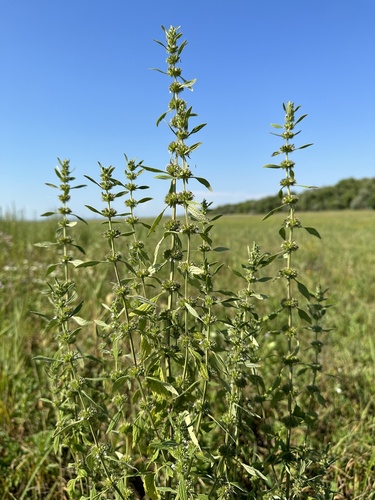
Chaiturus
Chaiturus is a genus of plants in the family Lamiaceae, first described in 1787. It contains only one known species, Chaiturus marrubiastrum, native to central and southern Europe (Germany, Poland, Spain, Italy, Balkans, Ukraine, etc.), Russia, Turkey, Caucasus, and Central Asia (Altai, Xinjiang, Kazakhstan, Uzbekistan, Kyrgyzstan). False motherwort is a common name for this species.

Tetradenia
Tetradenia (also known as gingerbush) is a genus of plants in the family Lamiaceae, first described in 1830. It is native to Africa, including Madagascar.
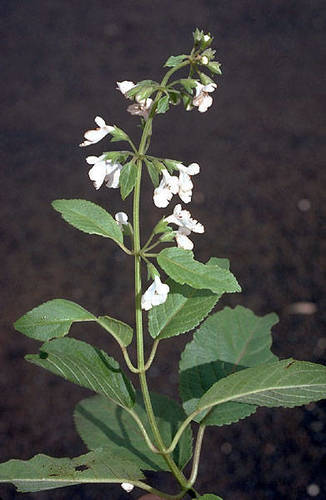
Haplostachys
Haplostachys (honohono) is a genus of flowering plants in the mint family, Lamiaceae, first described as a genus in 1888. The entire genus is endemic to the Hawaiian Islands, although 4 of the 5 known species that have been placed in the genus are now believed to be extinct, the fifth listed as "Critically Imperiled."
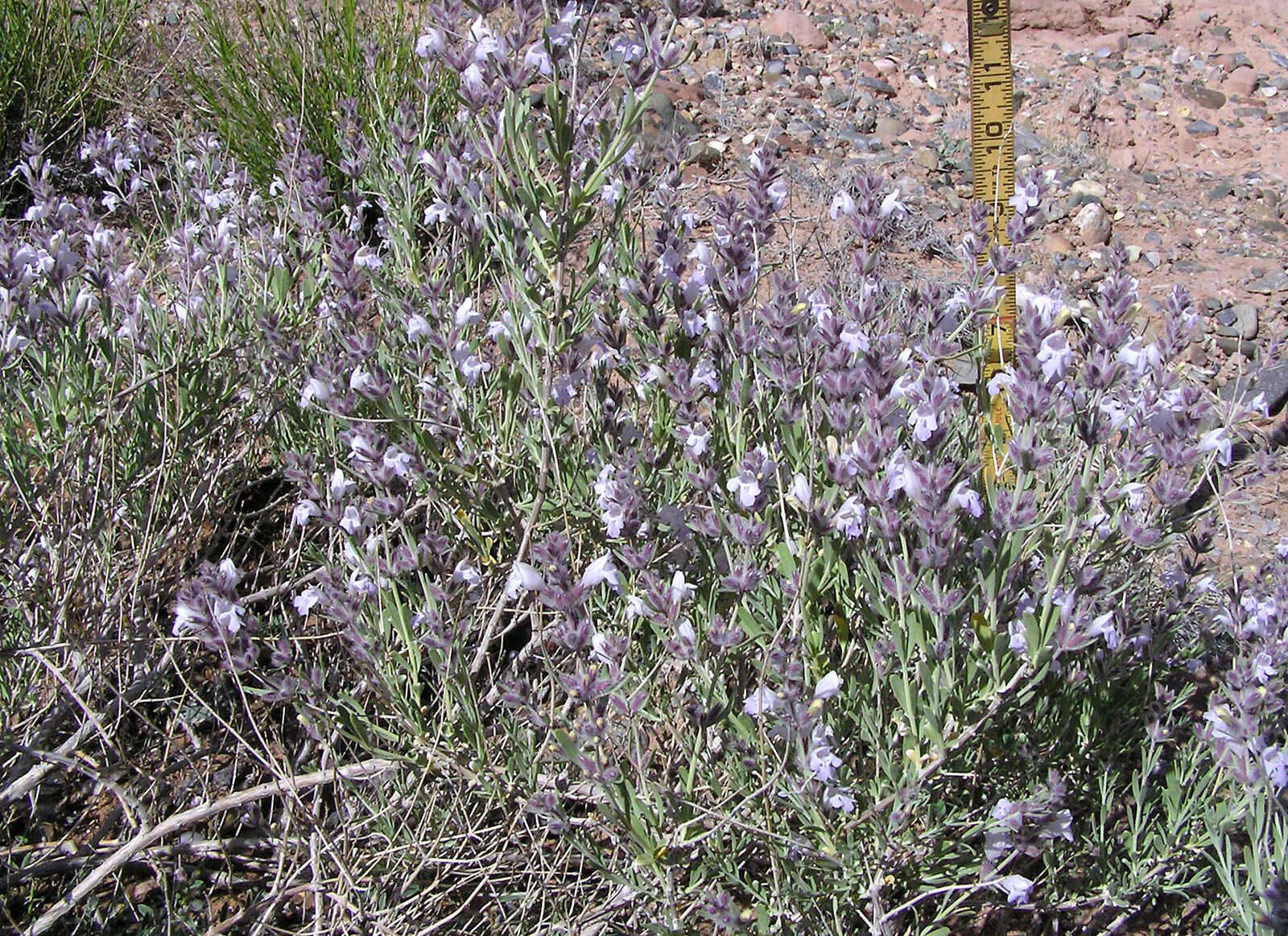
Poliomintha
Poliomintha is a genus of flowering plants in the mint family, Lamiaceae. It is native to the southwestern United States, Haiti, and northern Mexico.
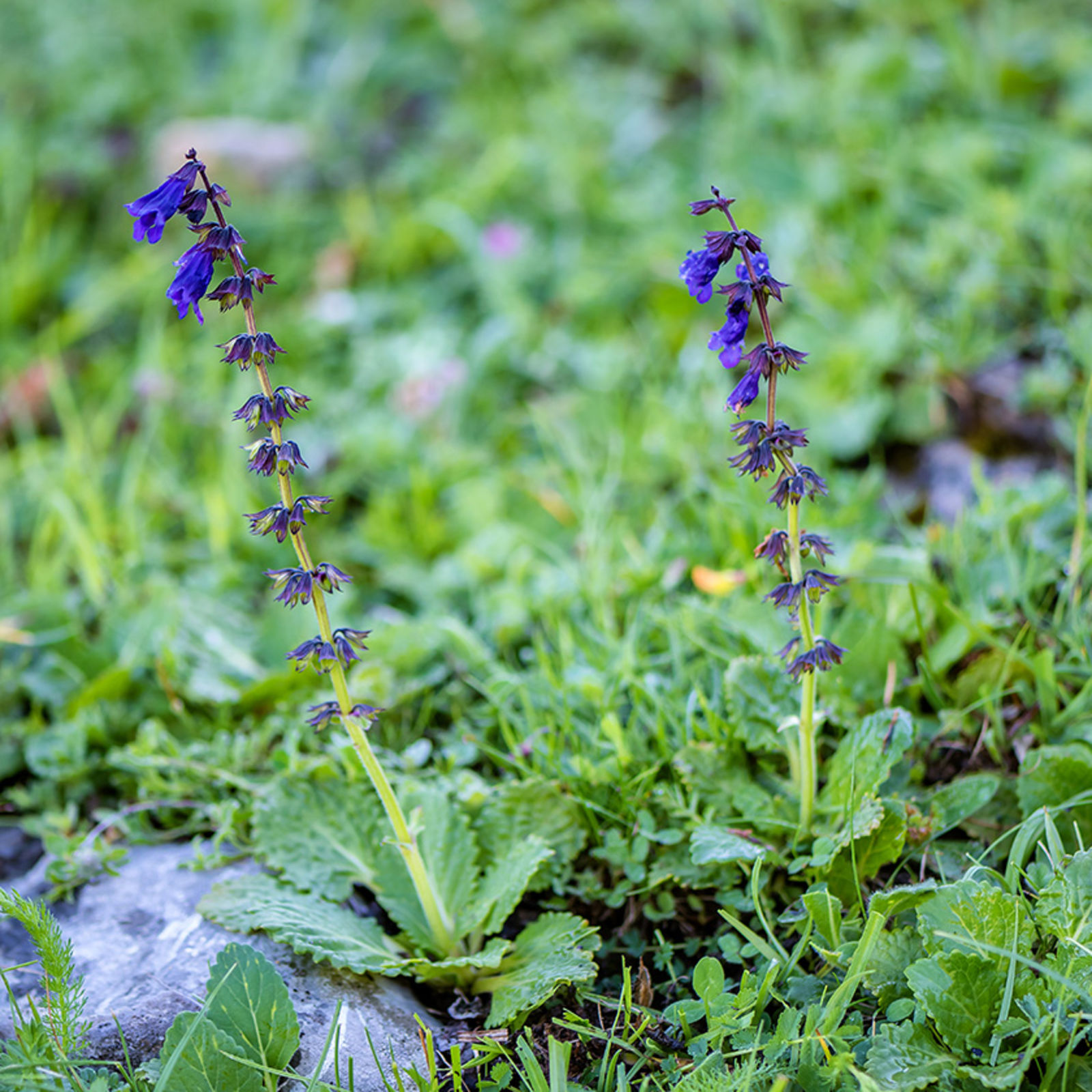
Horminum
Horminum is a genus of flowering plants in the family Lamiaceae, comprising a single species, Horminum pyrenaicum. Common names include dragonmouth and Pyrenean dead-nettle.
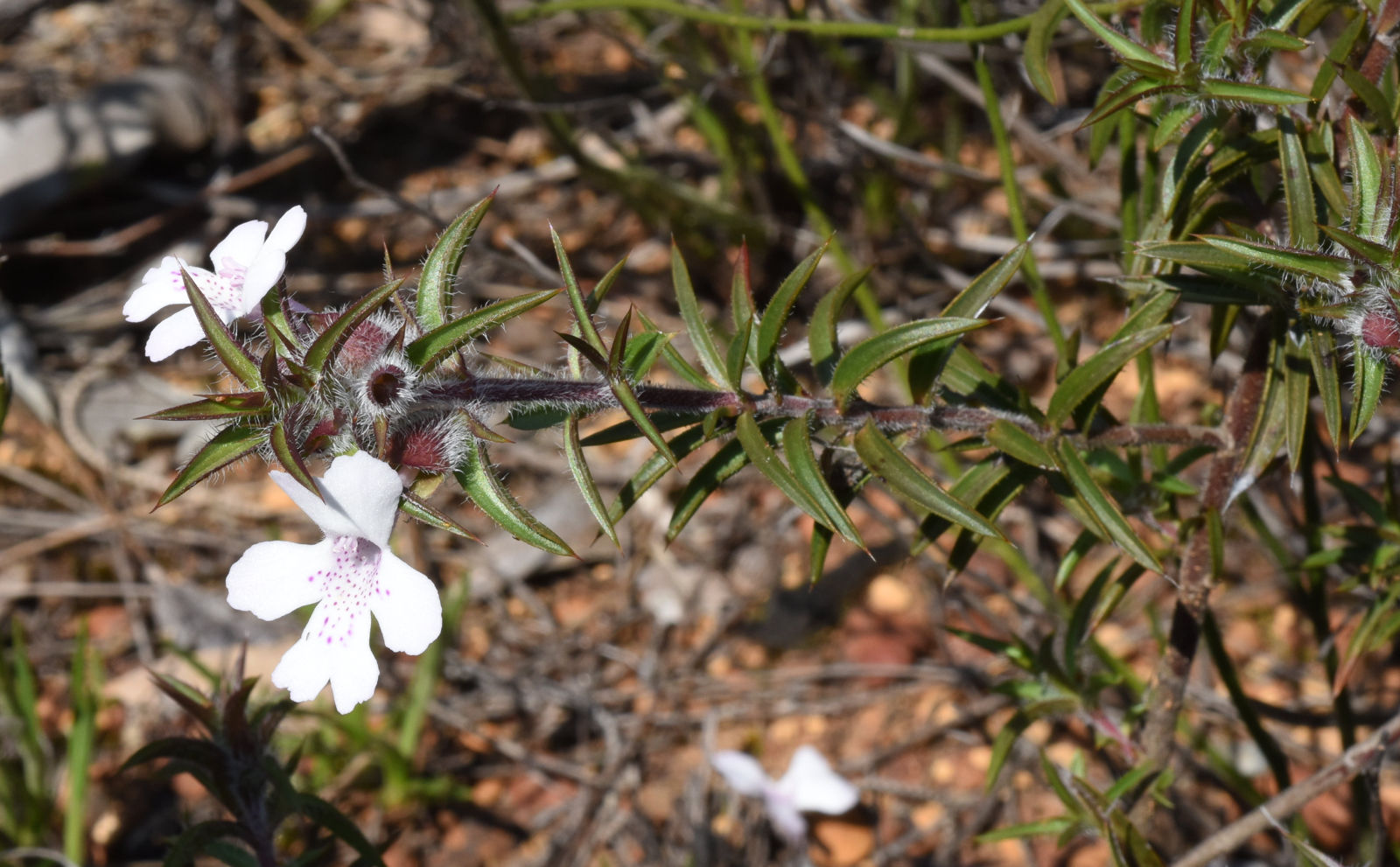
Hemiandra
Hemiandra is a genus of nine species of flowering plants of the family Lamiaceae and is endemic to Western Australia. Plants in the genus Hemiandra are shrubs with sessile leaves arranged in opposite pairs, petals with five lobes arranged in two "lips" and the fruit a capsule usually containing four nuts.
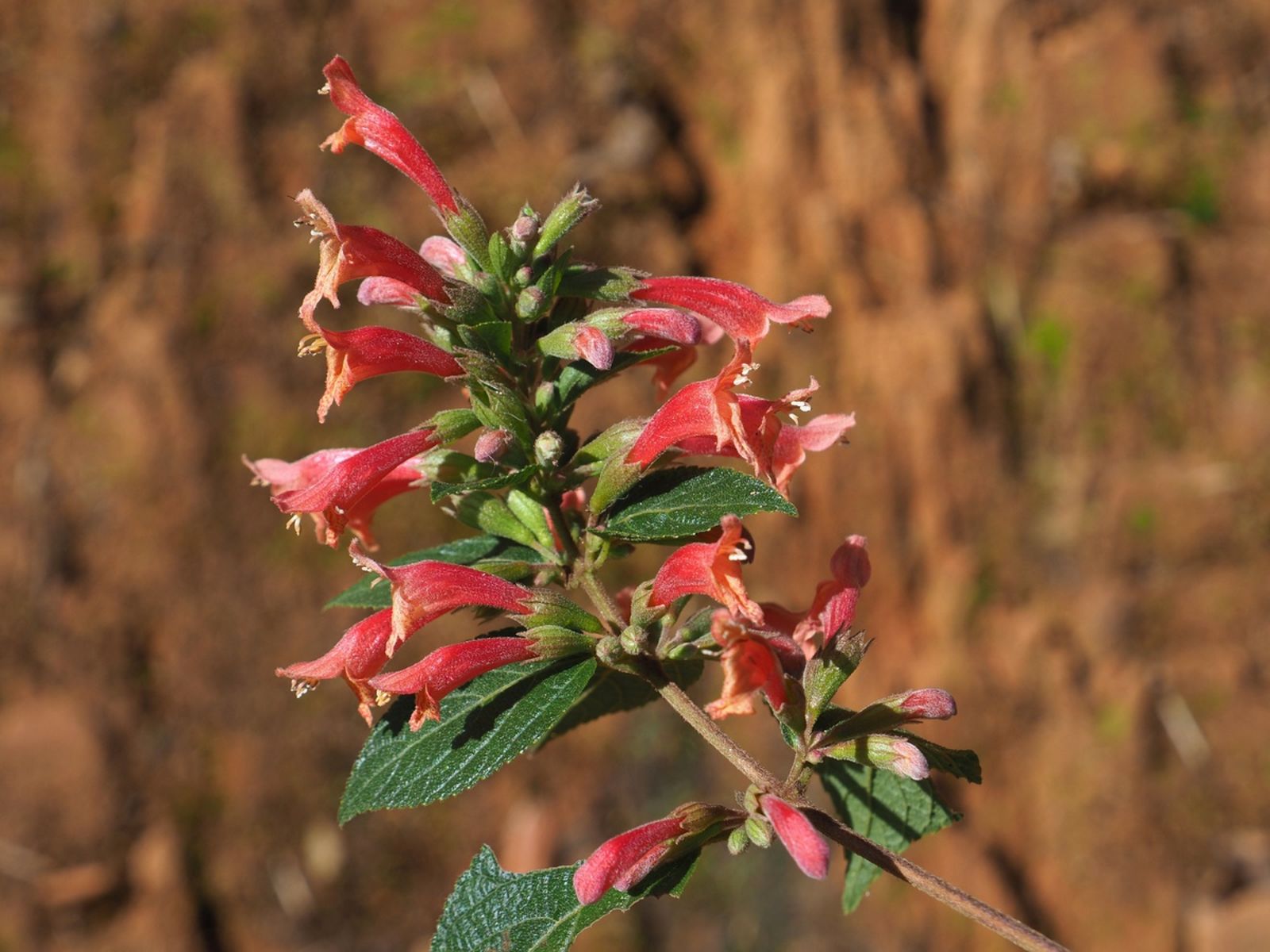
Colquhounia
Colquhounia is a genus of about six species of evergreen or semi-evergreen shrubs or subshrubs in the family Lamiaceae, first described in 1822. They are native to the Himalaya and southwestern China south to Peninsular Malaysia.
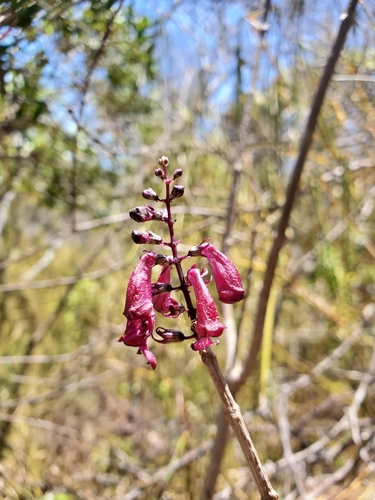
Capitanopsis
Capitanopsis is a genus of plants in the family Lamiaceae, first described in 1916. It contains six known species, all endemic to Madagascar.
Mentheae
Mentheae is the largest tribe of plants in the family Lamiaceae. It includes herbs such as sage, hyssop, mint, catnip, bee balm and thyme.

Macbridea
Macbridea is a small genus of plants in the family Lamiaceae, first described in 1818. It is native to the southeastern United States.
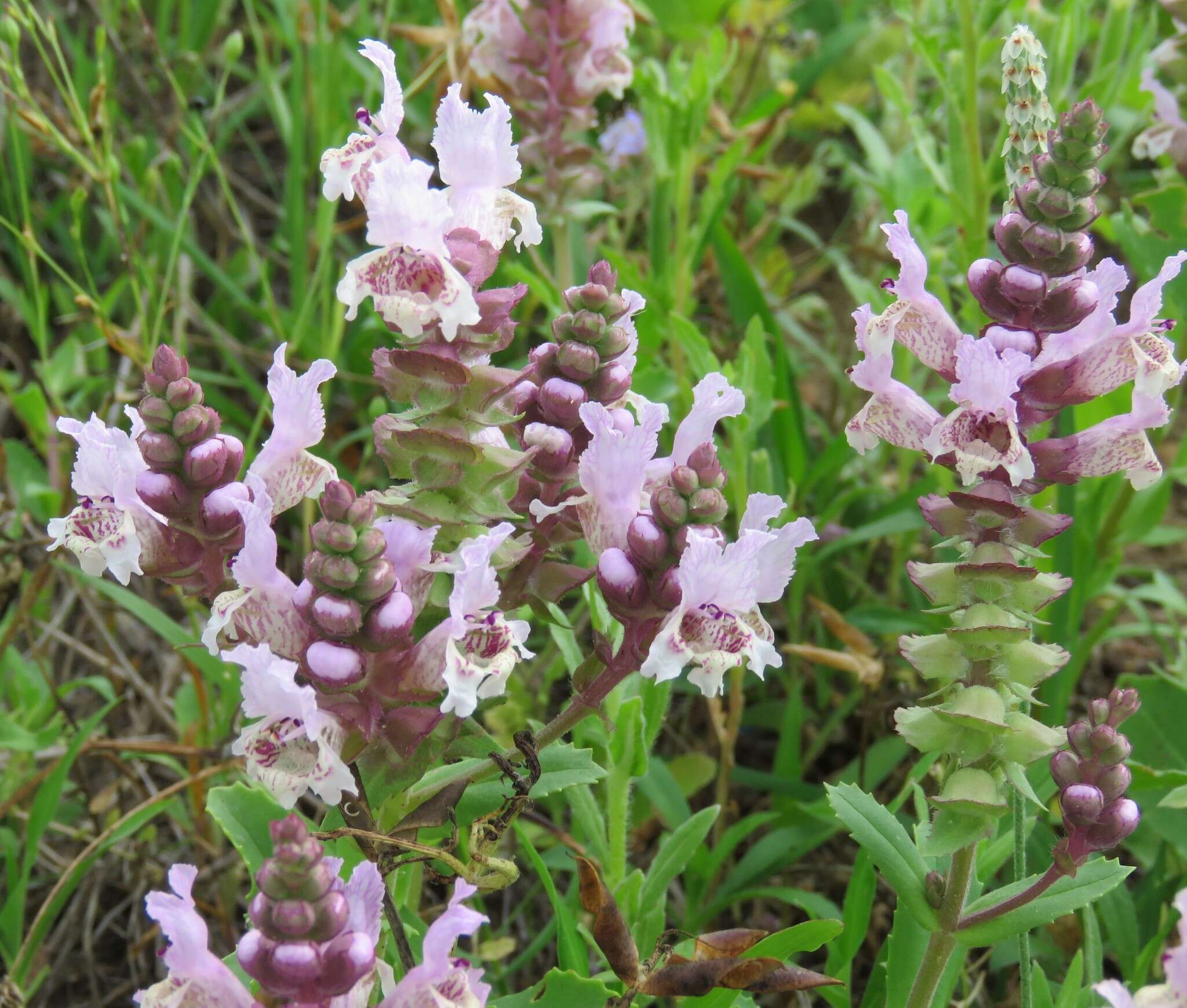
Brazoria
genus of plants
Scutellarioideae
Scutellarioideae is a subfamily of plants in the family Lamiaceae.
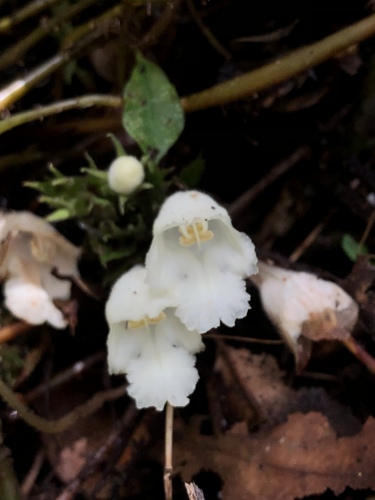
Gomphostemma
Gomphostemma is a genus of flowering plants in the mint family, Lamiaceae, first described in 1830. It is native to Southeast Asia, China, and the Indian subcontinent.
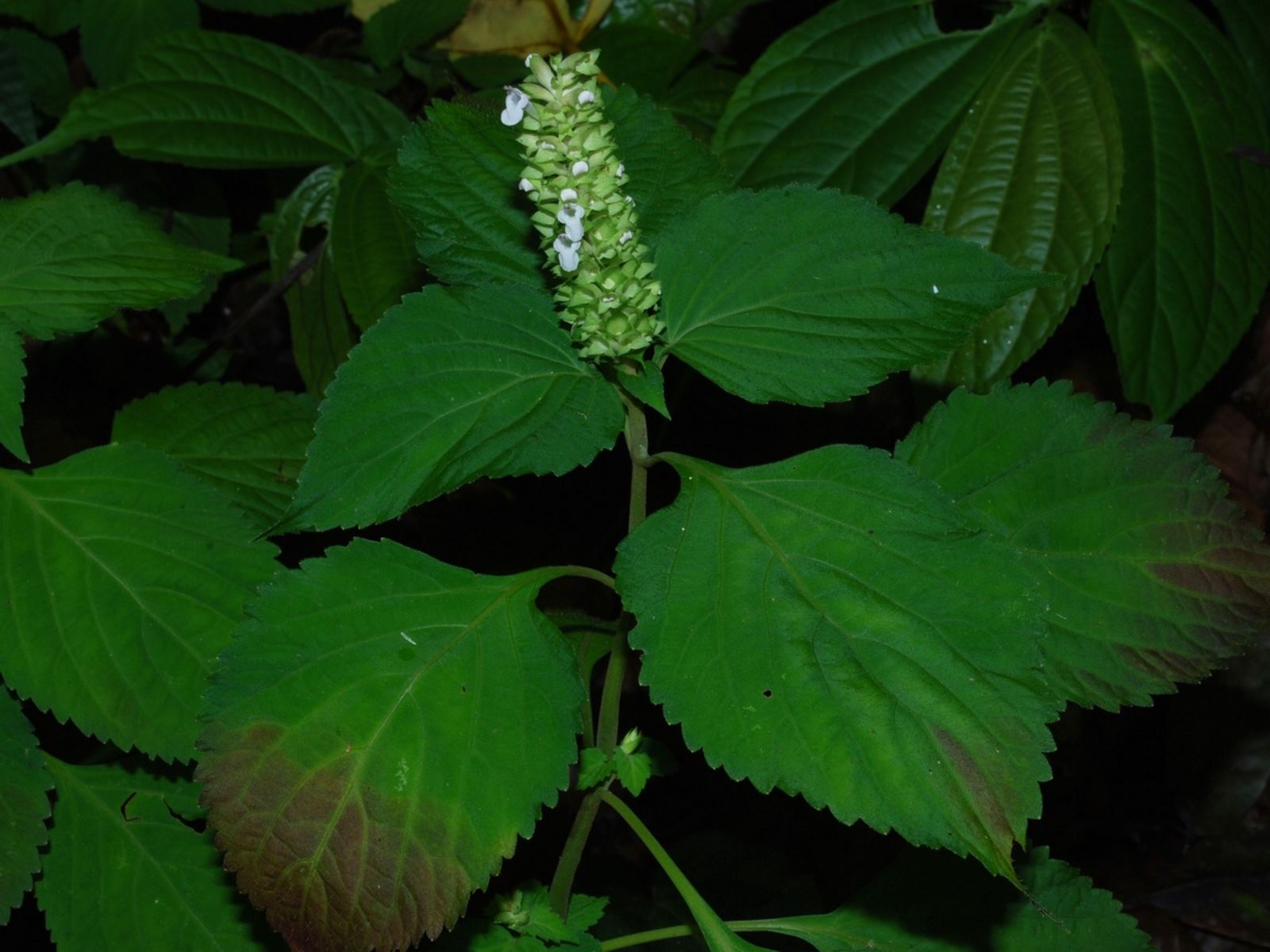
Achyrospermum
Achyrospermum is a genus in the family Lamiaceae. It contains 23 species and can be found across Sub-Saharan Africa and Southeast Asia.
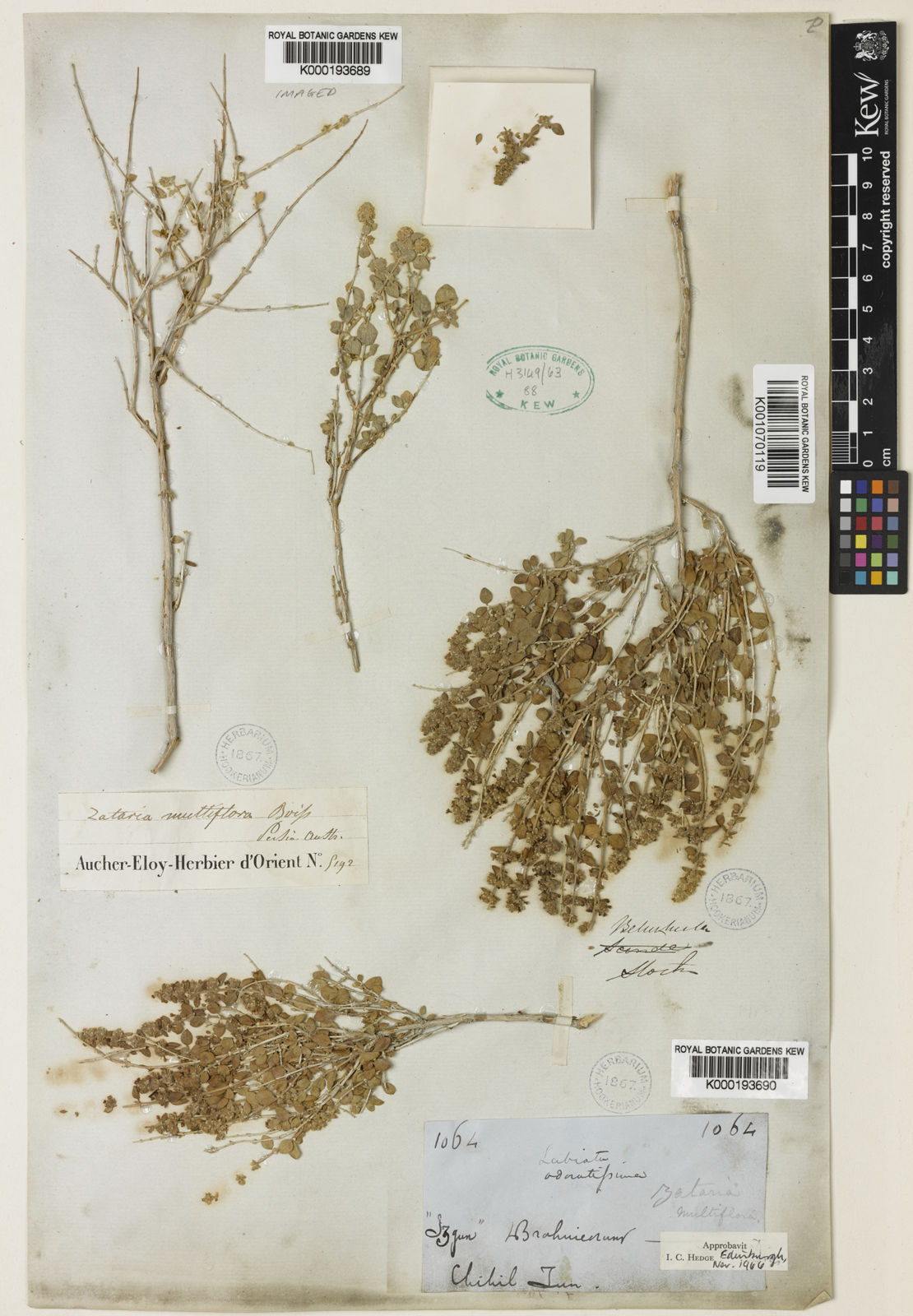
Zataria multiflora
Zataria is a genus of flowering plant in the family Lamiaceae, first described in 1876. It contains only one known species, Zataria multiflora, native to southwestern Asia (Iran, Afghanistan, Pakistan, Kashmir).
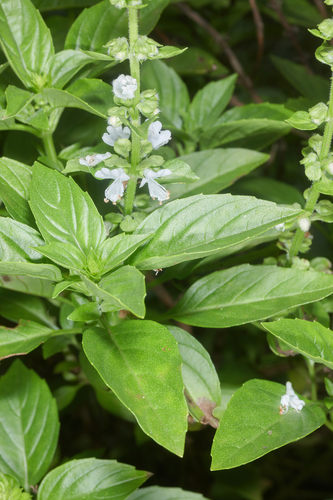
Basilicum
Basilicum is a genus of plants in the family Lamiaceae, first described in 1802. It contains only one known species, Basilicum polystachyon, native to Africa, Madagascar, southern Asia (Saudi Arabia, India, China, Indochina, Borneo, Philippines, etc.), New Guinea, Australia, and various islands of the Pacific and Indian Oceans.

Heterolamium
Heterolamium is a genus of plants in the family Lamiaceae, first described in 1965. The 2 known species are both endemic to China.
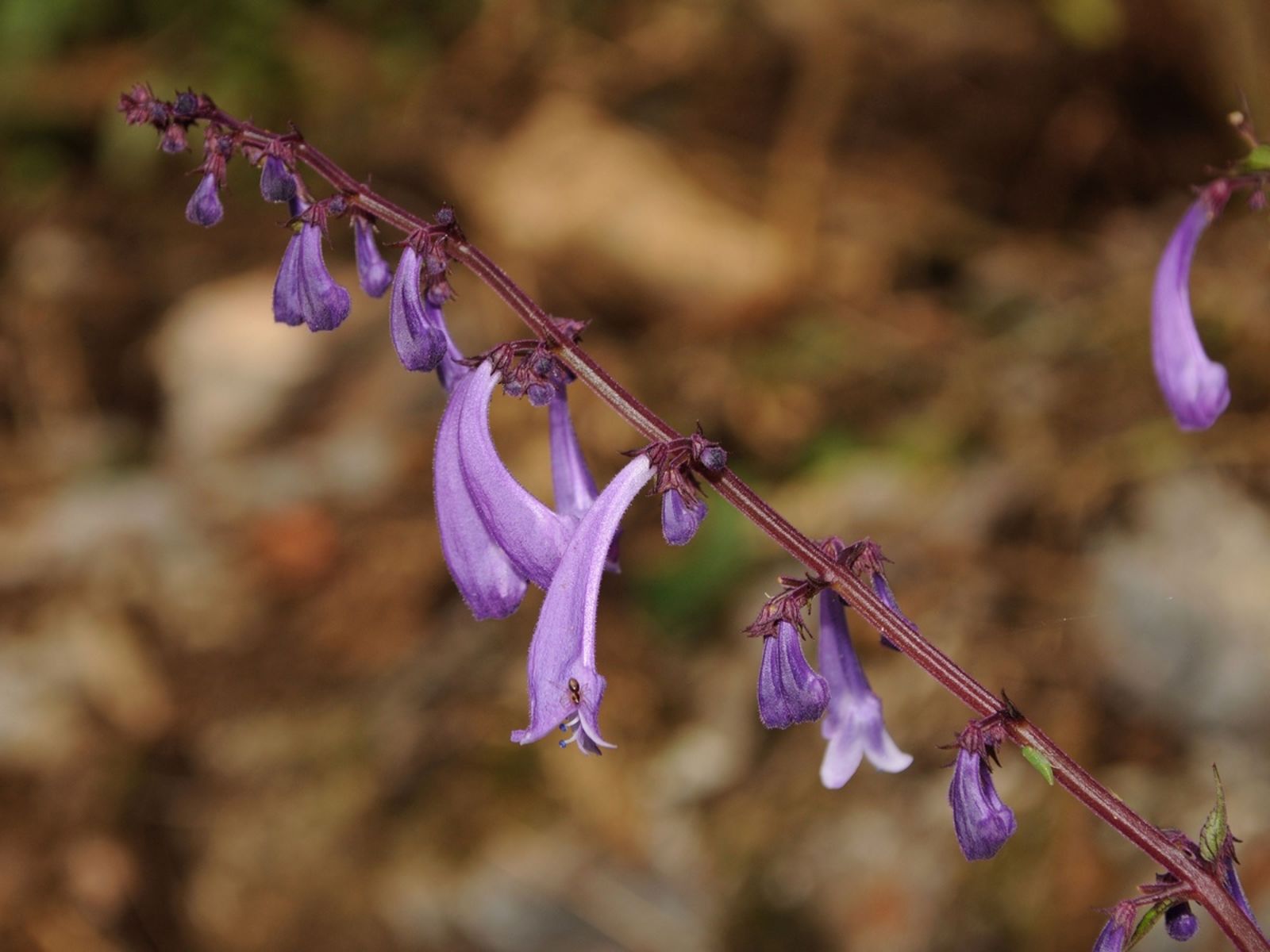
Hanceola
Hanceola is a genus of flowering plants in the mint family, Lamiaceae, first described with this name in 1929. The entire genus is endemic to China.

Suzukia
Suzukia is a genus of plants in the family Lamiaceae, first described in 1930. It contains two known species, native to Taiwan and the Ryukyu Islands (part of Japan).
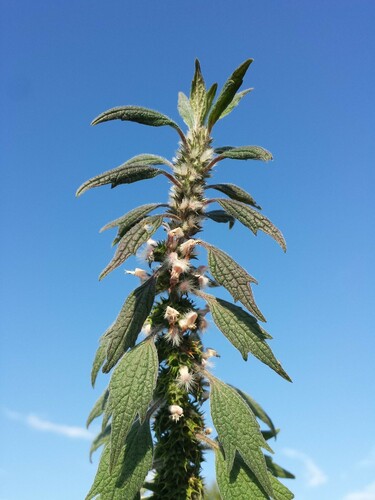
Leonurus quinquelobatus
species of plant in the family Lamiaceae
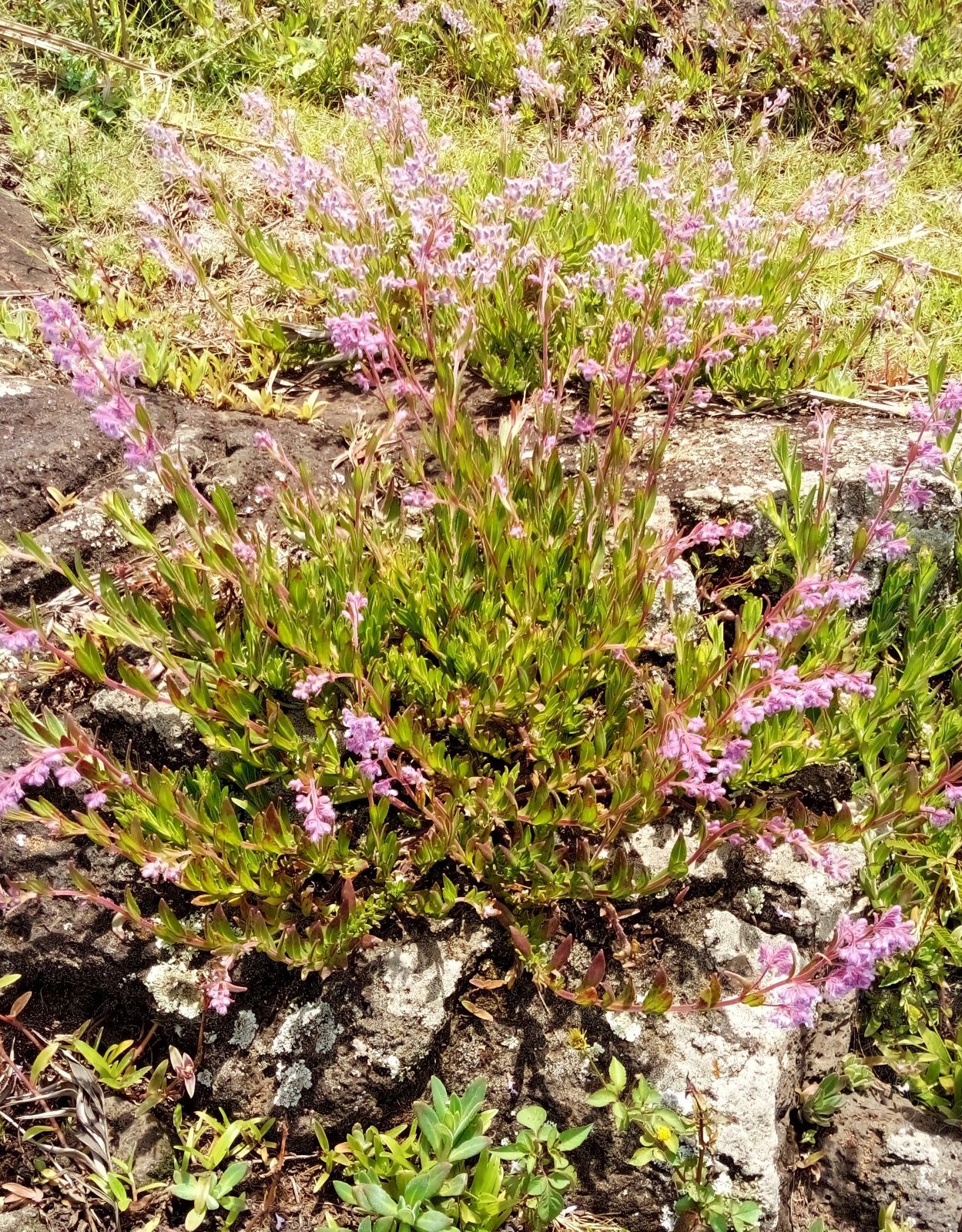
Aeollanthus
Aeollanthus (rocksage) is a genus in the mint family, Lamiaceae. All the species are native to Africa.
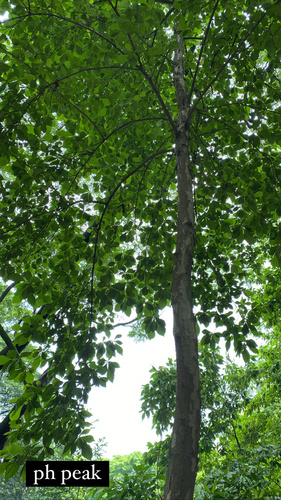
Tectona philippinensis
species of plant
Congea tomentosa
species of plant

Tripora divaricata
Tripora is genus of plants in the family Lamiaceae, first described as a genus in 1999. It includes only one known species, Tripora divaricata, native to Japan, Korea, and China (Gansu, Henan, Hubei, Jiangxi, Shaanxi, Shanxi, Sichuan).
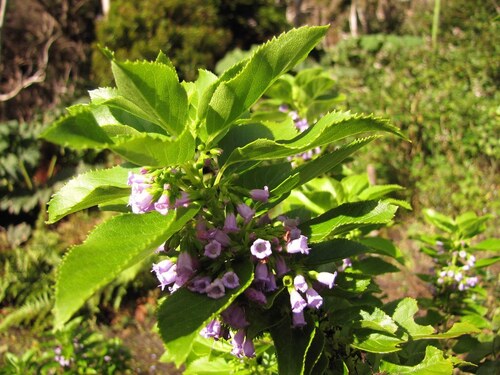
Cuminia
Cuminia is a genus of flowering plant in the family Lamiaceae, first described in 1835. It contains only one known species, Cuminia eriantha. It is endemic to Robinson Crusoe Island, one of the Juan Fernández Islands in the southeast Pacific, off the coast of Chile and politically a part of that country.

Ballota acetabulosa
species of plant

Lagopsis
genus of plants

Otostegia
Otostegia is a genus of flowering plants in the family Lamiaceae, first described in 1834. It is native to eastern Africa and the Middle East.
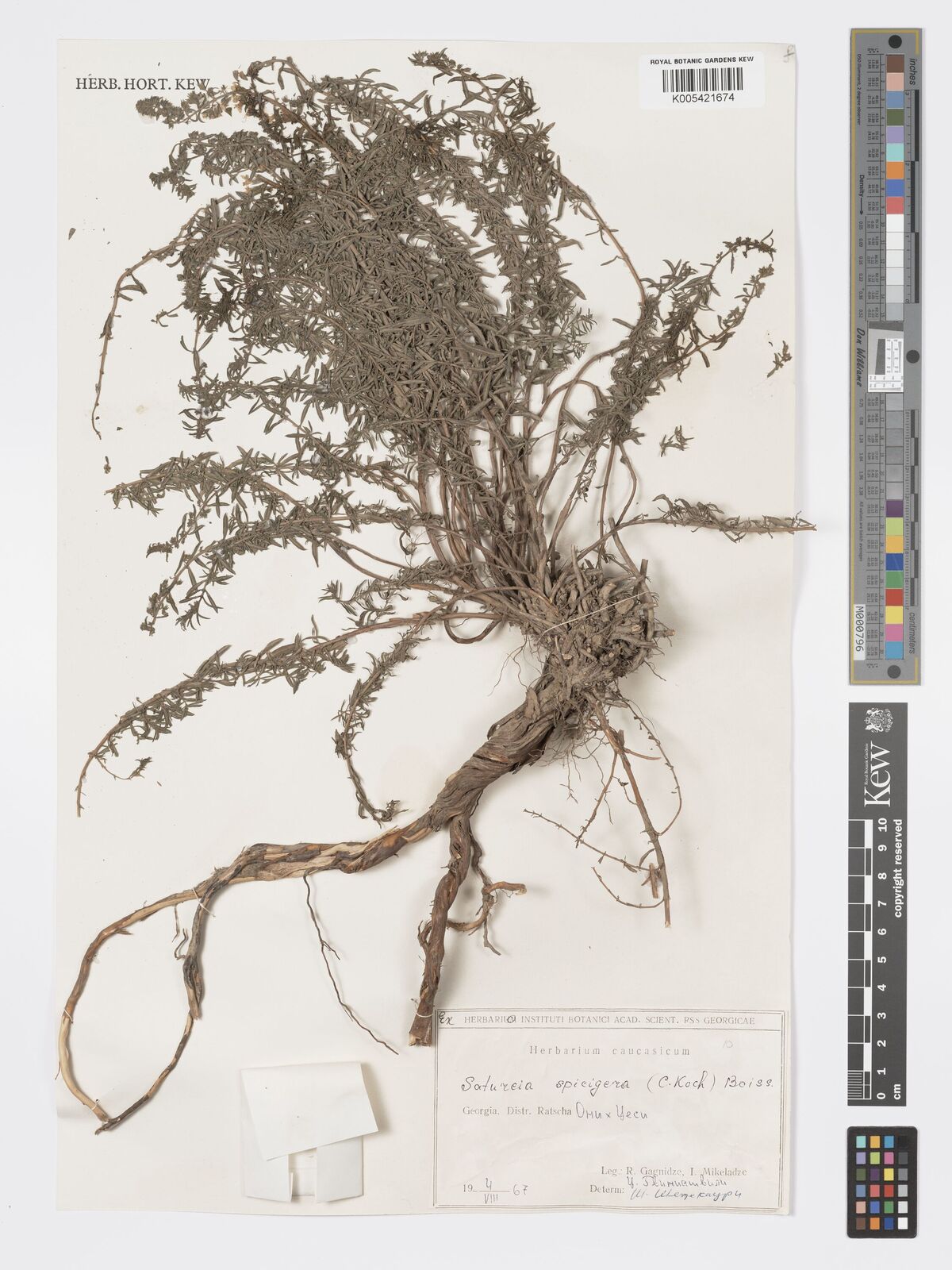
Satureja spicigera
species of plant

Asterohyptis
Asterohyptis is a genus of plants in the Lamiaceae, or mint family, first described in 1932. It is native to Mexico and Central America.
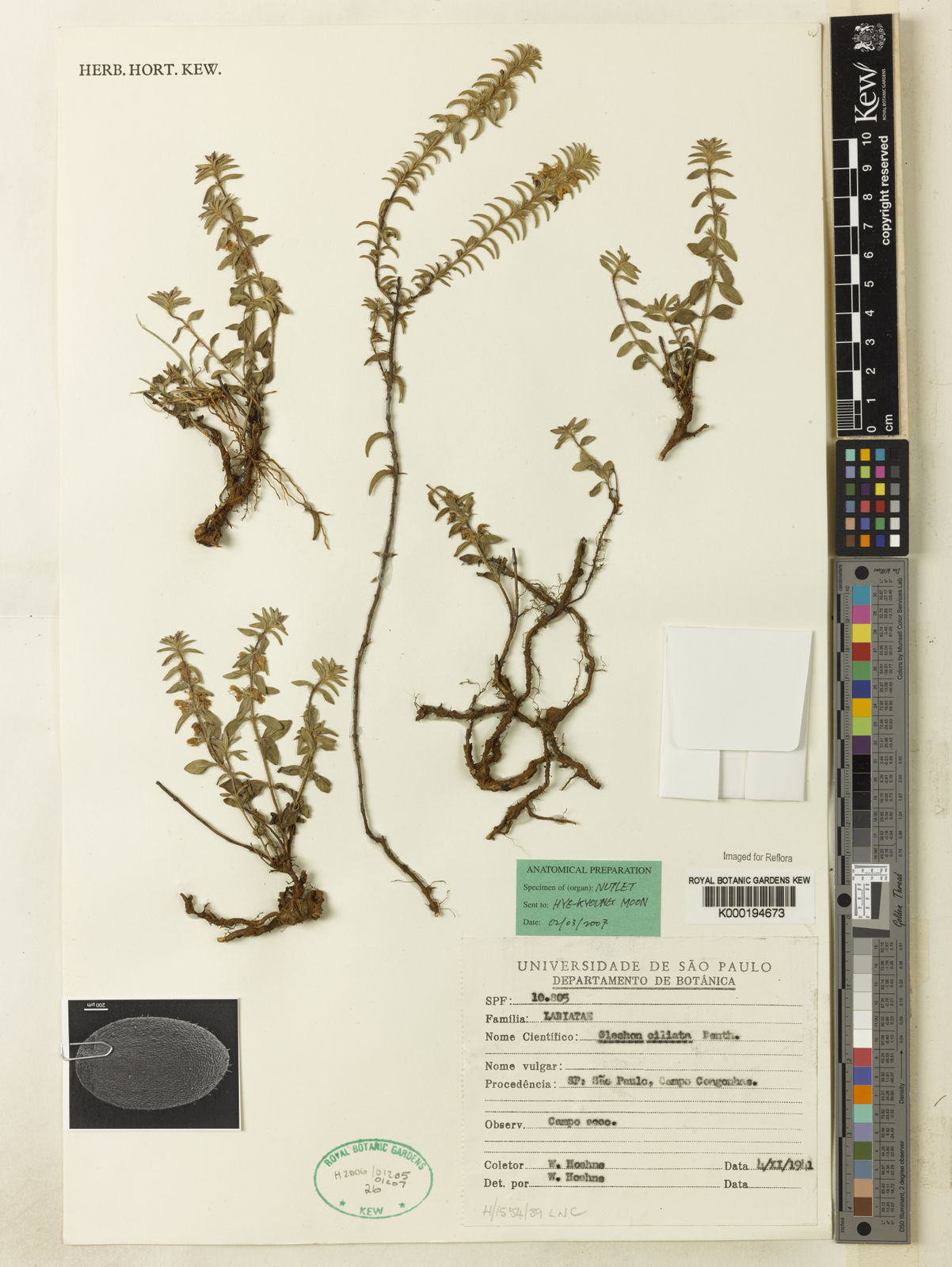
Glechon
Glechon is a genus of flowering plants in the mint family, Lamiaceae, first described in 1827. It is native to South America.

Hyptidendron
Hyptidendron is a genus of plants in the family Lamiaceae, first described in 1849. The entire genus is endemic to South America.
Ajugeae
Ajugeae is a tribe of the subfamily Ajugoideae in the family Lamiaceae. It contains five genera: Acrymia Prain, Ajuga L., Cymaria Benth., Garrettia H. R. Fletcher, and Holocheila (Kudô) S. Chow.

Paraphlomis
Paraphlomis is a genus of flowering plants in the mint family, Lamiaceae, first described in 1901. It is native to China, Japan, Korea, the eastern Himalayas, Indochina, and Malesia.

Hoslundia
Hoslundia is a genus of flowering plant in the family Lamiaceae, first described in 1804. It contains only one known species, Hoslundia opposita. It is widespread across much of sub-Saharan Africa.
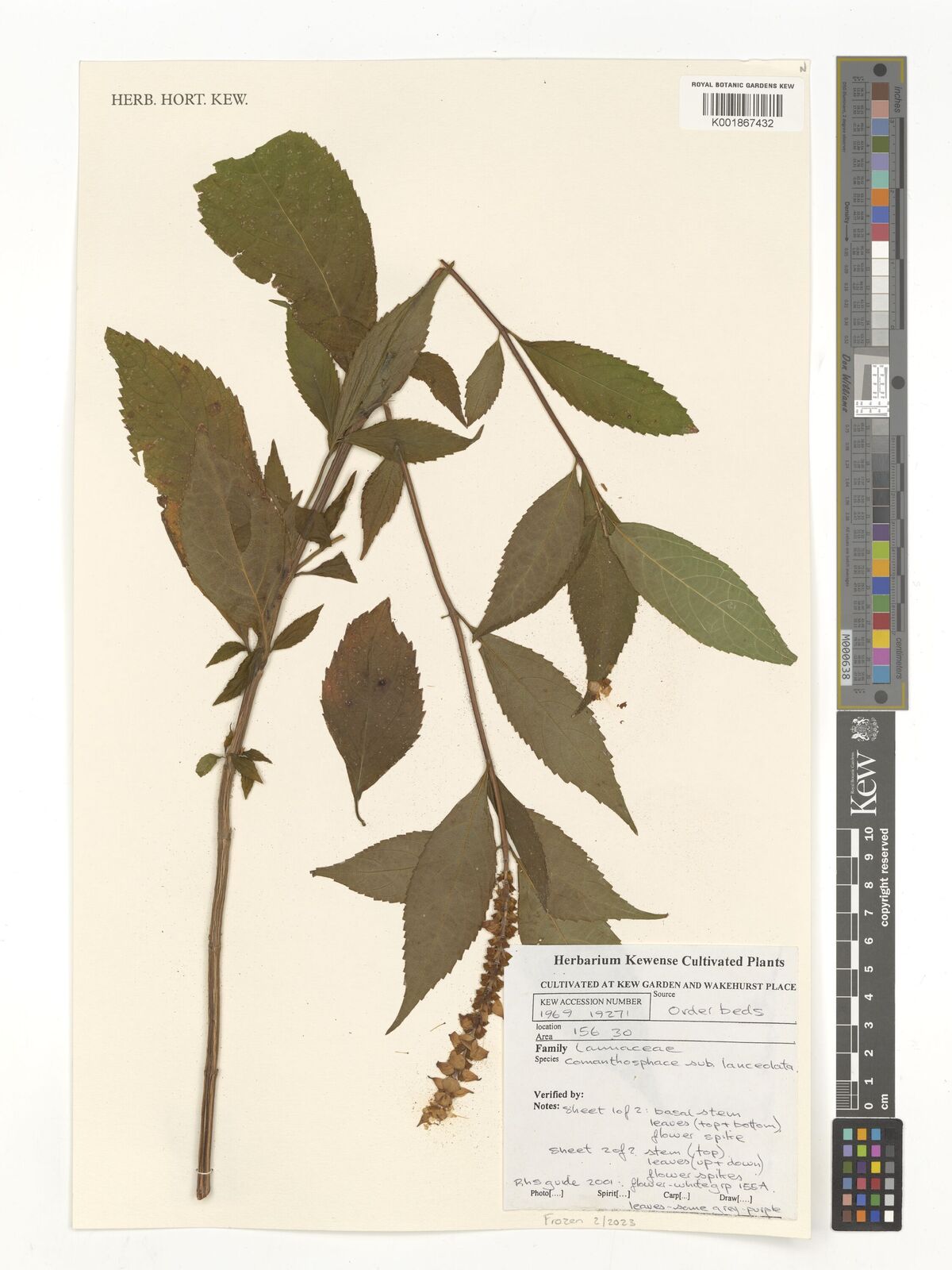
Comanthosphace
Comanthosphace is a genus of plants in the family Lamiaceae, first described in 1877. It is native to East Asia (China, Taiwan, Japan).
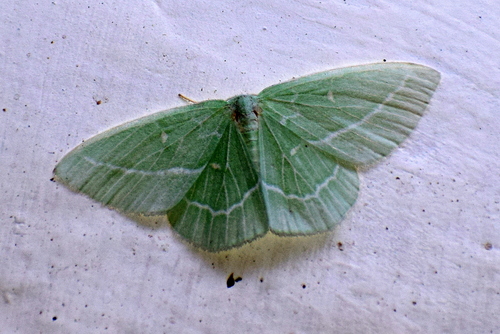
Cymaria
Cymaria is a genus of plants in the family Lamiaceae, first described in 1830. It is native to China, New Guinea, and Southeast Asia.

Anisochilus
Anisochilus is a genus in the family Lamiaceae, commonly called as Kapuri first described in 1830. It is native to China, the Indian subcontinent, and Indochina. Has healing properties that deal with treatment for ailments known as gastric ulcer and helps with dermis issues. Anisochilus also has active properties such as camphor, leutiolin, and apigenin. A new hygrine-like compound has been found within the DNA of this plant.
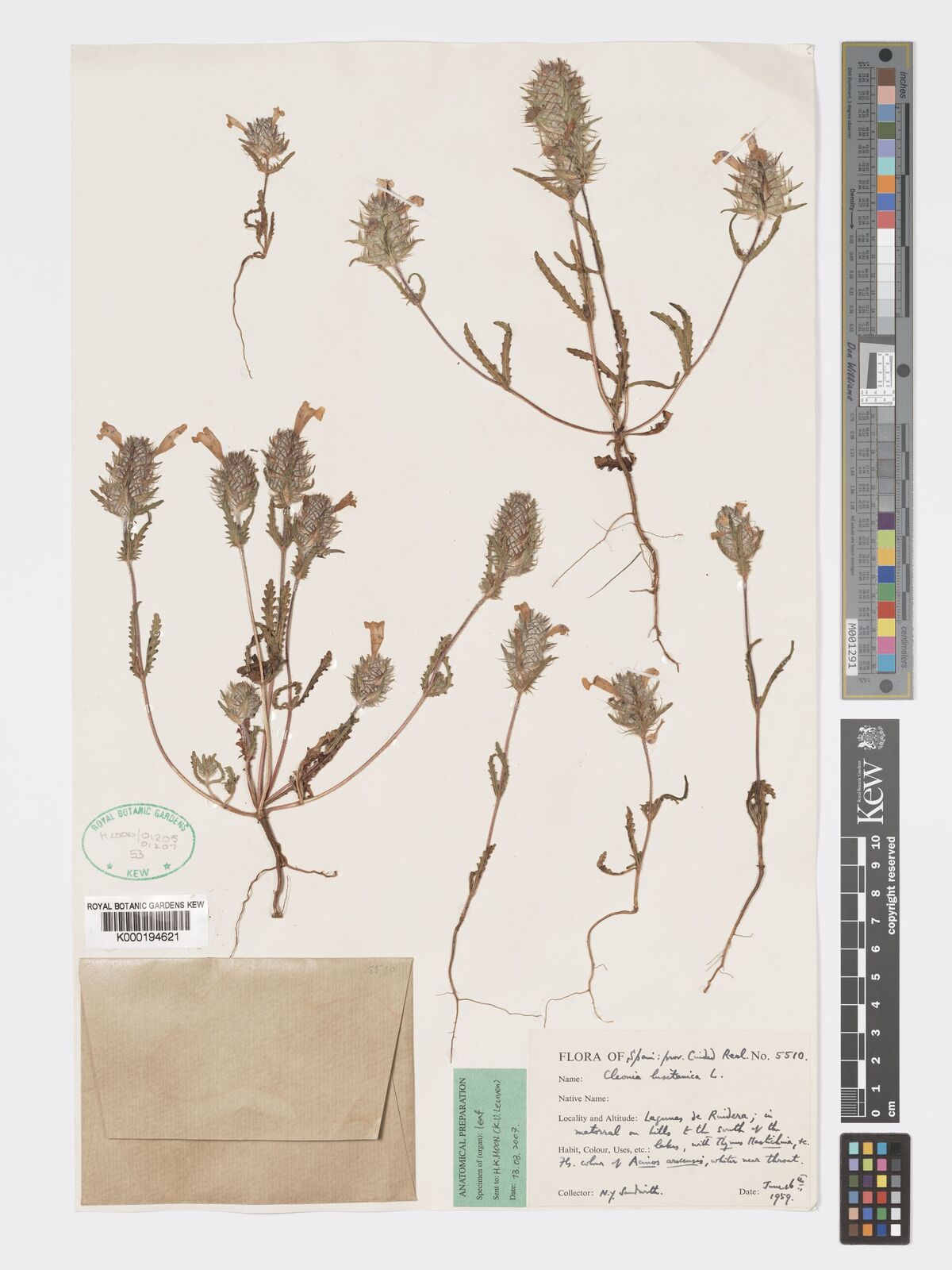
Cleonia
Cleonia is a genus of plants in the mint family (Lamiaceae), first described in 1763. It contains only one known species, Cleonia lusitanica, native to Spain, Portugal, Algeria, Morocco, and Tunisia.
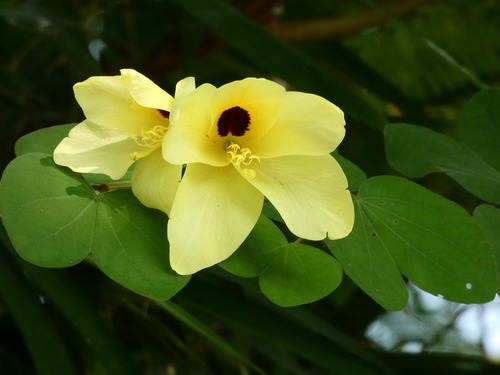
Alvesia
Alvesia is a genus of plants in the family Lamiaceae, first described in 1869. It is native to central Africa.
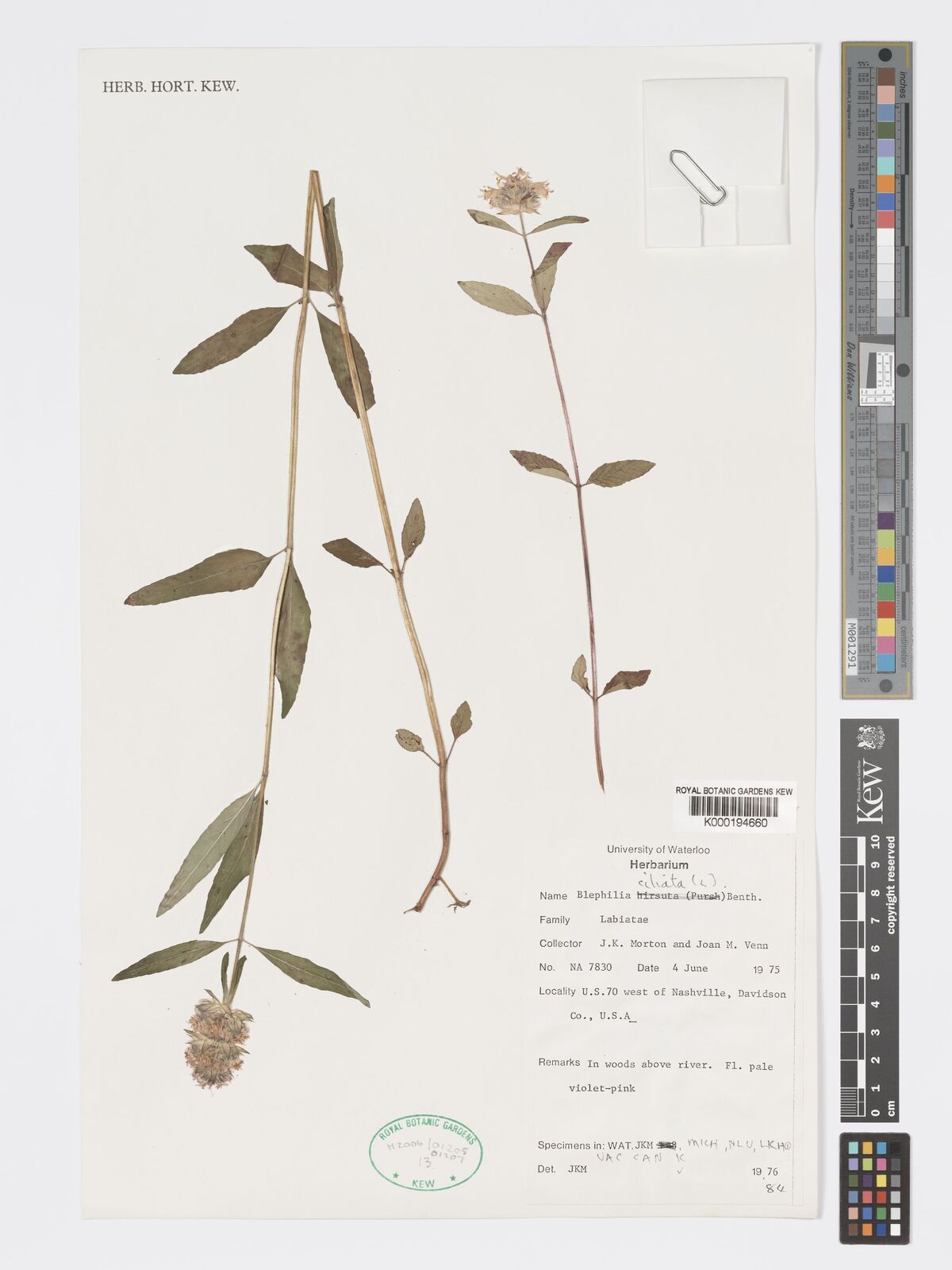
Blephilia ciliata
species of plant
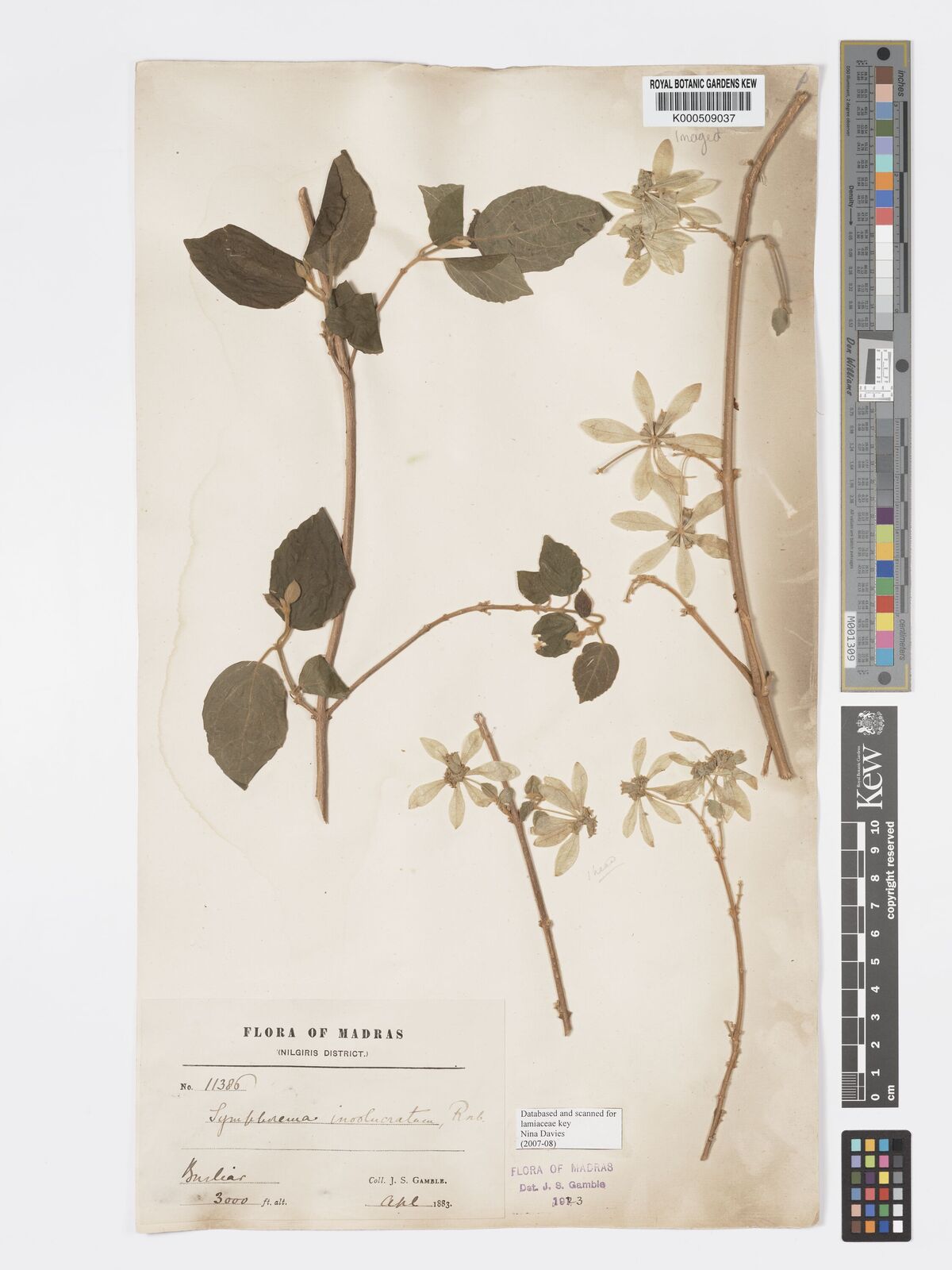
Symphorema
Symphorema is a genus of plants in the family Lamiaceae, first described in 1805. It is native to Asia.

Microtoena
Microtoena is a genus of flowering plants in the mint family, Lamiaceae, first described in 1889. It is native to eastern and southeastern Asia, primarily China.
Symphorematoideae
Sympheromatoideae is a subfamily of flowering plants in the Lamiaceae.
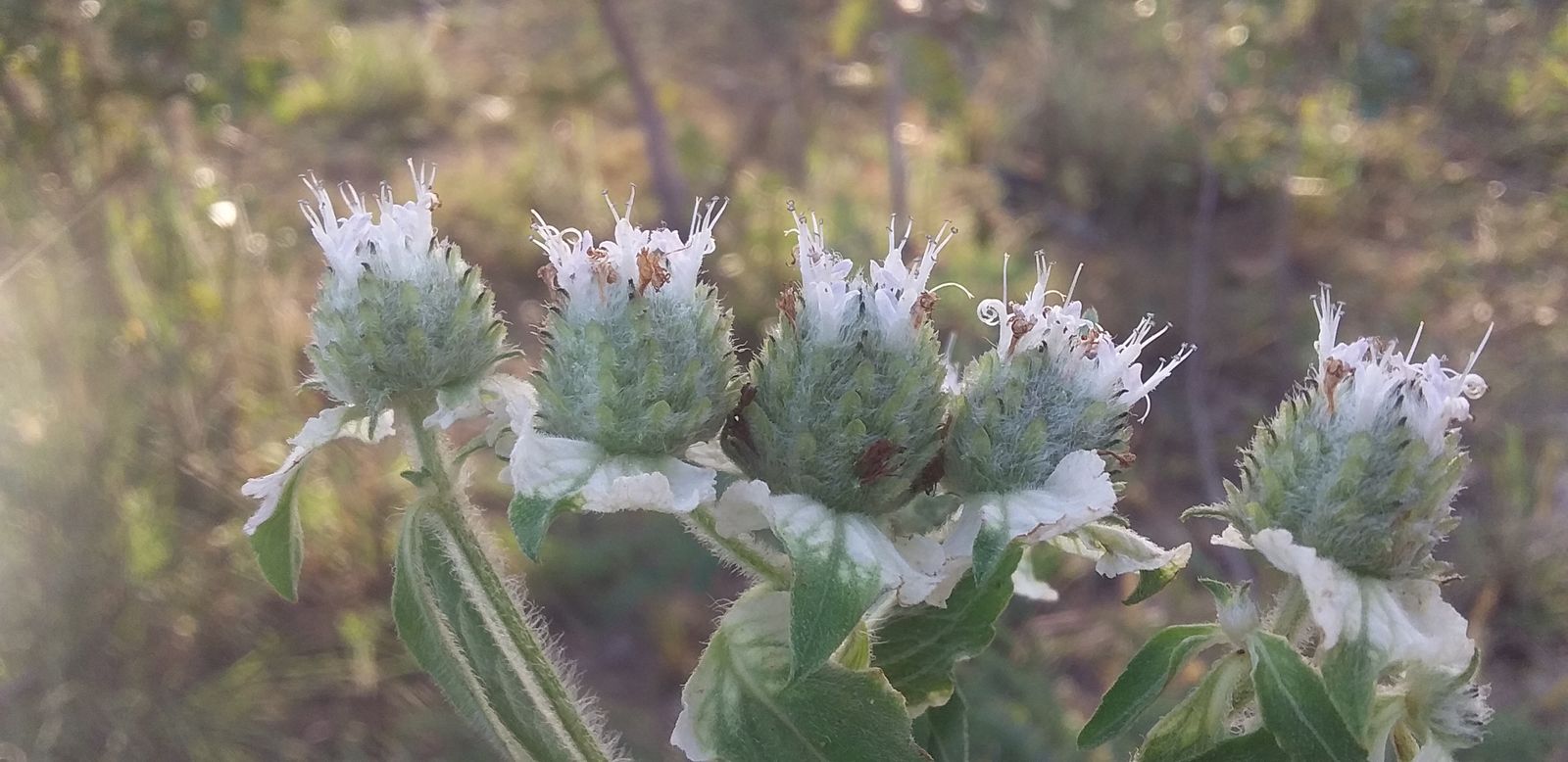
Haumaniastrum
Haumaniastrum is a genus of flowering plants in the mint family, Lamiaceae, first described in 1959. The species are native to Africa (including Madagascar).
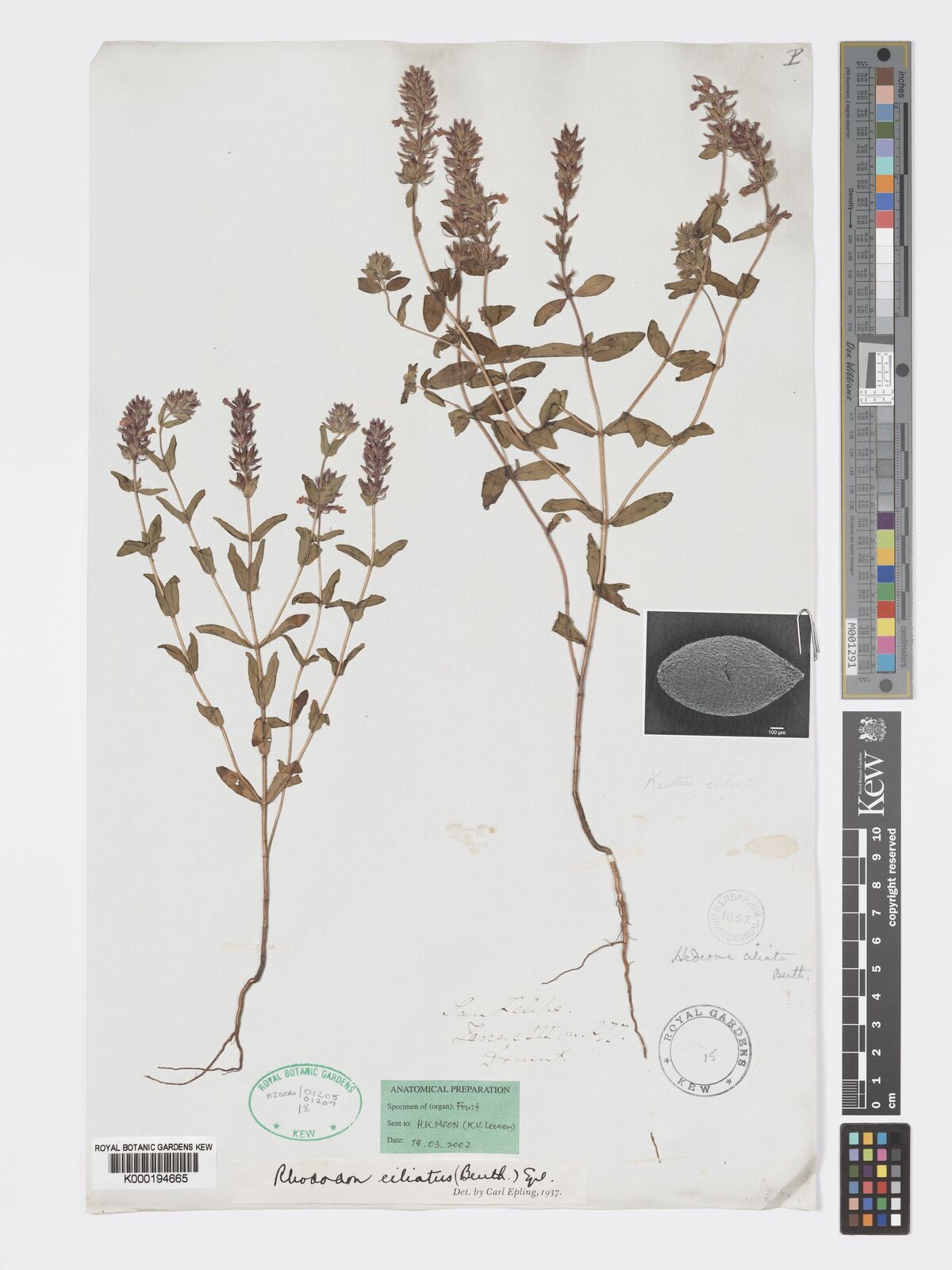
Rhododon
Rhododon, commonly referred to as sandmint, is a genus of flowering plant in the mint family (Lamiaceae) first described in 1939. It contains two known species, Rhododon ciliatus (Texas sandmint) and Rhododon angulatus (angled sandmint) Both species are endemic to the state of Texas in the United States.
Hypogomphia
Hypogomphia is a genus of flowering plants in the mint family, Lamiaceae, first described in 1873. It is native to Iran, Afghanistan, and Central Asia.
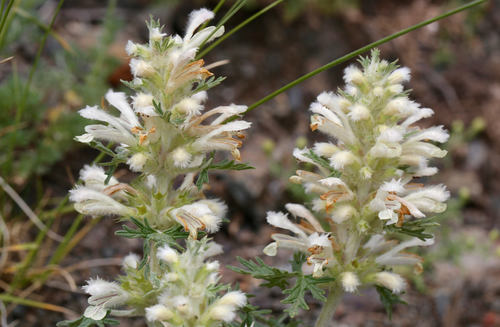
Panzerina
Panzerina is a genus of plants in the Lamiaceae first described in 1982. It contains 2 known species, native to Siberia, China, and Mongolia.
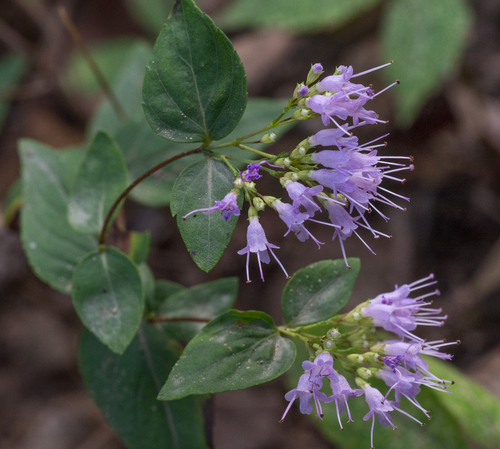
Cunila origanoides
species of plant