Category
page 2Language articles with Linglist code
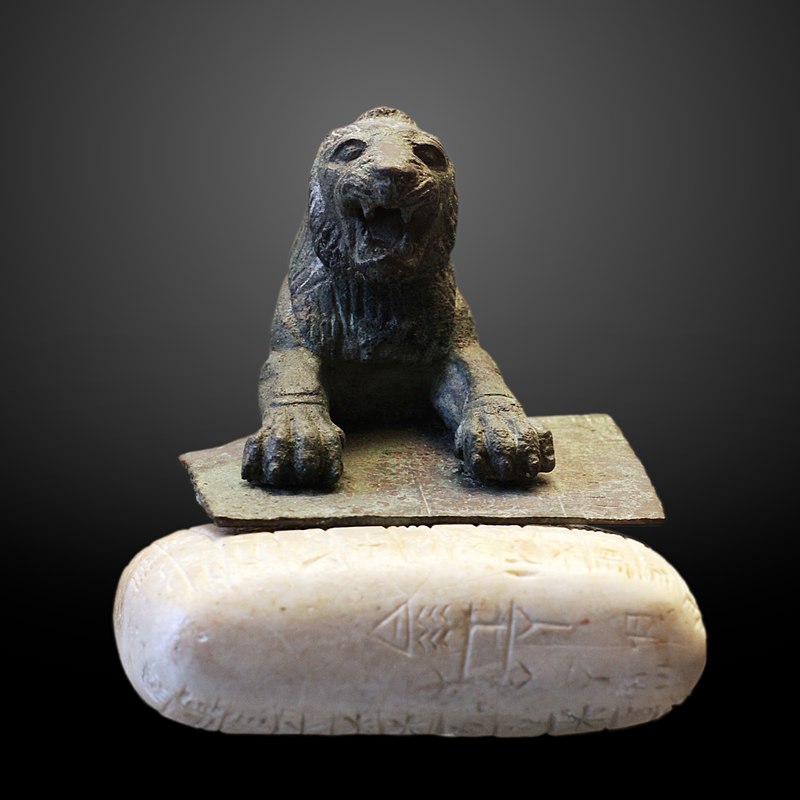
Hurrian
extinct ancient Hurro-Urartian language spoken in Mesopotamia in the 2nd millenium BC
Old Saxon
Germanic language spoken 8C – 12C

Lydian
language
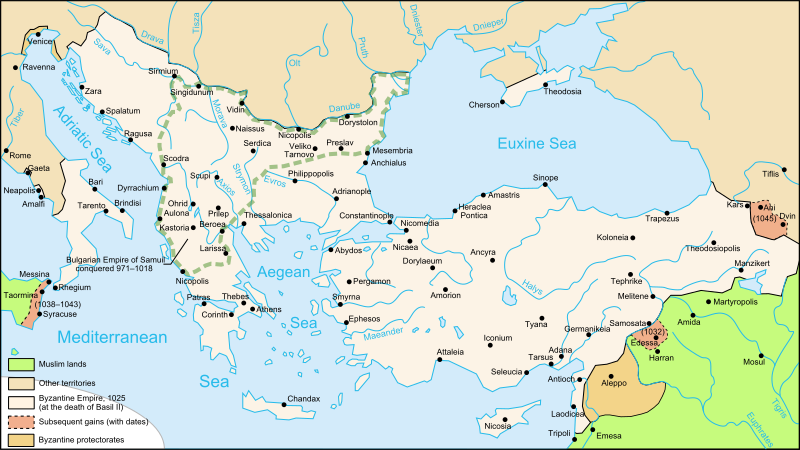
medieval Greek
medieval stage of the Greek language

Udi
Northeast Caucasian language
Crimean Gothic
dialect

Galatian
extinct Celtic language from Asia Minor

Kokborok
Kokborok (or Tripuri) is a Tibeto-Burman language of the Indian state of Tripura and neighbouring areas of Bangladesh. Its name comes from kók meaning "verbal" or "language" and borok meaning "people" or "human". It is one of the ancient languages of Northeast India.

Umbrian
extinct Italic language of central Italy
Urartian
extinct language of Urartu

Lycian
language
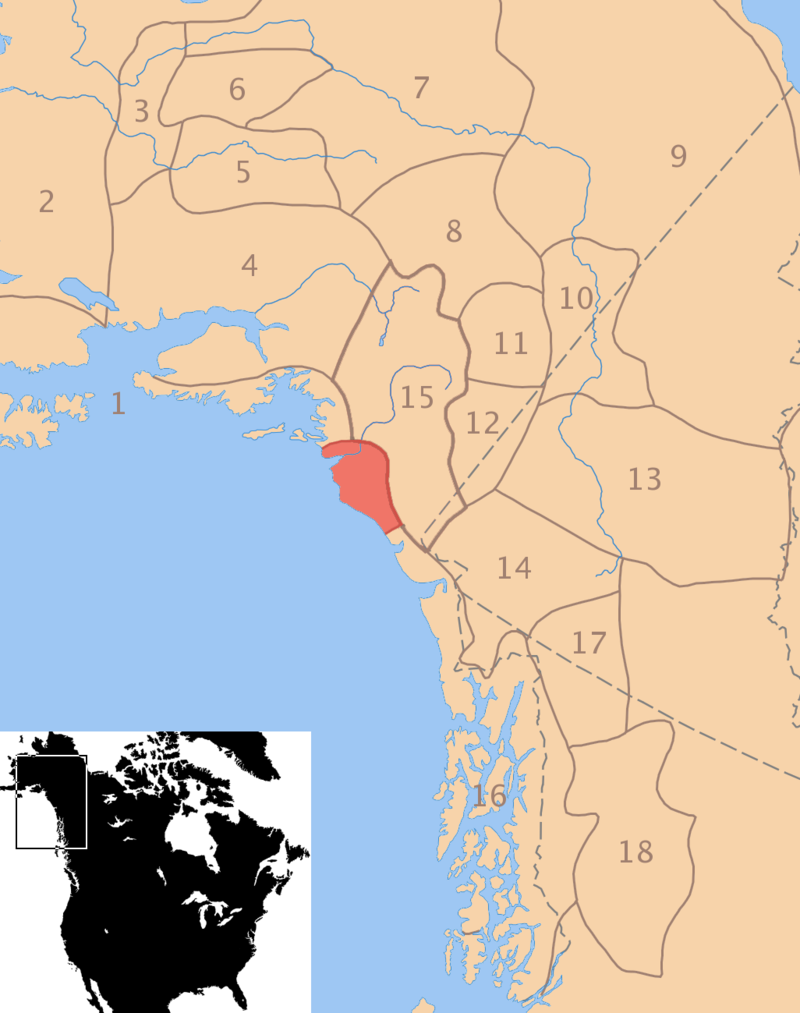
Eyak
indigenous language of North America

Eblaite
Extinct Semitic language spoken in Ebla
Mycenaean Greek
most ancient attested form of the Greek language from the 16th to 12th centuries BC
Khazar language
language spoken by the Khazars, a nomadic steppe people of Turkic descent

Chittagonian
language spoken throughout the Chittagong region
Kawi
oldest attested phase of the Javanese language

Hattic
extinct language of Turkey

Frankish
West Germanic language spoken in 5th- to 9th-century Western Europe; ancestor of the Franconian languages
Kamas
extinct Samoyed language

Celtiberian
language
Lepontic
ancient Celtic language
Attic Greek
ancient Greek dialect
Anglo-Norman
langue d'oïl formerly spoken in the British Isles
Venetic
language
Classical Latin
high-prestige form of the Latin language in the Roman Republic and Empire
Mandaic
language of the Mandaean religion and community
Pecheneg
language
Median
Old Iranian language
Cuman
extinct Kipchak Turkic language
Khwarezmian
extinct East Iranian language closely related to Sogdian
Doric Greek
Ancient Greek dialect
Bulgar
extinct Oghur Turkic language
Hunnic
language spoken by Huns
Kemi Sami
extinct Sami language
Proto-Norse
progenitor of the North Germanic languages
Aeolic Greek
set of Ancient Greek dialects
Palaic
language
Kölsch
dialect of the Ripuarian Central German group of languages
Faliscan
language of the Faliscan civilization
medieval Latin
form of Latin used in the Middle Ages
Oirat
Mongolic language spoken in Russia, China and Mongolia
Merya
extinct language
Guanche
extinct language of Canary Islands
Curonian
extinct language spoken by the Curonians
Yola
extinct Germanic language
Carian
language of the Luwian subgroup of the Anatolian branch of the Indo-European language family
Mator
extinct Uralic language
Messapian
extinct Indo-European language

Sicani
right|thumb|250px|Approximate locations of the Elymians and their neighbors, the Sicani and the Sicels, in [[Sicily around 11th century BC (before the arrival of the Phoenicians and the Greeks).]]
The Sicani or Sicanians were one of three ancient peoples of Sicily present at the time of Phoenician and Greek colonization. The Sicani dwelt east of the Elymians and west of the Sicels, having, according to Diodorus Siculus, the boundary with the last in the ancient Himera river (Salso) after a series of battles between these tribes.
Dacian
extinct Indo-European language
Classical Armenian
oldest attested form of the Armenian language
Old Chinese
oldest attested stage of Chinese
Láadan
Láadan () is a gynocentric constructed language created by Suzette Haden Elgin in 1982 to test the Sapir–Whorf hypothesis, specifically to determine if development of a language aimed at expressing the views of women would shape a culture; a subsidiary hypothesis was that Western natural languages may be better suited for expressing the views of men than women. The language was included in her science fiction Native Tongue series.
Sudovian
extinct Western Baltic language
Russenorsk
Russenorsk (; , ; English: Russo-Norwegian) is an extinct dual-source "restricted pidgin" language formerly used in the Arctic, which combined elements of Russian and Norwegian. Russenorsk originated from Russian traders from Kola (north-western Russia) and Norwegian fishermen from Tromsø (northern Norway). It was used extensively in Northern Norway for about 150 years in the Pomor trade. Russenorsk is important as a test case for theories concerning pidgin languages since it was used far away from most of the other documented pidgins of the world.

Raetic
Rhaetic or Raetic (), also known as Rhaetian, was a Tyrsenian language spoken in the ancient region of Rhaetia in the eastern Alps in pre-Roman and Roman times. It is documented by around 280 texts dated from the 5th through the 1st century BC, which were found through northern Italy, southern Germany, eastern Switzerland, Slovenia and western Austria, in two variants of the Old Italic scripts. Rhaetic is largely accepted as being closely related to Etruscan.
Lombardic
extinct Germanic language
Ionic Greek
ancient Greek dialect

Galician–Portuguese
Galician–Portuguese ( or ; or ), also known as Old Galician–Portuguese, Galaic-Portuguese, or (in contexts focused on one of the modern languages) Old Galician, Old Portuguese, Medieval Galician or Medieval Portuguese, was a West Iberian Romance language spoken in the Middle Ages, in the northwest area of the Iberian Peninsula. It is both the ancestor language and historical period of development of modern Galician, Fala, Portuguese and Eonavian languages which maintain a high degree of mutual intelligibility.