Category
page 3Languages with ISO 639-1 code

Avar
language belonging to the Avar–Andic group of the Northeast Caucasian language family

Walloon
Romance language indigenous to Belgium and France

Sundanese
language spoken in Indonesia

Tigrinya
Semitic language spoken in Ethiopia and Eritrea

Igbo
Niger–Congo language of the Igbo people, mainly spoken in Nigeria

Avestan
Avestan ( ) is the liturgical language of Zoroastrianism. It belongs to the Iranian branch of the Indo-European language family and was originally spoken during the Avestan period ( BCE) by the Iranians living in eastern Greater Iran as evidenced from names in Avestan geography.

Maldivian
Indo-Aryan national language of the Maldives

Yoruba
Niger-Congo language spoken in West Africa

Wolof
language of Senegal, the Gambia, and Mauritania

Samoan
language of the Samoan Islands

Sesotho
Southern Bantu language
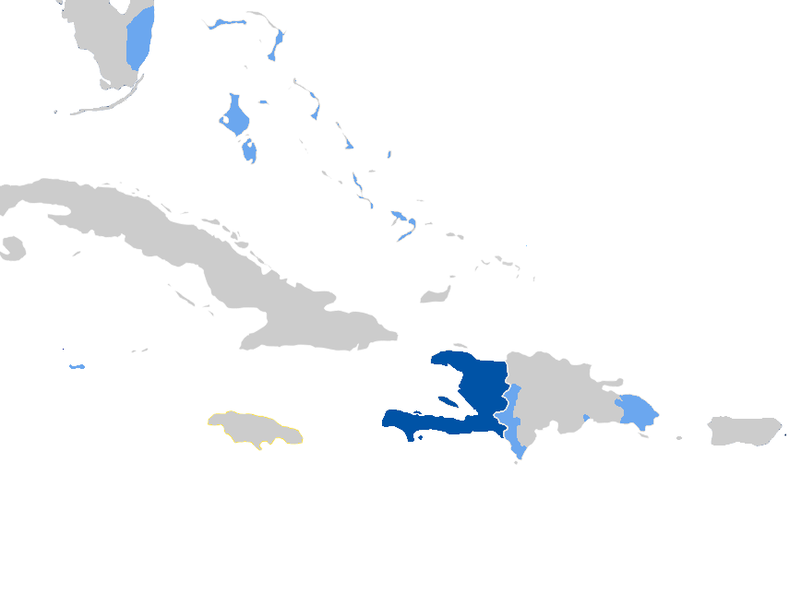
Haitian Creole
language spoken in Haiti

Komi
Uralic language that is spoken on the Republic of Komi, Russia

Kinyarwanda
Kinyarwanda, officially known as Ikinyarwanda, is a Bantu language and the national language of Rwanda. It is a dialect of the Rwanda-Rundi language that is also spoken in Uganda, where the dialect is known as Ikinyakore, Rufumbira, or Urufumbira. Kinyarwanda is universal among the native population of Rwanda and is mutually intelligible with Kirundi, the national language of neighbouring Burundi.

Nynorsk
Nynorsk (; ) is one of the two official written standards of the Norwegian language, the other being Bokmål. From 12 May 1885, it became the state-sanctioned version of Ivar Aasen's standard Norwegian language (Landsmål), parallel to the Dano-Norwegian written standard known as Riksmål. The name Nynorsk was introduced in 1929. After a series of reforms, it is still the written standard closer to , whereas Bokmål is closer to Riksmål and Danish.
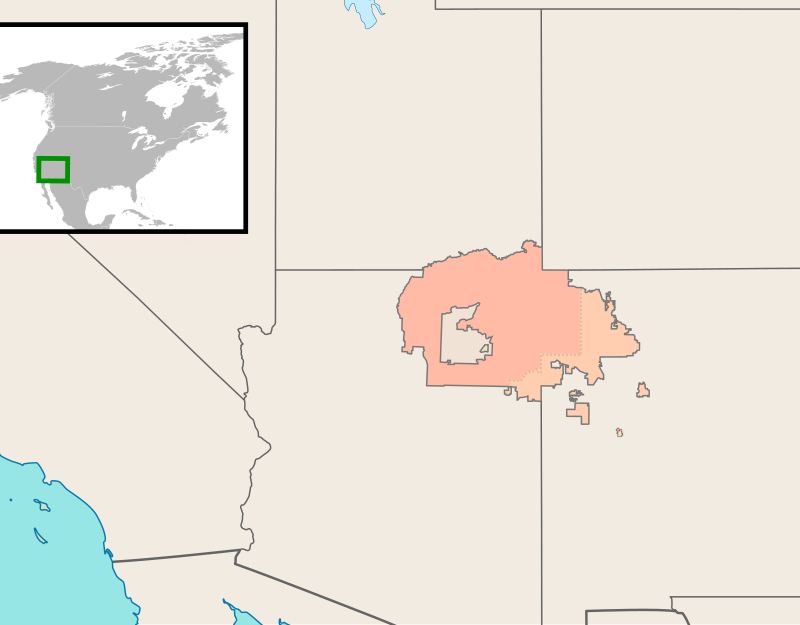
Navajo
Athabaskan language of Na-Dené stock spoken in the southwestern United States

Bokmål
Bokmål (; , ; ) is one of the official written standards for the Norwegian language, alongside Nynorsk. Bokmål is by far the most used written form of Norwegian today, as it is adopted by around 90% of the population in Norway. There is no countrywide standard or agreement on the pronunciation of Bokmål and the spoken dialects vary greatly.

Tongan
Polynesian language

Old Church Slavonic
medieval Slavic literary language, without ISO codes, preceding Church Slavonic (Q33251, cu, chu)

Tswana
Bantu language of and South Africa

Limburgish language
Limburgish ( or ; ; also Limburgian, Limburgic or Limburgan) is the collective designation for a group of closely related language varieties spoken in most of Belgian and Dutch Limburg and in the adjacent areas of North Rhine-Westphalia.

Moldovan
former name for the Romanian language in Moldova

Afar
Afro-Asiatic language spoken in Ethiopia, Djibouti and Eritrea

Swazi
language of the Swazi people

Northern Sami
most widely spoken of all Sámi languages

Inuktitut
Inuktitut ( ; , syllabics ), also known as Eastern Canadian Inuktitut, is one of the principal Inuit languages of Canada. It is spoken in all areas north of the North American tree line, including parts of the provinces of Newfoundland and Labrador, Quebec, to some extent in northeastern Manitoba as well as the Northwest Territories and Nunavut. It is one of the aboriginal languages written with Canadian Aboriginal syllabics.
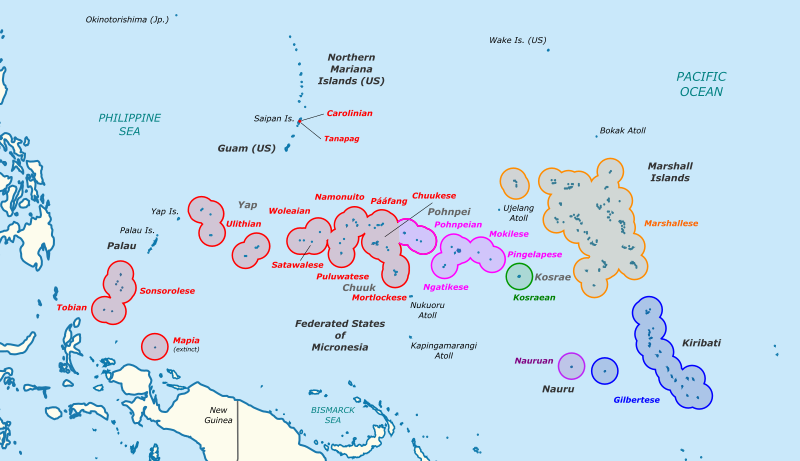
Nauruan
Austronesian language spoken in Nauru

Kirundi
Kirundi (), also known as Rundi, is a Bantu language and the national language of Burundi. It is mutually intelligible with Kinyarwanda, the national language of Rwanda, and the two form parts of the Rwanda-Rundi dialect continuum spoken in Burundi, Rwanda, Tanzania, Democratic Republic of Congo, Uganda, and Kenya.

Chewa
language of the Bantu language family

Fula
language of West Africa of the Senegambian branch of the Niger–Congo language family

Fijian
Austronesian language of the Malayo-Polynesian family spoken in Fiji

Bambara
western African language spoken in Mali, with SVO structure and two lexical tones

Oromo
Cushitic language

Shona
Bantu language of Zimbabwe and Mozambique

Ewe
Niger–Congo language spoken in southeastern Ghana and southern Togo
Bislama
thumb|A Bislama speaker, recorded in Vanuatu

West Frisian
West Germanic language spoken in Friesland

Lingala
Lingala (or Ngala, Lingala: ) is a Bantu language spoken in the northwest of the Democratic Republic of the Congo, the northern half of the Republic of the Congo, in their capitals, Kinshasa and Brazzaville, and to a lesser degree as a trade language because of emigration in neighbouring Angola or Central African Republic. Lingala has 20 million native speakers and about another 20 million second-language speakers, for an approximate total of 40 million speakers. A significant portion of both Congolese diasporas speaks Lingala in their countries of immigration like Belgium, France or the Unite

Tsonga
Bantu language of the Tsonga people of southern Africa

Venda
language of the Venda people
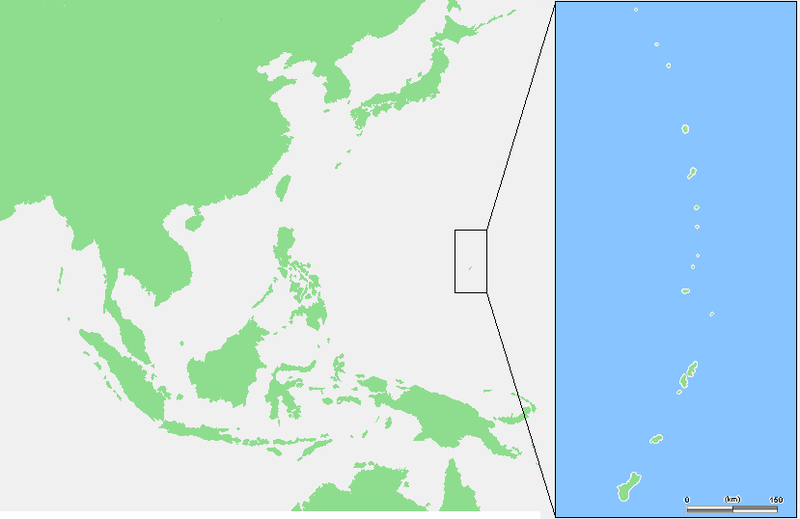
Chamorro
Malayo-Polynesian (Austronesian) language, spoken on the Mariana Islands

Tahitian
language of French Polynesia without official language status
Marshallese
Micronesian language

Kongo
Bantu language spoken in Angola, Congo Brazzaville and Congo Kinshasa

Modern Greek
dialects and varieties of the Greek language spoken in the modern era
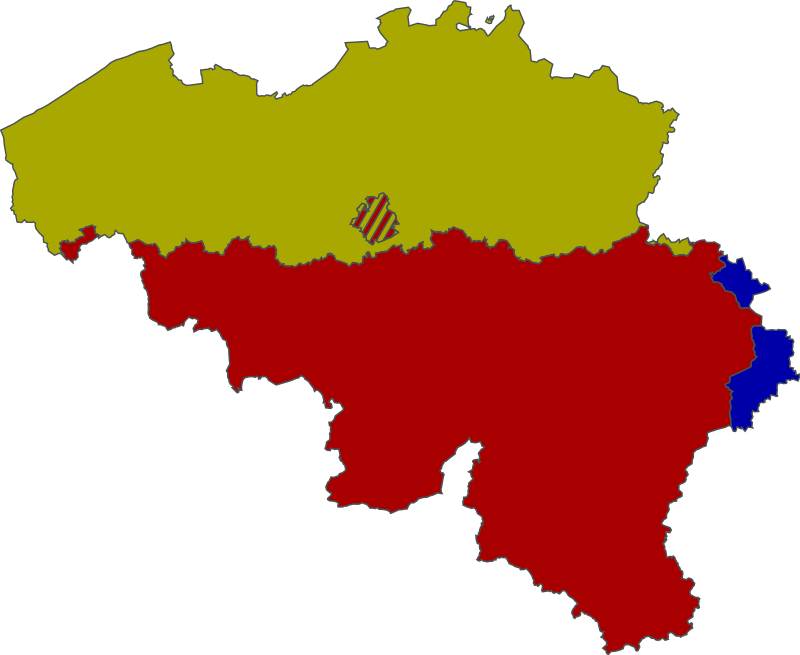
Flemish Dutch
dialect of the Dutch language spoken in the Flemish Region
Hiri Motu
Austronesian language of Papua New Guinea
Akan
language of Akan lands in Ghana

Herero
Bantu language of Nambia and Botswana

Sango
Ngbandi-based creole of the Central African Republic

Kanuri
Saharan language

Zhuang
any of various Tai languages used by the Zhuang people
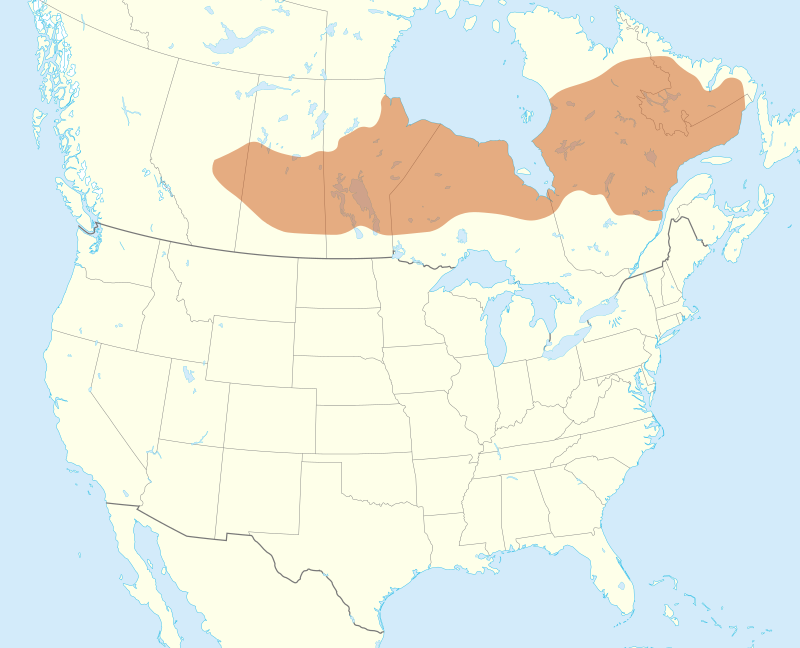
Cree
aboriginal language continuum spoken in Canada
Luganda
Ganda or Luganda ( ; ) is a Bantu language spoken in the African Great Lakes region. It is one of the major languages in Uganda and is spoken by more than 5.56 million Ugandans Baganda and other people principally in central Uganda, including the country's capital, Kampala. Typologically, it is an agglutinative, tonal language with subject–verb–object word order and nominative–accusative morphosyntactic alignment.
Gikuyu
Bantu language in Kenya

Southern Ndebele
language belonging to the Nguni group of Bantu languages, one of the official languages of South Africa

Church Slavonic
old Slavic language used in the liturgy of some branches of the Orthodox Church
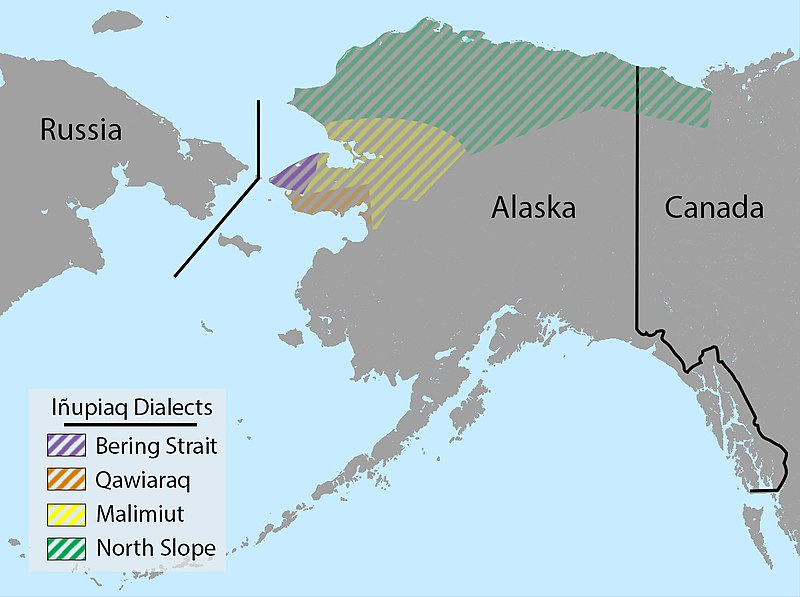
Iñupiaq
group of dialects of the Inuit language

Brazilian Portuguese
set of varieties of the Portuguese language spoken in Brazil

Kurmanji
Kurmanji (, ), also termed Northern Kurdish, is the northernmost of the Kurdish languages, spoken predominantly in southeast Turkey, northwest and northeast Iran, northern Iraq, northern Syria and the Caucasus and Khorasan regions. It is the most widely spoken form of Kurdish.