Category
page 2Languages with ISO 639-1 code
Q35934
Interlingua (, ) is an international auxiliary language (IAL) developed between 1937 and 1951 by the American International Auxiliary Language Association (IALA). It is a constructed language of the "naturalistic" variety, whose vocabulary, grammar, and other characteristics are derived from natural languages. Interlingua literature maintains that (written) Interlingua is comprehensible to the billions of people who speak Romance languages, though it is actively spoken by only a few hundred.

Macedonian
South Slavic language mostly spoken in North Macedonia

Kurdish
language of Kurds
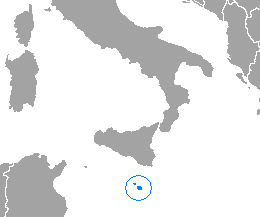
Maltese
Semitic language spoken mostly in Malta

Mongolian
official language of Mongolia

Ido
Ido () is a constructed language derived from a reformed version of Esperanto, and designed similarly with the goal of being an international auxiliary language (or universal second language) for people of diverse languages. To function as an effective international auxiliary language, Ido was designed specifically to be grammatically, orthographically, and lexicographically regular (and, above all, easy to learn and use). It is the most successful of the many Esperanto derivatives, known as Esperantidoj.

Telugu
Dravidian language native to South India

Galician
Western Ibero-Romance language

Pashto
Pashto (, ; , ) is an Eastern Iranian language in the Indo-European language family, natively spoken in northwestern Pakistan and southern and eastern Afghanistan. It has official status in Afghanistan. It was also known in historical Persian literature as Afghani ().

Tatar
Turkic language spoken by Tatars

Uzbek
Turkic language
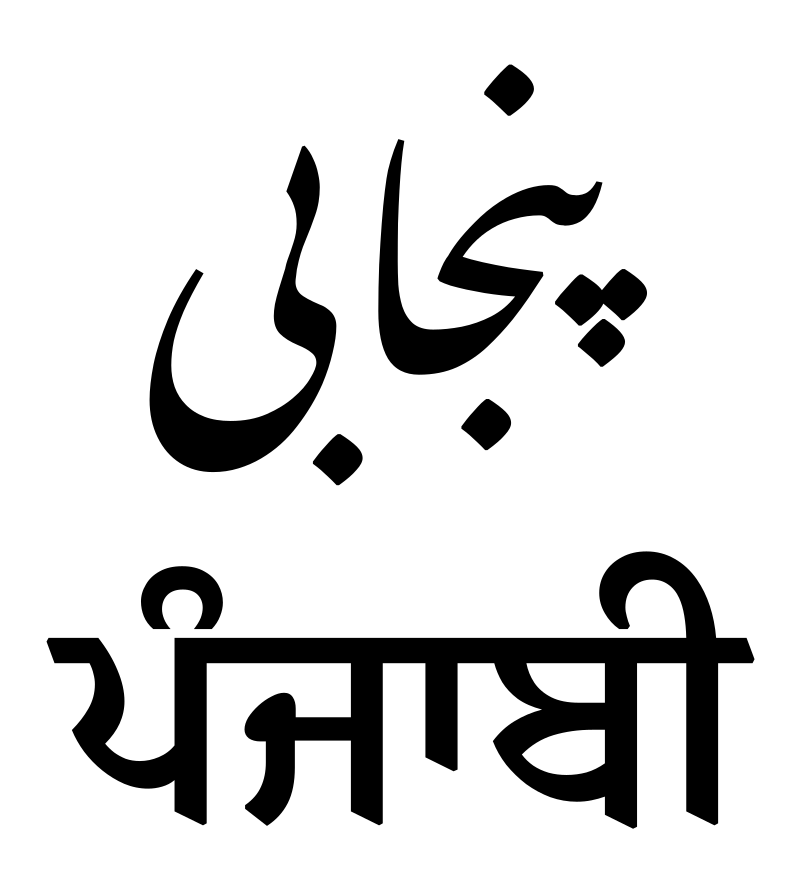
Punjabi
Indo-Aryan language spoken in the Punjab region of Pakistan and India
Luxembourgish
Luxembourgish ( ; also Luxemburgish, Luxembourgian, Letzebu(e)rgesch; ) is a West Germanic language that is spoken mainly in Luxembourg. About 400,000 people speak Luxembourgish worldwide.

Nepali
official language of Nepal
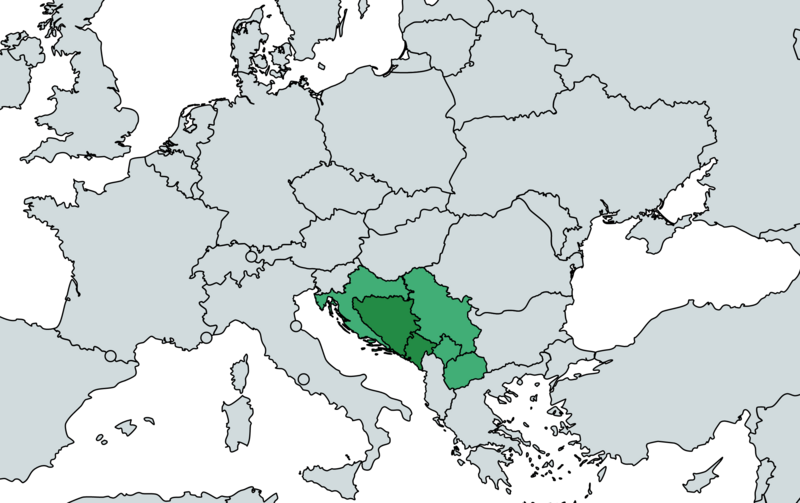
Bosnian
South Slavic language; a standardized variety of the Serbo-Croatian pluricentric language

Scottish Gaelic
Goidelic Celtic language of Scotland
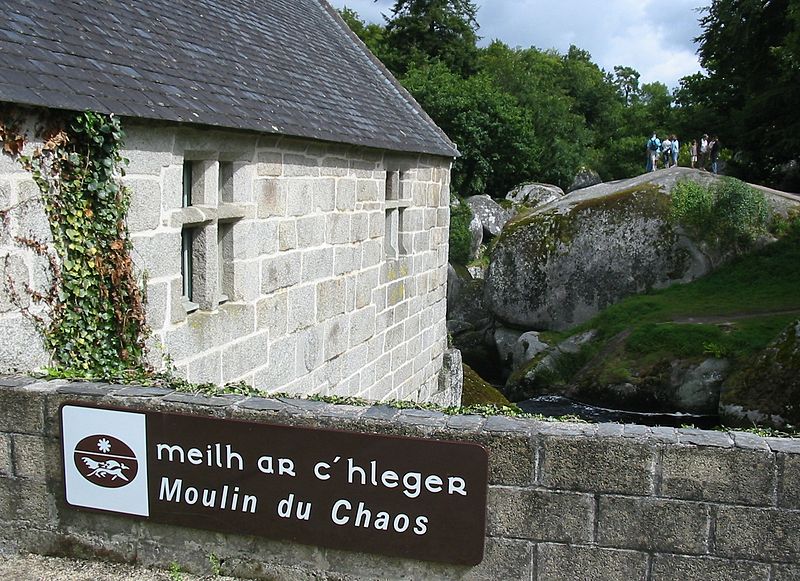
Breton
Celtic language spoken in France

Kyrgyz
Kipchak Turkic language of Central Asia

Faroese
insular Nordic language spoken as a native language by the people of Faroe Islands

Kannada
Kannada () is a Dravidian language spoken predominantly in the state of Karnataka in southwestern India, and spoken by a minority of the population in all neighbouring states. It has 44 million native speakers, and is additionally a second or third language for 15 million speakers in Karnataka. It is the official and administrative language of Karnataka. It also has scheduled status in India and has been included among the country's designated classical languages.
%20in%20amharic.jpg)
Amharic
Amharic is an Ethio-Semitic language, which is a subgrouping within the Semitic branch of the Afroasiatic languages. It is spoken as a first language by the Amhara people, and also serves as a lingua franca for all other metropolitan populations in Ethiopia.

Marathi
Indo-Aryan language
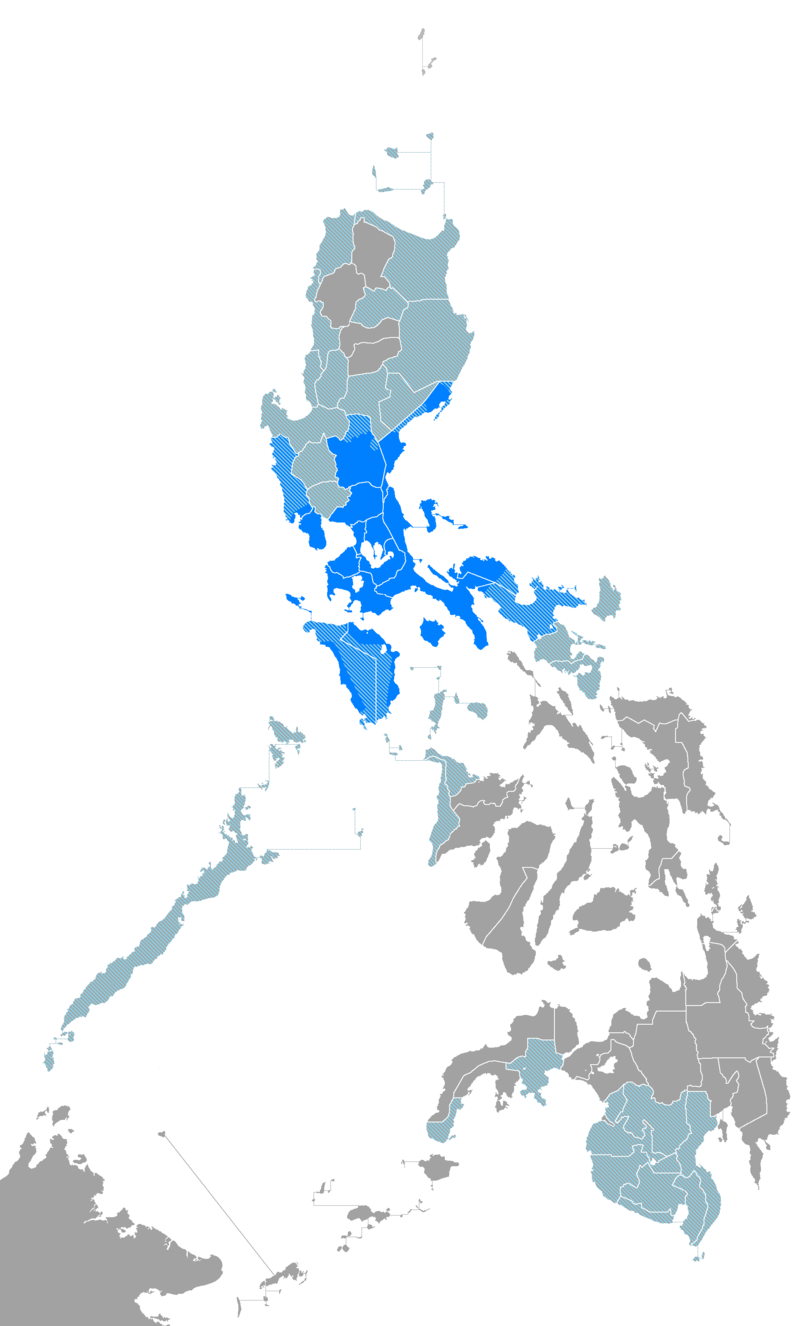
Tagalog
Austronesian language; native language of the Tagalog ethnic group

Javanese
Austronesian language

Bashkir
Turkic language spoken in Russia

Romansh
Romance language spoken in the Swiss canton of Grisons (Graubünden)
Malayalam
thumb|A Malayalam speaker, recorded in South Africa
Malayalam (, ) is a Dravidian language, primarily spoken by the Malayali people, native to the Indian state of Kerala and the union territories of Lakshadweep and Puducherry (Mahé district). It is one of 22 scheduled languages, as well as one of 11 classical languages, of India. Malayalam has official language status in Kerala, Lakshadweep and Puducherry (Mahé).

Māori
Polynesian language spoken in New Zealand

Burmese
Sino-Tibetan language of Myanmar

Tajik
language spoken in Tajikistan

Uyghur
Turkic language spoken by the Uyghur people

Turkmen
Oghuz Turkic language of Central Asia
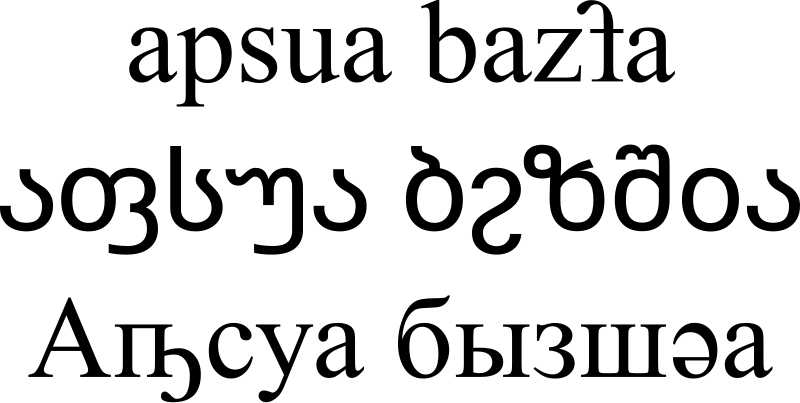
Abkhaz
Northwest Caucasian language native to northwestern Georgia
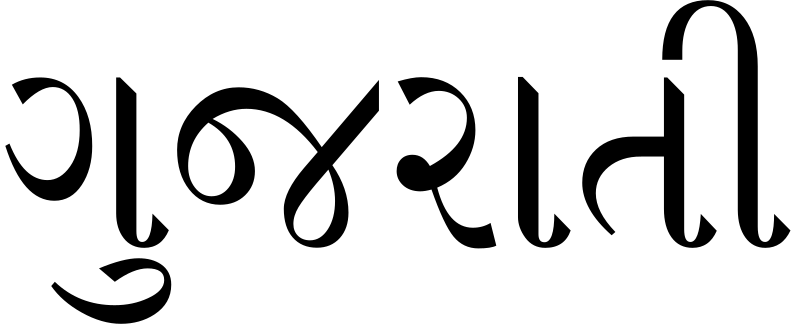
Gujarati
Indo-Aryan language that is spoken on the state of Gujarat

Khmer
Austroasiatic language of Cambodia

Chechen
Northeast Caucasian language spoken mostly in Chechnya and by Chechen people

Zulu
Nguni language of eastern South Africa and neighbouring countries

Tibetan
Tibeto-Burman language

Chuvash
Turkic language spoken in central Russia, primarily in the Chuvash Republic and adjacent areas

Assamese
Indo-Aryan language spoken in Assam, India

Cornish
Brythonic Celtic language indigenous to Cornwall

Hausa
Chadic language native to the Hausa people

Volapük
Volapük (; , 'Language of the World', or ) is a constructed language created in 1879 and 1880 by Johann Martin Schleyer, a Roman Catholic priest in Baden, Germany. Notable as the first major constructed international auxiliary language, it primarily drew from Germanic languages. Its grammar is inspired largely by German, although it was heavily regularized by Schleyer, while its lexicon is rooted mostly in English, with additional influence from German, the Romance languages, and Russian. Despite some roots remaining recognizable, many words were altered beyond recognition, as Schleyer sought

Somali
Afroasiatic language belonging to the Cushitic branch

Serbo-Croatian
Serbo-Croatian, also known as Bosnian-Croatian-Montenegrin-Serbian (BCMS), is a Western South Slavic language and the primary language of Serbia, Croatia, Bosnia and Herzegovina, and Montenegro. It is a pluricentric language with four mutually intelligible standard varieties, namely Serbian, Croatian, Bosnian, and Montenegrin.

Odia
Indo-Aryan language

Malagasy
language spoken in Madagascar
Sardinian
Romance language indigenous to the island of Sardinia

Aragonese
Romance language
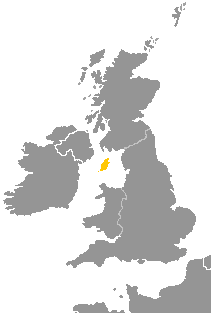
Manx
Celtic language spoken on the Isle of Man
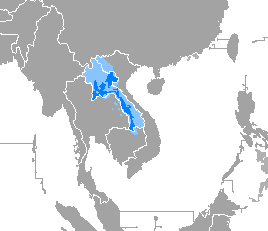
Lao
Kra–Dai language of Southeast Asia
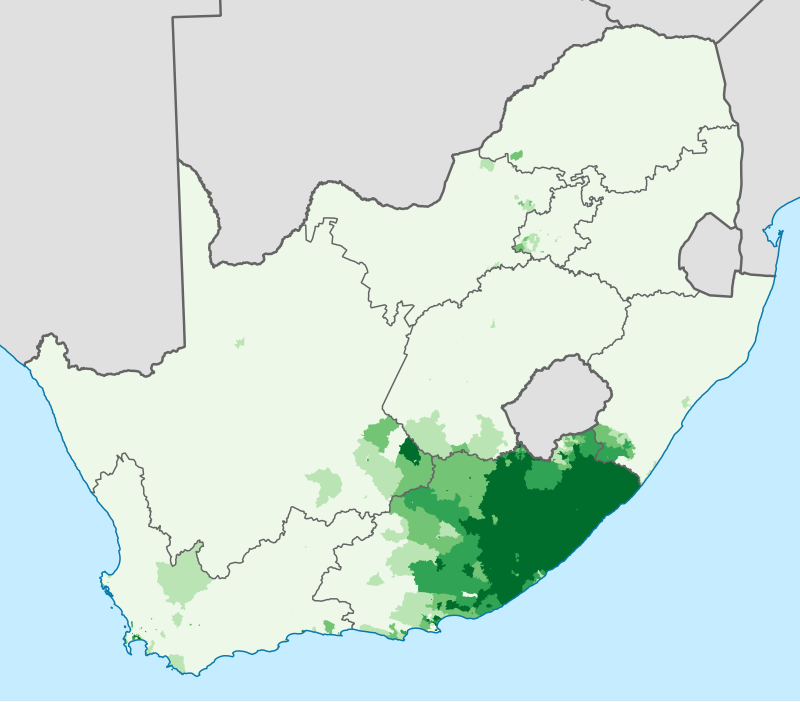
Xhosa
Nguni language of southern South Africa

Pali
Pāli (; IAST: ) is a Middle Indo-Aryan language that is widely studied as the sacred language of Theravada Buddhism and the language of the Tipiṭaka. Pali was designated a classical language of India by the Government of India on 3 October 2024.

Kashmiri
language from the Dardic subgroup of the Indo-Aryan languages

Sinhala
Indo-Aryan language native to Sri Lanka

Corsican
Italo-Dalmatian language

Sindhi
Indo-Aryan language spoken in Pakistan and India

Aymara
native language in South America
Dzongkha
thumb|Kinley speaking Dzongkha (Wikitongues)
right|thumb|Jakar Dzong, representative of the distinct [[dzong architecture from which Dzongkha gets its name]]
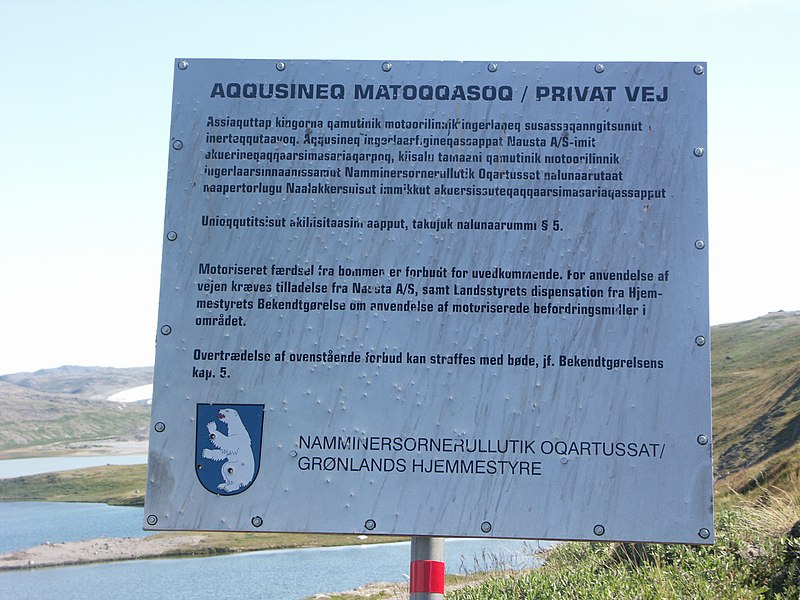
Greenlandic
Eskimo-Aleut language spoken in Greenland