Category
page 1Lecanorales

Lecanorales
The Lecanorales are an order of mostly lichen-forming fungi belonging to the class Lecanoromycetes in the division Ascomycota. The order contains 26 families, 269 genera, and 5695 species.
Psoraceae
The Psoraceae are a family of lichen-forming fungi in the order Lecanorales. The Austrian lichenologist Alexander Zahlbruckner first described the family in 1898. Species of this family have a widespread distribution.

Sphaerophoraceae
The Sphaerophoraceae are a family of lichen-forming fungi in the order Lecanorales. Species of this family have a widespread distribution, especially in southern temperate regions, with particular diversity in cool temperate rainforests and strongly oceanic areas of both hemispheres. The family, proposed by Elias Magnus Fries in 1831, is characterised by boundary tissue separating generative and vegetative parts, and includes species with various growth forms ranging from shrub-like (fruticose) to crusty (crustose). Most members produce , specialised spore-dispersing structures typically found
Psora
Psora is a genus of lichen-forming fungi in the family Psoraceae. Members of the genus are commonly called fishscale lichens. Lichens in the genus Psora generally have a squamulose thallus and anthraquinones in the hymenium. partners of Psora lichens include members of the green algal genera Asterochloris, Chloroidium, Myrmecia, and Trebouxia.
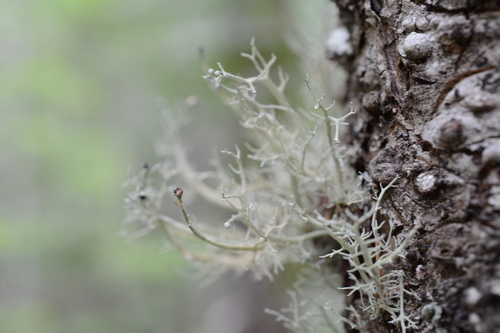
Sphaerophorus
Sphaerophorus is a genus of lichenized fungi in the order Lecanorales.
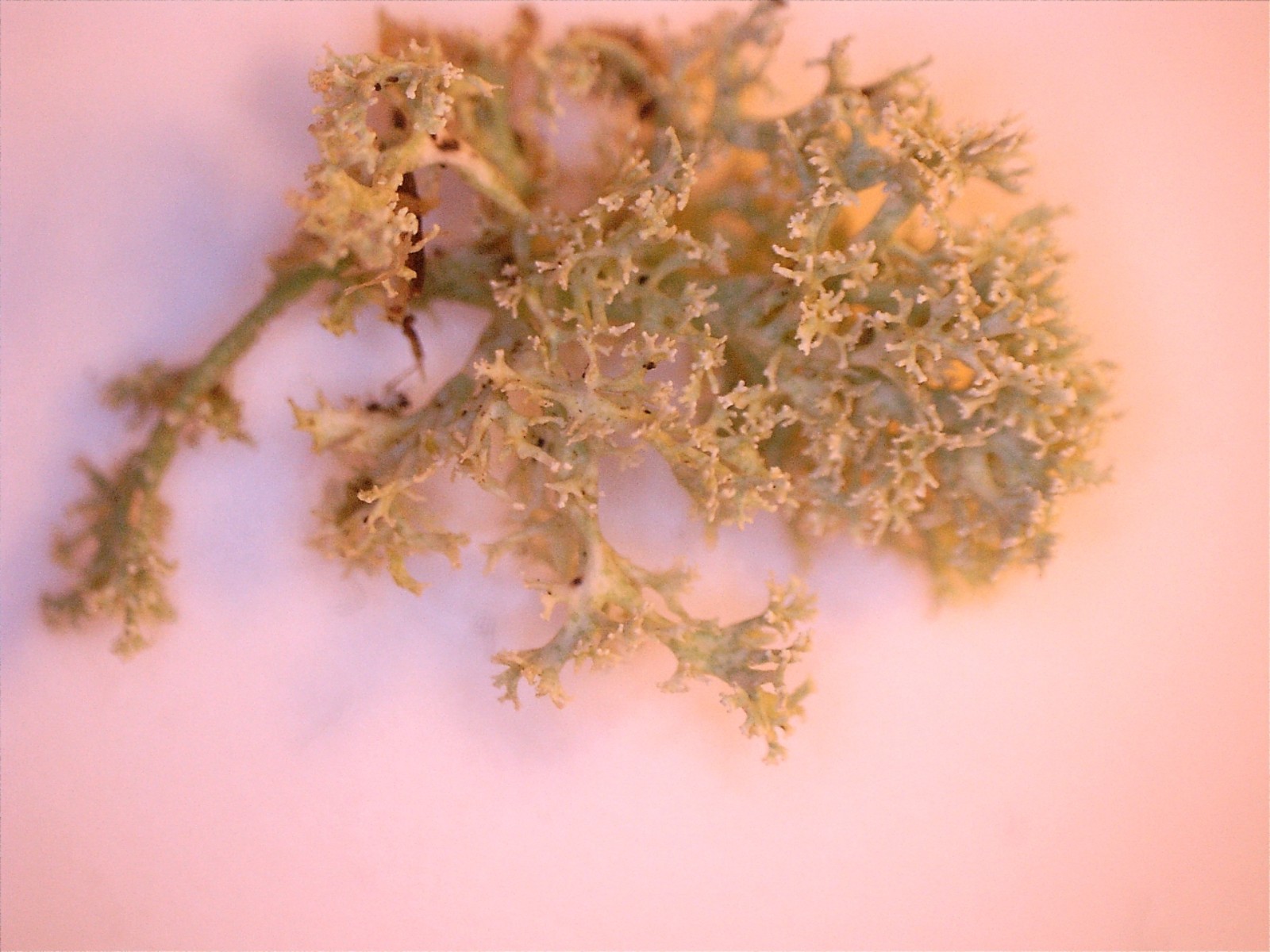
Sphaerophorus globosus
species of fungus
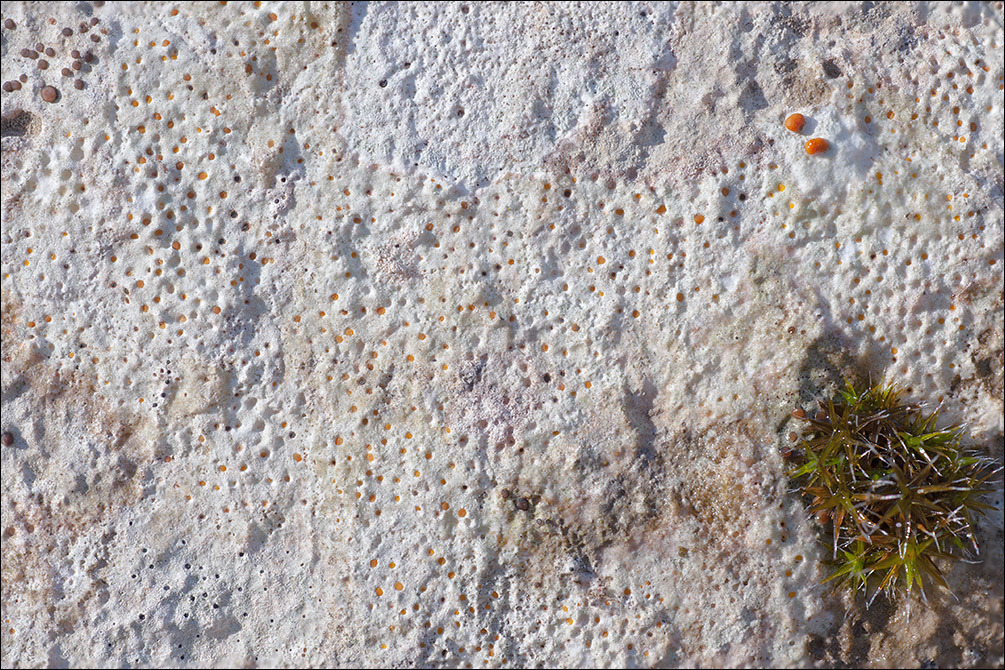
Protoblastenia
Protoblastenia is a genus of lichens in the family Psoraceae. It was originally circumscribed by Alexander Zahlbruckner in 1908 as a section of genus Blastenia. J. Steiner promoted it to generic status in 1911.
Dactylosporaceae
The Dactylosporaceae or Sclerococcaceae are a family of lichen-forming fungi in the class Eurotiomycetes. It is the only family of the order Sclerococcales and subclass Sclerococcomycetidae.
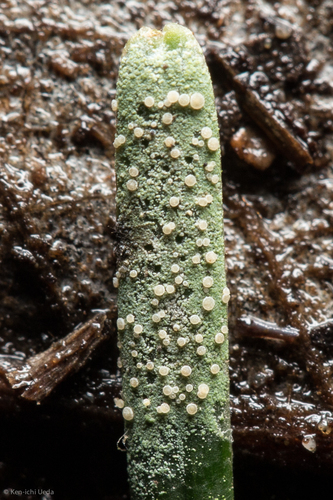
Catillaria
Catillaria is a genus of crustose lichens in the family Catillariaceae. The genus was circumscribed by Italian lichenologist Abramo Bartolommeo Massalongo in 1852. It is the type genus of Catillariaceae, which was circumscribed by Austrian lichenologist Josef Hafellner in 1984.
Calvitimela
Calvitimela is a fungal genus in the family Tephromelataceae, comprising 11 species of lichen. These lichens grow tightly attached to rocks, appearing as thin, crust-like layers on their surface. They are primarily found in alpine and arctic regions around the world. Calvitimela species are characterised by their (segmented) thallus and black, shiny, convex apothecia (fruiting bodies). The genus currently includes eleven recognised species, though recent genetic studies have revealed unexpected diversity within this group. Calvitimela lichens are known for their varied secondary metabolites, w

Bunodophoron
Bunodophoron is a genus of lichen-forming fungi in the family Sphaerophoraceae. The genus has a broad distribution in the Southern Hemisphere, with several species also present in oceanic regions of the Northern Hemisphere. Established in 1861 by the Italian botanist Abramo Bartolommeo Massalongo, the genus comprises about 20 accepted species that form shrubby, often tufted growths with flattened, strap-like branches. These lichens are characterised by their distinctive black, powdery spore masses that develop at the tips of fertile branches and their production of various lichen products incl
Tephromelataceae
The Tephromelataceae are a family of lichenized fungi in the order Lecanorales. The family was circumscribed by Austrian lichenologist Josef Hafellner in 1984. Tephromelataceae comprises the genera Tephromela, Calvitimela, Mycoblastus and Violella, which together constitute a well-supported monophyletic group.

Catillariaceae
The Catillariaceae are a family of crustose lichens in the order Lecanorales. Species of this family have a widespread distribution, especially in temperate areas. The family contains five genera and about 130 species, most of which form crusty growths tightly attached to rocks, bark, or soil.

Tephromela
Tephromela is a genus of lichens in the family Tephromelataceae. There are about 50 species in this widespread genus. The genus was established in 1929 by the French lichenologist Maurice Choisy, who separated these species from the broader genus Lecanora based on their distinctive straight asexual spores and dark violet spore-bearing layers. These rock and bark-dwelling lichens are characterized by their white to pale grey crusty growth and black -shaped reproductive structures with purple-tinted interiors.
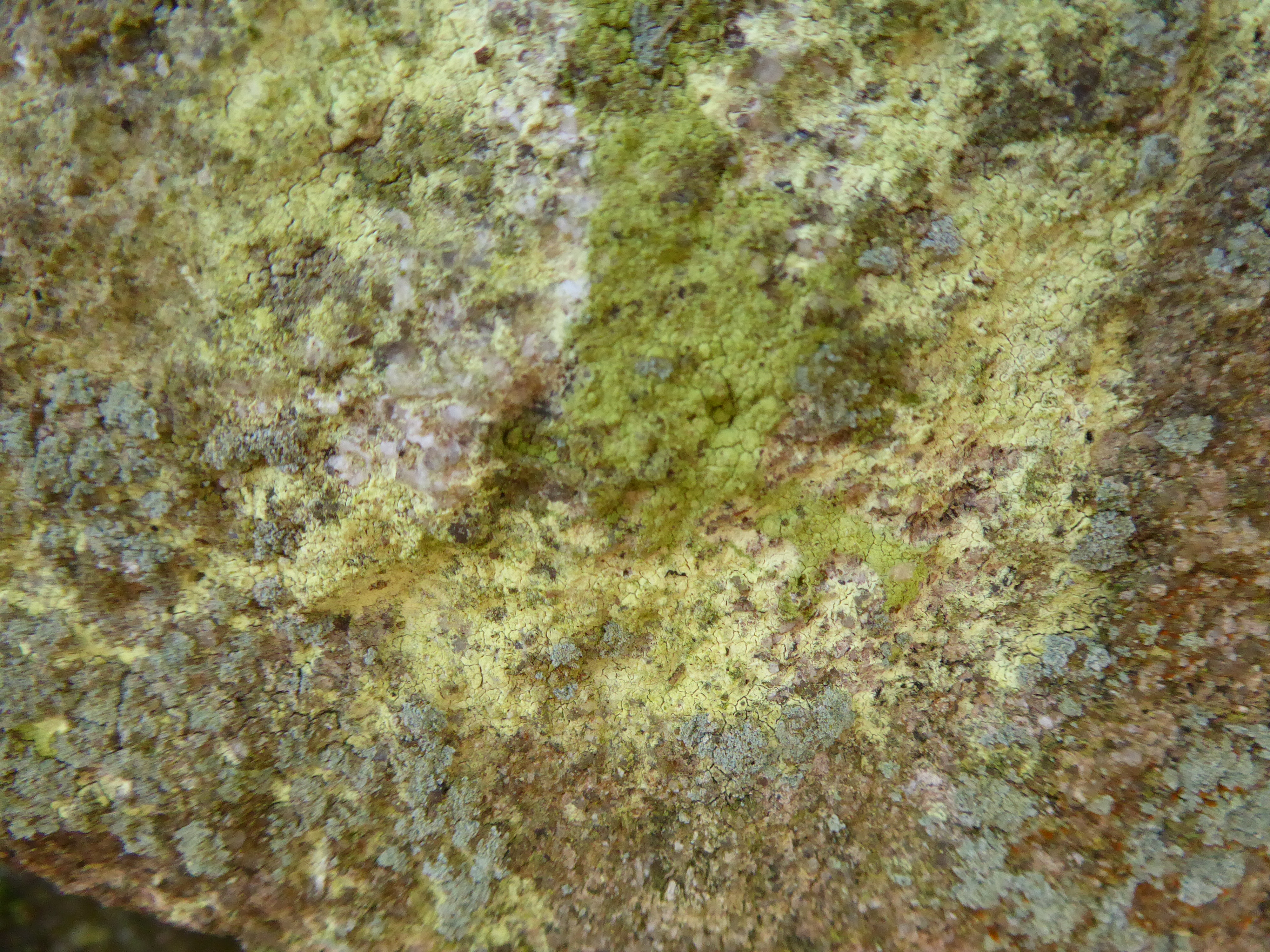
Psilolechia lucida
species of fungus

Psilolechia
Psilolechia is a genus of four species of crustose lichens. It is the only member of Psilolechiaceae, a family that was created in 2014 to contain this genus.
Aphanopsidaceae
Aphanopsidaceae is a family of lichen-forming fungi in the order Lecanorales. It contains the genera Aphanopsis and Steinia, comprising five species. The family was circumscribed in 1995 by the lichenologists Christian Printzen and Gerhard Rambold.
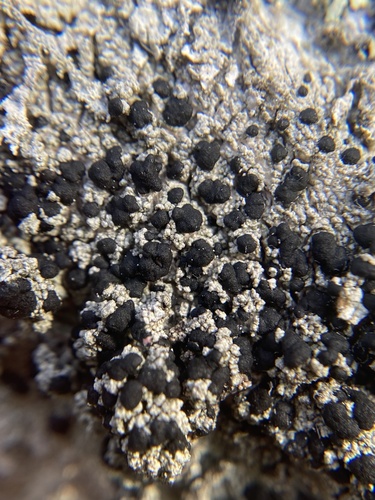
Mycoblastus
Mycoblastus is a genus of crustose lichens in the family Tephromelataceae. Members of the genus are commonly called blood lichens.
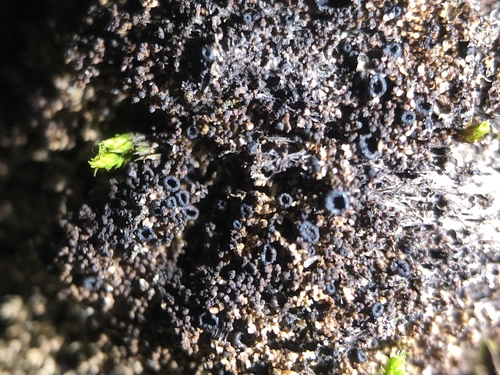
Sporopodium
Sporopodium is a genus of lichen-forming fungi in the family Ectolechiaceae. Most Sporopodium species grow on living leaves (they are foliicolous) in tropical forests worldwide, though some also occur on twigs or bark. The genus is known for producing , small hood-like outgrowths that produce conidia (asexual spores) and help the lichen disperse to new surfaces. Species in the genus produce a wide variety of chemical compounds, including yellow and orange pigments that can help identify individual species. The genus was established in 1851 with the description of a first species from tropical
Gypsoplacaceae
Gypsoplacaceae is a family of lichenized fungi in the order Lecanorales. This is a monotypic family, containing the single genus Gypsoplaca, which has a widespread distribution. The family and genus were described as new in 1990 by Norwegian lichenologist Einar Timdal. Gypsoplaca originally contained only the type species, Gypsoplaca macrophylla, but four species were added to the genus in 2018.
Mycoblastus sanguinarius
species of fungus

Calycidium
Calycidium is a genus of lichen-forming fungi in the family Sphaerophoraceae. It has two species. It is one of the few lichen genera containing foliose (leafy) species that produce a mazaedium – a powdery mass of spores. Both species occur in Australasia and South America, where they grow on tree bark or on mosses.

Ramboldia
Ramboldia is a genus of lichen-forming fungi in the family Ramboldiaceae. The genus was established in 1994 to accommodate several Australasian lichens that form crusts on wood, bark, and rock surfaces, and it was named in honour of the German mycologist Gerhard Rambold. These lichens are characterised by their small, disc-shaped fruiting bodies and their chemical composition, which includes β-orcinol derivatives and sometimes anthraquinones, though they lack the distinctive crimson reaction found in the related genus Pyrrhospora. The genus contains about 40 species found worldwide, ranging in
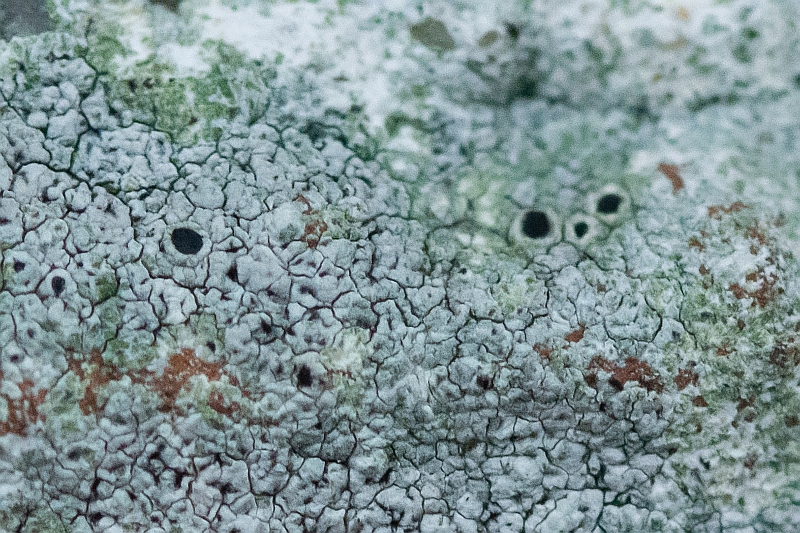
Tephromela atra
species of fungus

Scoliciosporum
Scoliciosporum is a genus of lichens in the family Scoliciosporaceae.
Protoparmeliopsis
Protoparmeliopsis is a genus of saxicolous (rock-dwelling, crustose lichens in the family Lecanoraceae. It has about 20 species. The genus was circumscribed by French botanist Maurice Choisy in 1929.
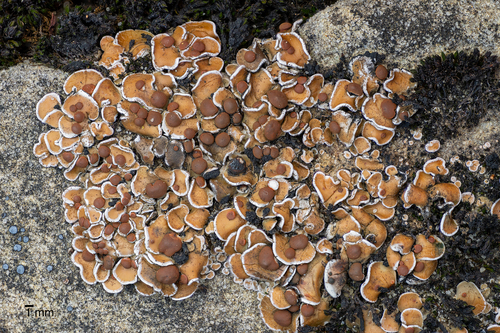
Psora pseudorussellii
species of fungus
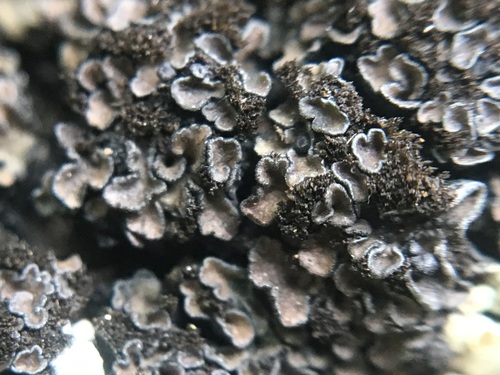
Psorula
Psorula is a fungal genus in the family Psoraceae. It is a monotypic genus, containing the single lichen species Psorula rufonigra. The genus was circumscribed by German lichenologist Gotthard Schneider in 1980.

Megalaria
Megalaria is a genus of lichen-forming fungi in the family Ramalinaceae. It contains 46 species of crustose lichens, the majority of which grow on bark. The genus was established in 1984 and has since grown to include species from diverse regions ranging from subantarctic islands to tropical forests. Most Megalaria species are recognised by their large, black fruiting bodies that sit directly on the lichen's surface, along with their thick-walled ascospores that are divided by a single internal partition. The genus primarily colonises tree bark in moist, shaded habitats, though some species al

Miriquidica deusta
species of fungus
Steinia
Steinia is a genus of lichen-forming fungi in the family Aphanopsidaceae. The genus was established in 1873 by Gustav Wilhelm Körber and contains three recognised species. These lichens grow on disturbed soil and form very thin, powdery crusts that are often barely visible to the naked eye. They produce small, dark brown to black fruiting bodies that contain unusually large numbers of ascospores—up to 16 in each spore-bearing structure.

Eremastrella
Eremastrella is a genus of lichen in the family Psoraceae. The genus was circumscribed by the lichenologist Stefan Vogel in 1955, with Eremastrella tobleri assigned as the type species.

Neophyllis
Neophyllis a small genus of lichen-forming fungi in the family Sphaerophoraceae. The genus is endemic to Australasia, occurring in southeastern Australia, Tasmania and New Zealand. It comprises two recognised species characterised by small, leaf-like structures () and black, spherical spore-producing structures (apothecia). The more common and widespread species, N. melacarpa, typically grows on rotting wood and soil in various forest and heathland habitats, while the rarer N. pachyphylla is found mainly on granite and sandstone substrates. First proposed in 1889 as Phyllis and renam
Myochroidea
Myochroidea is a genus of lichen-forming fungi of uncertain familial placement in the order Lecanorales. It has four species of grey or brown-grey crustose lichens.

Ramboldia blastidiata
species of fungus

Lichenosticta
Lichenosticta is a genus of fungi of uncertain familial placement in the order Lecanorales. It has five species. All species are lichenicolous, meaning they are parasitic on lichens.

Ramboldia gowardiana
species of fungus
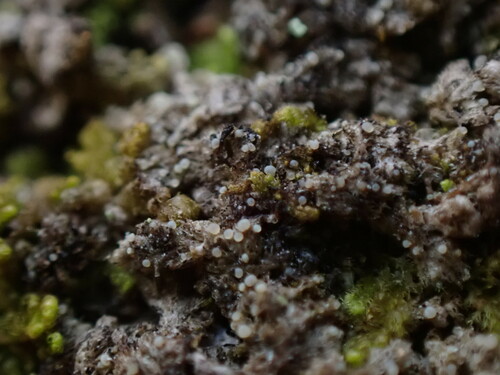
Puttea
Puttea is a genus of lichen-forming fungi with uncertain familial placement in the order Lecanorales. The genus comprises four species. Finnish lichenologists Soili Stenroos and Seppo Huhtinen established the genus Puttea in 2009 for the lichen species formerly known as Lecidea margaritella, which has undergone various reclassifications. Molecular phylogenetics analyses have shown that Puttea margaritella does not align closely with genera like Fellhanera or Micarea, but its precise familial placement remains uncertain. Puttea is characterized by an indistinct, lichenized thallus composed of d
Protomicarea
thumb | right | alt=Lichens of Calvert Island. D. Protomicarea limosa, McMullin 19698 (CANL). | Lichens of Calvert Island. D. Protomicarea limosa, McMullin 19698 (CANL).
Protomicarea is a genus of lichen-forming fungi in the family Psoraceae. The genus contains two species: Protomicarea limosa (the type) and Protomicarea alpestris. Protomicarea was circumscribed by lichenologist Josef Hafellner in 2001.
Scoliciosporum abietinum
species of fungus

Solenopsora
Solenopsora is a genus of lichen-forming fungi in the family Catillariaceae. It has 15 species, with a mostly Northern Hemisphere distribution.
Brianaria
Brianaria is a lichen genus in the family Psoraceae. It was circumscribed in 2014 by Stefan Ekman and Måns Svensson to contain four closely related species formerly in the Micarea sylvicola group.

Coronoplectrum
Coronoplectrum is a single-species genus of unknown familial placement in the order Lecanorales. The only species in the monotypic genus is Coronoplectrum namibicum, a fruticose (bushy), saxicolous (rock-dwelling) lichen found in Namibia. The genus was circumscribed by Franklin Brusse in 1987.
Arctopeltis
Myriolecis is a genus of lichen-forming fungi in the family Lecanoraceae. These lichens typically form thin, crust-like patches on rocks, bark, or soil, and reproduce through small disc-shaped structures that contain spores. The genus was reinstated in recent years when DNA studies showed that these species form a distinct group separate from the closely related genus Lecanora. Phylogenetic studies place Myriolecis in the MPRPS clade of Lecanoraceae, close to Protoparmeliopsis.

Carbonicola
genus of fungi
Calvitimela uniseptata
species of fungus
Bunodophoron pinnatum
species of fungus
Scoliciosporaceae
Scoliciosporaceae is a family of lichen-forming fungi in the order Lecanorales. It contains two genera, the monotypic Umushamyces, and the type genus Scoliciosporum. The family was circumscribed by lichenologist Josef Hafellner in 1984.

Violella
Violella is a genus of two species of crustose lichens in the family Tephromelataceae. The genus is characterized by its brownish inner ascospore walls, brilliant violet hymenial pigment (called Fucatus-violet), and thallus chemistry. The type species, Violella fucata, was originally placed in genus Mycoblastus, but molecular phylogenetic analysis showed that this species as well as the Asian species V. wangii formed a phylogenetically distinct clade and warranted placement in a new genus. The generic name Violella, a diminutive form of the Latin viola, refers to the characteristic hymeni
Psoromella
Psoromella is a fungal genus of uncertain familial classification in the order Lecanorales. The genus is monotypic, containing the single species Psoromella pampana, a soil-dwelling lichen found in Argentina.