Category
page 1Literacy

literacy
thumb|upright=1.35|Adult literacy rates, 2023
Literacy is the ability to read and write, and illiteracy is the inability to read and write. Some researchers suggest that the study of literacy as a concept can be divided into two periods: the period before 1950, when literacy was understood solely as alphabetical literacy (understanding the meanings of words without necessarily being able to use words); and the period after 1950, when literacy slowly began to be considered as a wider concept and process, including the social and cultural aspects of reading, writing, and functional literacy.

dyslexia

International Literacy Day
a celebration declared by UNESCO to highlight the importance of literacy

media literacy
encompasses the practices that allow people to access, critically evaluate, and create media
digital literacy
an individual's ability to find, evaluate, and compose clear information from a digital source
information literacy
set of abilities to recognize when information is needed and have the ability to locate, evaluate, and use effectively the needed information
functional illiteracy
reading and writing skills that are inadequate "to manage daily living and employment tasks that require reading skills beyond a basic level."
list of countries by literacy rate
Wikimedia list article
The Big Read
survey on books carried out by the BBC in the United Kingdom in 2003
health literacy
degree to which individuals have the capacity to obtain, process, and understand basic health information and services needed to make appropriate health decisions
Progress in International Reading Literacy Study
international study of reading comprehension

Likbez
thumb|"- Woman, learn to read and write! - Oh, mother! If you were literate, you could help me!" A poster by Elizaveta Kruglikova advocating female literacy, 1923.
scientific literacy
ability to understand science; knowledge and understanding of scientific concepts and processes
visual literacy
the ability to interpret, negotiate, and make meaning from information presented in the form of an image

numeracy
thumb|Children in Laos have fun as they improve numeracy with "Number Bingo". They roll three dice, construct an equation from the numbers to produce a new number, then cover that number on the board, trying to get four in a row.
thumb|Number bingo improves math skills. LPB Laos.
Numeracy is the ability to understand, reason with, and apply simple numerical concepts; it is the numerical counterpart of literacy. The charity National Numeracy states: "Numeracy means understanding how mathematics is used in the real world and being able to apply it to make the best possible decisions...It's as mu
Critical literacy
ability to find embedded discrimination in media
AI literacy
The ability to understand, use, monitor, and critically reflect on AI applications
Programme for the International Assessment of Adult Competencies
worldwide study by the Organisation for Economic Co-operation and Development
cultural literacy
Ability to understand a culture
postliterate society
society in which multimedia technology has advanced to the point where literacy is no longer necessary or common
benefit of clergy
in English law, originally a provision by which clergymen were outside the jurisdiction of secular courts; later, a legal fiction through which first-time offenders receive lesser sentences for some crimes

political literacy
abilities needed for an effective electorate
Emergent literacies
early knowledge of reading and writing skills
multiliteracy
thumb|alt=Young student's practice computational thinking while playing games.|Young students practice computational thinking while playing games.
Multiliteracy (plural: multiliteracies) is an approach to literacy theory and pedagogy coined in the mid-1990s by the New London Group. The approach is characterized by two key aspects of literacy – linguistic diversity and multimodal forms of linguistic expressions and representation. It was coined in response to two major changes in the globalized environment. One such change was the growing linguistic and cultural diversity due to increased trans
mathematical maturity
term for expertise and trained intuition in math
Nation's schools
campaign of series of courses offered to adults to learn the Latin alphabet in Turkey
aliteracy
Aliteracy (sometimes spelled alliteracy) is the state of being able to read but having a low motivation to do so. This phenomenon has been reported on as a problem occurring separately from illiteracy, which is more common in the developing world, while aliteracy is primarily a problem in the developed world. However, aliteracy is related to reading ability and comprehension, as reading motivation is an important factor in these skills. In 2002, John Ramsey defined aliteracy as a loss of a reading habit usually since reading is slow and frustrating for the reader.
ecological literacy
ability to understand natural systems and their interactions

religious literacy
the ability to understand religion
list of Brazilian states by literacy rate
Wikimedia list article
African Storybook
South African literacy initiative
list of Chinese administrative divisions by illiteracy rate
Wikimedia list article
media and information literacy
literacy that enables a person to seek, evaluate, use and create information effectively to achieve their personal, social, occupational and educational goals
Statistical literacy
ability to understand and reason with statistics and data
Carbon literacy
type of skill
family literacy
form of literacy education
literacy test
test to assess literacy skills; historically used for voter disenfranchisement
Visual literacy in education
Student's visual literacy develops a student's visual literacy
Simple view of reading
scientific theory of Reading Comprehension
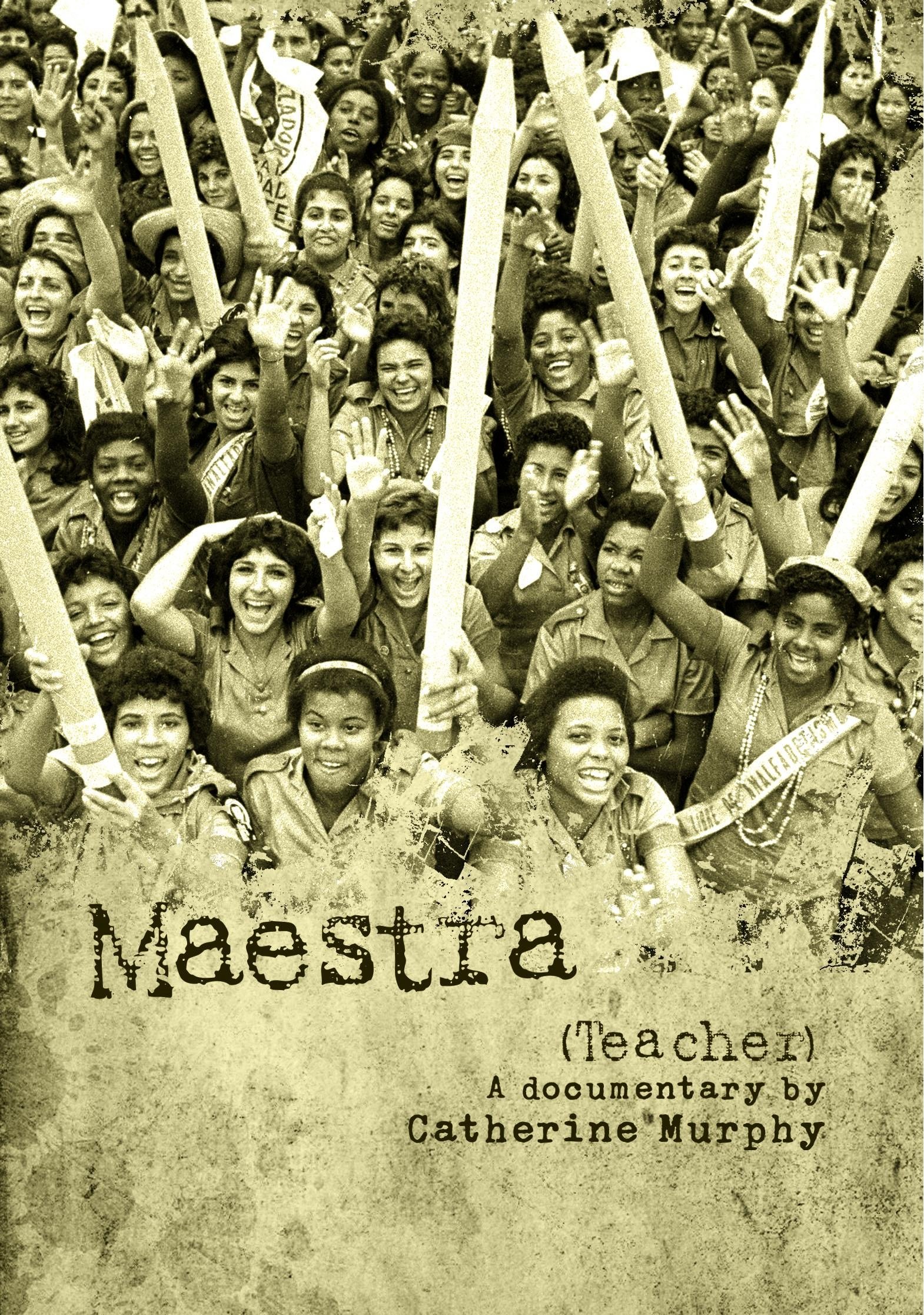
Maestra
2012 documentary film directed by Catherine Murphy
Metaliteracy
Metaliteracy is the ability to evaluate information for its bias, reliability, and credibility and apply them in the context of production and sharing of knowledge. It is especially useful in the context of the internet and social media. A formal concept of it was developed as an expanded information literacy framework by State University of New York academics Thomas P. Mackey and Trudi E. Jacobson. It has been used to prepare people to be informed consumers and responsible producers of information in a variety of social communities.
Reading for special needs
area of special education
Big Read
same language subtitling
subtitling programs on TV in the same language as the audio
Physical literacy
ability to move with competence in physical activities
Romanian literacy campaign
campaign in Communist Romania
Each One Teach One
proverb