Category
page 1Lycophytes

Lycopodiophyta
The lycophytes, when broadly circumscribed, are a group of vascular plants that include the clubmosses. They are sometimes placed in a division Lycopodiophyta or Lycophyta or in a subdivision Lycopodiophytina. They are one of the oldest lineages of extant (living) vascular plants; the group contains extinct plants that have been dated from the Silurian (ca. 425 million years ago). Lycophytes were some of the dominating plant species of the Carboniferous period, and included the tree-like Lepidodendrales, some of which grew over in height, although extant lycophytes are relatively small plants.

Lycopodiopsida
Lycopodiopsida is a class of vascular plants also known as lycopsids, lycopods, or lycophytes. Members of the class are also called clubmosses, firmosses, spikemosses and quillworts. They have dichotomously branching stems bearing simple leaves called microphylls and reproduce by means of spores borne in sporangia on the sides of the stems at the bases of the leaves. Although living species are small, during the Carboniferous, extinct tree-like forms (Lepidodendrales) formed huge forests that dominated the landscape and contributed to coal deposits.

Isoetaceae
Isoetaceae is a family including living quillworts (Isoetes) and comparable extinct herbaceous lycopsids (Tomiostrobus). It was previously thought to have evolved by reduction in size from arborsecent Isoetales such as Pleuromeia, but the discovery of Isoetes beestonii from the Early Triassic shows that the growth habits of modern quillworts predate Pleuromeia and point to the family being a survivor of the Permian–Triassic extinctions.
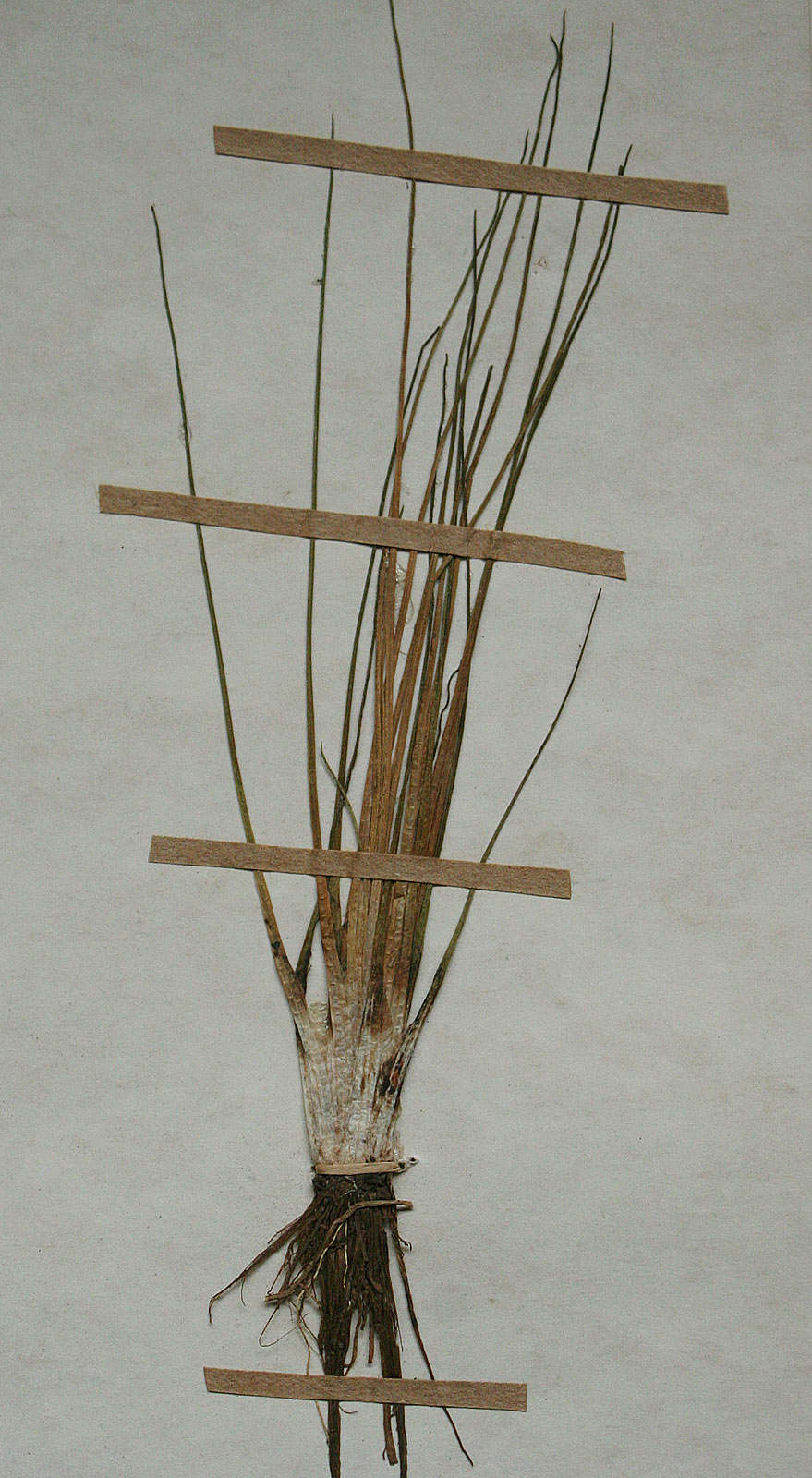
Isoetales
Isoetales, sometimes also written Isoëtales, is an order of plants in the class Lycopodiopsida.
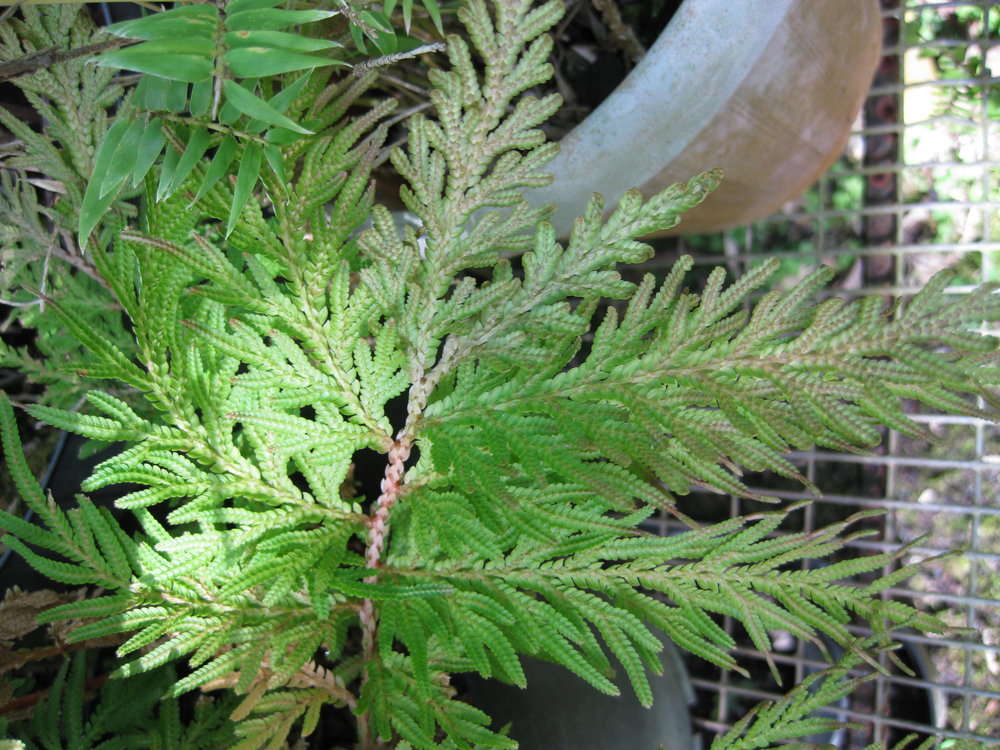
Selaginellaceae
REDIRECT Selaginella
Isoetopsida
REDIRECTLycopodiopsida
Lycopodiophytina
REDIRECT Lycophyte