Category
page 1Magnetic levitation

superconductivity
thumb|A high-temperature superconductor levitating above a magnet. A persistent electric current flows on the surface of the superconductor, acting to exclude the magnetic field of the magnet (Meissner effect). This current effectively forms an electromagnet that repels the magnet.

Andre Geim
Russian-born Dutch-British physicist

diamagnetism
thumb|Pyrolytic carbon has one of the largest diamagnetic constants of any room temperature material. Here a pyrolytic carbon sheet is levitated by its repulsion from the strong magnetic field of [[neodymium magnets]]
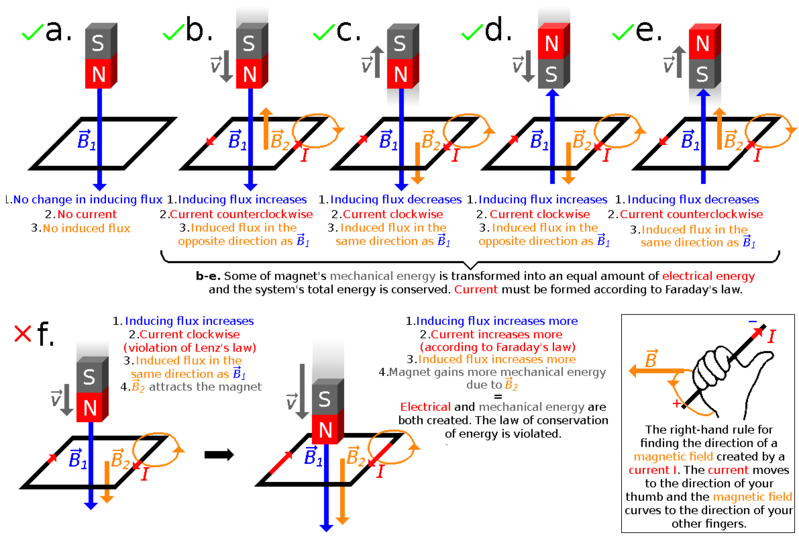
Lenz's law
electromagnetic phenomena where changing magnetic fields induce currents with opposing fields

Meissner effect
expulsion of a magnetic field from a superconductor during its transition to the superconducting state
magnetic levitation
method by which an object is suspended with no support other than magnetic fields
neodymium magnet
type of magnet
rare-earth magnet
permanent magnets made from alloys of rare earth elements
magnetic bearing
type of bearing
.jpg)
Laputa
thumb|right|Gulliver discovers Laputa, the flying island (illustration by J. J. Grandville)
thumb|right|The Queen of Laputa, from a French edition of ''Gulliver's Travels'' (1850s)
Halbach array
special arrangement of permanent magnets that augments the magnetic field on one side of the array while cancelling the field to near zero on the other side
launch loop
proposed system for launching objects into orbit
Eric Laithwaite
British electrical engineer (1921–1997)
orbital ring
concept of an enormous artificial ring placed around the Earth that rotates at an angular rate that is faster than the rotation of the Earth
levitron
thumb|300px|A brief demonstration and small explanation about the Levitron levitating top device.
pyrolytic carbon
man-made compound from carbon
superdiamagnetism
thumb|right|A superconductor acts as an essentially perfect diamagnetic material when placed in a magnetic field and it excludes the field, and so the flux lines completely avoid the region
Flux pinning
phenomenon related to superconductivity