Category
page 1Maize

maize
Maize (; Zea mays), also known as corn in North American English, is a tall stout grass that produces cereal grain. The leafy stalk of the plant gives rise to male inflorescences or tassels which produce pollen, and female inflorescences called ears. The ears yield grain, known as kernels or seeds. In modern commercial varieties, these are usually yellow or white; other varieties can be of many colors. Maize was domesticated by indigenous peoples in southern Mexico about 9,000 years ago from wild teosinte. Native Americans planted it alongside beans and squashes in the Three Sisters polycultur

Zea mays Saccharata Group
variety of corn
Three Sisters
main agricultural crops of various Native American groups in North America
candy corn
confection

nixtamalization
right|thumb|250px|An 1836 lithograph of [[tortilla production in rural Mexico]]
thumb|right|200px|Bowl of hominy (nixtamalized corn kernels)

corncob
thumb|A cross-section of an ear of corn, showing the cob.A corncob, also called corn cob or cob of corn, is the hard core of an ear of maize, bearing the kernels, made up of the chaff, woody ring, and pith. Corncobs contain mainly cellulose, hemicellulose, and lignin.
The cob is not toxic to humans and can be digested, but the outside is rough and practically inedible in its original form. The foamy pith has a peculiar texture when mature and is completely bland, which most people would find unappealing, due to the consistency similar to foam plastic.
International Maize and Wheat Improvement Center
organization in Mexico
corn maze
maze produced from patterns cut or grown into corn (maize) farmland
Maya maize god
Mayan deity
samp
Samp is a food made from dried corn kernels that have been pounded and chopped until broken, but not as finely ground as mealie-meal or mielie rice. The coating around the kernel loosens and is removed during the pounding and stamping process. It is eaten across Southern Africa and by the Lozi and Tonga people of Zambia with sugar and sour milk. It can also be served with gravy and various additives. It is cooked with beans in the Xhosa variant of umngqusho and sometimes eaten with chakalaka. It can also be served with beef, lamb, poultry and in stuffings.
corn silk
agricultural term
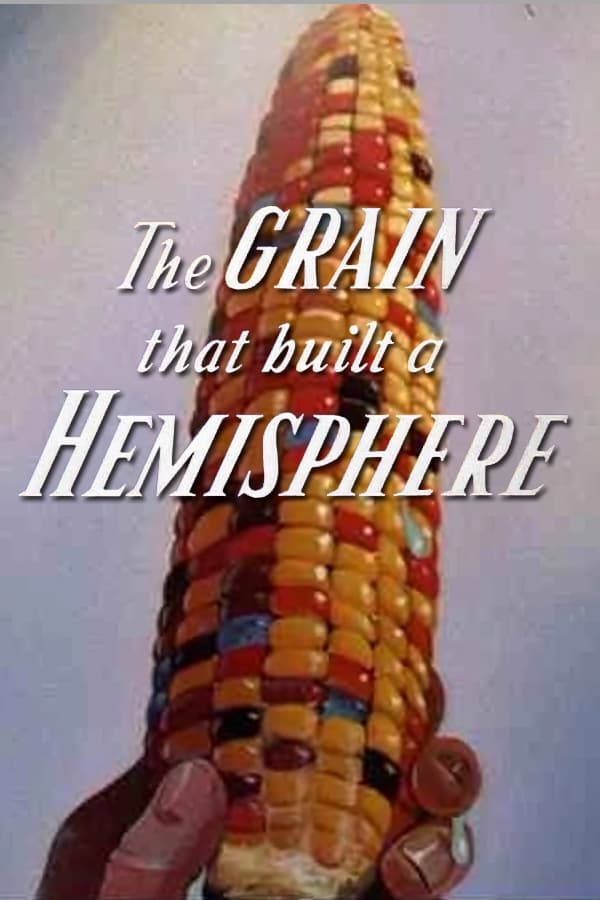
The Grain That Built a Hemisphere
1943 film by Bill Justice
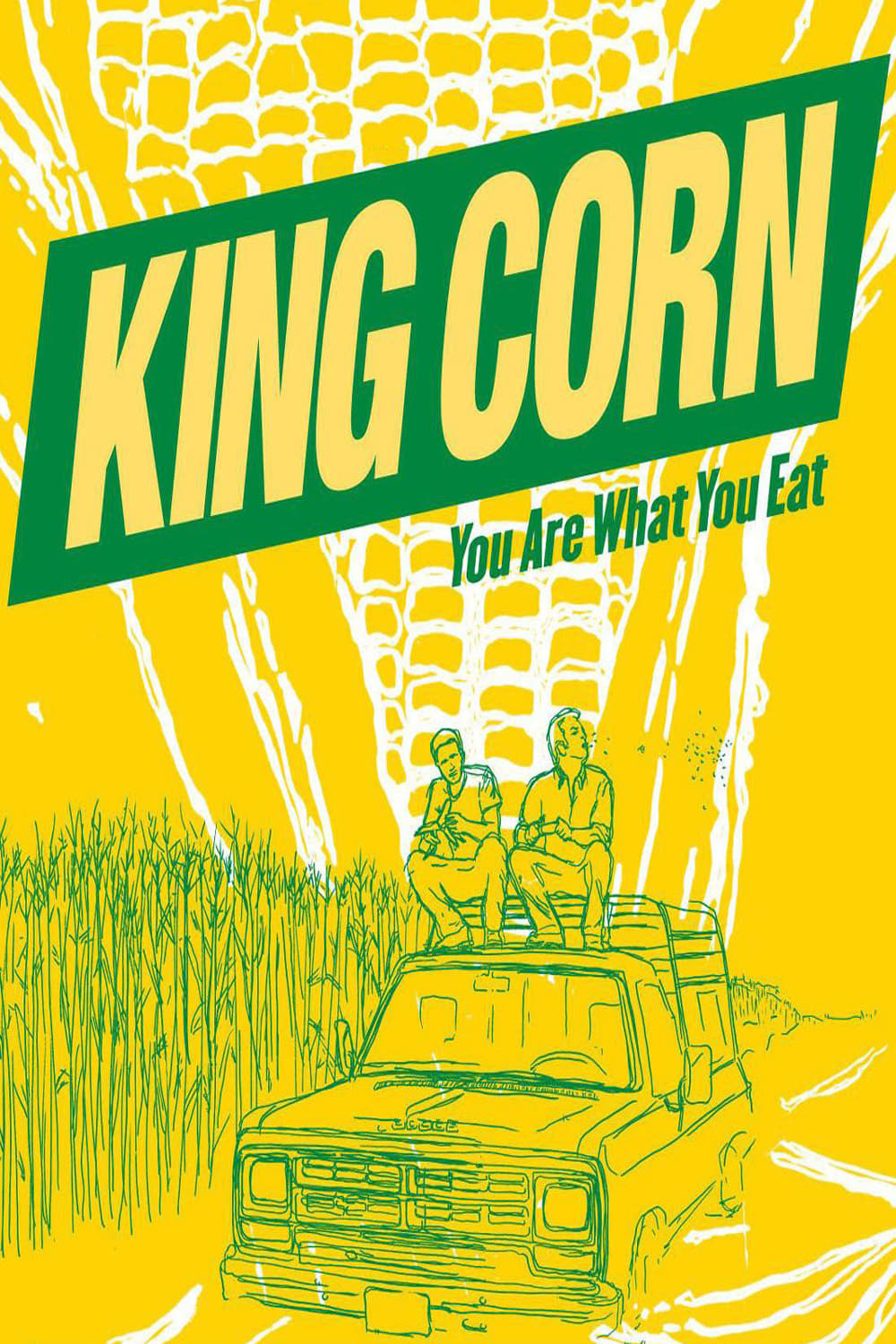
King Corn
2007 film by Ian Cheney

corn kernel
fruit of corn (maize)
Corn Palace
Multi-purpose venue in Mitchell, South Dakota
corn stover
maize plant parts left in field after harvest
corn allergy
medical condition
detasseling
upright=0.80|right|thumb|The tassel of a corn plantDetasseling corn is removing the pollen-producing flowers, the tassel, from the tops of corn (maize) plants and placing them on the ground. It is a form of pollination control, employed to cross-breed, or hybridize, two varieties of corn.