Category
page 1Malpighiales genera

Hypericum
Hypericum is a genus of flowering plants in the family Hypericaceae (formerly considered a subfamily of Clusiaceae). The genus has a nearly worldwide distribution, missing only from tropical lowlands, deserts and polar regions. Many Hypericum species are regarded as invasive species and noxious weeds. All members of the genus may be referred to as '''St. John's wort, and some are known as goatweed'''. The white or pink flowered marsh St. John's worts of North America and eastern Asia are generally accepted as belonging to the separate genus Triadenum Raf.

Linum
Linum (flax) is a genus of approximately 200 species in the flowering plant family Linaceae. They are native to temperate and subtropical regions of the world. The genus includes the common flax (L. usitatissimum), the bast fibre of which is used to produce linen and the seeds to produce linseed oil.
thumb|right|Linum narbonense
The flowers of most species are blue or yellow, rarely red, white, or pink, and some are heterostylous. There is an average of 6 to 10 seeds per boll.

Rafflesia
Rafflesia (), or stinking corpse lily, is a genus of parasitic flowering plants in the family Rafflesiaceae. The species have enormous flowers, the buds rising from the ground or directly from the lower stems of their host plants; one species has the largest flower in the world. Plants of the World Online lists up to 41 species from this genus; all of them are found in Southeast Asia.

Erythroxylum
Erythroxylum is a genus of tropical flowering plants in the family Erythroxylaceae. Many of the approximately 200 species contain the tropane alkaloid cocaine, and two of the species within this genus, Erythroxylum coca and Erythroxylum novogranatense, both native to South America, are the main commercial source of cocaine and of the mild stimulant coca tea. Another species, Erythroxylum vaccinifolium (also known as catuaba) is used as an aphrodisiac in Brazilian drinks and herbal medicine. Erythroxylum australe was traditionally used by Aboriginal Australians for rites and other practices.
.jpg)
Mammea
Mammea is a flowering plant genus with about 70 species in the family Calophyllaceae. Its members are evergreen trees having edible fruits. The plants are dioecious, i.e. each individual plant produces either male or female flowers only. The calyx is fully fused initially, splitting into two or three valvate sepals. There are four to eight petals. Berries are formed, containing one to four seeds. The leaves are rigid, coriaceous and often have pellucid dots.
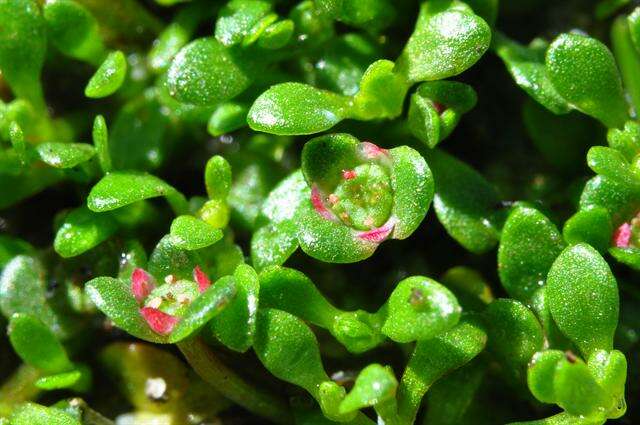
Elatine
Elatine is one of only two genera in the plant family Elatinaceae, the waterwort family. It contains about 25 species of aquatic plants known generally as waterworts. These are annual or perennial plants found in wet areas worldwide.

Calophyllum
Calophyllum is a genus of tropical flowering plants in the family Calophyllaceae. They are mainly distributed in Asia, with some species in Africa, the Americas, Australasia, and the Pacific Islands.

Balanops
thumb|Balanops vieillardii line drawing
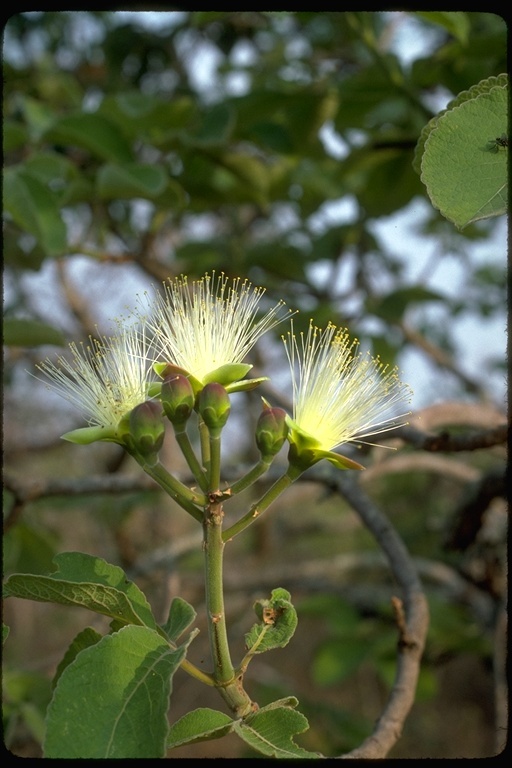
Caryocar
Caryocar (souari trees) is a genus of flowering plants, in the South American family Caryocaraceae described as a genus by Linnaeus in 1771. It is native primarily to South America with a few species extending into Central America and the West Indies.

Goupia
Goupia is a neotropical genus of flowering plants and the sole genus included in the family Goupiaceae. There are three species, all found in tropical northern South America.

Mesua
Mesua is a genus of flowering plants in the family Calophyllaceae, native to tropical southern Asia. Common names include ironwood (shared with many other plants) and rose chestnut.

Euphronia
Euphronia is a genus of three species of shrubs native to northern South America and is the only genus in the family Euphroniaceae. It was previously classified in the Vochysiaceae family and elsewhere due to its unique floral features, but the APG III system of 2009 recognized Euphroniaceae as distinct and placed Euphronia in it. Based on molecular data from the rbcL gene, it is sister to the Chrysobalanaceae.

Ctenolophon
Ctenolophon is the only genus in the flowering plant family Ctenolophonaceae. It has two recognized species:

Sapria
Sapria is an Asian genus of parasitic flowering plants in the family Rafflesiaceae erected by William Griffith in 1844. It grows within roots of Vitis and Tetrastigma. The genus is limited to the tropical forests of South and Southeast Asia.

Bergia
Bergia is one of the two genera of plants composing the waterwort family, Elatinaceae. These are tropical to subtropical plants and sometimes aquatic in nature.
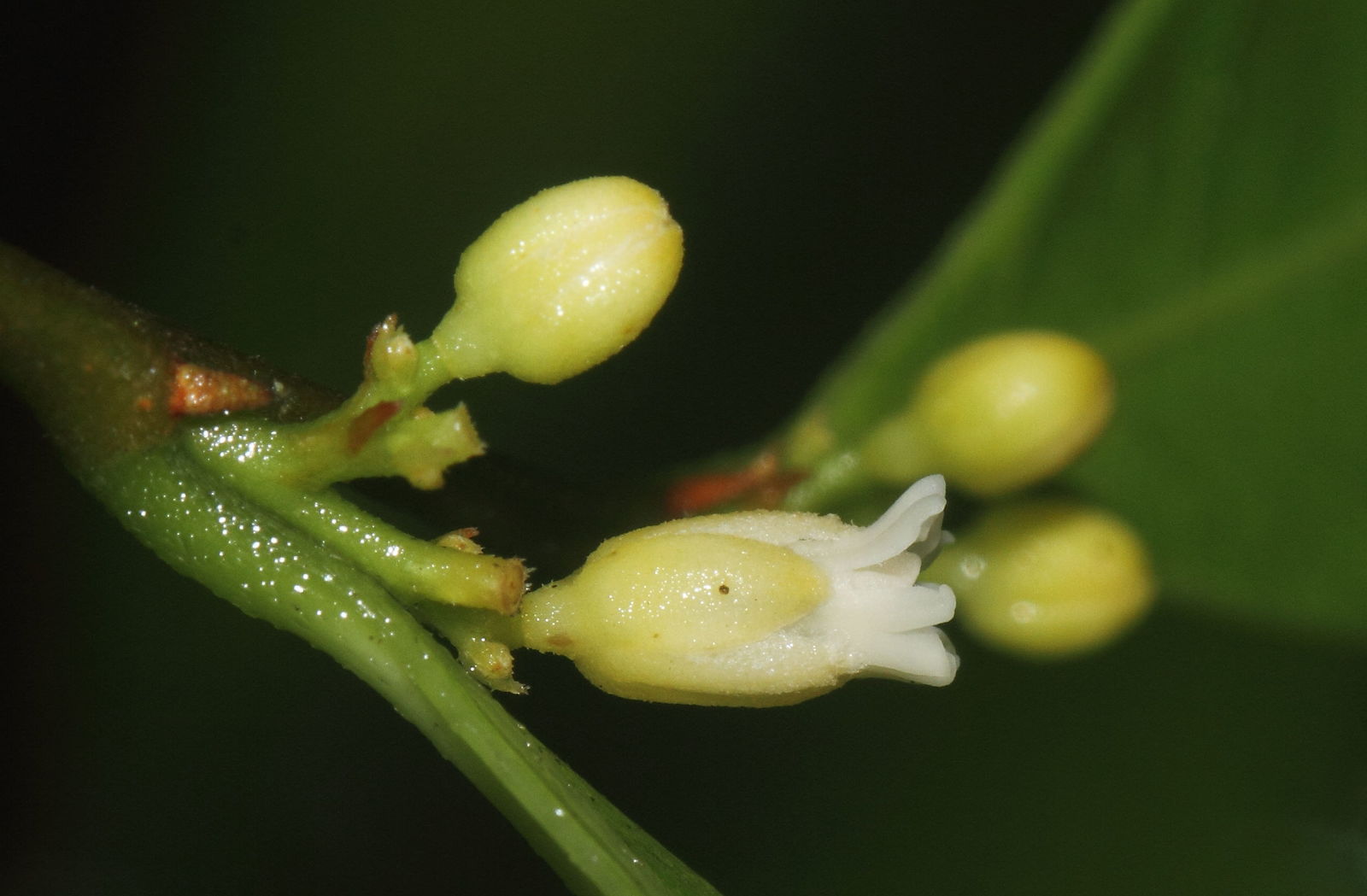
Dichapetalum
Dichapetalum is a genus in the plant family Dichapetalaceae. The plants are tropical lianas native mainly to tropical regions of Africa, Asia, Malesia, the West Indies, Australia and Latin America. Some species are known to be poisonous due to the presence of toxic fluorinated compounds, such as fluorooleic acid and fluoroacetic acid and dichapetalins, a unique class of cytotoxic compounds that are only found within this genus.
%20tree.jpg)
Drypetes
alt=Drypetes falcata (Filipino name: Gakakan)|thumb|Drypetes falcata
Drypetes is a plant genus of the family Putranjivaceae, in the order Malpighiales.
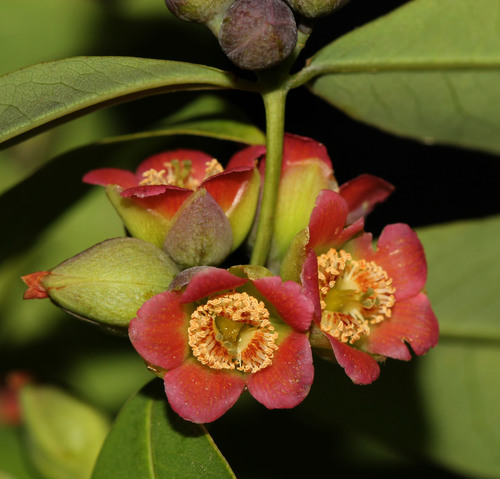
Cratoxylum
Cratoxylum (or Cratoxylon , an orthographic variant) is a genus of flowering plants in the family Hypericaceae, native to tropical Asia. The generic name means "strong wood", referring to the timber.

Irvingia
thumb|right|200px|Irvingia malayana in Buon Ma Thuot, Dak Lak, Vietnam

Vismia
Vismia is a genus of flowering plants in the family Hypericaceae. Members of the genus are small trees and shrubs found in tropical and subtropical areas of Central America and South America.
Including the countries of Belize, Bolivia, Brazil, Colombia, Costa Rica, Ecuador, El Salvador, French Guiana, Guatemala, Guyana, Honduras, Mexico, Nicaragua, Panamá, Peru, Suriname, Trinidad-Tobago and Venezuela.

Putranjiva
Putranjiva is a plant genus of the family Putranjivaceae, first described as a genus in 1826. It is native to Southeast Asia, the Indian subcontinent, Japan, southern China, and New Guinea.
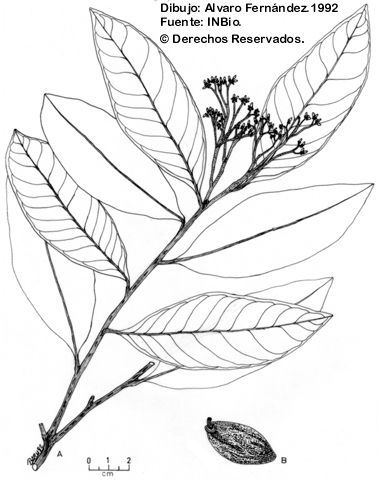
Vantanea
Vantanea is a genus of flowering plants in the family Humiriaceae.
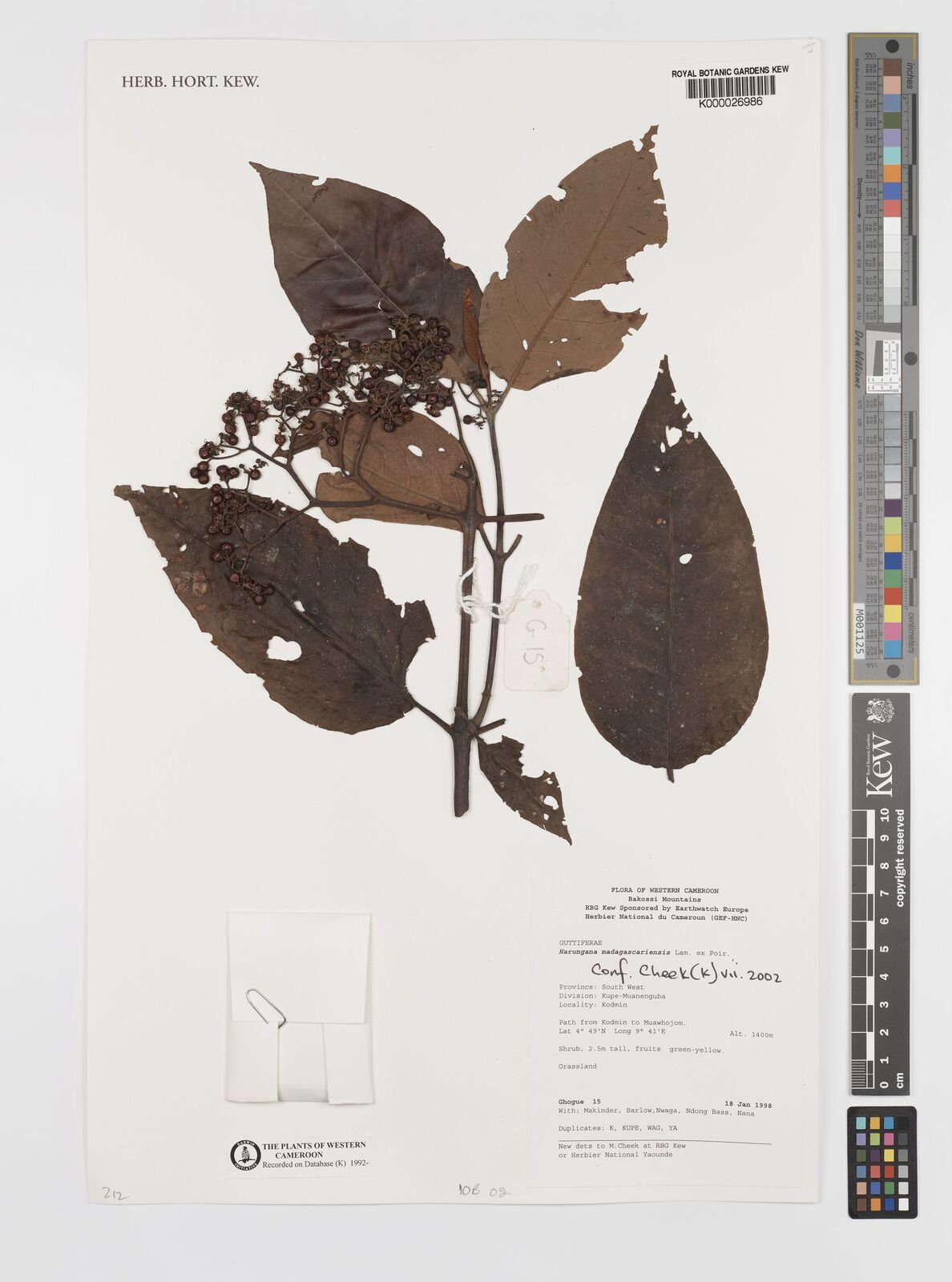
Harungana
Harungana is a genus of flowering plants within the St. Johns wort family, Hypericaceae, native to tropical Africa and Madagascar, widely known for its diverse medicinal, ecological, and practical uses.
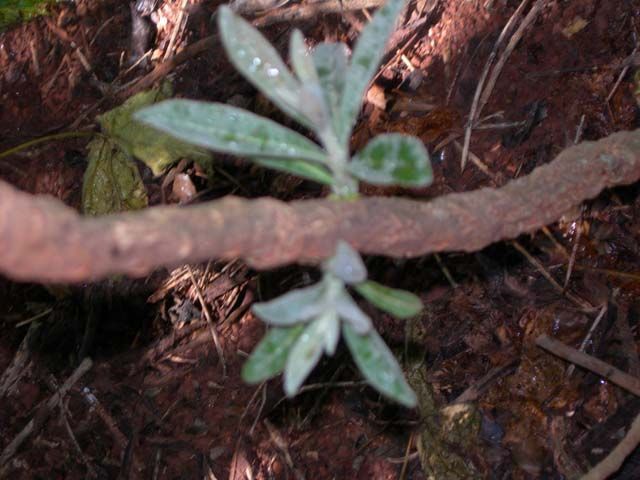
Kielmeyera
Kielmeyera is a plant genus in the family Calophyllaceae. It is endemic to South America, with a large occurrence in the Brazilian cerrados.
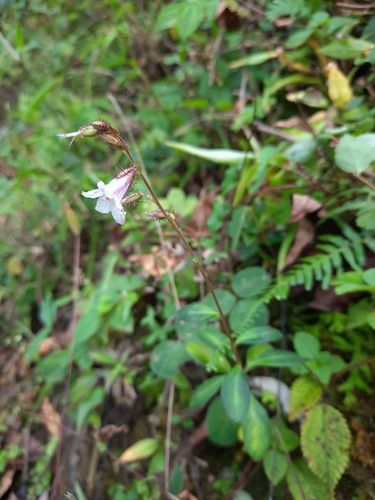
Anisadenia
Anisadenia is a genus of flowering plants belonging to the family Linaceae.

Caraipa
Caraipa is a plant genus in the family Calophyllaceae.
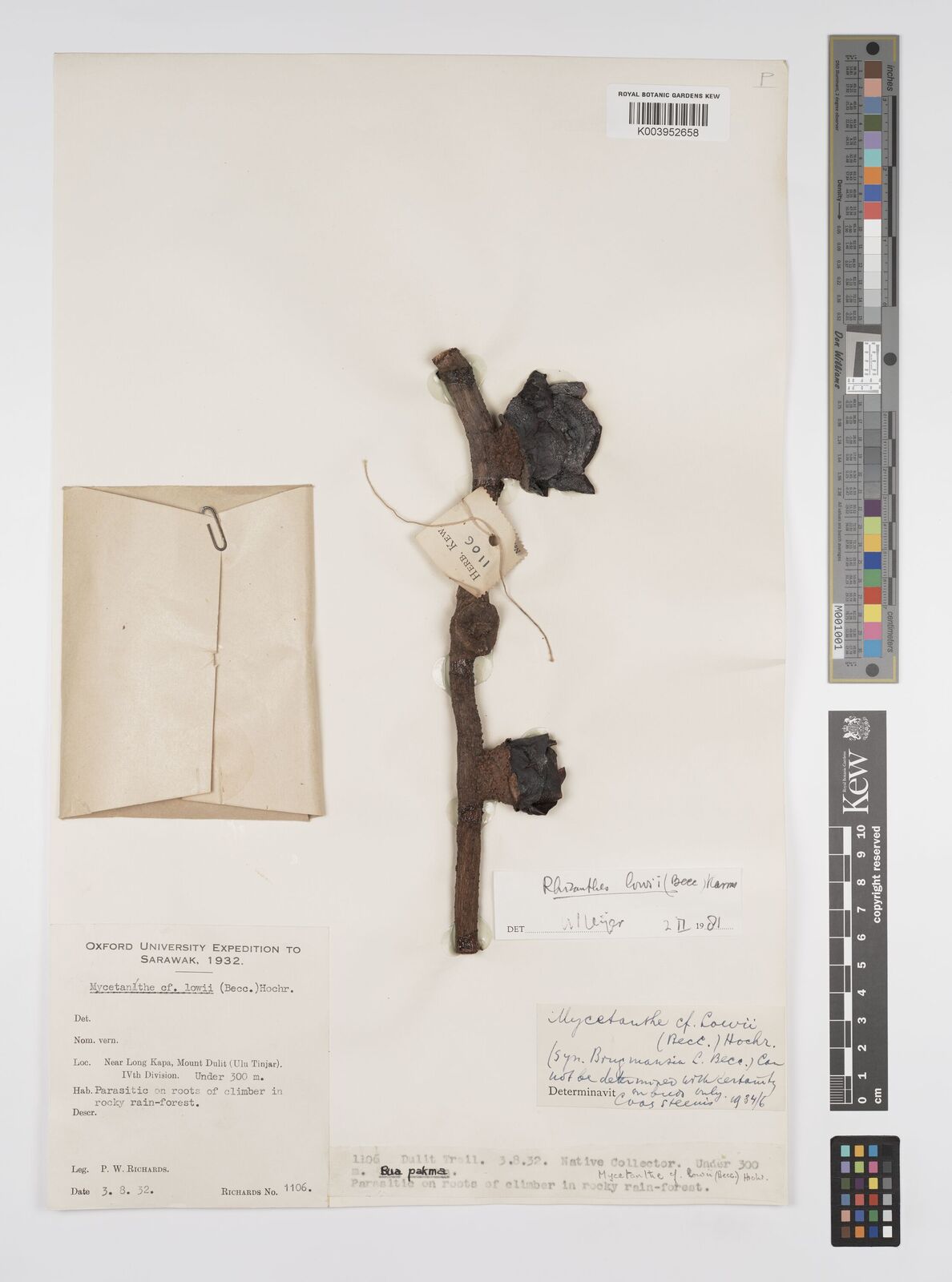
Rhizanthes
Rhizanthes is a genus of four species of parasitic flowering plants in the family Rafflesiaceae. They are without leaves, stems, roots, or photosynthetic tissue, and grow within the roots of a few species of Tetrastigma vines. The genus is limited to the tropical forests of Southeast Asia. The flowers of Rhizanthes are very large, they vary from 14 to 43 cm in diameter. At least one species of Rhizanthes, Rh. lowii, is endothermic.
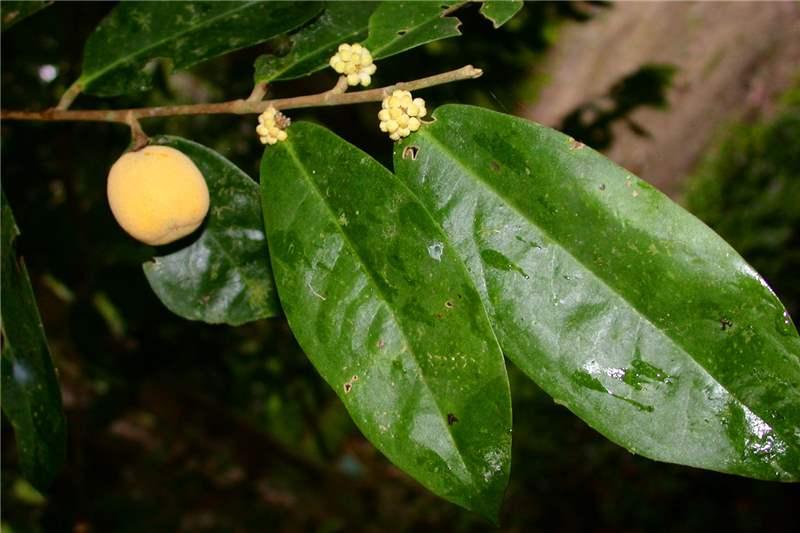
Tapura
Tapura is a genus of flowering plants in the family Dichapetalaceae. Species in this genus are native to Central and South America, and Africa.
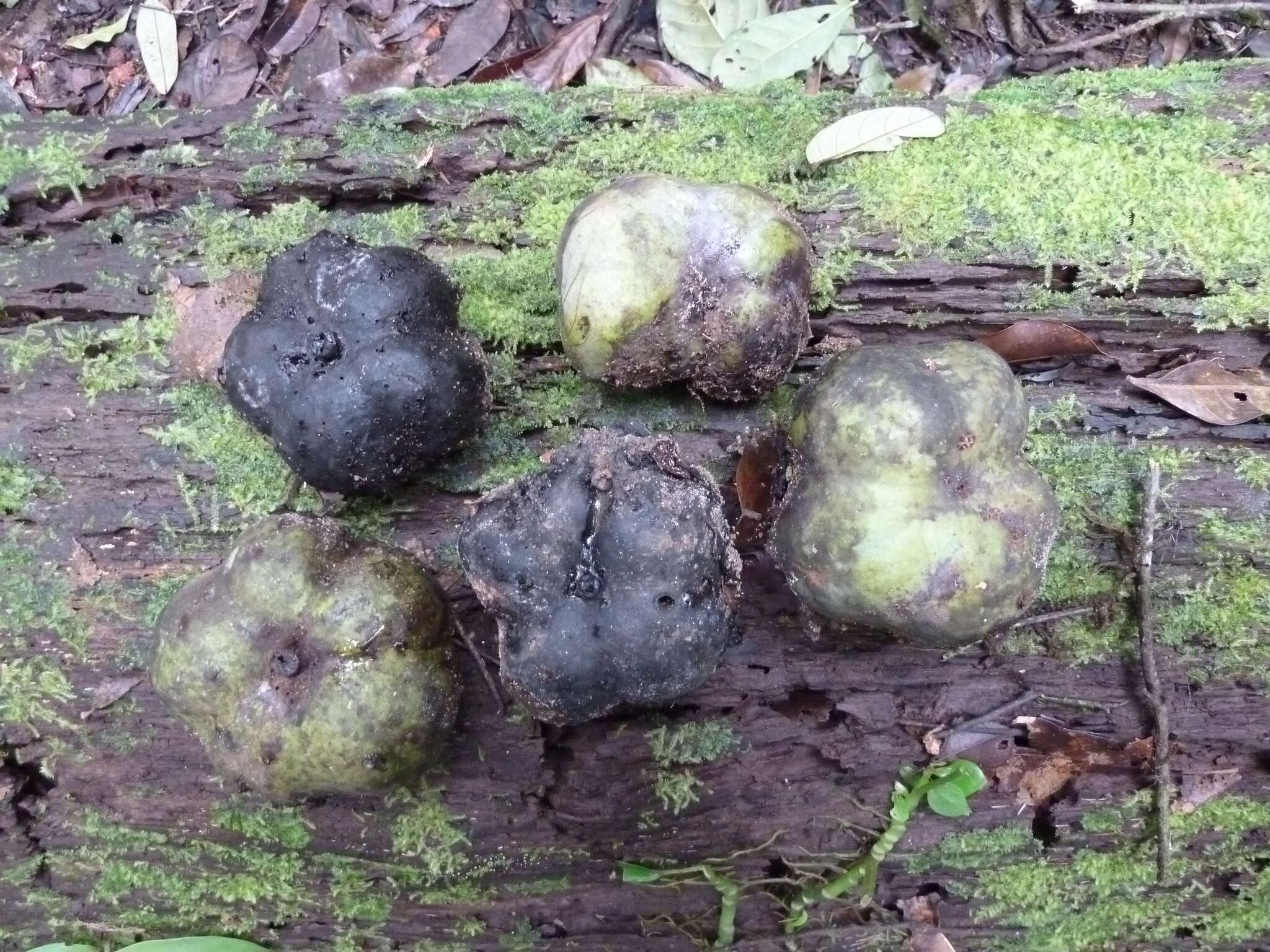
Klainedoxa
Klainedoxa is a group of African trees in the family Irvingiaceae, described as a genus in 1896. It is native to Africa.
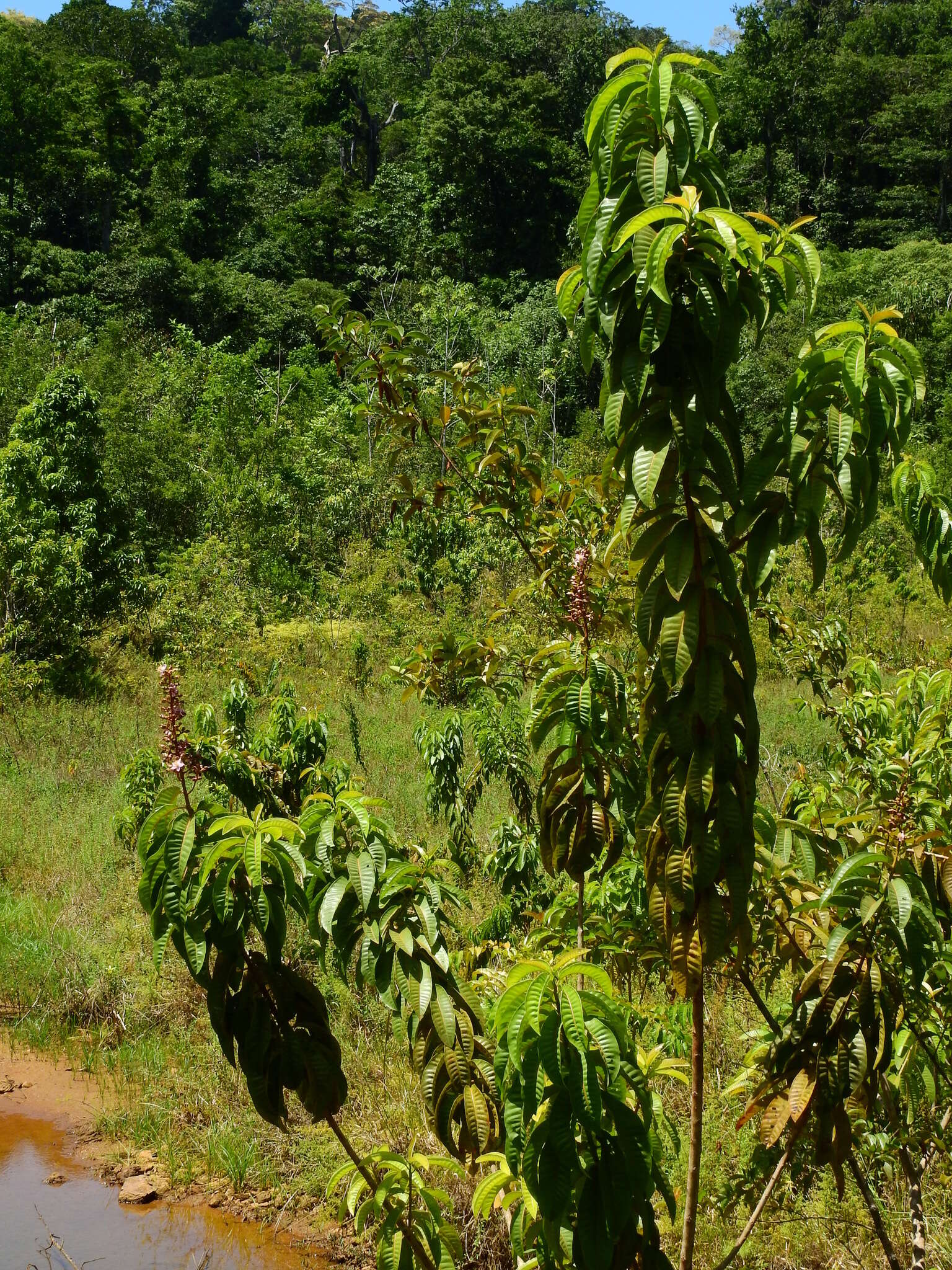
Mahurea
Mahurea is a plant genus in the family Calophyllaceae. The genus comprises 2 species, occurring in Colombia, Venezuela, Guyana, French Guiana, Peru, and northern Brazil.
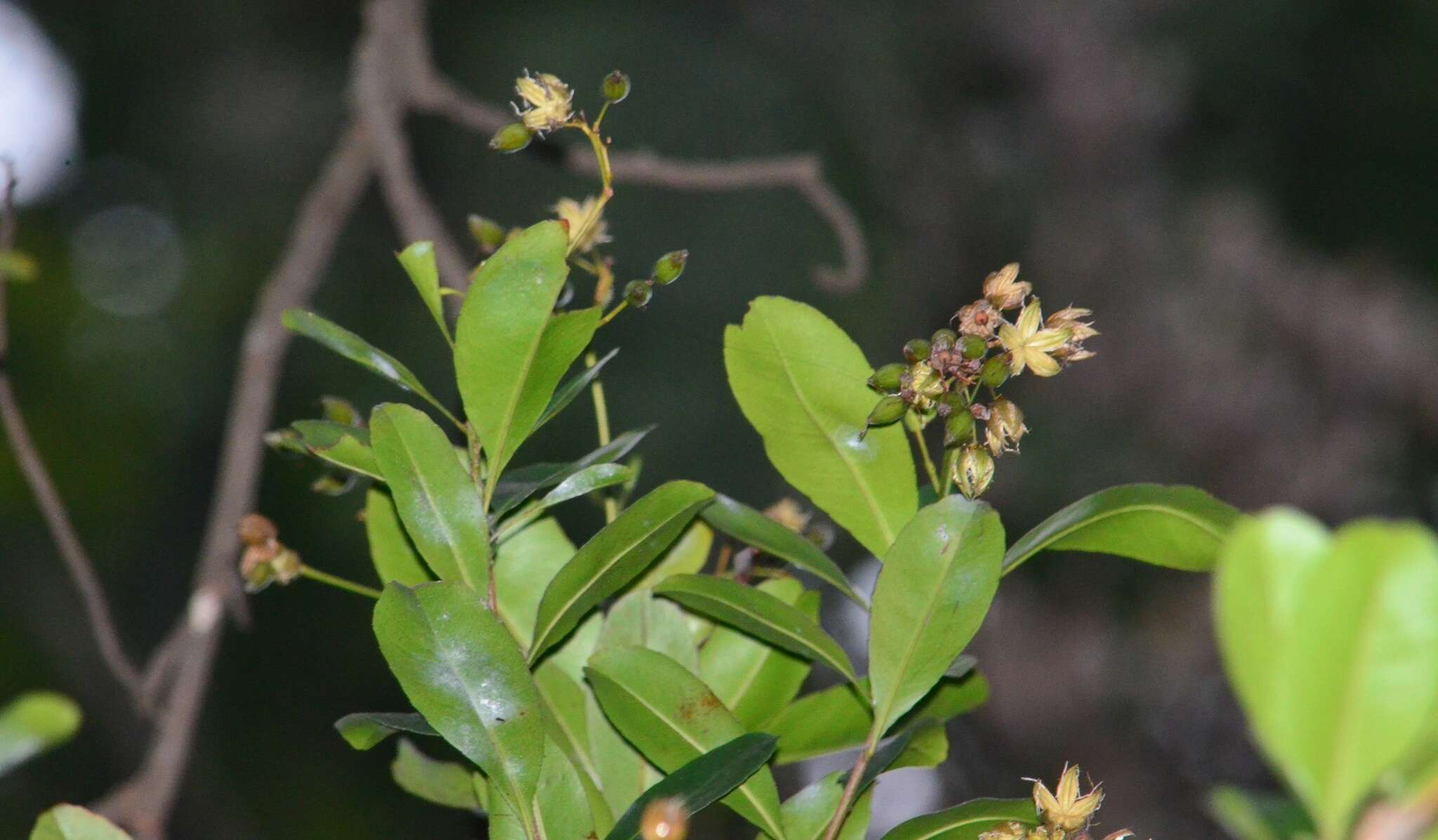
Ixonanthes
Ixonanthes is a genus of trees in the family Ixonanthaceae. It contains the following species:
Ixonanthes icosandra
Ixonanthes petiolaris – from Thailand to the Philippines and Sulawesi
Ixonanthes reticulata – from China to New Guinea
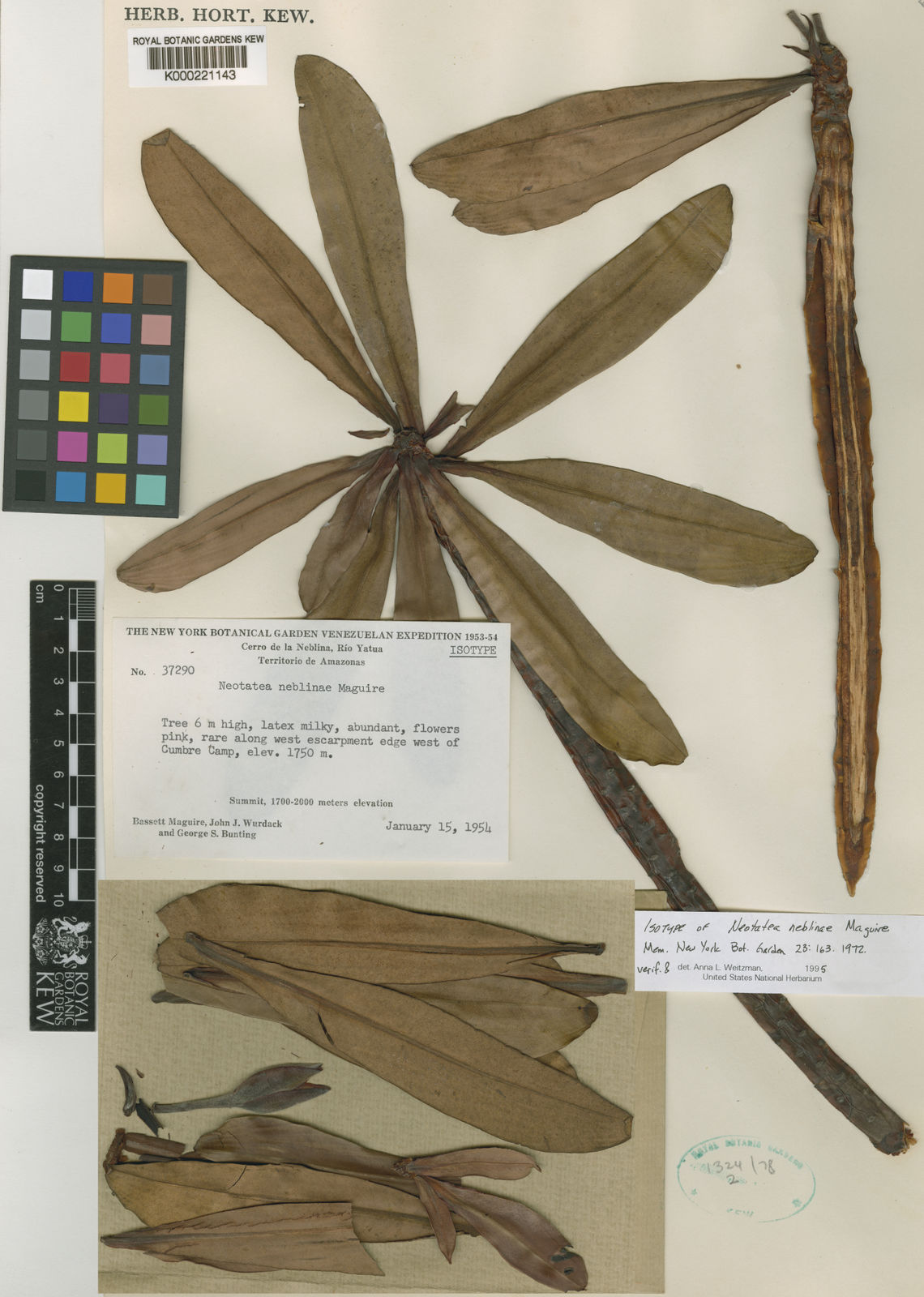
Neotatea
Neotatea is a plant genus in the family Calophyllaceae. It is found in northwestern South America, primarily southern Colombia and Venezuela. There are four species currently recognized in the genus.

Gloeospermum
Gloeospermum is a plant genus in the Violaceae family. It has been found in Central American, including Panama, and Ecuador.

Phyllocosmus
Phyllocosmus is a genus of small trees in the family Ixonanthaceae native to tropical Africa. It is closely related to the South American genus Ochthocosmus and was once considered to be a part of it.
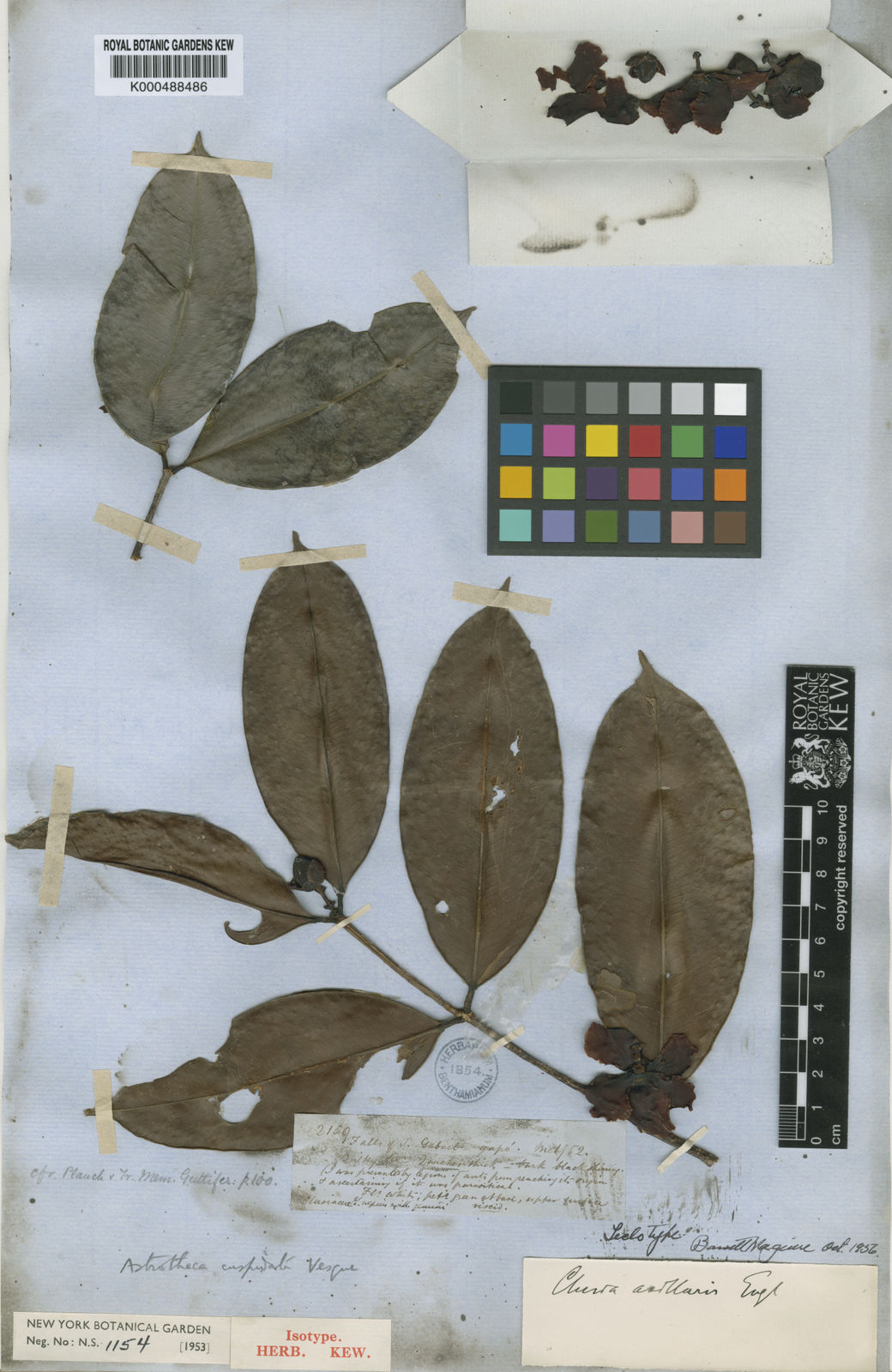
Clusiella
Clusiella is a plant genus of the family Calophyllaceae. When Planchon and Triana first published it in 1860, based on Clusiella elegans, the genus was considered monotypic and remained as such for about 100 years.
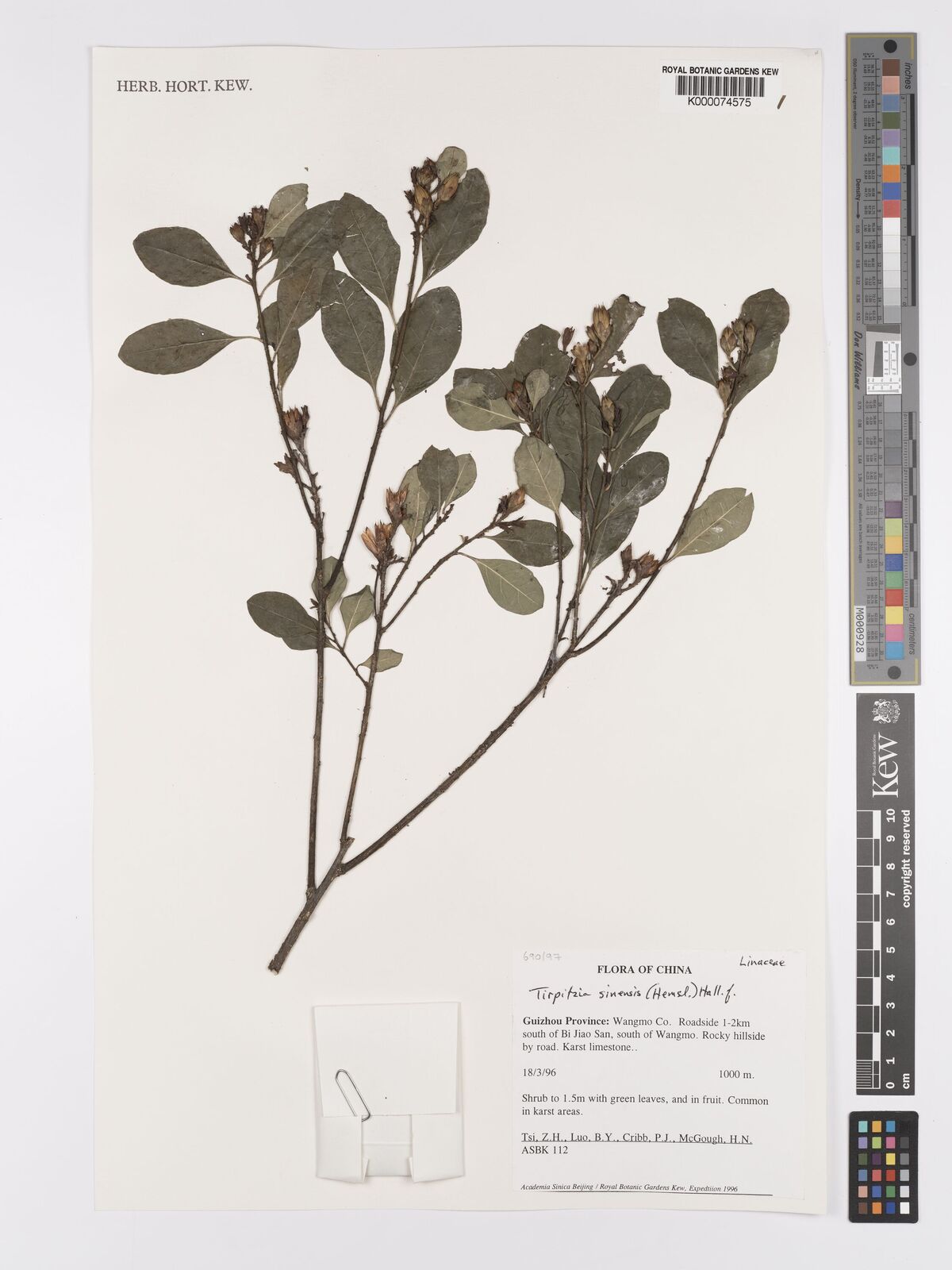
Tirpitzia
Tirpitzia is a genus of flowering plants belonging to the family Linaceae. It is also in the subfamily Linoideae.
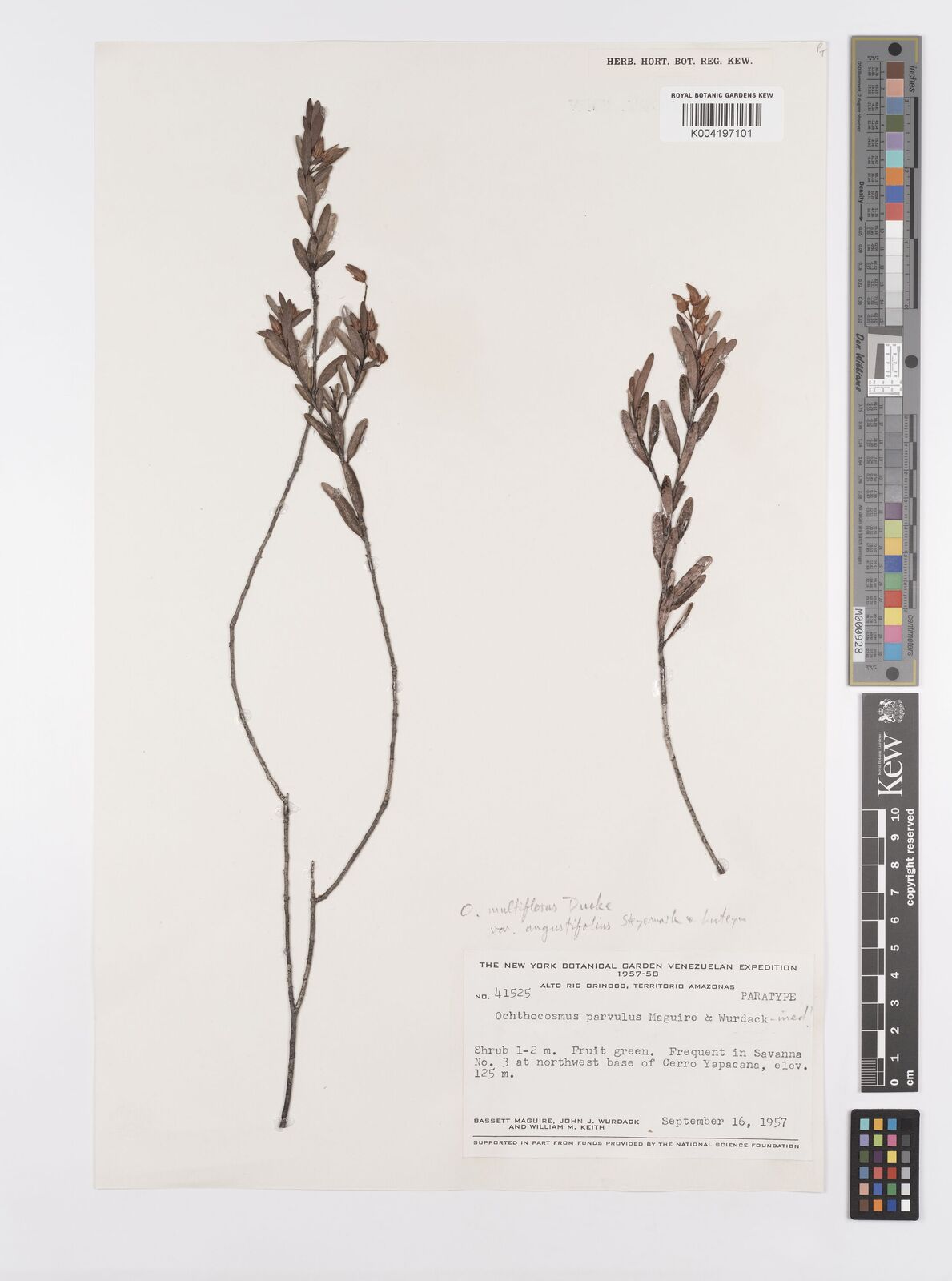
Ochthocosmus
Ochthocosmus is a genus of flowering plants belonging to the family Ixonanthaceae.
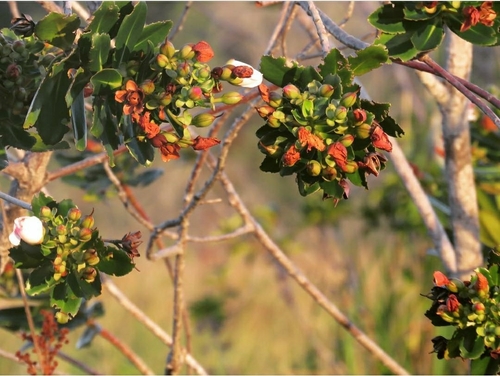
Bonnetia
Bonnetia is a genus of flowering plants in the family Bonnetiaceae. Most of the roughly 30 species are shrubs. The remaining species, all trees, are among the dominant species in the forest vegetation on the tepui plateaus of northern South America, such as B. roraimae on the summit of Mount Roraima.
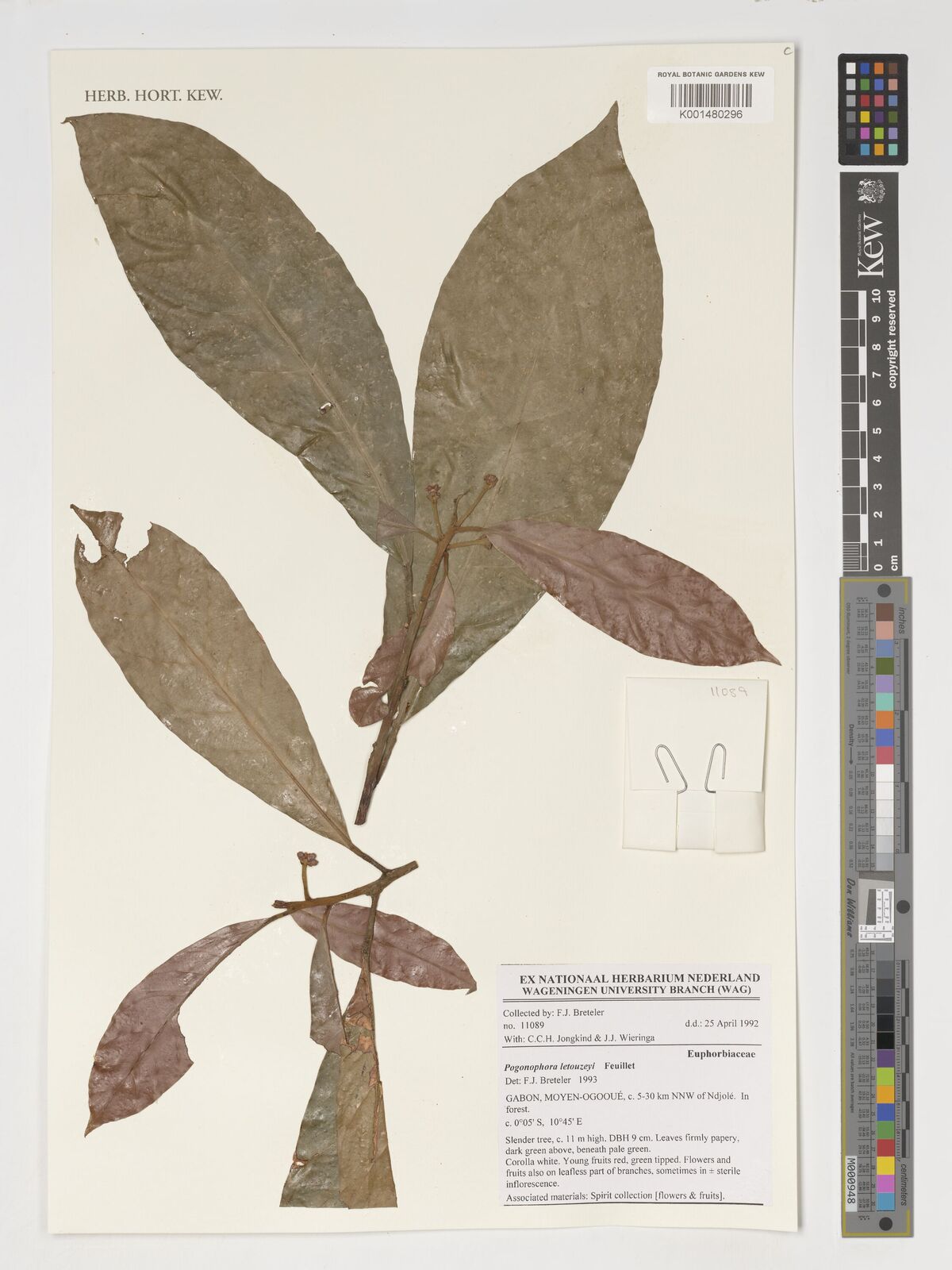
Pogonophora
genus of plants
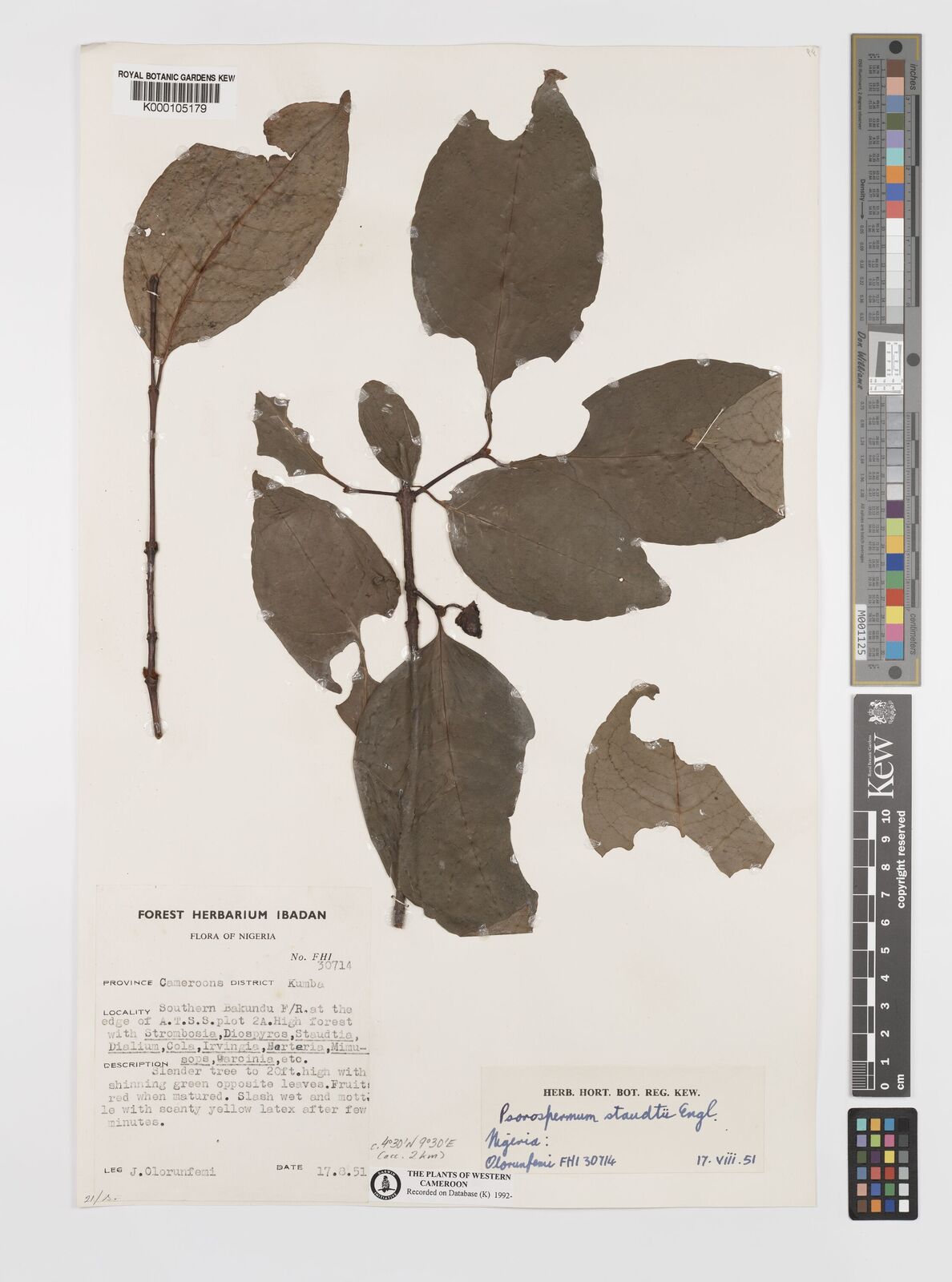
Psorospermum
Psorospermum is a genus of flowering plants in the family Hypericaceae.

Triadenum
Triadenum, known as '''marsh St. John's worts''', is a small genus of flowering plants in the family Hypericaceae. The genus is characterized by opposite, blunt-tipped leaves and pink flowers with 9 stamens. They are distributed in North America and eastern Asia.

Clutia
Clutia is a plant genus of the family Peraceae. It is native to sub-Saharan Africa and to the Arabian Peninsula.
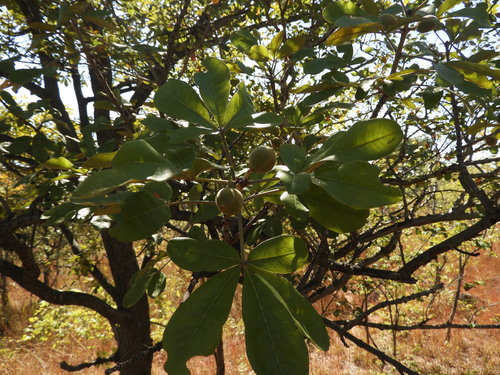
Oldfieldia
Oldfieldia is a plant genus under the family Picrodendraceae, the only member of its subtribe (Paiveusinae). It was described as a genus in 1850.
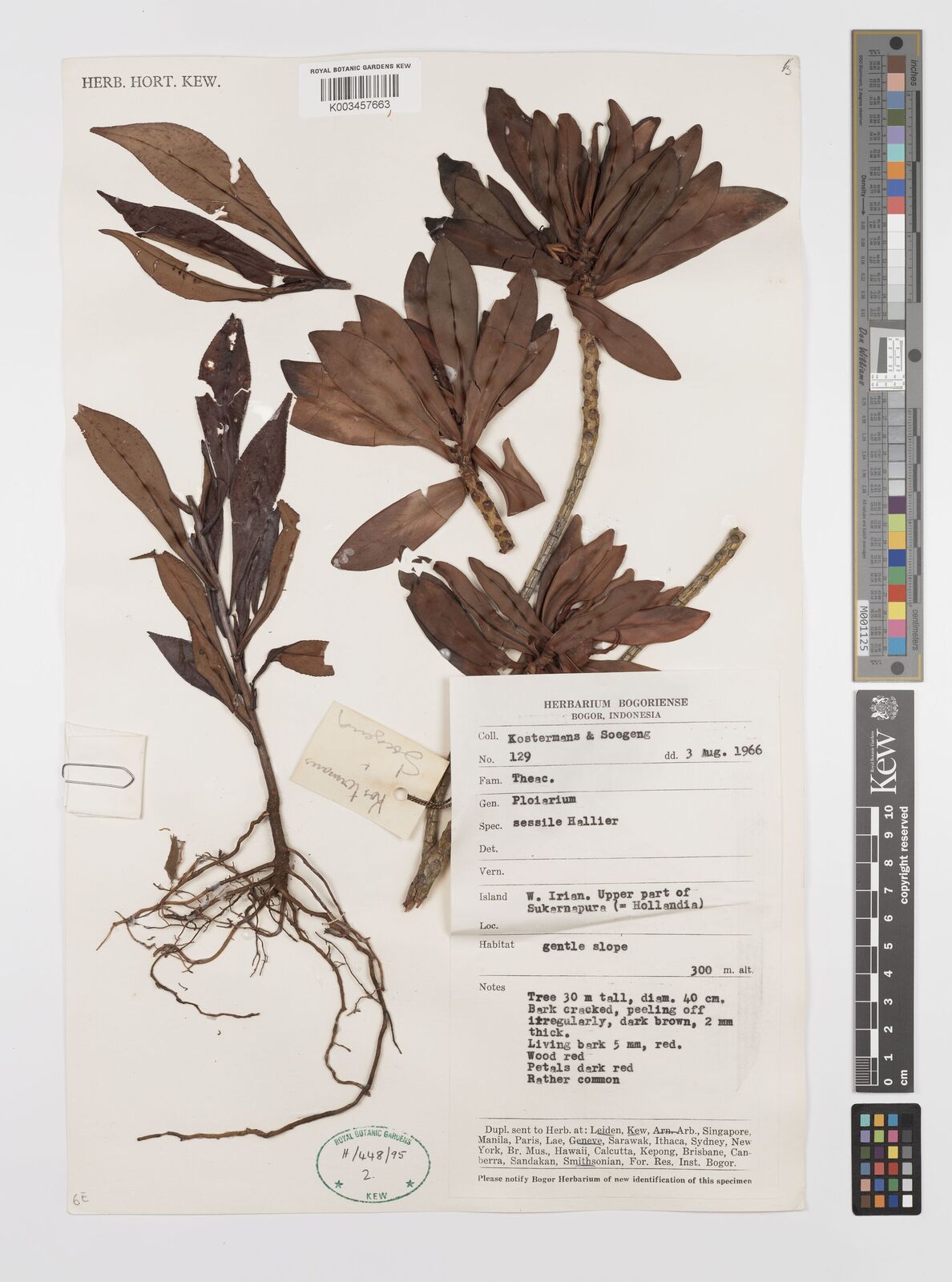
Ploiarium
Ploiarium is a genus of three species of woody plants in the family Bonnetiaceae. It is native to tropical forests and peat swamp forests in Southeast Asia including southern Indochina, Malay Peninsula, Sumatra, and Borneo. Species are generally slow growing with irregular flowering and fruiting cycles. Colonization of plants by arbuscular mycorrhizal fungi is known to improve growth and biomass.
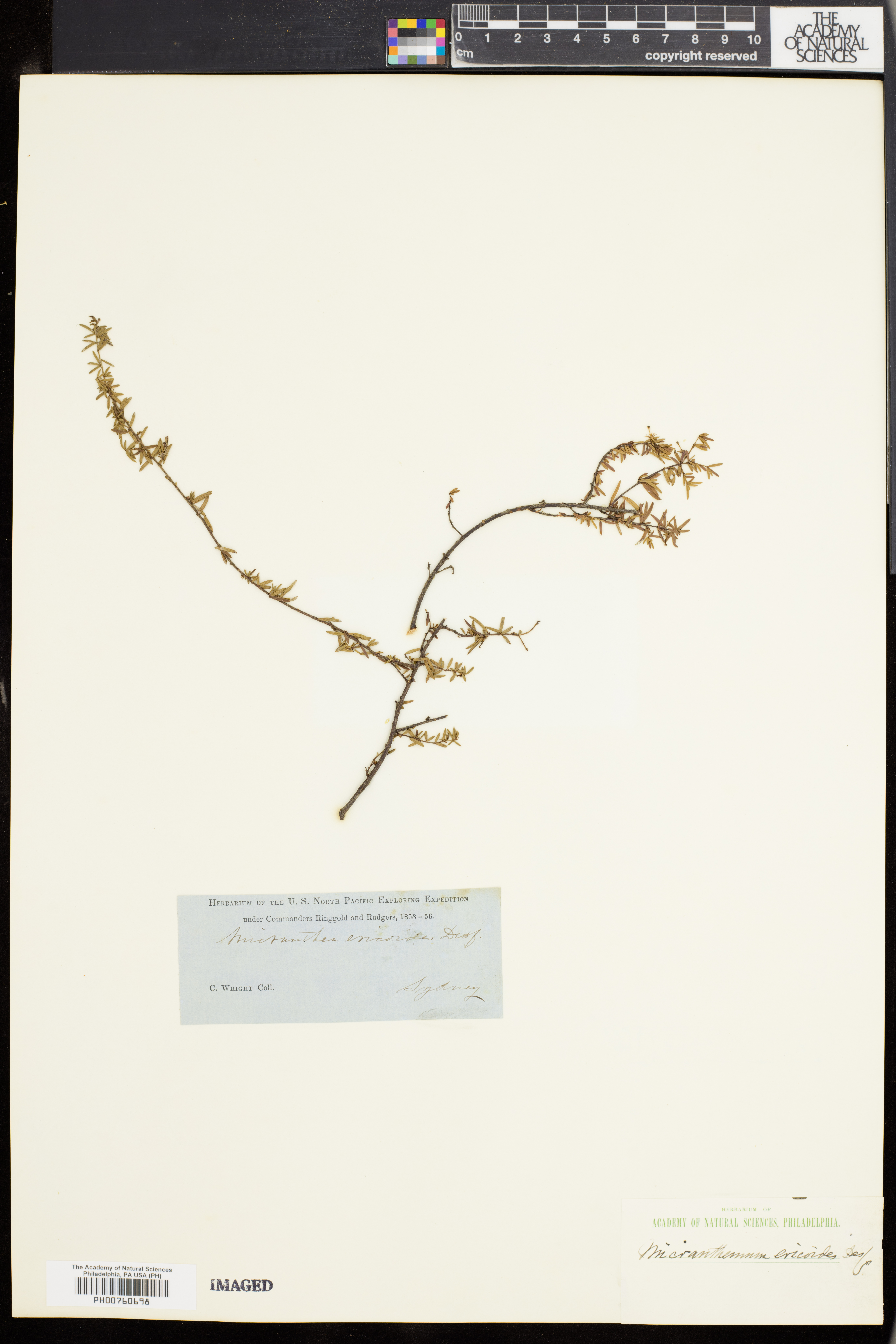
Micrantheum
Micrantheum is a genus of four species of flowering plant in the family Picrodendraceae and is endemic to Australia. Plants in the genus Micrantheum are heath-like, monoecious shrubs with simple leaves usually in groups of three, and flowers arranged singly or in small clusters in leaf axils, male flowers with three, six or nine stamens.

Marila
Marila is a plant genus in the family Calophyllaceae. The genus comprises about 20 species, occurring in the Neotropics from Mexico and the Antilles to Bolivia.
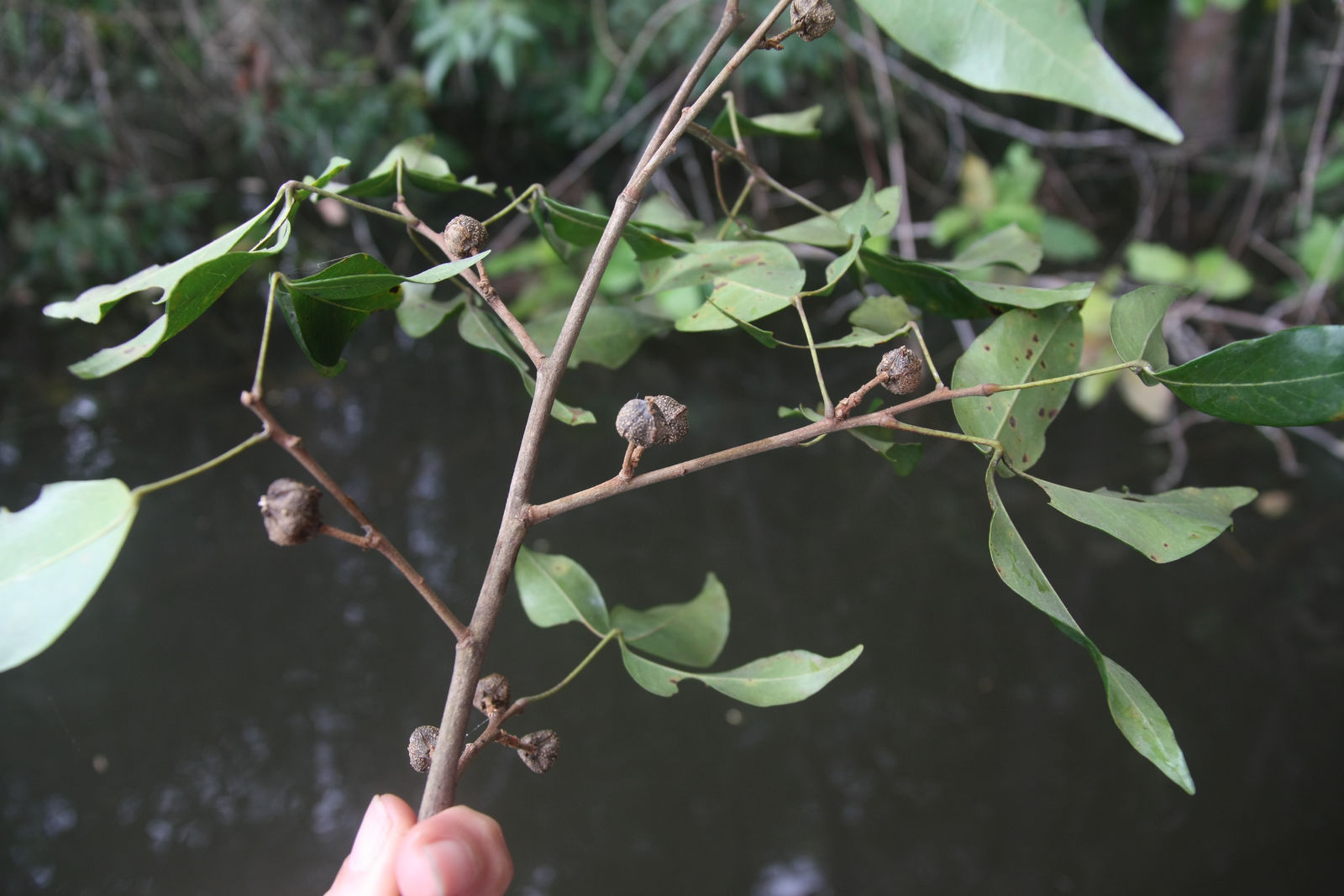
Piranhea
Piranhea is a plant genus under the family Picrodendraceae described as a genus in 1866.
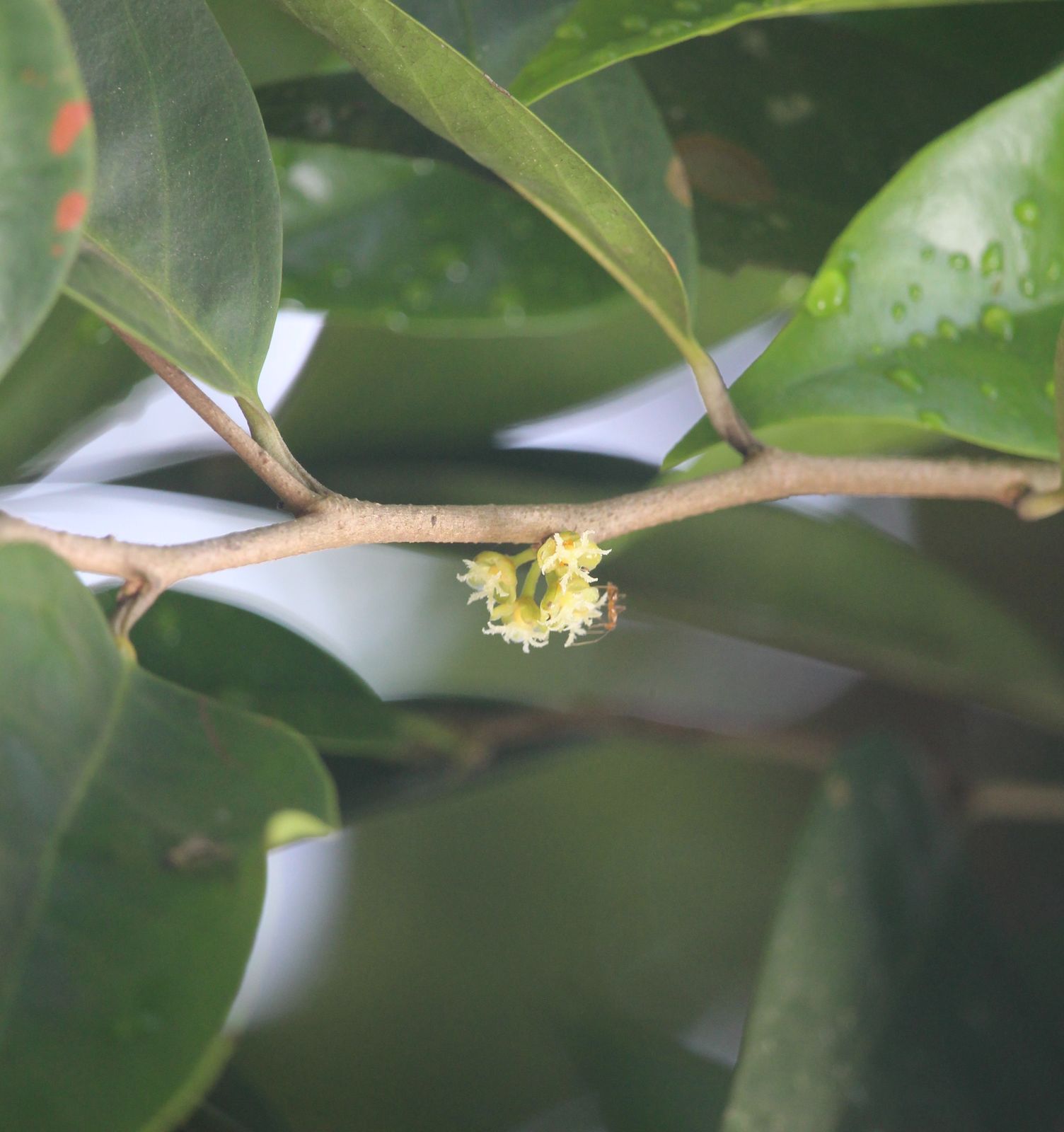
Chaetocarpus
Chaetocarpus is a plant genus of the family Peraceae, formerly Euphorbiaceae, first described as a genus in 1854. Chaetocarpus species are trees or shrubs. They are native to the Americas, Africa, and Asia. Some species are endangered.

Pinacopodium
Pinacopodium is a genus of flowering plants belonging to the family Erythroxylaceae.
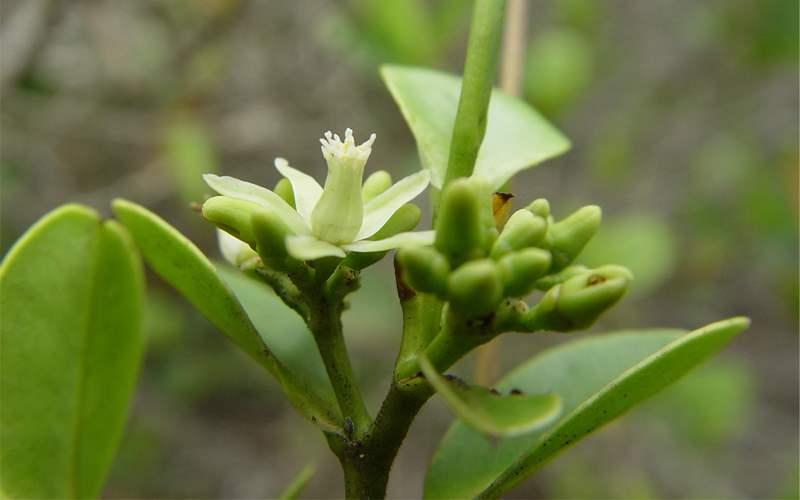
Humiria
Humiria is a genus of flowering plants in the family Humiriaceae found in lowland forests of South America.

Cyrillopsis
Cyrillopsis is a genus of flowering plants belonging to the family Ixonanthaceae.
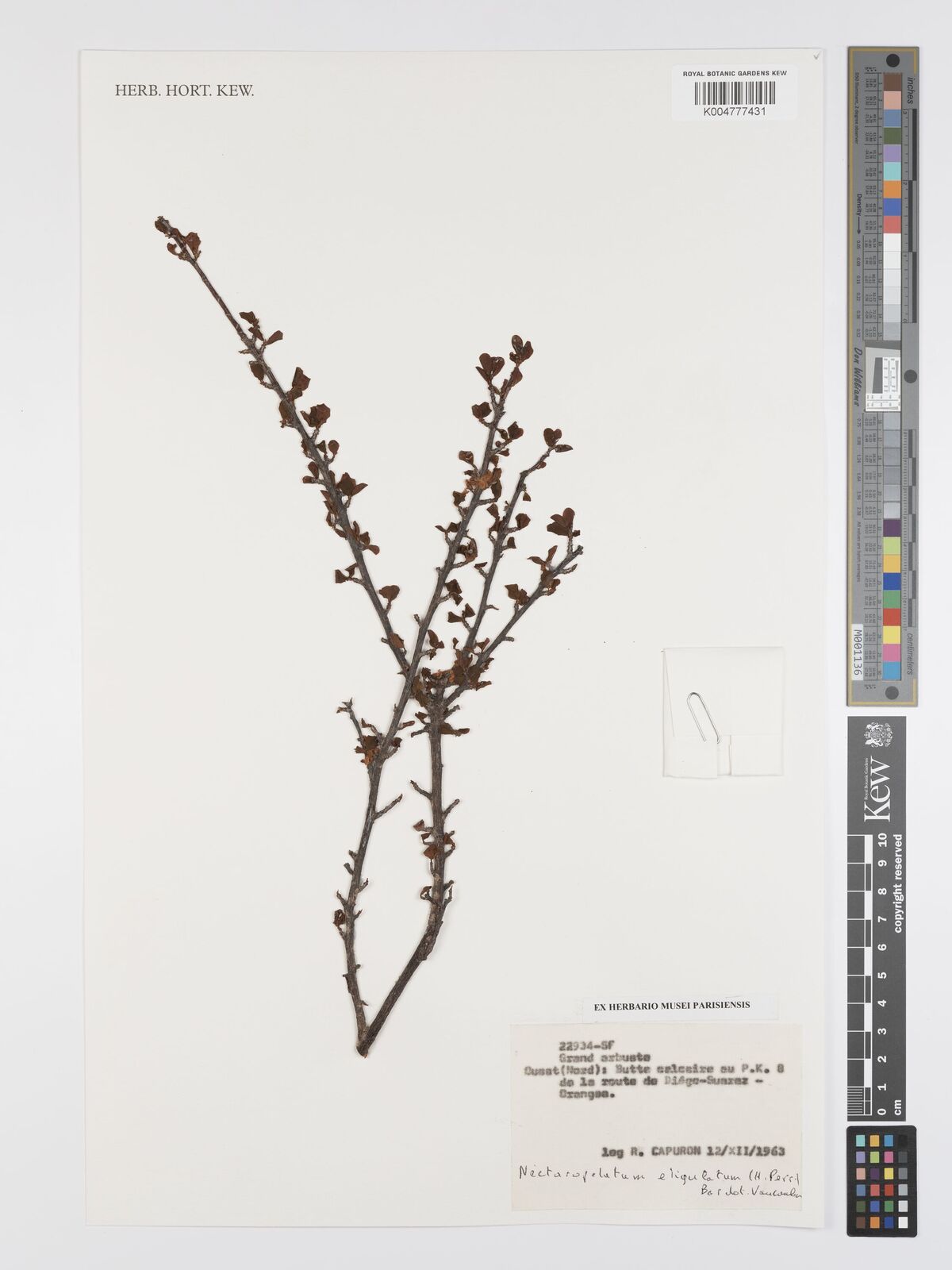
Nectaropetalum
Nectaropetalum is a genus of flowering plants belonging to the family Erythroxylaceae.

Microdesmis
Microdesmis is a genus of plants of the family Pandaceae. It is native to tropical Africa, China and Southeast Asia.

Lacistema
Lacistema is a genus of Lacistemataceae consisting of 12 species :
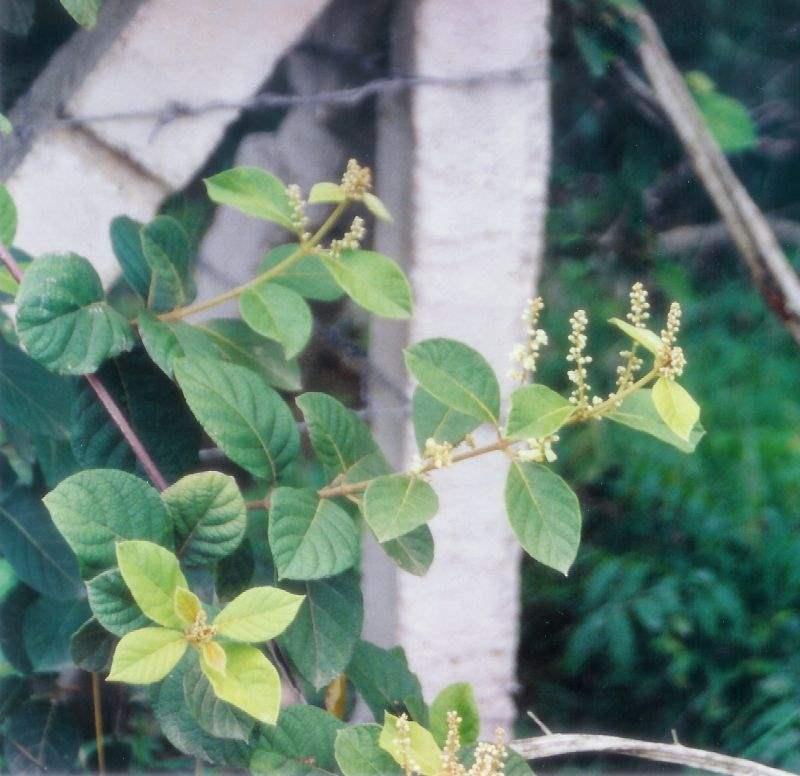
Trigonia
genus of plants
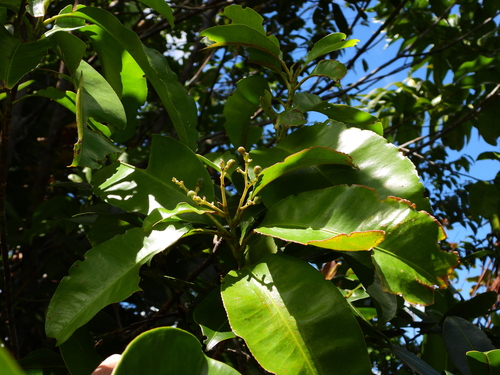
Hebepetalum
Hebepetalum is a genus of flowering plants belonging to the family Linaceae.
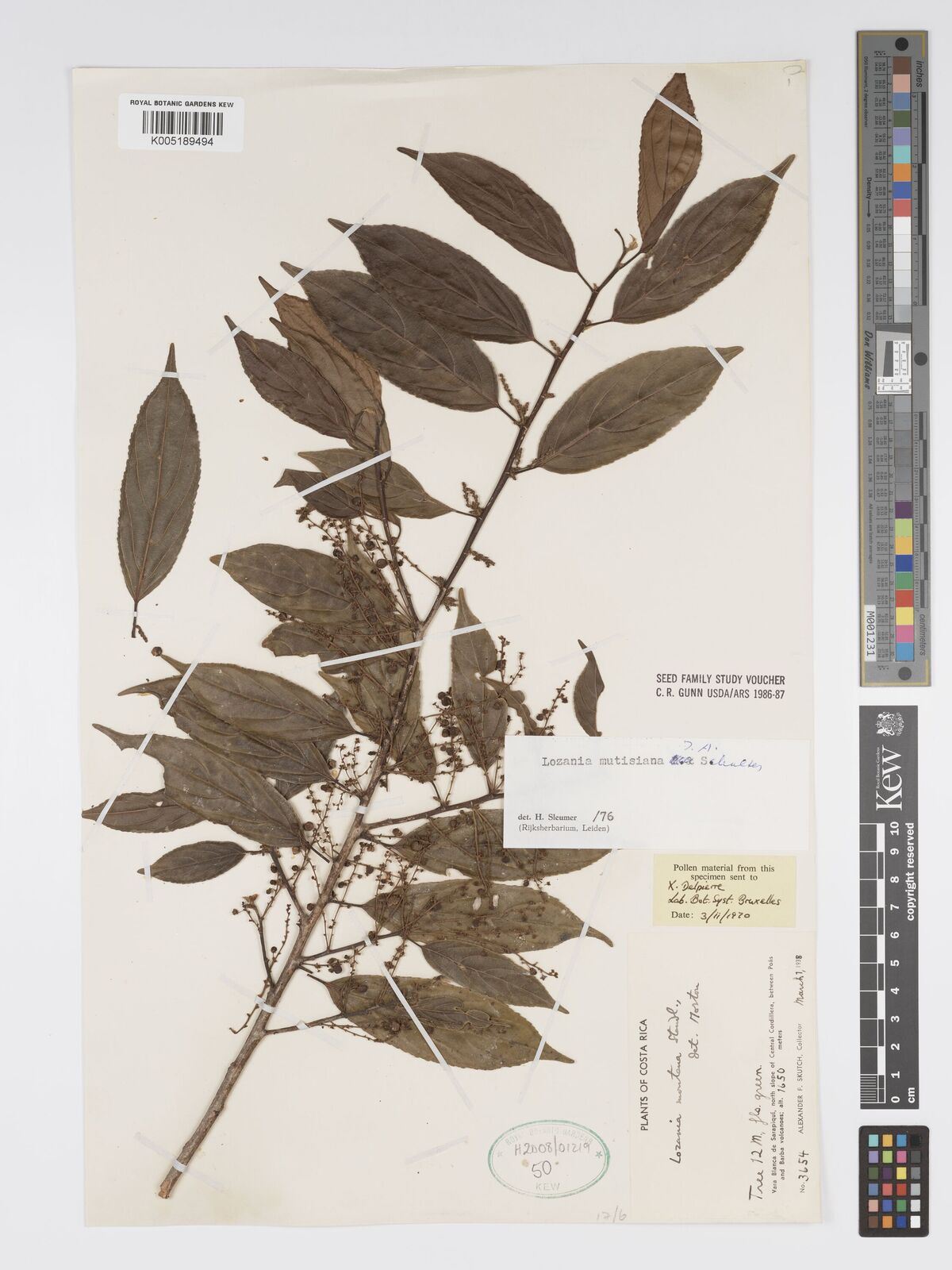
Lozania
Lozania is a genus of flowering plants in the family Lacistemataceae. It includes five species native to the tropical Americas, ranging from Nicaragua to Bolivia.
Lozania glabrata
Lozania klugii
Lozania mutisiana
Lozania nunkui
Lozania pittieri

Galearia
Galearia is a genus of plant of the family Pandaceae. It is native to Indochina, insular Southeast Asia, New Guinea and the Solomon Islands. They are large trees or shrubs which exude a white liquid.

Allantospermum
Allantospermum is a genus of trees up to tall in the family Irvingiaceae. Formerly it has been included in families Simaroubaceae and Ixonanthaceae. It contains the following two species:

Hesperolinon
Hesperolinon is a genus in the family Linaceae, whose common genus names are dwarf-flax or western flax, in reference to their distribution along the west coast of North America. There are 13 known species within this genus of wildflowers, most of which are limited to serpentine soil habitats within California, United States. These annual plants are thought to be mostly self-pollinating.