Category
page 1Mammal tribes

Hominini
The Hominini (hominins) form a taxonomic tribe of the subfamily Homininae (hominines). They comprise two extant genera: Homo (humans) and Pan (chimpanzees and bonobos), and in standard usage exclude the genus Gorilla (gorillas), which is grouped separately within the subfamily Homininae.

duiker
A duiker is a small to medium-sized brown antelope native to sub-Saharan Africa, found in heavily wooded areas. The 22 extant species, including three sometimes considered to be subspecies of the other species, form a clade or natural grouping, either considered to be the subfamily Cephalophinae or the tribe Cephalophini.

Bovini
The tribe Bovini or wild cattle are medium to massive bovines that are native to Eurasia, North America, and Africa. These include the enigmatic, antelope-like saola, the African and Asiatic buffaloes, and a clade that consists of bison and the wild cattle of the genus Bos. Not only are they the largest members of the subfamily Bovinae, they are the largest species of their family Bovidae. The largest species is the gaur (Bos gaurus), weighing up to .

Alcelaphinae
The subfamily Alcelaphinae (or tribe Alcelaphini), of the family Bovidae, contains the wildebeest, tsessebe, topi, hartebeest, blesbok and bontebok, and several other related species. Depending on the classification, there are 6–10 species placed in four genera, although Beatragus is sometimes considered a subgenus of Damaliscus, while Sigmoceros is sometimes considered for the Lichtenstein's hartebeest.
Reduncinae
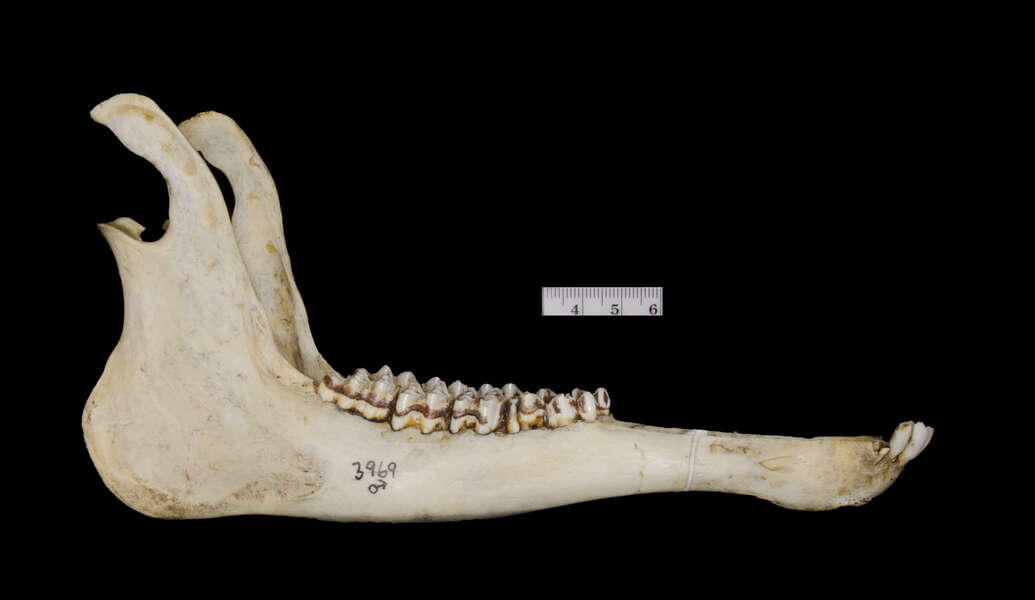
The bovid subfamily Reduncinae or tribe Reduncini is composed of nine species of antelope, all of which dwell in marshes, floodplains, or other well-watered areas, including the waterbucks and reedbucks. These antelopes first appear in the fossil record 7.4 million years ago in Eurasia and 6.6 Mya in Africa.

Vulpini
Vulpini is a tribe which represents the fox-like taxon of the subfamily Caninae (the canines), and is sister to the dog-like tribe Canini. It comprises the 15 extant and 21 extinct species found on all continents.

Canini
tribe of dogs
Cercopithecini
Cercopithecini is a tribe of Old World monkey that includes several monkey species, including the vervet monkeys, talapoins, Allen's swamp monkeys and the guenons, all in Africa.
%20male.jpg)
Boselaphini
Boselaphini is a tribe of bovines. It contains only two extant genera, each with a single extant species.
Papionini
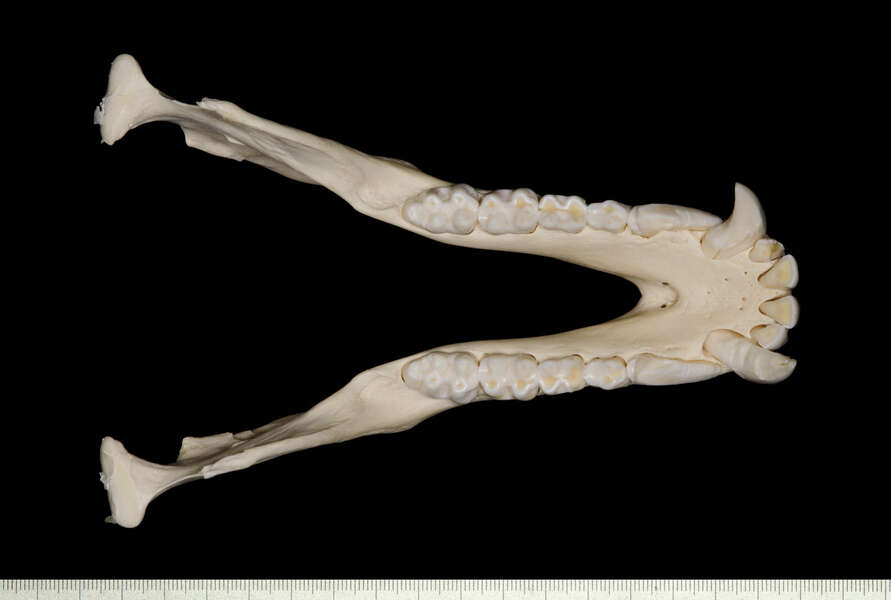
Papionini is a tribe of Old World monkeys that includes several large monkey species, which include the macaques of North Africa and Asia, as well as the baboons, geladas, mangabeys, kipunji, drills, and mandrills, which are essentially from sub-Saharan Africa (although some baboons also occur in southern Arabia). It is typically divided into two subtribes: Macacina for the genus Macaca and its extinct relatives and the Papionina for all other genera.

Lamini
Lamini (members are called lamines) is a tribe of the subfamily Camelinae. It contains one extant genus with four species, all exclusively from South America: llamas, alpacas, vicuñas, and guanacos. The former two are domesticated species, while the latter two are only found in the wild. The four species can interbreed and produce fertile offspring. Additionally, there are several extinct genera.
Sciurini
Sciurini () is a tribe that includes about forty species of squirrels, mostly from the Americas. It includes five living genera—the American dwarf squirrels, Microsciurus; the Bornean Rheithrosciurus; the widespread American and Eurasian tree squirrels of the genus Sciurus, which includes some of the best known squirrel species; the Central American Syntheosciurus; and the American pine squirrels, Tamiasciurus. Like other arboreal squirrels, they are sometimes referred to as tree squirrels.
Xerini
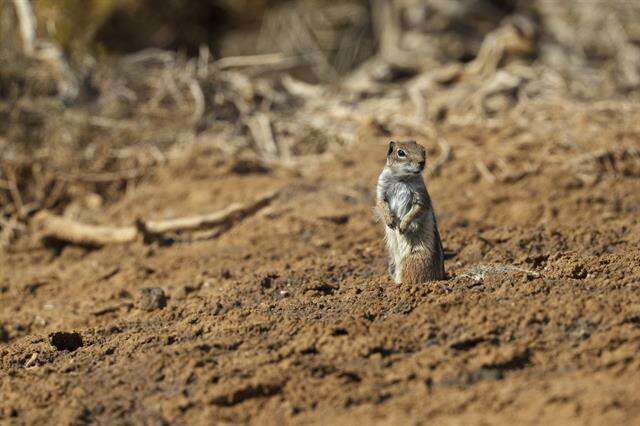
Xerini is a tribe of ground squirrels occurring in Africa and Asia. With the tribes Marmotini (Holarctic ground squirrels) and Protoxerini (African tree squirrels), they form the subfamily Xerinae. There are five living genera—Xerus, the unstriped ground squirrel; Euxerus, the striped ground squirrel; Geosciurus, the Cape and mountain ground squirrels; Atlantoxerus, containing the living Barbary ground squirrel of North Africa and some extinct species; and Spermophilopsis, containing the long-clawed ground squirrel of Central Asia.
Neotragini
The tribe Neotragini comprises the dwarf antelopes of Africa:
Antilopini
Antilopini is a tribe of bovids often referred as true antelopes like gazelles. They live in and around the Sahara, Horn of Africa, throughout eastern and southern Africa, and Eurasia, with the type species being the blackbuck of south Asia. Depending on species, the females have either very short or thin horns compared with the males, or no horns at all. They have smooth and glossy tan and white coats. Most species in the group have black stripes and facial markings. They have a territorial male as a leader in herds and sometimes group with other species, such as Grant's gazelle joining with
Dryopithecini
Dryopithecini is an extinct tribe of Eurasian and African great apes that are believed to be close to the ancestry of gorillas, chimpanzees and humans. Members of this tribe are known as dryopithecines.
Gorillini
Gorillini is a taxonomic tribe containing three genera: Gorilla and the extinct Chororapithecus and (possibly) Nakalipithecus.

Smilodontini
Smilodontini is an extinct tribe within the Machairodontinae or "saber-toothed cat" subfamily of the Felidae. The tribe is also known as the "dirk-toothed cats". They were found in South America, North America, Europe, Asia, and Africa during the Middle Miocene to early Holocene, from 15 mya—8,200 years ago.
Oryzomyini
Oryzomyini is a tribe of rodents in the subfamily Sigmodontinae of the family Cricetidae. It includes about 120 species in about thirty genera, distributed from the eastern United States to the southernmost parts of South America, including many offshore islands. It is part of the clade Oryzomyalia, which includes most of the South American Sigmodontinae.
Camelini
Camelini is a tribe of camelids including all camelids more closely related to modern camels (Camelus) than to Lamini (which contains llamas, alpacas, vicuñas, and guanacos), from which camelines split approximately 17 million years ago. The tribe originated in North America, with the genus Paracamelus migrating over the Bering Land Bridge into Eurasia during the Late Miocene, around 6 million years ago, becoming ancestral to Camelus. The last member of Camelini in North America was Camelops, which became extinct as part of the Quaternary extinction event at the end of the Late Pleistocene, ar
_Asenovgrad2.jpg)
Metailurini
Metailurini is an extinct taxonomic tribe of large saber-toothed cats that lived in Africa, Asia, Europe, and North America from the Miocene to the Pleistocene.
Colobini
Colobini is a tribe of Old World monkeys that includes all of the black-and-white colobus, red colobus, and olive colobus monkeys.
Dasyurini
The tribe Dasyurini includes several genera of small carnivorous marsupials native to Australia: quolls, kowari, mulgara, kaluta, dibblers, neophascogales, pseudantechinuses, and the Tasmanian devil.
Presbytini
Presbytini is a tribe of Old World monkeys that includes all of the Asian colobine monkeys.
Talpini
Talpini is a tribe of mammals known as Old World moles. It is a division of the subfamily Talpinae.
Akodontini
Akodontini is the second most speciose rodent tribe of the subfamily Sigmodontinae. It includes at least 106 living species in 19 genera and is distributed mainly in the southern half of South America, with only two genera extending into Guyana (Podoxymys) and Venezuela (Necromys). It also includes genera previously placed in tribe Scapteromyini. The following genera are now generally recognized:
Protoxerini
The Protoxerini comprise a tribe of squirrels found in Africa. The 30 species in six genera are:
Hydromyini
Hydromyini is a very large, diverse tribe of muroid rodents in the subfamily Murinae. They are the dominant native rodents in Australasia and one of only two native rodent groups there, the other being the R. fuscipes group of the genus Rattus in the tribe Rattini. They are also found in parts of Southeast Asia.
Arvicolini
Arvicolini is a tribe of voles in the subfamily Arvicolinae.
Phascogalini
The Phascogalini are a tribe in the family Dasyuridae, comprising seven genera of small marsupials native to Australia and New Guinea.
Nectogalini
Nectogalini is a tribe of Old World shrews within the family Soricidae. As of late 2007, it consisted of six extant genera and 25 species, with some of the latter being further divided into subspecies. Some, but not all members of the tribe are semiaquatic.
Ursavini
Ursavini is an extinct tribe of mammals of the family Ursidae (bears) endemic to North America, Europe, Africa, and Asia during the Miocene through the Pliocene, living from about 23—2.5 Mya, existing for roughly 20.5 million years.
Ichthyomyini
Ichthyomyini is a tribe of New World rats and mice in the subfamily Sigmodontinae. The species within this tribe share the characteristics of all being carnivorous semiaquatic rodents.
Homotherini
Homotherini (Machairodontini) is a tribe (or subtribe) of saber-toothed cats of the family Felidae (true cats). The tribe is commonly known as scimitar-toothed cats. These saber-toothed cats were endemic to North America, Europe, Asia, Africa, and South America from the Miocene to Pleistocene living from c. 12.5 Ma until c. 12,000 years ago. The evolutionary relationship between the tribes Homotherini and Machairodontini cause paleontologists to classify Homotherini either as a subtribe of Machairodontini, or the same tribe often using either name interchangeably.
Lobodontini
The true seal tribe Lobodontini, collectively known as the Antarctic seals or lobodontin seals, consist of four species of seals in four genera: the crabeater seal (Lobodon carcinophaga), the leopard seal (Hydrurga leptonyx), the Weddell seal (Leptonychotes weddelli), and the Ross seal (Ommatophoca rossii). All lobodontine seals have circumpolar distributions surrounding Antarctica. They include both the world's most abundant seal (the crabeater seal) and the only predominantly mammal-eating seal (the leopard seal). While the Weddell seal prefers the shore-fast ice, the other species live prim
Lagurini
Lagurini is a tribe of lemmings in the subfamily Arvicolinae. It contains three species in two genera. Species in this tribe are known as steppe lemmings.
Antilles monkey
Xenotrichini (the Antilles monkeys) is a tribe of extinct primates, which lived on the Greater Antilles as recently as the last few thousand years.
Callosciurini
Callosciurini is a tribe of tree squirrels mainly found in southern Asia.
Abrotrichini
Abrotrichini, also known as the Andean clade or southern Andean clade, is a tribe of rodents in the subfamily Sigmodontinae. It includes about fifteen species in four genera, distributed in South America from southern Peru to southernmost South America, including the Patagonian steppes. The earliest known fossils are from the Pliocene of Argentina.
Nyctomyini
Nyctomyini is a tribe of New World rats and mice in the subfamily Tylomyinae which includes two genera, Nyctomys and Otonyctomys, each with a single species. Both are medium-sized rats with tawny to brownish fur and a hairy tail.
Rattini
Rattini is a very large, diverse tribe of muroid rodents in the subfamily Murinae. They are found throughout Asia and Australasia, with a few species ranging into Europe and northern Africa. The most well-known members of this group are the true rats (genus Rattus), several species of which have been introduced worldwide.
Scalopini
The Scalopini are a tribe of moles belonging to the family Talpidae. They include all the New World moles apart from the strikingly distinctive star-nosed mole. As the similarity of the names implies, they are the standard form of the Scalopinae, the North American or New World moles, and can be found virtually anywhere north of Northern Mexico and south of Northern Canada where environmental factors (chiefly the presence of soil) permit.
Hipparionini
Hipparionini is an extinct tribe of three-toed equids in the subfamily Equinae. They had body forms similar to modern equines, with high-crowned teeth. They first appeared in North America during the Early Miocene around 17 million years ago, before migrating into the Old World around 11.4-11.0 million years ago. The youngest species date to the end of the early Early Pleistocene, becoming extinct following the arrival of modern equines of the genus Equus to the Old World.
Saigini
Saigini is a tribe of artiodactyl mammals of the Bovidae family, subfamily Antilopinae, comprising two species of medium-sized antelopes that inhabit the Eurasian steppes.
Apodemini
Apodemini is a tribe of muroid rodents in the subfamily Murinae. It contains two extant genera, one found throughout Eurasia and the other endemic to the Ryukyu Islands. Several fossil genera are also known from throughout Eurasia, including one large species (Rhagamys) that persisted on Sardinia and Corsica up until at least the first millennium BC, when it was likely wiped out by human activity.
Tragelaphini
The tribe Tragelaphini (referred to by some authors as "Strepsicerotini"), or the spiral-horned antelopes, are bovines that are endemic to sub-Saharan Africa. These include the bushbucks, kudus, and the elands. The scientific name is in reference to the mythical creature the tragelaph, a Chimera with the body of a stag and the head of a goat. They are medium-to-large, tall, long-legged antelopes characterized by their twisted horns and striking pelage coloration patterns (most common is the distinctive white, vertical barring).
Baiomyini
Baiomyini is a tribe of rodents in the subfamily Neotominae occurring from the southern United States to Panama. It includes the genera Baiomys and Scotinomys, with a total of five living species.
Plecotini
Plecotini is a tribe of bats in the family Vespertilionidae. It contains several genera found throughout the Northern Hemisphere, in Eurasia, North Africa, and North America. Several genera in this tribe are known as big-eared bats or long-eared bats. It also contains the spotted bat and barbastelles.
Odocoileini
Odocoileini is a tribe of deer, containing seven extant genera and several extinct ones.
Vespertilionini
Vespertilionini is a tribe of bats in the family Vespertilionidae. The largest of the tribes in Vespertilioninae, it contains many genera found throughout the Old World and Australasia.
Capreolini
Capreolini is a tribe of deer, containing two extant genera and one extinct genus. There are currently three extant species: the water deer, which is the only member of the genus Hydropotes, and European and Siberian roe deer, who comprise the genus Capreolus.
Phlaocyonini
Phlaocyonini is an extinct clade or tribe of hypocarnivorous borophagines (bone-crushing dogs). They were endemic to North America and from the Oligocene epoch (Whitneyan stage) to the Miocene (Early Barstovian) living ~33.3–5.3 Ma, existing for approximately .
Pongini
Pongini is a tribe containing the orangutan and the fossil genus Khoratpithecus.
Potamochoerini
Potamochoerini is a tribe of even-toed ungulates which encompasses the giant forest hogs and the river pigs.
Eptesicini
Eptescini is a tribe of bats in the family Vespertilionidae. This tribe has a cosmopolitan distribution.
Millardini
Millardini is a tribe of muroid rodents in the subfamily Murinae. Species in this tribe are found in South and Southeast Asia.
Pipistrellini
Pipistrellini is a tribe of bats in the family Vespertilionidae. It contains several genera found throughout the Old World and Australasia, including the pipistrelles, noctules and related species.
Tylomyini
Tylomyini is a tribe of New World rats and mice in the subfamily Tylomyinae. The rats share the characteristics of all being climbing rats.
Praomyini
Praomyini is a tribe of muroid rodents in the subfamily Murinae. Species in this tribe are found mostly throughout Sub-Saharan Africa, but one species (Mastomys erythroleucus) is found in North Africa, and another (Ochromyscus yemeni) is found in the Arabian Peninsula.
Arvicanthini
Arvicanthini is a tribe of muroid rodents in the subfamily Murinae. Almost all recent species in this tribe are or were found in Africa aside from one species, the Indian bush rat (Golunda ellioti), which is found in South Asia and Iran. However, some fossil Golunda species from India and the genus Parapelomys (known to have inhabited Arabia and Pakistan) are thought to have also occurred outside Africa, and one species in the fossil genus Saidomys may have also occurred in Afghanistan.