Category
page 1Mania
mania
Mania ( ; also known as manic syndrome) is a psychiatric behavioral syndrome defined as a state of abnormally elevated arousal, affect, and energy level. During a manic episode, an individual will experience rapidly changing emotions and moods, highly influenced by surrounding stimuli. Although mania is often conceived of as a "mirror image" to depression, the heightened mood can be dysphoric as well as euphoric. As the mania intensifies, irritability can be more pronounced and result in anxiety or anger.

pyromania
Pyromania is an impulse-control disorder in which individuals repeatedly fail to resist impulses to deliberately start fires. An individual with pyromania deliberately sets fires on more than one occasion, and before the act of lighting the fire, the person usually experiences tension and an emotional buildup.
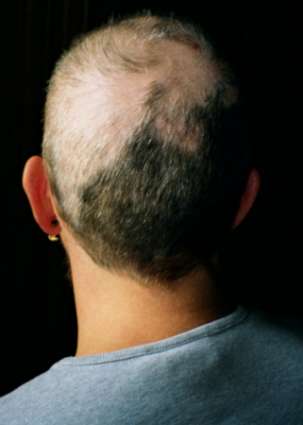
trichotillomania

hypomania
thumb|400px|Simplified graphical comparison of bipolar I, bipolar II and cyclothymia
Hypomania (literally "under mania" or "less than mania") is a psychiatric behavioral syndrome characterized essentially by an apparently non-contextual elevation of mood (i.e., euphoria) that contributes to persistently disinhibited behavior.
non-controlled substance abuse
REDIRECT Inhalant

drapetomania
thumb|upright|Samuel A. Cartwright (1793–1863)
Drapetomania was a proposed mental illness that, in 1851, American physician Samuel A. Cartwright hypothesized as the cause of enslaved Americans fleeing captivity. This hypothesis was based on the belief that slavery was such an improvement upon the lives of slaves that only those suffering from some form of mental illness would wish to escape.
excoriation disorder
mental disorder involving compulsive skin-picking

bibliomania
thumb|Engraving titled The Bibliomaniac from Navis Stultifera (The Ship of Fools) by Sebastian Brandt, 1497.
Bibliomania is the excessive collecting or even hoarding of books to the point where social relations or health are damaged, particularly as a symptom of obsessive–compulsive disorder.
dancing mania
medieval social phenomena
nymphomania
REDIRECT Hypersexuality
graphomania
Graphomania (from , , ; and , , ), also known as scribomania, is an obsessive impulse to write. When used in a specific psychiatric context, it labels a morbid mental condition which results in writing rambling and confused statements, often degenerating into a meaningless succession of words or even nonsense then called graphorrhea (see hypergraphia). The term "graphomania" was used in the early 19th century by Esquirol and later by Eugen Bleuler, becoming more or less common. Graphomania is related to typomania, which is obsessiveness with seeing one's name in publication or with writing for
monomania
In 19th-century psychiatry, monomania (from Greek , "one", and , meaning "madness" or "frenzy") was a form of partial insanity conceived as single psychological obsession in an otherwise sound mind.
dipsomania
Dipsomania is a historical term describing a medical condition involving an uncontrollable craving for alcohol or other drugs. In the 19th century, the term dipsomania was used to refer to a variety of alcohol-related problems, most of which are known today as alcohol use disorder. Dipsomania is occasionally still used to describe a particular condition of periodic, compulsive bouts of alcohol intake. The idea of dipsomania is important for its historical role in promoting a disease theory of chronic drunkenness. The word comes from Greek dipso- (from 'thirst') and mania ( 'madness, frenzy, co
arithmomania
Arithmomania (from Greek , "number", and , "compulsion") is a mental disorder that may be seen as an expression of obsessive–compulsive disorder (OCD). Individuals experiencing this disorder have a strong need to count their actions or objects in their surroundings.
Railway Mania
speculative frenzy in the UK in the 1840s about railways
dromomania
Dromomania was a historical psychiatric diagnosis whose primary symptom was uncontrollable urge to walk or wander. Dromomania has also been referred to as traveling fugue.
Non-clinically, the term has come to be used to describe a desire for frequent traveling or wanderlust.
canal Mania
period in the United Kingdom
Pteridomania
thumb|"Gathering Ferns" (Helen Allingham) from [[The Illustrated London News, July 1871]]
gigantomania
Gigantomania (from Ancient Greek γίγας gigas, "giant" and μανία mania, "madness") is the production of unusually and superfluously large works.
mixed affective state
state with features unique to both depression and mania
onychotillomania
Onychotillomania is a compulsive behavior in which a person picks constantly at the nails or tries to tear them off. It is not the same as onychophagia, where the nails are bitten or chewed, or dermatillomania, where skin is bitten or scratched. Onychotillomania can be categorized as a body-focused repetitive behavior in the DSM-5 and is a form of skin picking, also known as excoriation disorder.
egomania
Egomania is a psychiatric term used to describe excessive preoccupation with one's ego, identity or self and applies the same preoccupation to anyone who follows one's own ungoverned impulses, is possessed by delusions of personal greatness & grandeur and feels a lack of appreciation. Someone suffering from this extreme egocentric focus is an egomaniac. Egomania as a condition, while not a classified personality disorder, is considered psychologically abnormal.
aboulomania
Aboulomania () is a mental disorder in which the patient displays pathological indecisiveness. The term was created in 1883 by the neurologist William Alexander Hammond, who defined it as: ‘a form of insanity characterised by an inertness, torpor, or paralysis of the will’. It is typically associated with anxiety, stress, depression, and mental anguish, severely affecting one's ability to function socially. In extreme cases, difficulties arising from the disorder can lead to suicide. Although many people are indecisive at times, it is rarely to the extent of obsession.