Category
page 1Manueline architecture
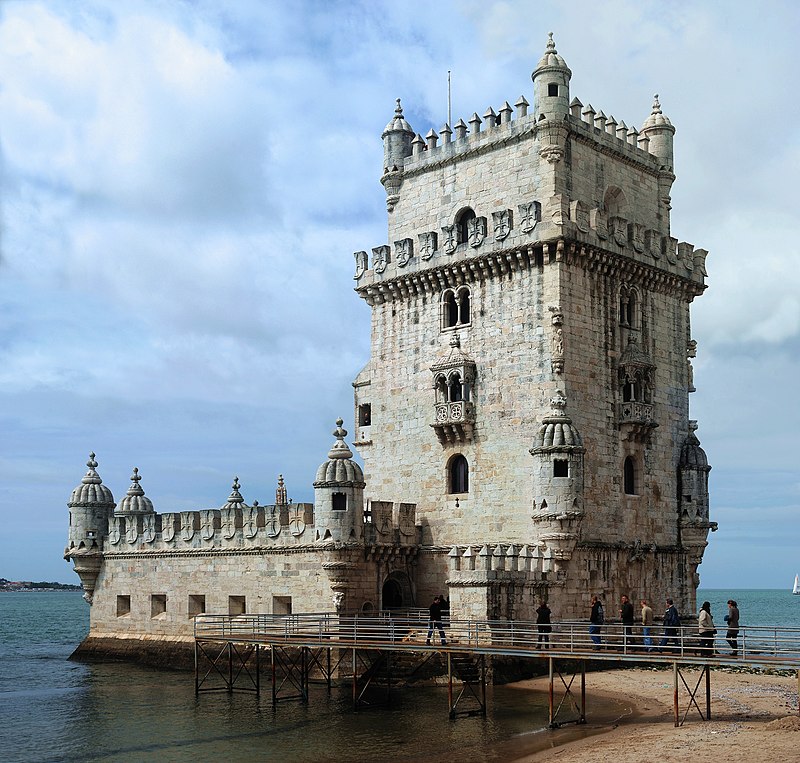
Belém Tower
fortified tower located in the civil parish of Santa Maria de Belém in the municipality of Lisbon, Portugal
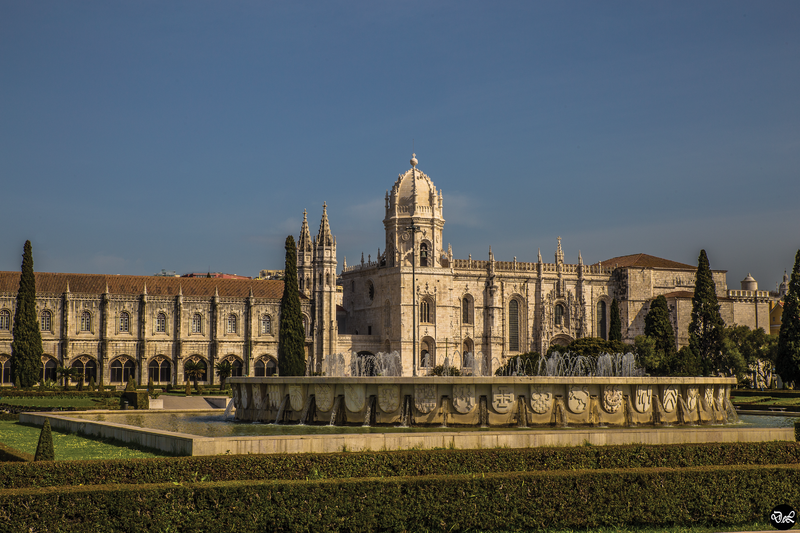
Jerónimos Monastery
building in Santa Maria de Belém, Lisbon District, Portugal

Batalha Monastery
building in Batalha, Leiria District, Portugal

Convent of Christ
cultural heritage monument in Tomar, Portugal

Manueline
The Manueline (, ), occasionally known as Portuguese late Gothic, is the sumptuous, composite Portuguese architectural style originating in the 16th century, during the Portuguese Renaissance and Age of Discoveries. Manueline architecture incorporates maritime elements and representations of the discoveries brought from the voyages of Vasco da Gama and Pedro Álvares Cabral. This innovative style synthesizes aspects of Late Gothic Flamboyant architecture with original motifs and influences of the Plateresque, Mudéjar, Italian, and Flemish architecture. It marks the transition from Late Gothic t
Sintra National Palace
building in Sintra, Lisbon District, Portugal
Monastery of Santa Cruz
building or structure in Coimbra, Portugal
Viseu Cathedral
cathedral
Church of the Monastery of Jesus of Setúbal
church building and national monument in Setúbal, Portugal
Monastery of São Dinis de Odivelas
building in Odivelas, Lisbon District, Portugal
Casa dos Bicos
building in Lisbon
Church of Nossa Senhora da Conceição Velha
church in Lisbon, Portugal
Hospital Real de Todos os Santos
building in Lisbon, Lisbon District, Portugal
Neo-Manueline
Neo-Manueline is a revival style of architecture which drew from the 16th century Manueline Late Gothic architecture of Portugal. Neo-Manueline constructions have been built across Portugal, Brazil, and the Lusophone world (the former Portuguese Empire).
Castle of Evoramonte
building in Estremoz, Évora District, Portugal