Category
page 1Marine microorganisms
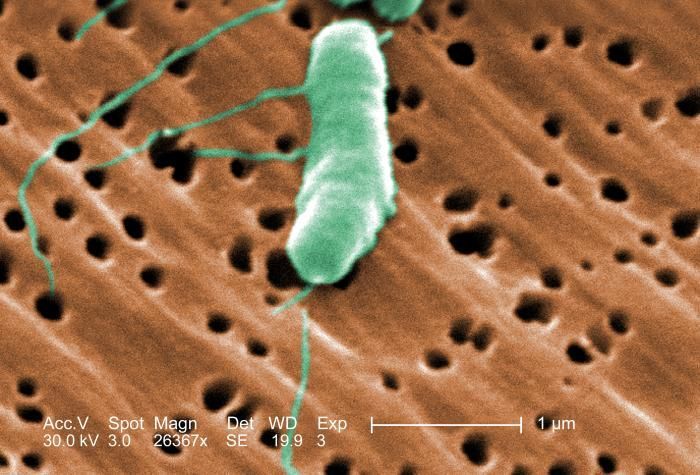
Vibrio vulnificus
species of bacterium
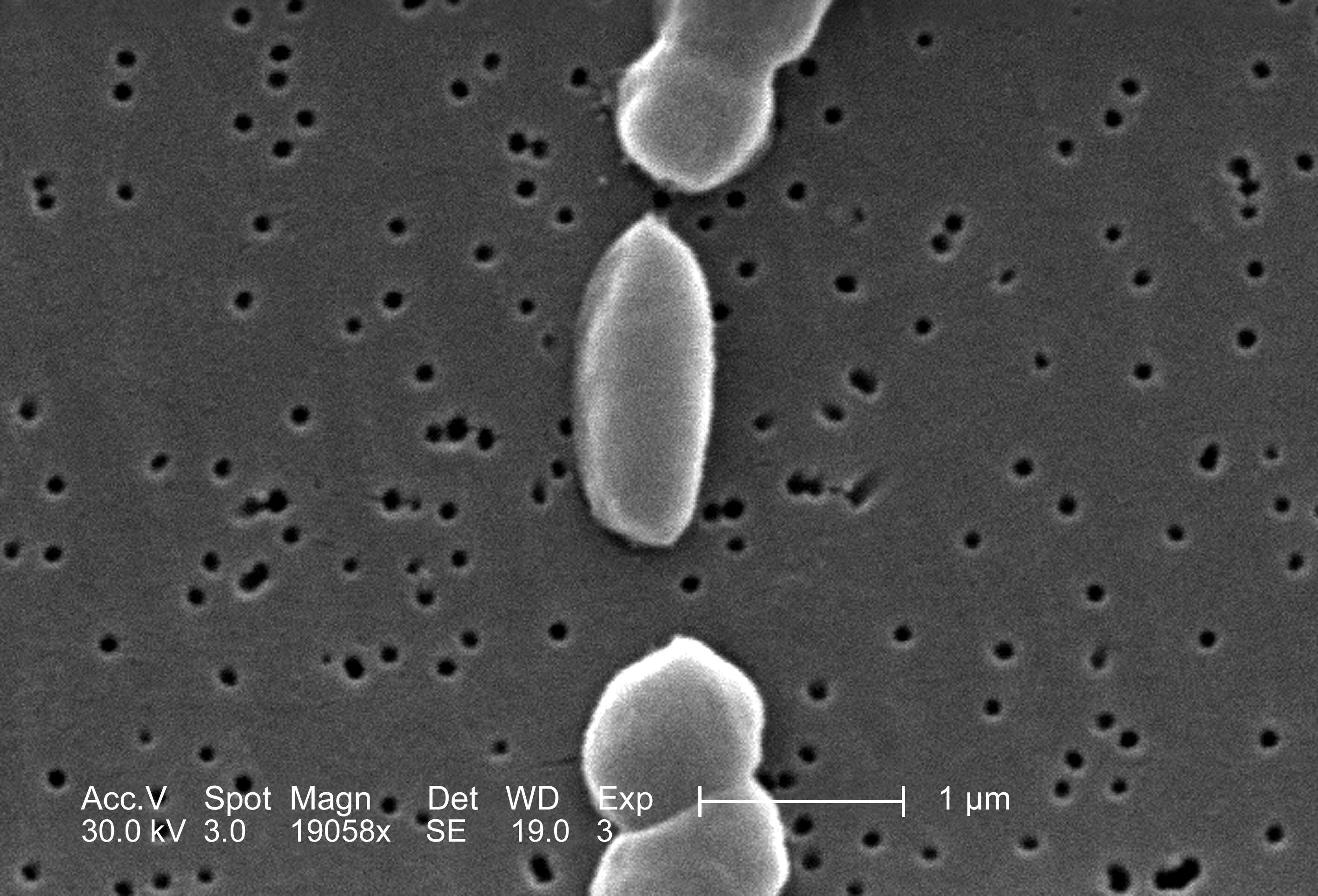
Vibrio parahaemolyticus
species of bacterium

Aliivibrio fischeri
species of bacterium
Prochlorococcus
Prochlorococcus is a genus of very small (0.6 μm) marine cyanobacteria with an unusual pigmentation (chlorophyll a2 and b2). These bacteria belong to the photosynthetic picoplankton and are probably the most abundant photosynthetic organism on Earth. Prochlorococcus microbes are among the major primary producers in the ocean, responsible for a large percentage of the photosynthetic production of oxygen. Prochlorococcus strains, called ecotypes, have physiological differences enabling them to exploit different ecological niches. Analysis of the genome sequences of Prochlorococcus strains s
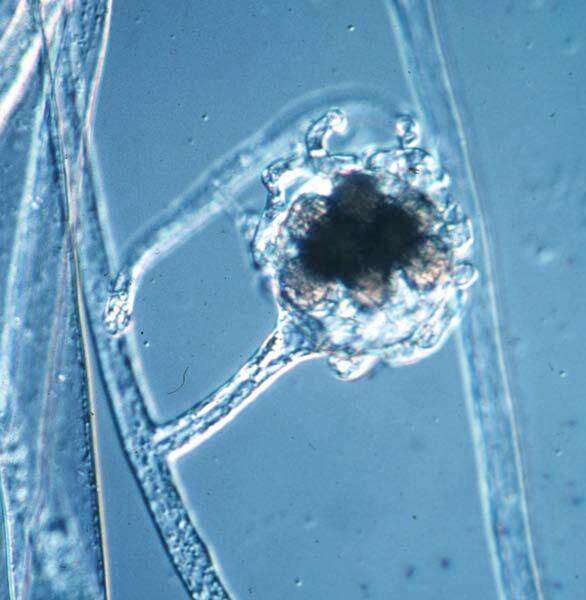
Saprolegniales
Saprolegniales is an order of water mould. Members of the order are responsible for numerous parasitic infections affecting aquatic life, such as crayfish plague and ulcerative dermal necrosis.

Synechococcus
thumb|224px| Transmission electron micrograph showing a species of the cyanobacteria Synechococcus. The carboxysomes appear as polyhedral dark structures.
Micromonas
Micromonas is a genus of green algae in the family Mamiellaceae.
Plesiomonas shigelloides
species of bacterium
Dokdonia
Dokdonia is a genus of bacteria in the family Flavobacteriaceae and phylum Bacteroidota.
Polaribacter
Polaribacter is a genus in the family Flavobacteriaceae. They are gram-negative, aerobic bacteria that can be heterotrophic, psychrophilic or mesophilic. Most species are non-motile and species range from ovoid to rod-shaped. Polaribacter forms yellow- to orange-pigmented colonies. They have been mostly adapted to cool marine ecosystems, and their optimal growth range is at a temperature between 10 and 32 °C and at a pH of 7.0 to 8.0. They are oxidase and catalase-positive and are able to grow using carbohydrates, amino acids, and organic acids.
Alteromonas macleodii
species of bacterium
Roseobacter
Roseobacter is a genus of bacteria in the family Rhodobacteraceae. The Roseobacter clade falls within the {alpha}-3 subclass of the class Alphaproteobacteria. The first strain descriptions appeared in 1991 which described members Roseobacter litoralis and Roseobacter denitrificans, both pink-pigmented bacteriochlorophyll a-producing strains isolated from marine algae. The role members of the Roseobacter lineage play in marine biogeochemical cycles and climate change cannot be overestimated. Roseobacters make up 25% of coastal marine bacteria and members of this lineage process a significant po
Nitrosopumilus
Nitrosopumilus is a genus of archaea. The type species, Nitrosopumilus maritimus, is an extremely common archaeon living in seawater. It is the first member of the Group 1a Nitrososphaerota (formerly Thaumarchaeota) to be isolated in pure culture. Gene sequences suggest that the Group 1a Nitrososphaerota are ubiquitous with the oligotrophic surface ocean and can be found in most non-coastal marine waters around the planet. It is one of the smallest living organisms at 0.2 micrometers in diameter. Cells in the species N. maritimus are shaped like peanuts and can be found both as individuals and
Marine microorganism
any life form too small for the naked human eye to see that lives in a marine environment