Category
page 1Marsupial genera
Didelphis
Didelphis is a genus of New World marsupials. The six species in the genus Didelphis, commonly known as Large American opossums, are members of the opossum order, Didelphimorphia.

Macropus
Macropus, from the Ancient Greek words (makrós), meaning "long", and (pous), meaning "foot", is a marsupial genus in the family Macropodidae. It has two extant species of large terrestrial kangaroos. Thirteen known extinct species are recognised. The type species is the eastern grey kangaroo.
Bilby-5.jpg)
Macrotis
Macrotis is a genus of desert-dwelling marsupial omnivores known as bilbies or rabbit-bandicoots; they are members of the order Peramelemorphia.
Thylacinus
Thylacinus is a genus of extinct carnivorous marsupials in the family Thylacinidae. The only recent member was the thylacine (Thylacinus cynocephalus), commonly also known as the Tasmanian tiger or Tasmanian wolf. The last known Tasmanian tiger was in the Beaumaris Zoo in Tasmania, eventually dying in 1936. The earliest known member of the genus, Thylacinus macknessi appeared during the Early Miocene, around 16 million years ago, and was smaller than the modern thylacine, with a body mass of about . Thylacinus represented the only extant genus of the family after the beginning of the Pliocene
Marmosa
The 29 species in the genus Marmosa are relatively small Neotropical members of the family Didelphidae. This genus is one of three that are known as mouse opossums. The others are Thylamys (the "fat-tailed mouse opossums") and Tlacuatzin, the grayish mouse opossum. Members of the genus Marmosops used to be called "slender mouse opossums", but are now just called "slender opossums". The thirteen members of the Marmosa subgenus Micoureus, known as woolly mouse opossums, were formerly considered to be a separate genus, but were moved into Marmosa in 2009. Based on a comparison of sequences of one

Lagorchestes
Lagorchestes is a genus of small, rabbit-like mammals commonly known as hare-wallabies. It includes four species native to Australia and New Guinea, two of which are extinct. Hare-wallabies belong to the macropod family (Macropodidae) which includes kangaroos, wallabies, and other marsupials.

Phalanger
Phalanger (from the Greek phalangion, meaning spider's web, from their webbed (fused) toes) is a genus of possums. Its members are found on New Guinea, the Maluku Islands, other nearby small islands, and Australia's Cape York Peninsula. They are marsupials of the family Phalangeridae, and are one of the four genera whose species are commonly referred to as cuscuses.

Phascolarctos
Phascolarctos is a genus of marsupials with one extant species, the koala Phascolarctos cinereus, an iconic animal of Australia. Several extinct species of the genus are known from fossil material; these were also large tree dwellers that browsed on Eucalyptus leaves.
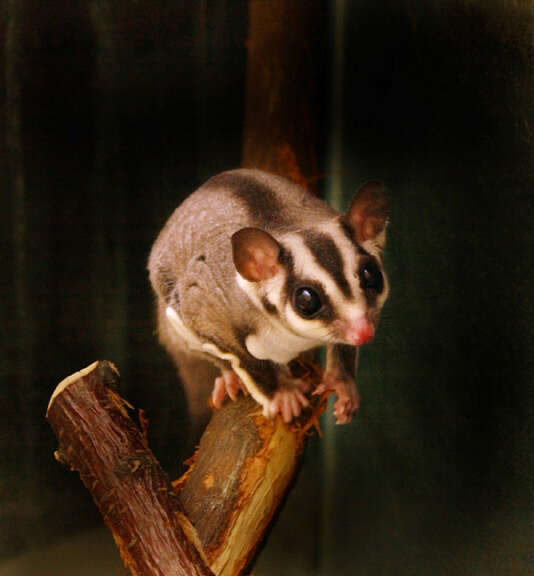
Petaurus
The genus Petaurus () contains flying phalangers or wrist-winged gliders, a group of arboreal possums native to Australia, New Guinea, and surrounding islands. There are eight species: the sugar glider, savanna glider, Krefft's glider, squirrel glider, mahogany glider, northern glider, yellow-bellied glider and Biak glider.
.jpg)
Lasiorhinus
Lasiorhinus is the genus containing the two extant hairy-nosed wombats, which are found in Australia. The southern hairy-nosed wombat is found in some of the semiarid to arid regions belt from New South Wales southwest to the South Australia-Western Australia border. The IUCN categorises it as Near Threatened. Conversely, the northern hairy-nosed wombat is categorised as Critically Endangered and only survives in a range within the Epping Forest National Park in Queensland, but formerly also existed in Victoria and New South Wales. There are about 200 or less northern hairy-nosed wombat indivi
Caenolestes
The common shrew opossums (genus Caenolestes) are members of the family Caenolestidae. They are found in Colombia, Ecuador, Peru, and Venezuela. The most recently discovered species is C. sangay.

Potorous
Potoroo is a common name for species of Potorous, a genus of smaller marsupials. They are allied to the Macropodiformes, the suborder of kangaroo, wallaby, and other rat-kangaroo genera and is the only genus in the tribe Potoroini. All three extant species are threatened by ecological changes since the colonisation of Australia, especially the long-footed potoroo Potorous longipes (endangered) and P. gilbertii (critically endangered). The broad-faced potoroo P. platyops disappeared after its first description in the 19th century. The main threats are predation by introduced species (especially

Sarcophilus
Sarcophilus, from Ancient Greek σάρξ (sárx), meaning "flesh", and φίλος (phílos), meaning "loving", is a genus of carnivorous marsupial best known for its only living member, the Tasmanian devil.
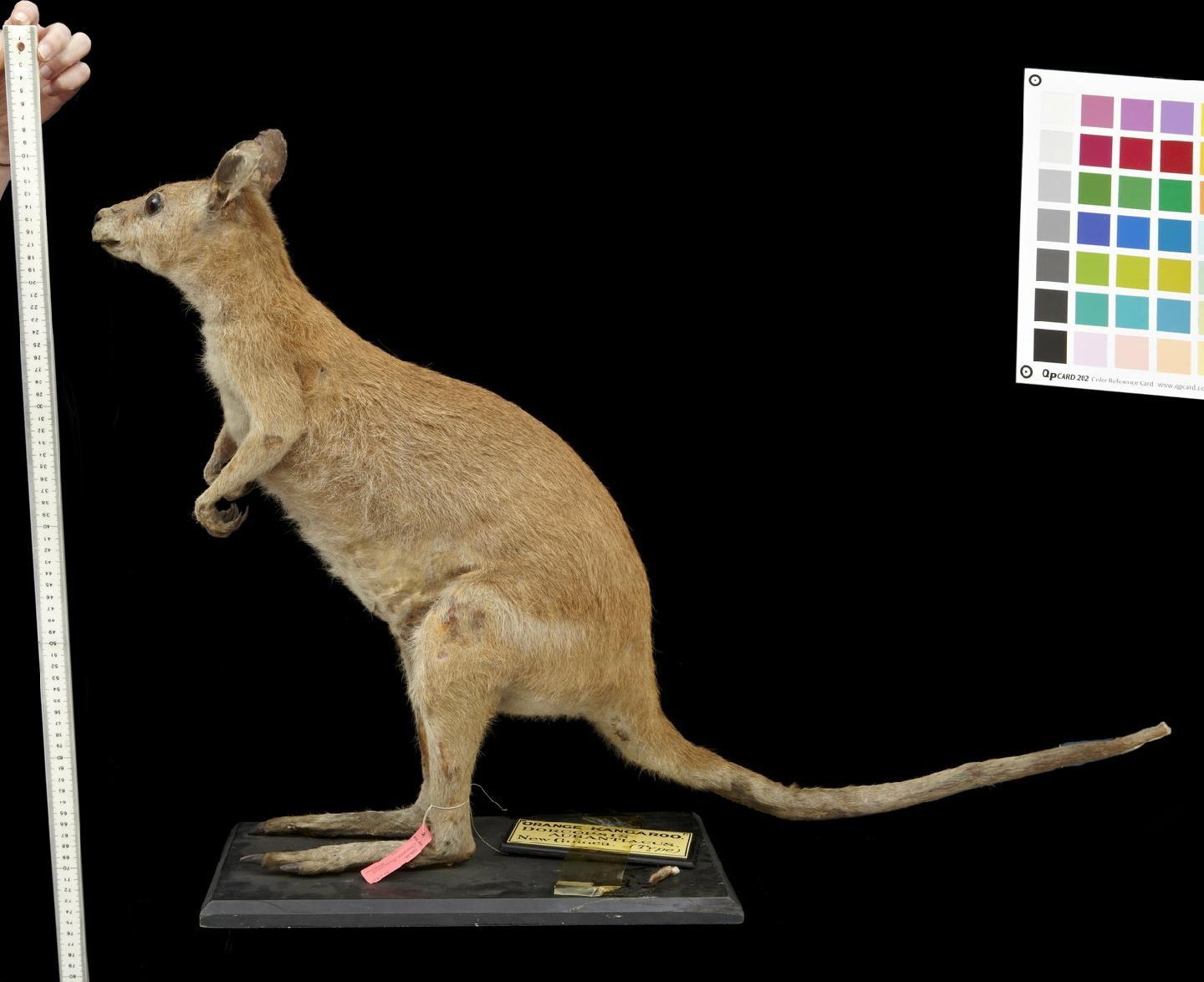
Dorcopsis
Dorcopsis is a genus of marsupial in the family Macropodidae. The members of the genus are found on the island of New Guinea.
%20(17067818099).jpg)
Antechinus
thumb|right|In central Victoria

Spilocuscus
Spilocuscus is a genus of marsupial in the family Phalangeridae. Its members are found on the Cape York Peninsula of Australia, New Guinea, and smaller nearby islands. It contains the following species:
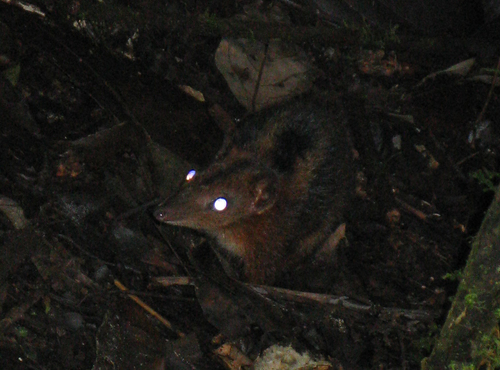
Myoictis
Myoictis or striped dasyure is a genus of marsupials in the order Dasyuromorphia. It is found in New Guinea.
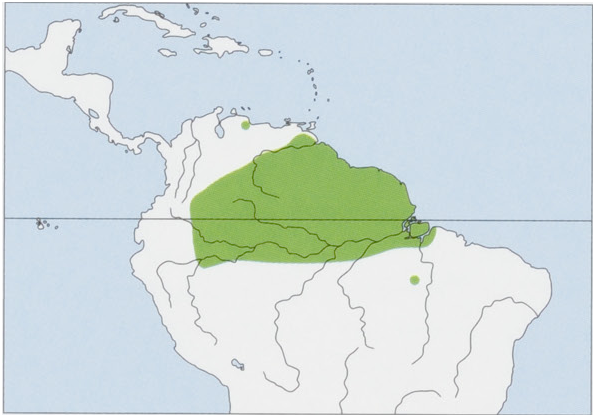
Gracilinanus
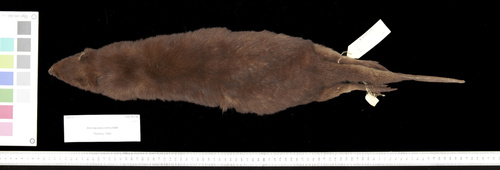
Gracilinanus is a genus of opossum in the family Didelphidae. It was separated from the genus Marmosa in 1989, and has since had the genera Cryptonanus, Chacodelphys, and Hyladelphys removed from it.
Dorcopsulus
Dorcopsulus is a genus of small marsupials in the family Macropodidae, known as forest wallabies. They are native to rainforests and montane forests of New Guinea.

Cercartetus
The genus Cercartetus is a group of very small possums known as pygmy possums. Four species comprise this genus, which together with the genus Burramys make up the marsupial family Burramyidae.

Phascogale
The phascogales (members of the eponymous genus Phascogale), also known as wambengers or mousesacks, are carnivorous Australian marsupials of the family Dasyuridae. There are three species: the brush-tailed phascogale (Phascogale tapoatafa), the red-tailed phascogale (P. calura), and the northern brush-tailed phascogale (P. pirata). As with a number of dasyurid species, the males live for only one year, dying after a period of frenzied mating. The name wambenger comes from the Nyungar language. The term Phascogale was coined in 1824 by Coenraad Jacob Temminck in reference to the brush-tailed p
Perameles
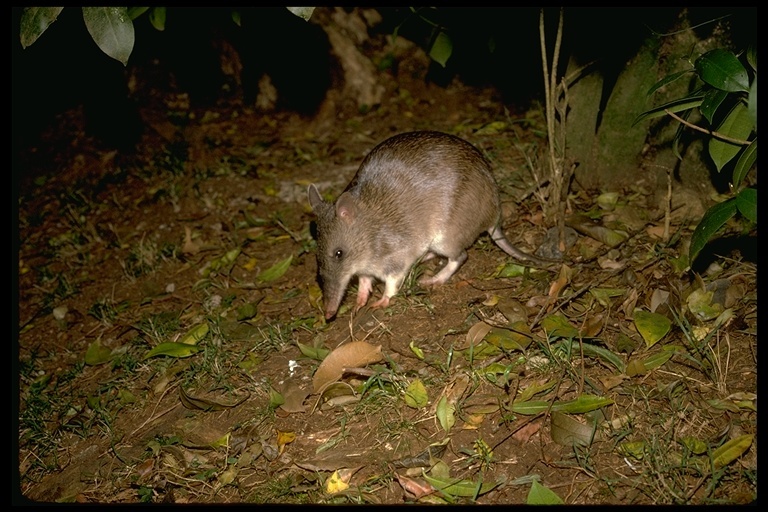
Perameles is a genus of marsupials of the order Peramelemorphia. They are referred to as long-nosed bandicoots or barred bandicoots.
Bettongia
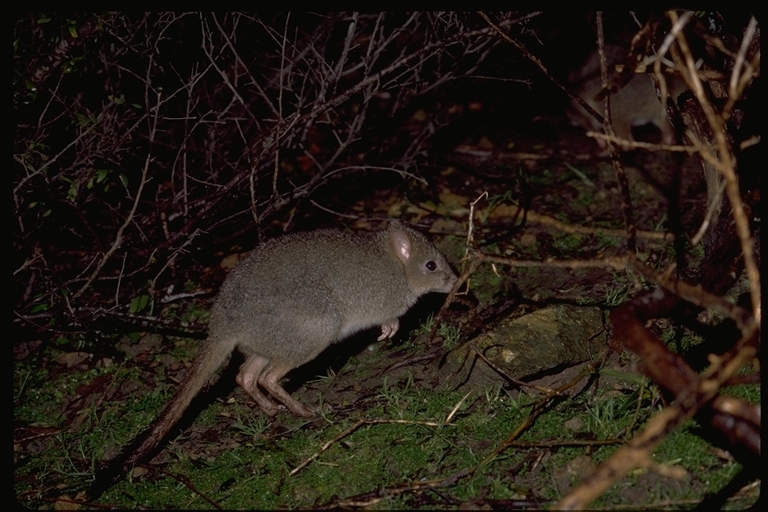
Bettongs, species of the genus Bettongia, are potoroine marsupials once common in Australia. They are important ecosystem engineers displaced during the colonisation of the continent, and are vulnerable to threatening factors such as altered fire regimes, land clearing, pastoralism and introduced predatory species such as the fox and cat.
Thylamys
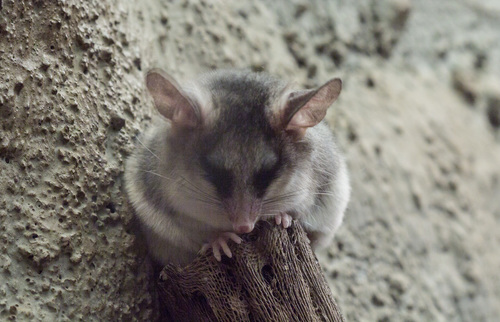
Thylamys is a genus of opossums in the family Didelphidae. The premaxillae are rounded rather than pointed. The females lack a pouch. The females' nipples are arranged in two symmetrical rows on the abdomen. All species but T. macrurus store fat in their tails, although this is not necessarily true for all species in the genus. Fossils belonging to the genus date back to the Miocene, with the oldest specimens being found in the Cerro Azul Formation of Argentina and the Honda Group of Colombia. Genetic studies indicate that the genus may have originated around 14 million years ago.
Dactylopsila
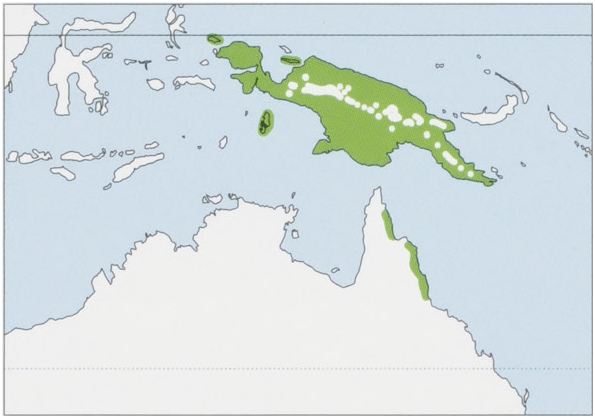
Dactylopsila is a genus of marsupials in the family Petauridae, native to New Guinea, the Cape York peninsula of Australia, and other close islands. Members of this genus are known as trioks or striped possums, though the latter name is usually used for D. trivirgata.
Marmosops
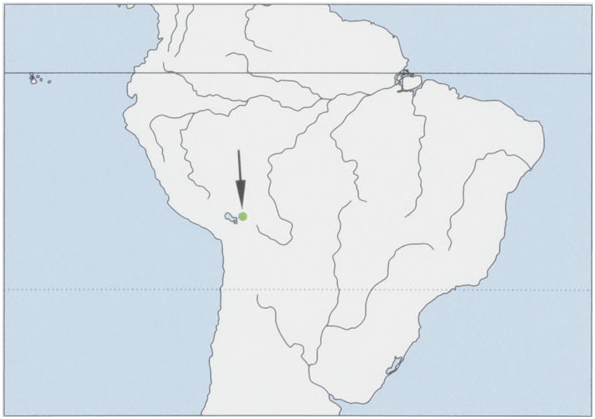
Marmosops is a genus of Neotropical opossums of the family Didelphidae. The genus was originally treated as a subgenus from the genus Marmosa rather than having their own classification. This was changed in 1989 by Gardner and Crieghton, who officially separated the group and made them their own genus. The mix-up between to genera Marmosa and Marmosops was common due to the similar appearances including size and other external features. However, the two groups differ significantly in their integument and in the arrangement of their skull and dentition. The dentition is similar in morphology be

Planigale
The genus Planigale are small carnivorous marsupials found in Australia and New Guinea. It is the only genus in the tribe Planigalini of the subfamily Sminthopsinae. The genus has long been known to contain several cryptic species. Of the five Planigale species currently recognized, two (P. ingrami and P. maculata) are known species complexes.
Strigocuscus
Dwarf cuscus (Strigocuscus) is a nocturnal, arboreal marsupial genus in the family Phalangeridae found only in Sulawesi (the largest island in Wallacea) and some of its surrounding small offshore islands. Due to the unique biogeography of Sulawesi giving sub-regions of endemism, it is likely that there are several different species or subspecies as yet to be described by science. So far, the genus contains the following species:
False antechinus
genus of mammals
Ningaui
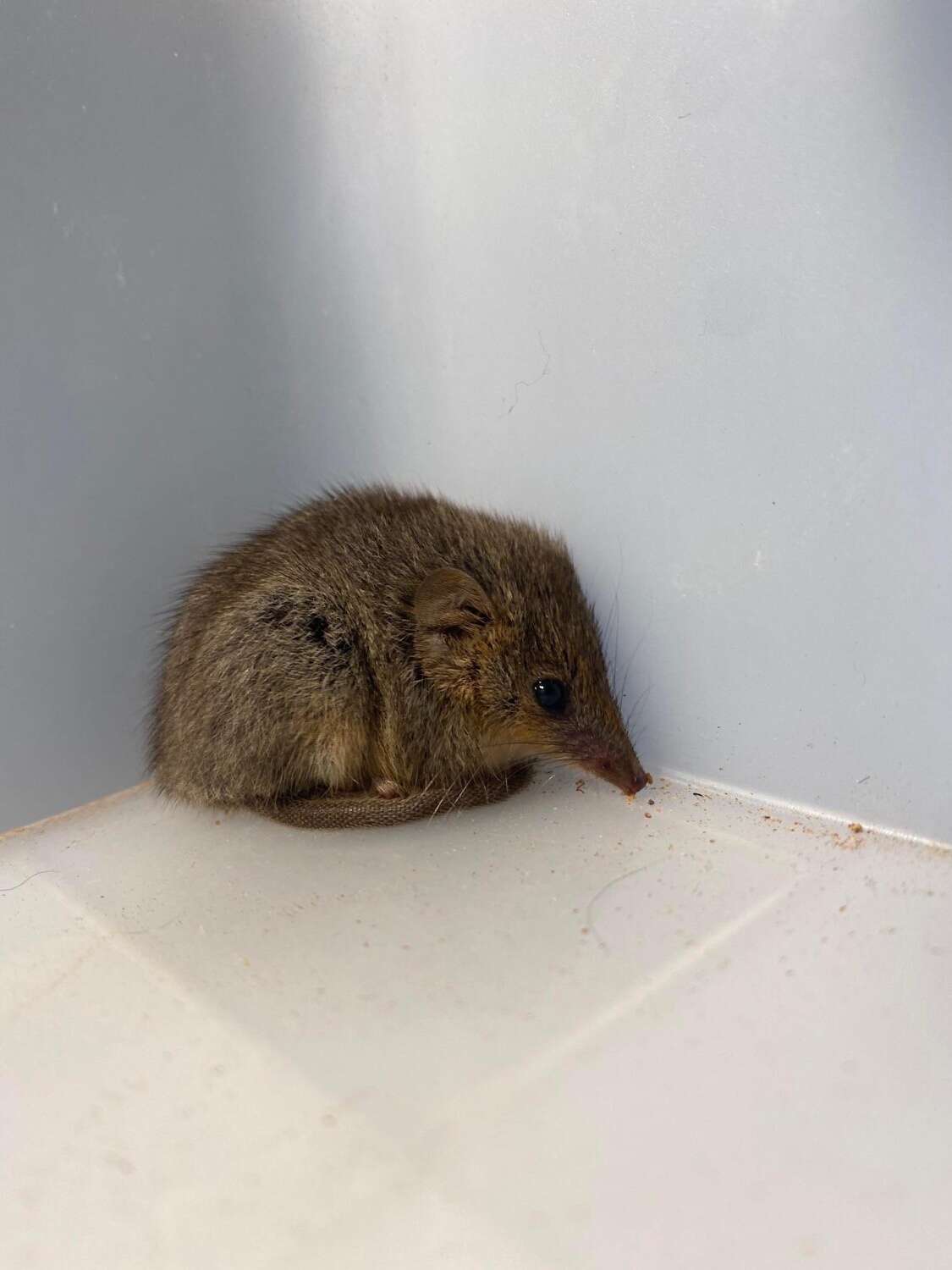
Ningaui is a genus of small species of the marsupial dasyurid family. Along with the planigales, they are among the smallest marsupials.

Pseudochirulus
thumb | right | alt=Pseudochirulus herbertensis | Pseudochirulus herbertensis
Slender ringtail possum or Small ringtail possum (Pseudochirulus), also known as the ringtail possum, is a genus of marsupial in the family Pseudocheiridae native to Indonesia, Papua New Guinea and Queensland, Australia. Pseudochirulus live on trees and their diet mainly consists of leaves. The ringtail possums are related to five other genera Hemibelideus, Petauroides, Petropseudes, Pseudocheirus and Pseudochirops.
Pseudochirops
False ringtail possums (Pseudochirops) are members of a genus of marsupial in the family Pseudocheiridae. It contains the following species:
D'Albertis's ringtail possum, Pseudochirops albertisii
Green ringtail possum, Pseudochirops archeri
Plush-coated ringtail possum, Pseudochirops corinnae
Reclusive ringtail possum, Pseudochirops coronatus
Coppery ringtail possum, Pseudochirops cupreus

Cryptonanus
Cryptonanus is a genus of opossums from South America. It includes five species found from Bolivia to Uruguay and eastern Brazil, one of which is now extinct. Although the first species were discovered in 1931, the genus was not recognized as distinct from Gracilinanus until 2005. It includes small opossums with generally grayish, sometimes reddish, fur that are mainly distinguished from other opossums by characters of the skull.
Burramys
Burramys is a genus of the family Burramyidae, and is represented by one living and 3 extinct (fossil) species. It is one of two genera of pygmy possum, the other being Cercartetus.
Lutreolina
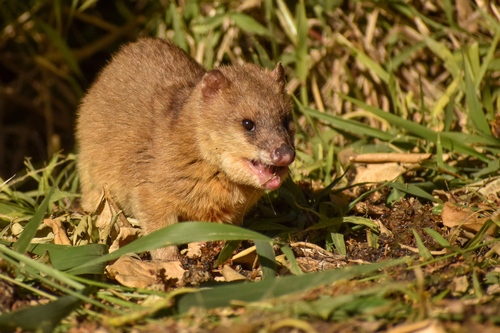
Lutreolina is a genus of opossum found in South America. Both extant species in this genus are known as lutrine opossums. They have an otter-like body plan and occasionally semiaquatic tendencies, hence the genus name Lutreolina, which is Latin for "otter-like".

Pseudocheirus
Pseudocheirus is a genus of ringtail possums (family Pseudocheiridae). It includes a single living species, the common ringtail possum (Pseudocheirus peregrinus) of Australia, as well as the fossil Pseudocheirus marshalli from the Pliocene of Victoria.
thumb
Other species have previously been included in this genus. Most other ringtails—the lemur-like ringtail (Hemibelideus lemuroides), the rock-haunting ringtail (Petropseudes dahli), and the various species of Pseudochirulus and Pseudochirops—were classified in Pseudocheirus until the 1980s or 1990s. A second ringtail from the Victorian Plioc

Notamacropus
Notamacropus is a genus of small marsupials in the family Macropodidae, commonly known as wallabies (among other species). The term is derived from the Latin nota "stripe" and macropus "kangaroo", referencing the distinct facial stripe of many extant genus members and their phylogenetic relationship to
other kangaroos.
Petauroides
genus of arboreal marsupials

Chaeropus
Chaeropus, known as the pig-footed bandicoots, is a genus of small marsupials that became extinct during the 20th century. They were the only members of the family Chaeropodidae in order Peramelemorphia (bandicoots and bilbies), with unusually thin legs, yet were able to move rapidly. Two recognised species inhabited dense vegetation on the arid and semiarid plains of Australia. The genus' distribution range was later reduced to an inland desert region, where it was last recorded in the 1950s; it is now presumed extinct.

Osphranter
Osphranter is a genus of large marsupials in the family Macropodidae, commonly known as kangaroos and wallaroos (among other species). It contains the largest extant marsupial, the red kangaroo (O. rufus).

Vombatus
Vombatus is a genus of marsupial that contains a single living species, the common wombat (Vombatus ursinus).
Antechinomys
Antechinomys is a genus of the family Dasyuridae, and is represented by two living species. It is the sister genus of Sminthopsis.
Tous
genus of mammals
Wyulda
Wyulda is a genus of phalanger. The scaly-tailed possum is the only extant species, but a single extinct species (Wyulda asherjoeli) from the Miocene is known as well.
Hypsiprymnodon
Hypsiprymnodon is a genus of macropods. The sole extant species is Hypsiprymnodon moschatus, the musky rat-kangaroo. The genus includes four known fossil species.
Dactylonax
Dactylonax is a genus of petaurid marsupials. In 2026, a species that was thought to be extinct for 6000 years was discovered in New Guinea. Research on this discovery, along with comparisons with other members of genus Dactylopsila, led to a proposal to split Dactylopsila into two genera as follows: Dactylopsila would retain D. megalura, D. tatei, and D. trivirgata. Genus Dactylonax would be resurrected with D. palpator as its type, but sensu stricto. Dactylonax ernstmayri, formerly a subspecies of D. palpator, would be elevated to species level, and the rediscovered Dactylonax kambuayai plac