Category
page 1McCarthyism
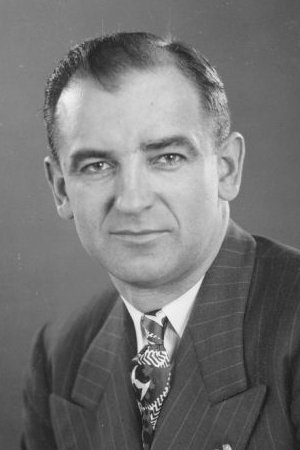
Joseph McCarthy
American politician (1908–1957)
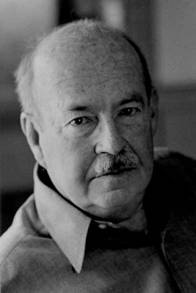
Talcott Parsons
American sociologist (1902 – 1979)

McCarthyism
McCarthyism is a political practice defined by the political repression and persecution of left-wing individuals and a campaign spreading fear of communist and Soviet influence on American institutions and of Soviet espionage in the United States during the late 1940s through the 1950s, heavily associated with the Second Red Scare, also known as the McCarthy era. After the mid-1950s, U.S. senator Joseph McCarthy, who had spearheaded the campaign, gradually lost his public popularity and credibility after several of his accusations were found to be false. The U.S. Supreme Court under Chief Just
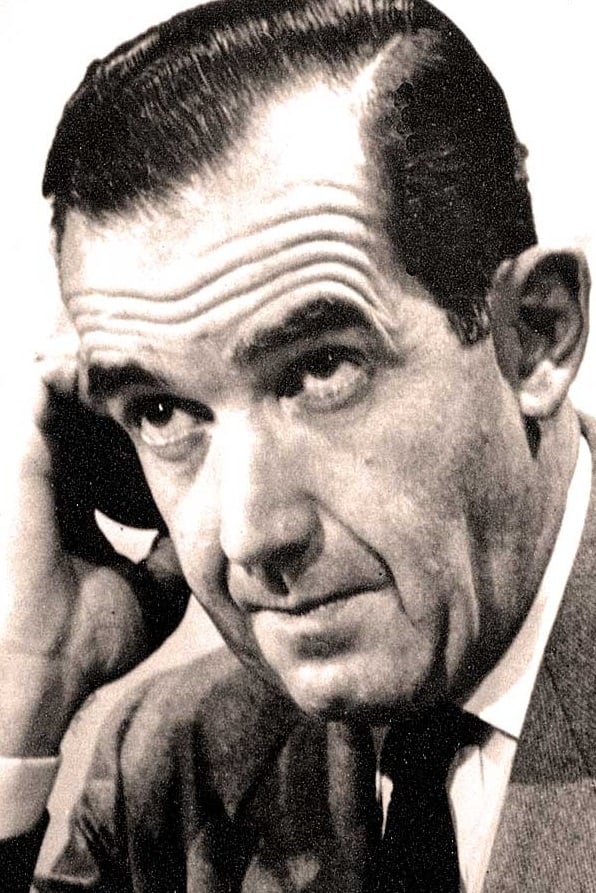
Edward R. Murrow
American broadcast journalist (1908–1965)

Robert Conquest
British historian and poet
Julius and Ethel Rosenberg
American couple executed for spying for the Soviet Union
House Un-American Activities Committee
committee of the US House of Representatives best known for investigating those accused of adhering to communism during the Red Scare
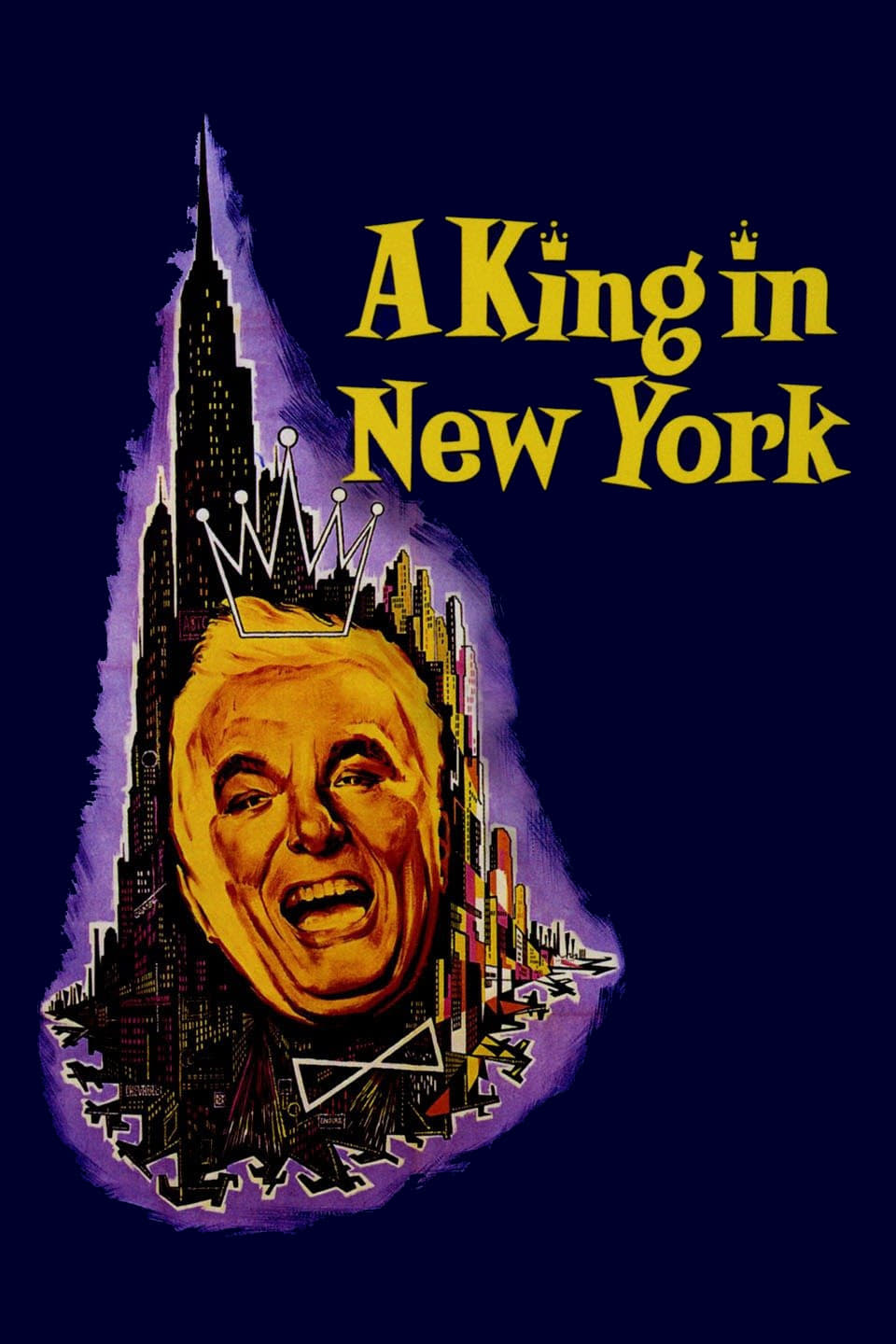
A King in New York
1957 film by Charlie Chaplin
Hollywood blacklist
mid-20th century banning of people from American entertainment for suspected Communism
Whittaker Chambers
Defected Communist spy, writer, editor (1901–1961)
Harry Dexter White
American economist and Soviet spy (1892–1948)
Jack Parsons
American rocket engineer (1914–1952)
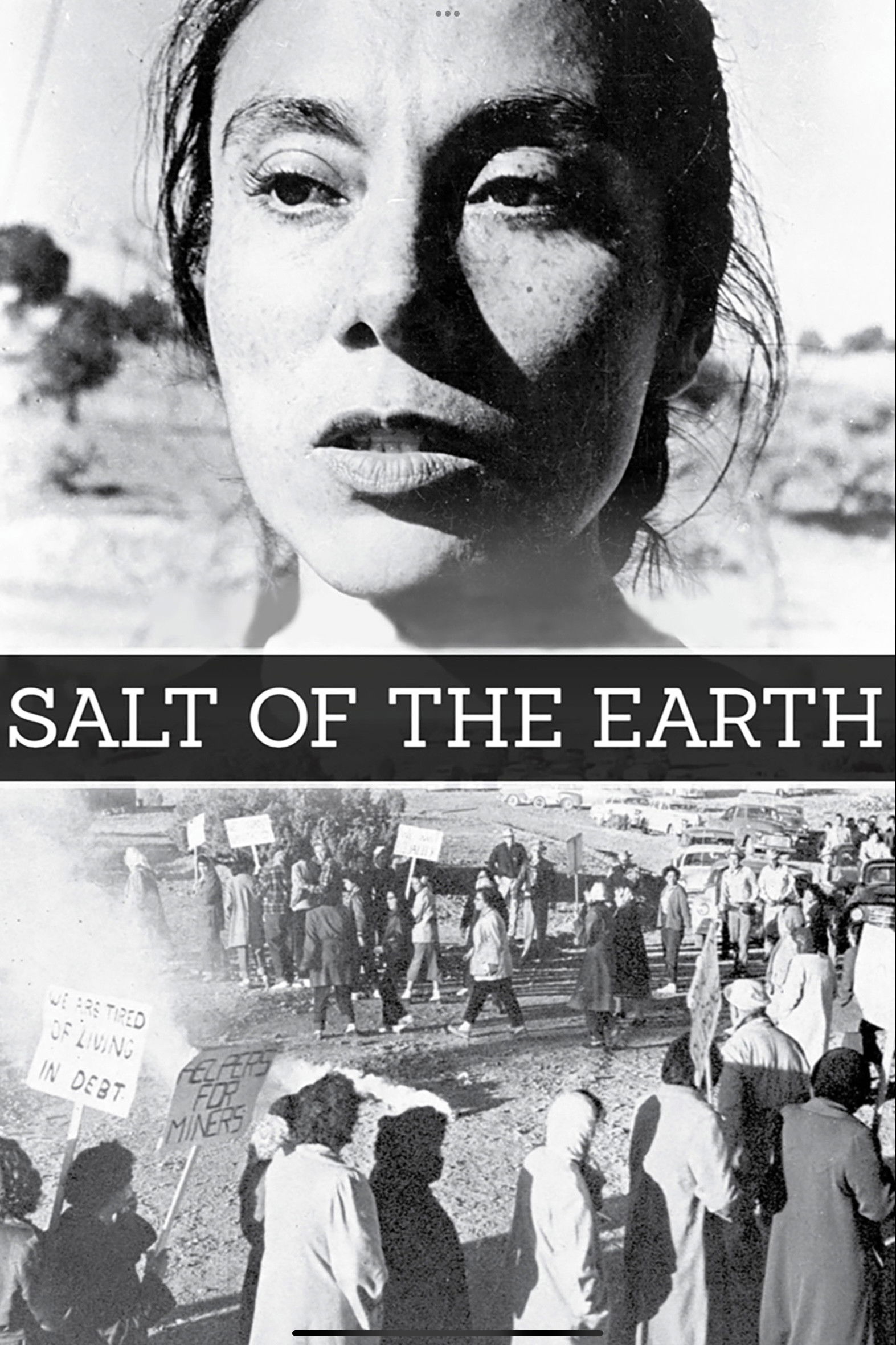
Salt of the Earth
1954 film by Herbert Biberman
fellow traveler
person who sympathizes and co-operates with a political organization without being a formal member
lavender scare
witchhunt and mass firings of homosexuals in the 1950s by the US government

William Benton
American politician (1900–1973)

Martha Dodd
American journalist, novelist and spy for the Soviet Union (1908–1990)
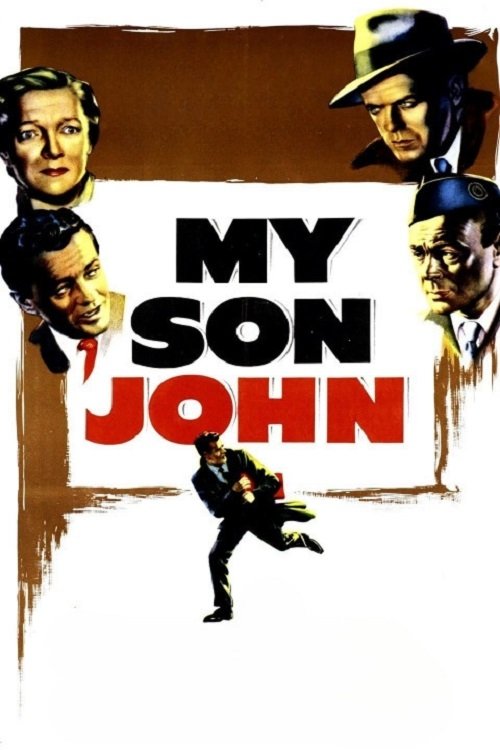
My Son John
1952 film by Leo McCarey

McCarran Internal Security Act
1950 statue authorizing US concentration camps

Oppenheimer security hearing
1954 United States Atomic Energy Commission investigation
Alien Registration Act
United States federal statute
loss of China
1949 US political crisis

John Peurifoy
United States government official and diplomat (1907–1955)
Mary Susan McIntosh
British sociologist, feminist, political activist and LGBTQ+ rights campaigner
red-baiting
Red-baiting, also known as reductio ad Stalinum () and red-tagging (in the Philippines), is an intention to discredit the validity of a political opponent and the opponent's logical argument by accusing, denouncing, attacking, or persecuting the target individual or group as anarchist, communist, Marxist, socialist, Stalinist, or fellow travelers towards these ideologies. In the phrase, red refers to the color that traditionally symbolized left-wing politics worldwide since the 19th century, while baiting refers to persecution, torment, or harassment, as in baiting.
Red Channels
1950 publication that spurred the Hollywood blacklist era
Joseph N. Welch
American lawyer
Elmer Davis
American politician
Robert T. Stevens
United States Secretary of the Army (1899–1983)
Judith Coplon
Alleged KGB spy
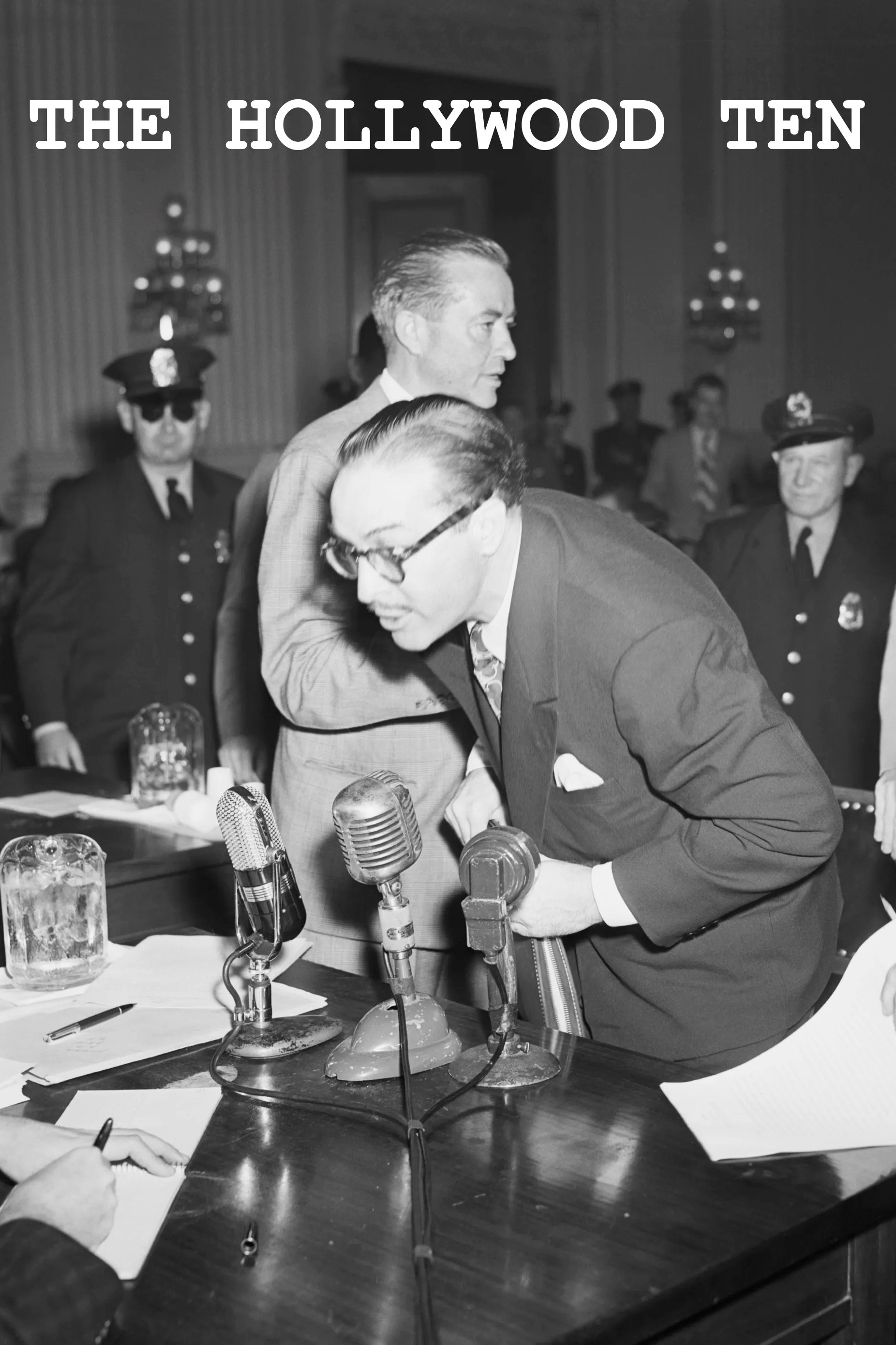
The Hollywood Ten
1950 film by John Berry
Institute of Pacific Relations
organization
Immigration and Nationality Act of 1952
American immigration law