Category
page 1Medieval art

Gothic art
style of Medieval art developed in Northern France

Byzantine art
art of the Byzantine (Eastern Roman) Empire

danse macabre
artistic motif on the universality of death

early Christian art
art produced by Christians before Byzantine times
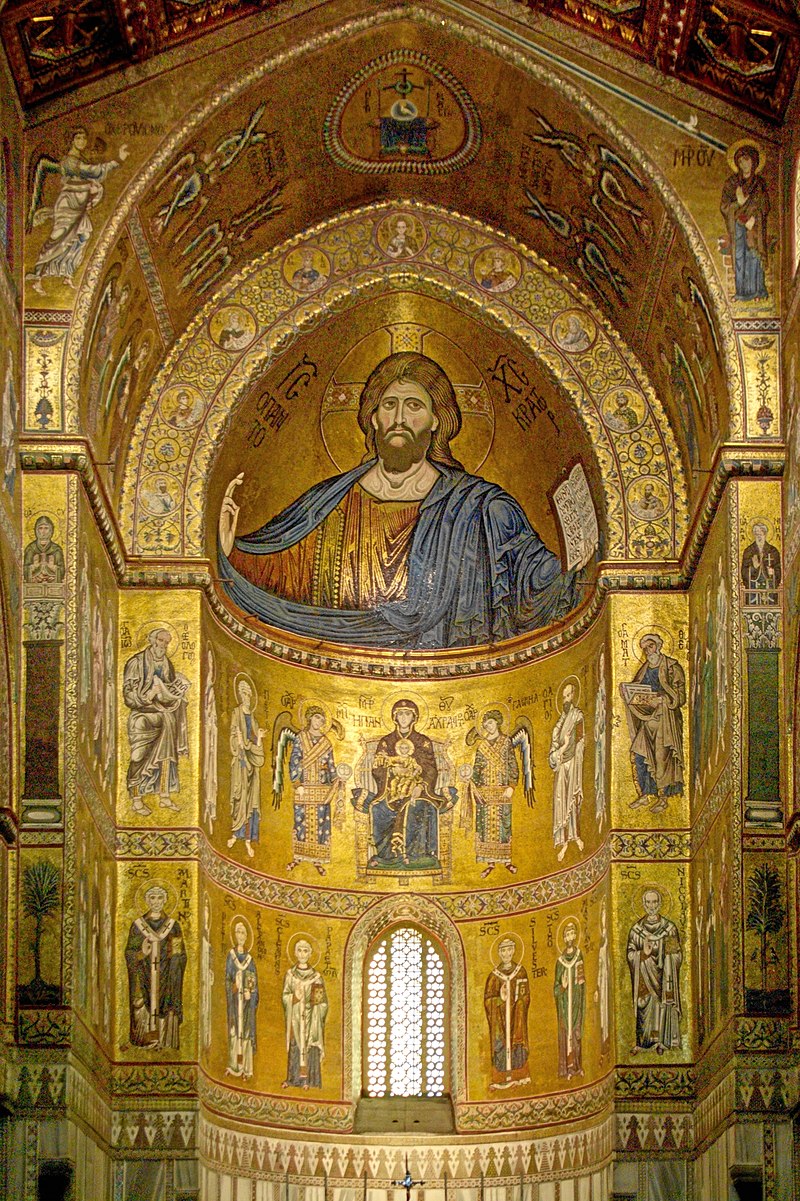
medieval art
Epoch of European art

Celtic art
art associated with Celtic peoples
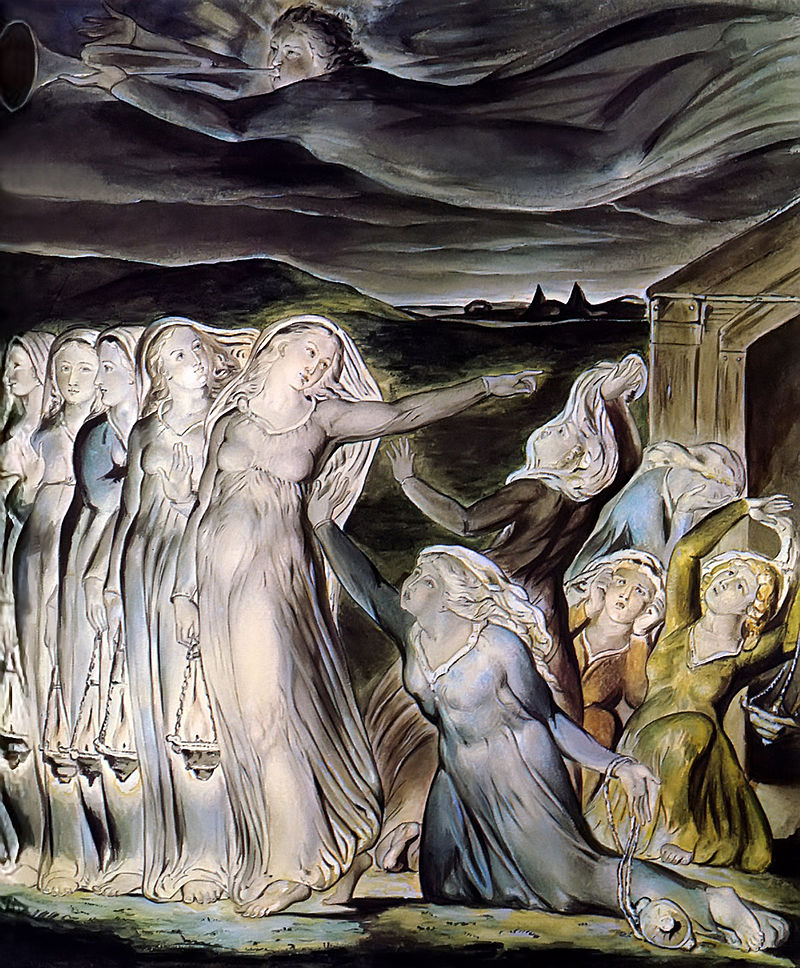
Parable of the Ten Virgins
parable taught by Jesus of Nazareth according to the Christian Gospel of Matthew

Pisa Cathedral
church in Pisa, Italy
Early Netherlandish painting
work of artists active in the Low Countries during the 15th- and 16th-century Northern Renaissance
Carolingian art
art of the Frankish empire, ca. 780–900
pre-Romanesque art
art style of Europe between the fall of Rome and the 11th century
Ottonian art
art style in Germany under the Ottonian emperors
panel painting
painting made on a flat panel made of wood
.jpg)
aquamanile
thumb|Aquamanile in the Form of a Lion
tree of Jesse
artistic theme, depiction of the ancestors of Christ
The Cloisters
museum in New York City part of the Metropolitan Museum of Art
olifant
type of horn instrument made from ivory
Insular art
style of art produced in the post-Roman history of the British Isles
Anglo-Saxon art
art of the Anglo-Saxon period
interlace
decorative element of bands or portions of other motifs looped, braided, and knotted in complex geometric patterns
Treasure of Guarrazar
archeological find composed of twenty-six votive crowns and gold crosses from a site in Guadamur, prov. of Toledo, Castilla-La Mancha, Spain
Migration Period art
art movement
Plan of Saint Gall
medieval architectural drawing of a monastic compound
hortus conclusus
enclosed garden; attribute of the Virgin Mary
crux gemmata
form of cross typical of Early Christian and Early Medieval art
Eurasiatic animal style
Iron Age art movement characterized by the use of animal motifs

champlevé
thumb|300px|High-quality Mosan art|Mosan 12th century armlet, somewhat damaged, so showing the cast recesses for the enamel
Champlevé is an enamelling technique in the decorative arts, or an object made by that process, in which troughs or cells are carved, etched, die struck, or cast into the surface of a metal object, and filled with vitreous enamel. The piece is then fired until the enamel fuses, and when cooled, the surface of the object is polished. The uncarved portions of the original surface remain visible as a frame for the enamel designs; typically, they are gilded in medieval work.
penannular brooch
jewelry for fastening clothing consisting of a whole or open ring and pin

cumdach
thumb|upright=1.2|Cumdach for the Stowe Missal, 11th century
thumb|upright=1.0|The Soiscél Molaisse, 11th century
A ' (, in Irish "cover") or book shrine' is an elaborate ornamented metal reliquary box or case used to hold Early Medieval Irish manuscripts or relics. They are typically later than the book they contain, often by several centuries. In most surviving examples, the book comes from the peak age of Irish monasticism before 800, and the extant cumdachs date from after 1000, although it is clear the form dates from considerably earlier. The majority are of Irish origin, with most survi
speech scroll
illustrative device denoting speech in art, used in pre-Columbian Mesoamerica and Medieval Europe

Joan of Valois, Duchess of Bourbon
French princess
The Three Living and the Three Dead
European legend of the inevitability of death
Treasure of Gourdon
French treasure
National Museum of Medieval Art
art museum in Korçë, Albania

Pseudo-Kufic
Pseudo-Kufic, or Kufesque, also sometimes pseudo-Arabic, is a style of decoration used during the Middle Ages and the Renaissance, consisting of imitations of the Arabic script, especially Kufic, made in a non-Arabic context: "Imitations of Arabic in European art are often described as pseudo-Kufic, borrowing the term for an Arabic script that emphasizes straight and angular strokes, and is most commonly used in Islamic architectural decoration". Pseudo-Kufic appears especially often in Renaissance art in depictions of people from the Holy Land, particularly the Virgin Mary. It is an example o
Burrell Collection
art museum in Glasgow, Scotland, United Kingdom
Roland statue
type of statue
treasure binding
luxurious book cover using metalwork in gold or silver, jewels, or ivory, perhaps in addition to more usual bookbinding material for book covers such as leather, velvet, or other cloth
Chola art
period of the imperial Cholas (c. 850 CE - 1250 CE) in South India
Agate Casket of Oviedo
Labours of the Months
artistic theme representing the twelve months by iconographic scenes showing human activities, usually in a landscape
Guelph Treasure
remains of a medieval treasure split in 1929, 40 pieces of which are displayed in Berlin
Life of Christ
set of subjects in art
pilgrim badge
effects worn by Christian pilgrims
Christ taking leave of his Mother
theme in Christian art
girdle book
book with an extra covering of leather allowing the book to be hung from the girdle
Schnütgen Museum
museum of medieval Christian religious art in Cologne, Germany
The Three Brothers
jewel owned by famous medieval figures, later part of the Crown Jewels of England, now lost
light in painting
Light in painting
art of Carolingian illumination
decoration of manuscripts in the Carolingian period
Presentation miniature
Image in manuscript illumination showing the author handing over the writing
Saint Barbara Altarpiece
paintings and sculptures by the Master Francke
pendilia
thumb|120px|The Holy Crown of Hungary having pendilia.
thumb|120px|Votive crown of the Visigoth King [[Recceswinth († 672), part of the Treasure of Guarrazar.]]
Pendilia (singular pendilium; from Latin pendulus, hanging) or pendoulia (the Greek equivalent), are pendants or dangling ornaments hanging from a piece of metalwork such as a crown, votive crown, crux gemmata, or kamelaukion, and are a feature of Early Medieval goldsmith work. On crosses the pendilia may include the letters alpha and omega, and on votive offerings, which were often designed to be hung over altars and where pendilia ar
liturgical comb
decorated comb used ceremonially in medieval European Christianity
art of Gothic illumination
Gothic illumination of books and manuscripts
Sunday Christ
Image depiction of Jesus Christ
Italo-Byzantine
thumb|right|Madonna and Child, Berlinghiero, c. 1230, tempera on wood, with [[gold ground, Metropolitan Museum of Art.]]
Italo-Byzantine is a style term in art history, mostly used for medieval paintings produced in Italy under heavy influence from Byzantine art. It initially covers religious paintings copying or imitating the standard Byzantine icon types, but painted by artists without a training in Byzantine techniques. These are versions of Byzantine icons, most of the Madonna and Child, but also of other subjects; essentially they introduced the relatively small portable painting with a f
Monreale Cathedral mosaics
mosaics at Monreale Cathedral in Sicily
Mappae clavicula
medieval compilation of recipes for metal, glass, mosaic and stain work
equestrian seal
type of seal