Category
page 1Medieval European education
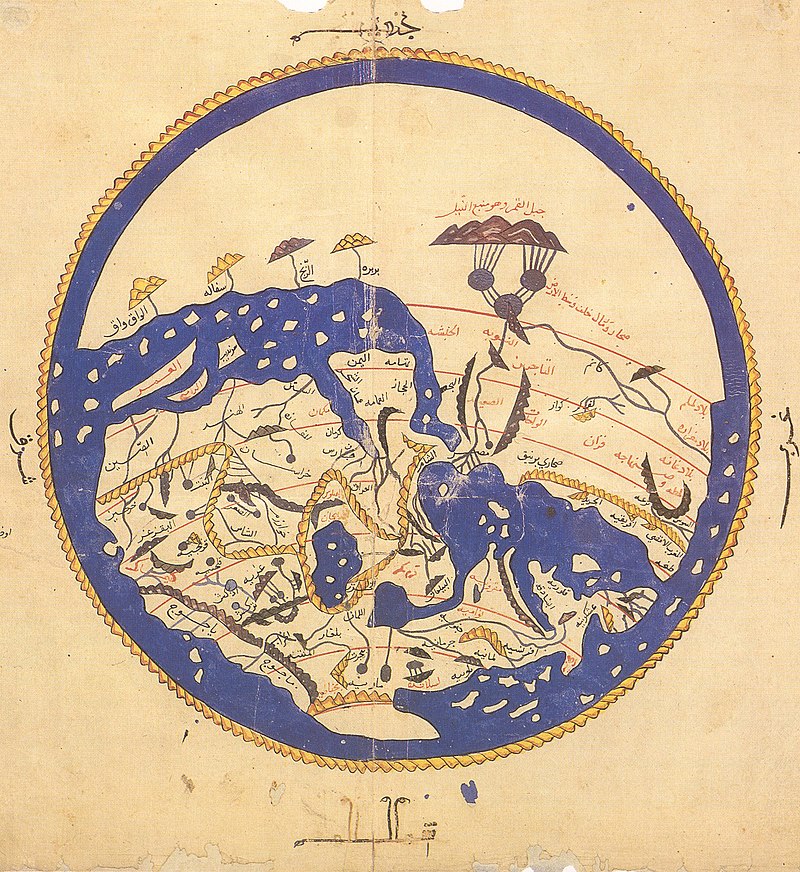
Islamic Golden Age
period of cultural flourishing in the 8th to 13th centuries

trivium
thumb|right|Allegory of Grammar and Logic/Dialectic. Perugia, Fontana Maggiore.
thumb|Allegory of Grammar. Priscian on the left teaches Latin grammar to his students on the right. Relief by [[Luca della Robbia. Florence, Museo dell'Opera del Duomo.]]

quadrivium
thumb|upright=1.0|For most medieval scholars, who believed that God created the universe according to geometric and harmonic principles, [[science—particularly geometry and astronomy—was linked directly to the divine. To seek these principles, therefore, would be to seek God.]]
cathedral school
type of christian school
Latin school
school type in Europe from the 14th to 19th centuries
Studium Generale
Latin locution with what was called the institution of higher education in the Middle Ages
Artes Mechanicae
medieval concept of ordered practices or skills, often juxtaposed to the traditional seven liberal arts (Artes liberales)
monastic school
institutions of higher learning of the Early Middle Ages
nation
student organisation
scholaster
A scholaster, from the Latin scholasticus (schoolmaster), or magister scholarum, was the head of an ecclesiastical school, typically a cathedral school, monastic school, or the school of a collegiate church, in medieval and early-modern Europe. Depending on the size of the school and the status of the institution to which it was attached, the scholaster might be the only teacher, the head of a considerable educational establishment, or have oversight over all the schools in their city or territory. The scholaster might be a dignitary in a cathedral or collegiate chapter, alongside the provost,
Byzantine university
institutions in the Byzantine Empire
Authentica habita
1155 document by the Holy Roman Emperor Frederick I Barbarossa setting out the rules, rights and privileges of students and scholars
Quodlibeta
During the Middle Ages, quodlibeta were public disputations in which scholars debated questions "about anything" (de quolibet) posed by the audience. The practice originated in the theological faculty of the University of Paris around 1230. Classes were suspended just before Christmas and Easter holidays so that the masters could hold public sessions taking questions from the audience. After 1270, the practice spread beyond Paris, but elsewhere was usually associated with the studia (schools) of the mendicant orders. The first to introduce the quodlibeta to an institution outside of Paris was