Category
page 1Medieval languages

Coptic
latest stage of the Egyptian language
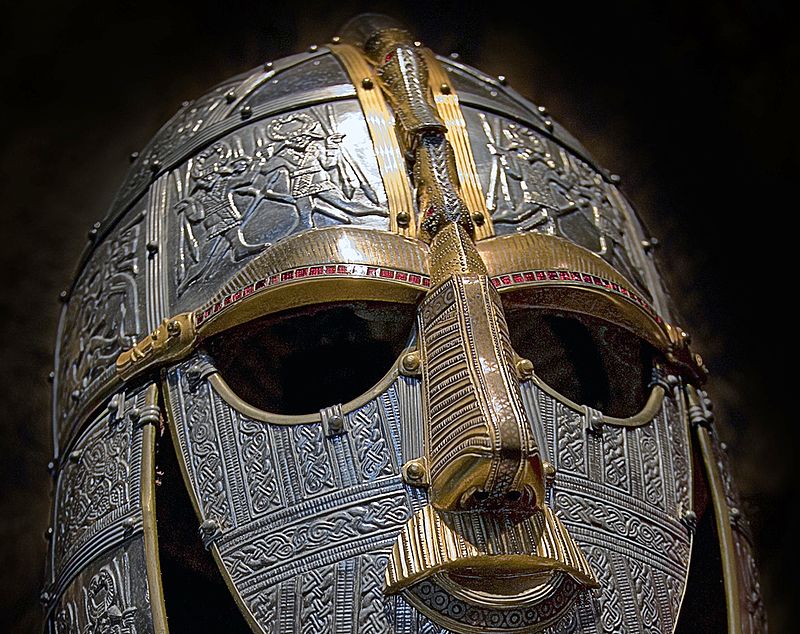
Old English
earliest historical form of English

Gothic
extinct East Germanic language spoken by the Goths

Old Church Slavonic
medieval Slavic literary language, without ISO codes, preceding Church Slavonic (Q33251, cu, chu)

Old Norse
North Germanic language

Tocharian
extinct Indo-European languages in Asia

Middle English
stage of the English language from about the 12th through 15th centuries
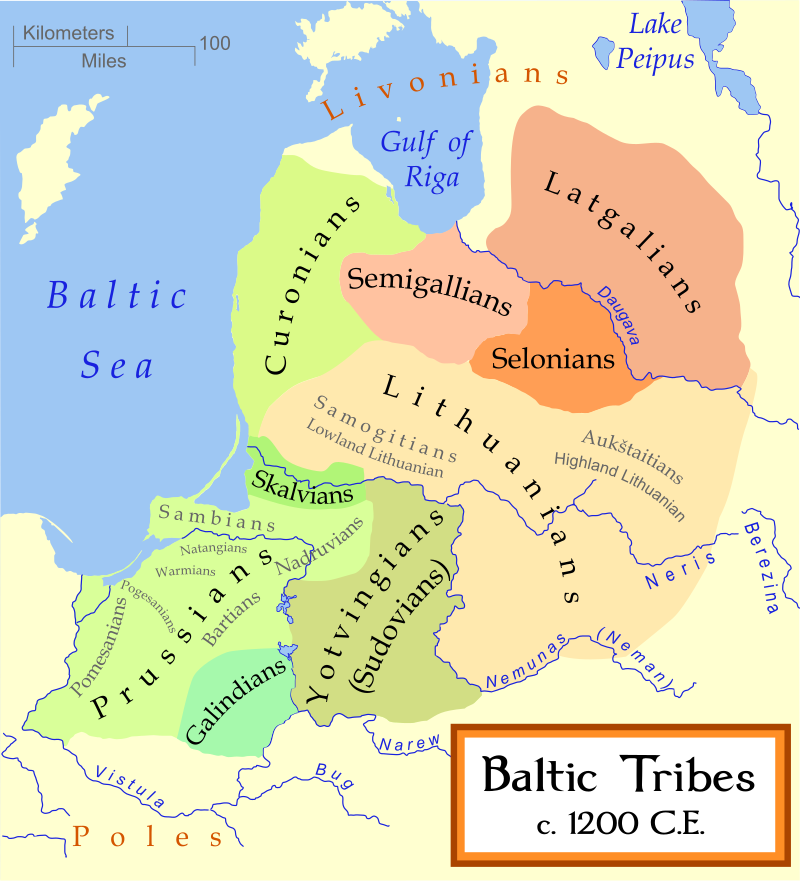
Old Prussian
extinct Western Baltic language

Norn
extinct Germanic language spoken in the Northern Isles of Scotland

Old French
Gallo-Romance dialect continuum spoken from the 9th century to the middle of the 14th century
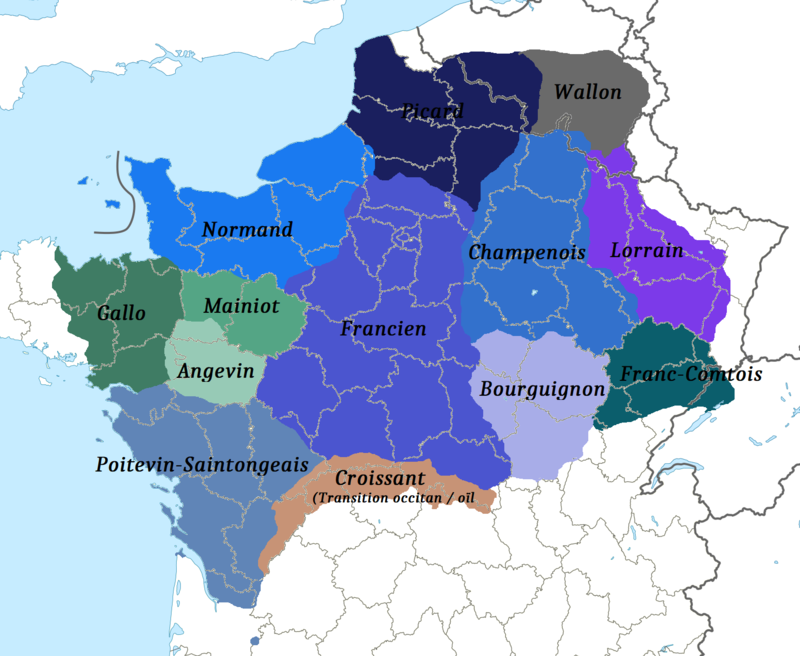
Oïl
dialect continuum that includes French and its closest relatives
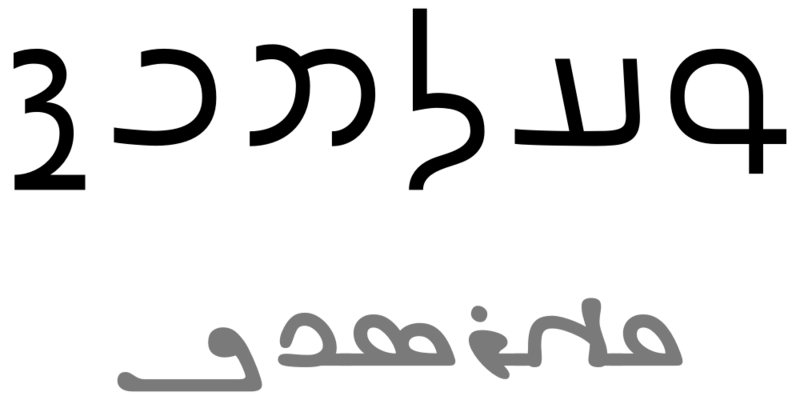
Middle Persian
southwestern Iranian language, predecessor to New Persian

Ruthenian
historical Slavic language, ancestor of Belarusian, Rusyn, and Ukrainian; official, literary and spoken language of the Grand Duchy of Lithuania, Moldavian principality and East Slavic voivodeships of the Polish-Lithuanian Commonwealth

Cumbric
Cumbric is an extinct Celtic Brythonic language or dialect that was spoken during the Early Middle Ages in the Hen Ogledd or "Old North", in what is now Northern England and the southern Scottish Lowlands. Place-name evidence suggests Cumbric may also have been spoken as far south as Pendle and the Yorkshire Dales. The prevailing view is that it became extinct in the 12th century, around the incorporation of the Kingdom of Strathclyde into the Kingdom of Scotland.

Andalusi Romance
Romance language formerly spoken in the Iberian Peninsula
Old Saxon
Germanic language spoken 8C – 12C
Old Irish
oldest widely attested Goidelic Celtic language (c. 600 – c. 900); extinct language with ISO 639-3 code sga
Middle High German
historical form of High German

Classical Arabic
form of the Arabic language used in Umayyad and Abbasid literary texts

Frankish
West Germanic language spoken in 5th- to 9th-century Western Europe; ancestor of the Franconian languages
Anglo-Norman
langue d'oïl formerly spoken in the British Isles
Middle French
historical variety of French used c. 1350–1600
Bulgar
extinct Oghur Turkic language
Khwarezmian
extinct East Iranian language closely related to Sogdian
Cuman
extinct Kipchak Turkic language
Merya
extinct language
Andalusi Arabic
variety of Arabic formerly spoken on the Iberian Peninsula
Curonian
extinct language spoken by the Curonians
medieval Latin
form of Latin used in the Middle Ages
Yola
extinct Germanic language
Guanche
extinct language of Canary Islands
Classical Armenian
oldest attested form of the Armenian language
Sudovian
extinct Western Baltic language
Middle Low German
developmental stage of Low German that has evolved from the Old Saxon language in the High Middle Ages
Lombardic
extinct Germanic language
Khitan
extinct language once spoken in Northeast Asia by the Khitan people (4th to 13th century CE)

Galician–Portuguese
Galician–Portuguese ( or ; or ), also known as Old Galician–Portuguese, Galaic-Portuguese, or (in contexts focused on one of the modern languages) Old Galician, Old Portuguese, Medieval Galician or Medieval Portuguese, was a West Iberian Romance language spoken in the Middle Ages, in the northwest area of the Iberian Peninsula. It is both the ancestor language and historical period of development of modern Galician, Fala, Portuguese and Eonavian languages which maintain a high degree of mutual intelligibility.
Meshcherian
extinct language in Russia territory
Apabhraṃśa
Apabhraṃśa (, , Prakrit: ) is a term used by vaiyākaraṇāḥ (native grammarians) since Patañjali to refer to languages spoken in Northern India before the rise of the modern languages. In Indology, it is used as an umbrella term for the dialects forming the transition between the late Middle and the early Modern Indo-Aryan languages, spanning the period between the 6th and 13th centuries CE. However, these dialects are conventionally included in the Middle Indo-Aryan period. wikt:अपभ्रंश#Sanskrit| in Sanskrit literally means "corrupt" or "non-grammatical language", that which deviates from the n
Muromian
extinct language formerly spoken by the Muromian tribe
Knaanic
extinct Czech–Slovak Jewish language
Ahom
language of the Ahom people
Old Frisian
West Germanic language spoken between the 13th and 16th centuries
Tangut
main language of the Tangut ethnic people in Xi Xia (Western Xia) dynasty, now extinct
Middle Irish
Goidelic language which was spoken in Ireland, Scotland and the Isle of Man from the 10th to 12th centuries
Semigallian
extinct Eastern Baltic language
Selonian
Eastern Baltic language
Old Novgorodian
extinct language
Zarphatic
language
Middle Dutch
collective name of Dutch dialects of the High and Late Middle Ages
Old Spanish
early form of the Spanish language in use between the 10th and 15th centuries
Old Dutch
set of Franconian dialects spoke in the Low Countries during the Early Middle Ages
Shauraseni
language
Galindian
language
Old Nubian
ancient variety of the Nubian language
Old Welsh
old form of Welsh: a Brythonic, Insular Celtic language
Tiberian Hebrew
form of the Hebrew language in liturgical use by the Jews of Judea during the 8th to 10th centuries, as marked by the Tiberian vocalization of the Masoretic text
Old Norwegian
extinct language
Middle Welsh
Celtic language of the High Middle Ages
Old Occitan
Old Romance language