Category
page 1Medieval philosophy

Renaissance
The Renaissance ( , ) is a European period of history and cultural movement, very roughly defined as covering the 14th through 17th centuries, though sometimes more narrowly defined for instance as only covering the 15th through 16th centuries. It marked the transition from the Middle Ages to modernity and was characterized by the European rediscovery and revival of the literary, philosophical, and artistic achievements of classical antiquity. Associated with great social change in most fields and disciplines, including art, architecture, politics, literature, exploration and science, the Rena

medieval philosophy
philosophical development during the medieval period
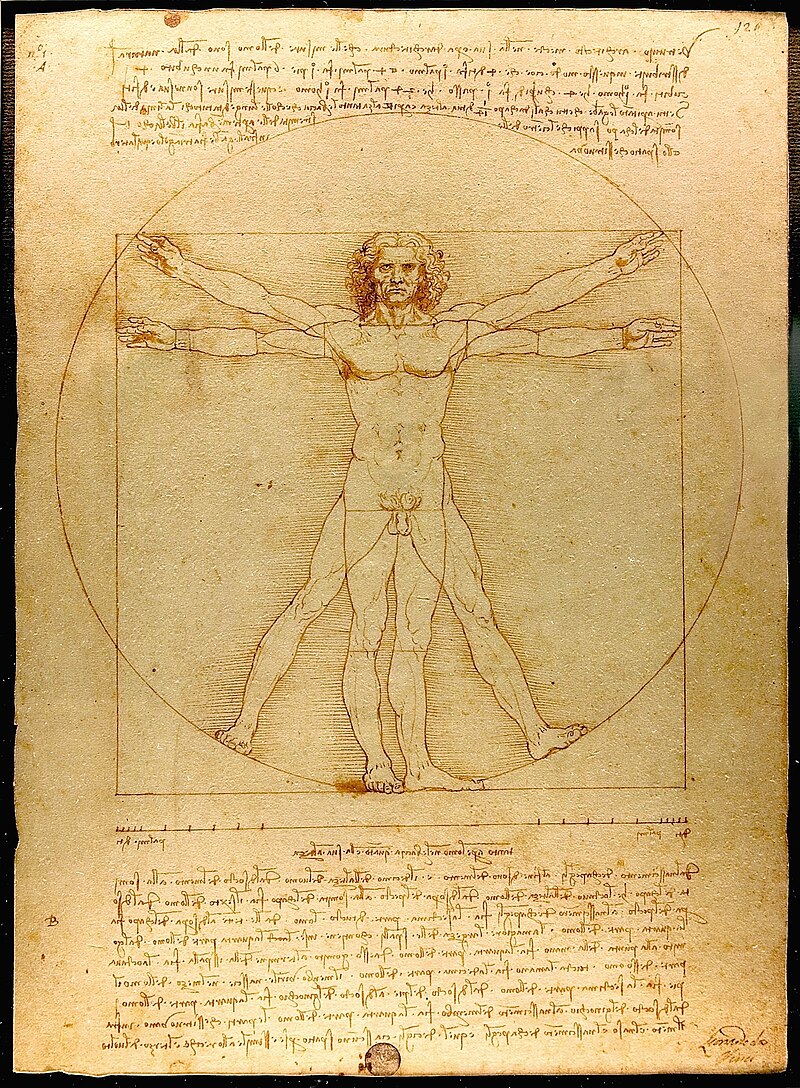
renaissance humanism
revival in the study of classical antiquity
School of Chartres
11th/12th century centre of French scholarship
Doxa
Doxa (; from verb ) is a common belief or popular opinion. In classical rhetoric, doxa is contrasted with episteme ('knowledge').

Hermetica
The Hermetica are texts attributed to the legendary Hellenistic figure Hermes Trismegistus, a syncretic combination of the Greek god Hermes and the Egyptian god Thoth. These texts may vary widely in content and purpose, but by modern convention are usually subdivided into two main categories, the "technical" and "religio-philosophical" Hermetica.
five wits
five sensory modalities traditionally taught: hearing, sight, smell, taste, feel
Transmission of the Greek Classics
School of Saint Victor
school
Aztec philosophy
school of philosophy that developed out of Aztec culture
univocity of being
the idea that words describing the properties of God mean the same thing as when they apply to people or things, even if God is vastly different in kind
active intellect
concept in classical and Medieval philosophy
Buridan's bridge
Logical paradox
supposition theory
branch of medieval logic
Book of Nature
religious and philosophical concept
unity of the intellect
philosophical theory proposed by Averroes that all humans share the same intellect