Category
page 1Melanthiaceae genera

Paris
genus of plants
%20from%20Alaska.jpg)
Veratrum
Veratrum is a genus of flowering plants in the family Melanthiaceae. It occurs in damp habitats across much of temperate and subarctic Europe, Asia, and North America.

Trillium
Trillium (trillium, wakerobin, toadshade, tri flower, birthroot, birthwort, and sometimes "wood lily") is a genus of about fifty flowering plant species in the family Melanthiaceae. Trillium species are native to temperate regions of North America and Asia, with the greatest diversity of species found in the southern Appalachian Mountains in the southeastern United States.
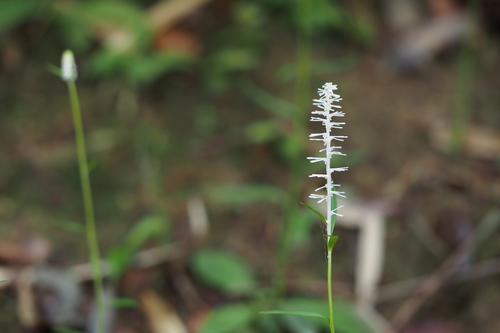
Chionographis
Chionographis is a genus of plants in the Melanthiaceae first described as a genus in 1867. This genus is native to China, Japan, and Korea.
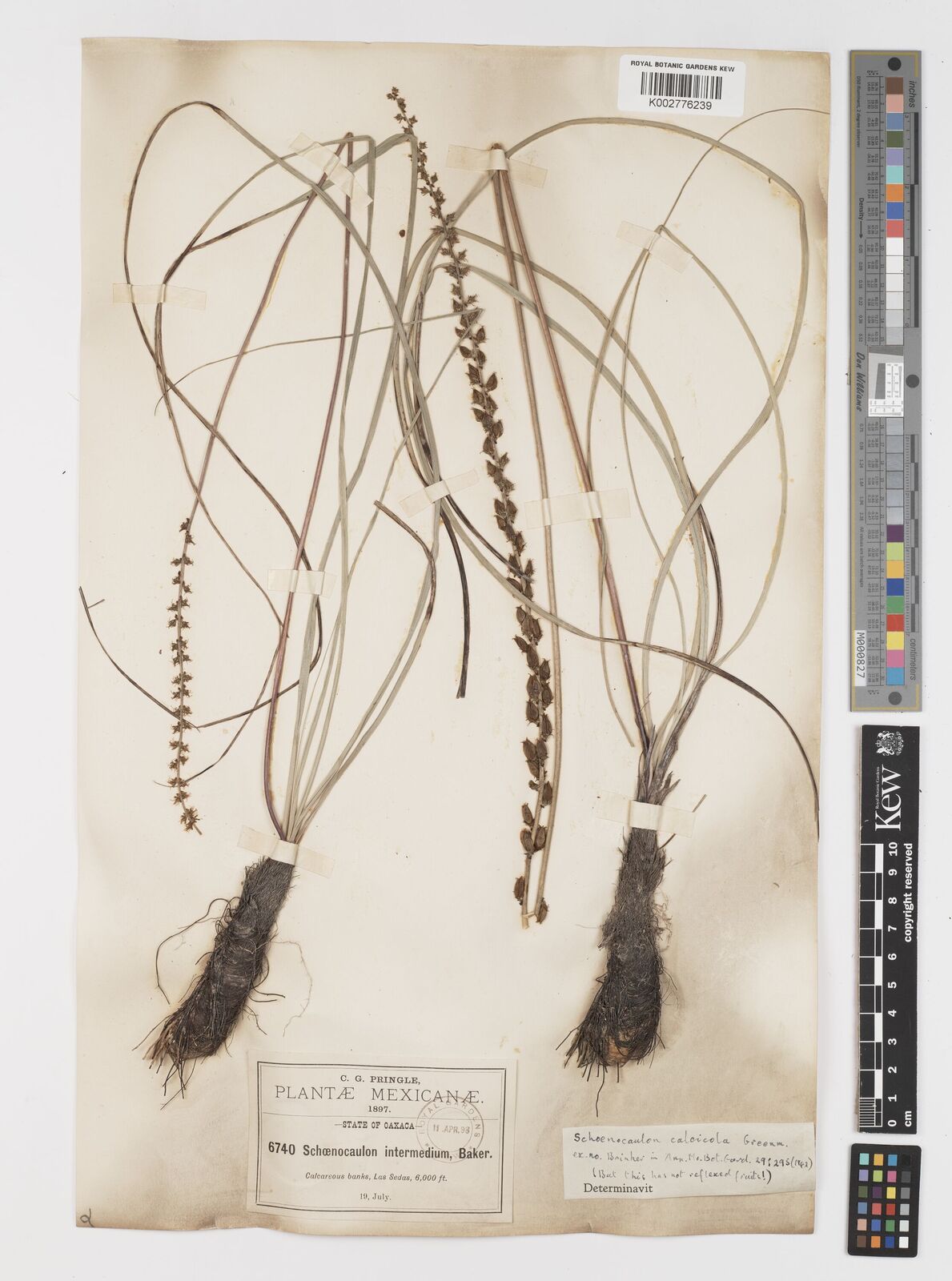
Schoenocaulon
Schoenocaulon is a North American genus of perennial herbaceous flowering plants, ranging from the southern United States to Peru. It is a member of the Melanthiaceae, according to the APG III classification system, and is placed in the tribe Melanthieae. Unlike other genera in the tribe, the flowers are arranged in a spike; depending on the species the flower stalks for each flower are either very short or completely absent. Feathershank is a common name, the medicinally used S. officinale is called Sabadilla (pronunciation: /sab-uh-dil-uh/, IPA: /ˌsæb əˈdɪl ə/).
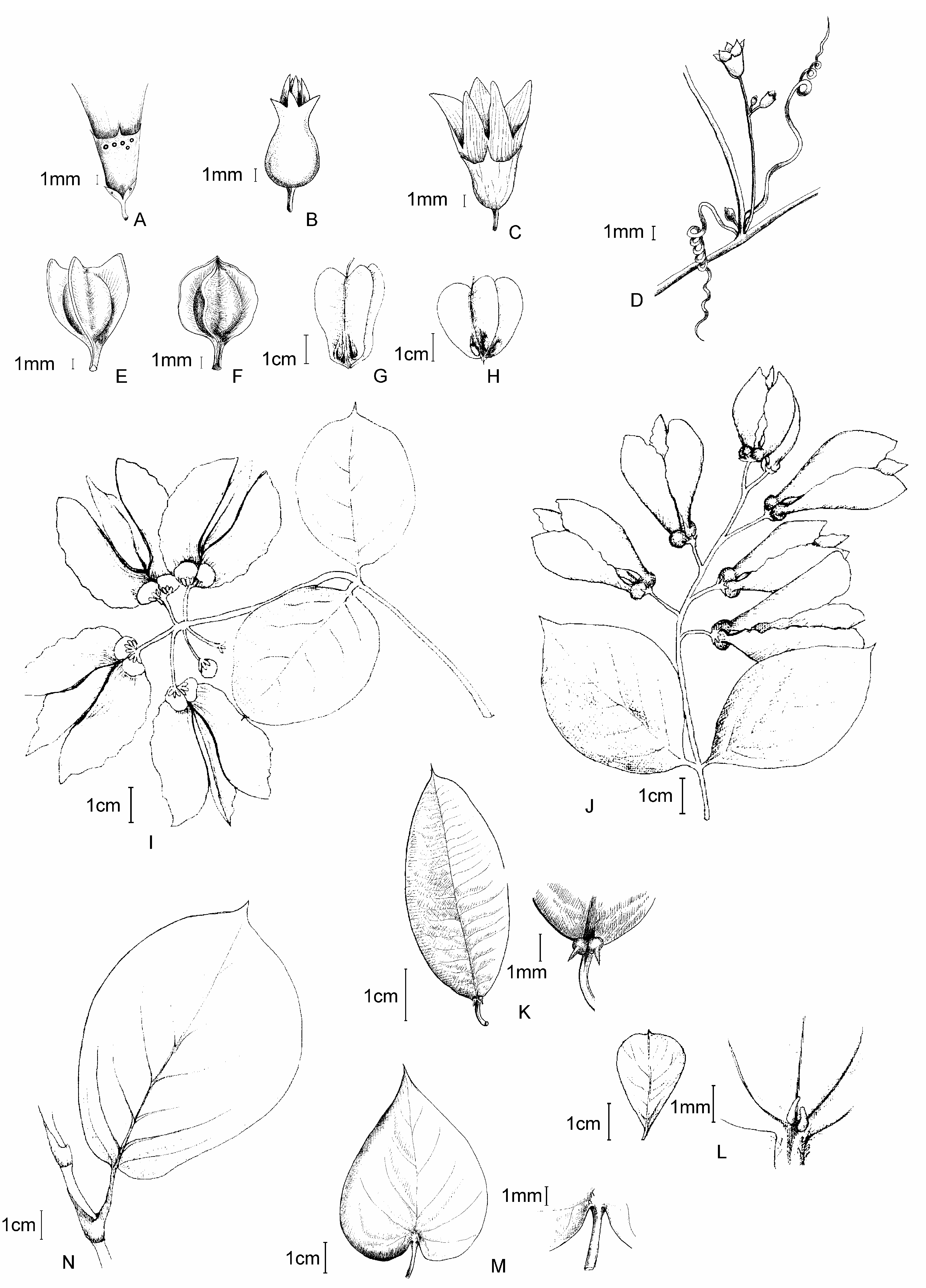
Melanthium
Melanthium is a genus of herbaceous perennial plants native to North America. They are closely related to Veratrum, and in fact are included in that genus by some authors. The distinction between Melanthium and Veratrum is based on various morphological traits, but it is not yet clear where the line is best drawn.
.jpg)
Amianthium muscitoxicum
Amianthium is a genus of perennial monocot plants found in eastern North America. The genus contains only one species, known as Amianthium muscitoxicum. Its common names include "fly poison" and "stagger grass". The species name muscitoxicum comes from a direct Latin translation of "fly poison": muscae = flies, toxicum = poison. The entire plant is poisonous to an array of species, including humans, and the bulb is particularly toxic. A. muscitoxicum was first recorded by Thomas Walter in his work Flora Caroliniana in 1788.

Stenanthium
Stenanthium is a North American genus of flowering plants in the tribe Melanthieae of the family Melanthiaceae.
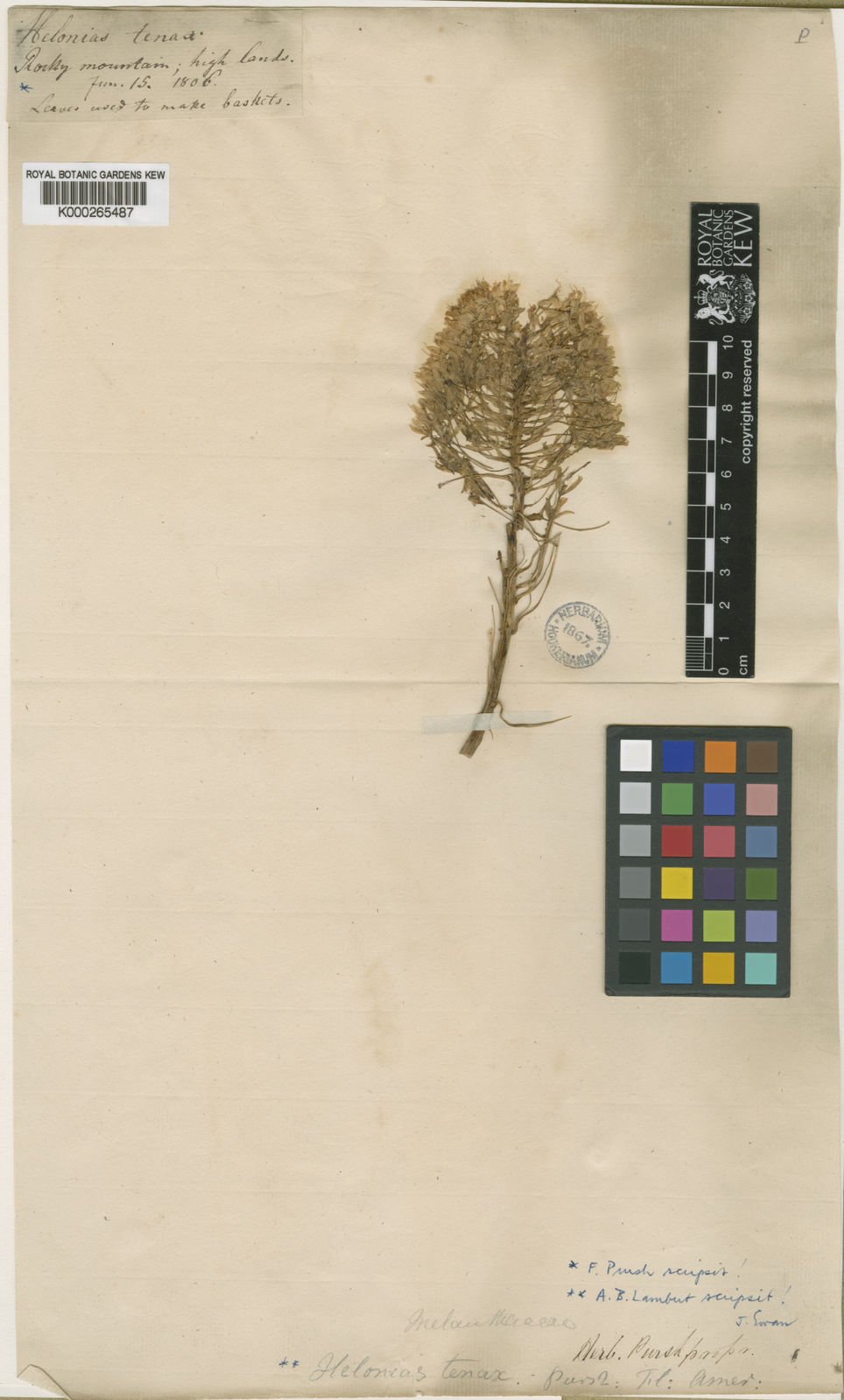
Xerophyllum
genus of plants
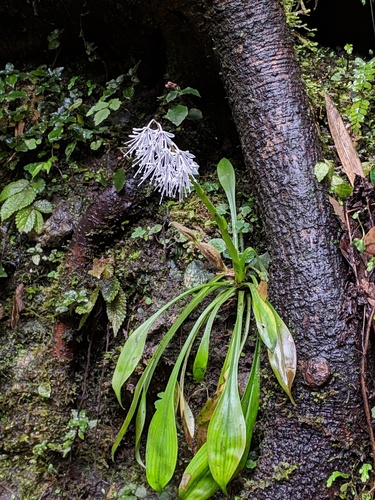
Ypsilandra
Ypsilandra is a genus of at least six herbaceous plant species, first described as a genus in 1888. This genus is a member of the Melanthiaceae and is native to East Asia (China, the Himalayas, Myanmar, Thailand).
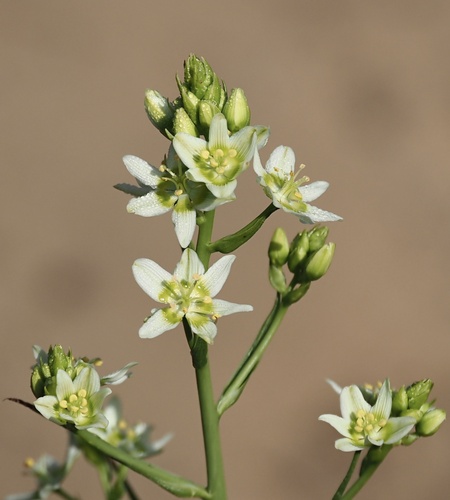
Toxicoscordion
Toxicoscordion is a genus of flowering plants in the family Melanthiaceae, tribe Melanthieae, first described as a genus in 1903. The genus is mainly distributed in the midwestern United States and western North America, with some species in western Canada and northern Mexico.

Chamaelirium
Chamaelirium is a genus of flowering plants containing the single species Chamaelirium luteum, commonly known as blazing-star, '''devil's bit, false unicorn, fairy wand, and helonias'''. It is a perennial herb native to the eastern United States. It can be found in a variety of habitats, including wet meadows and deciduous woodlands.

Anticlea
genus of plants

Helonias
Helonias is a genus of flowering plants. It contains 12 species, with 11 native to the Himalayas and eastern Asia and one (H. bullata) to the eastern United States.
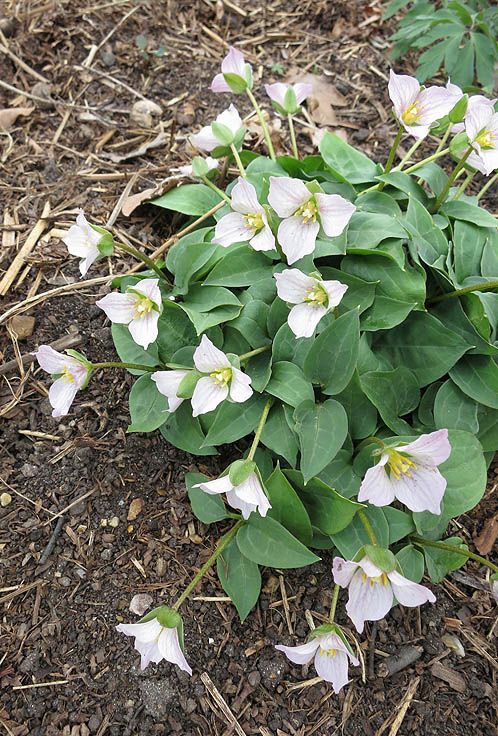
Pseudotrillium
Pseudotrillium is a monotypic genus in the bunchflower family Melanthiaceae. Its sole species, the flowering plant Pseudotrillium rivale, is commonly known as the brook wakerobin. It is endemic to the Siskiyou Mountains of southern Oregon and northern California. The Latin specific epithet rivale means "growing by streams", a reference to a preferred habitat.