Category
page 1Meteorological concepts
.png)
climate
Climate is the long-term weather pattern in a region, typically averaged over 30 years. More rigorously, it is the mean and variability of meteorological variables over a time spanning from months to millions of years. Some of the meteorological variables that are commonly measured are temperature, humidity, atmospheric pressure, wind, and precipitation. In a broader sense, climate is the state of the components of the climate system, including the atmosphere, hydrosphere, cryosphere, lithosphere and biosphere and the interactions between them. The climate of a location is affected by its lati
.jpg)
sky
upright=1.25|thumb|The night sky over Slovenia in July
upright=1.25|thumb|cirrus cloud|Cirriform clouds and a quarter [[Moon in the blue daytime sky over Germany]]
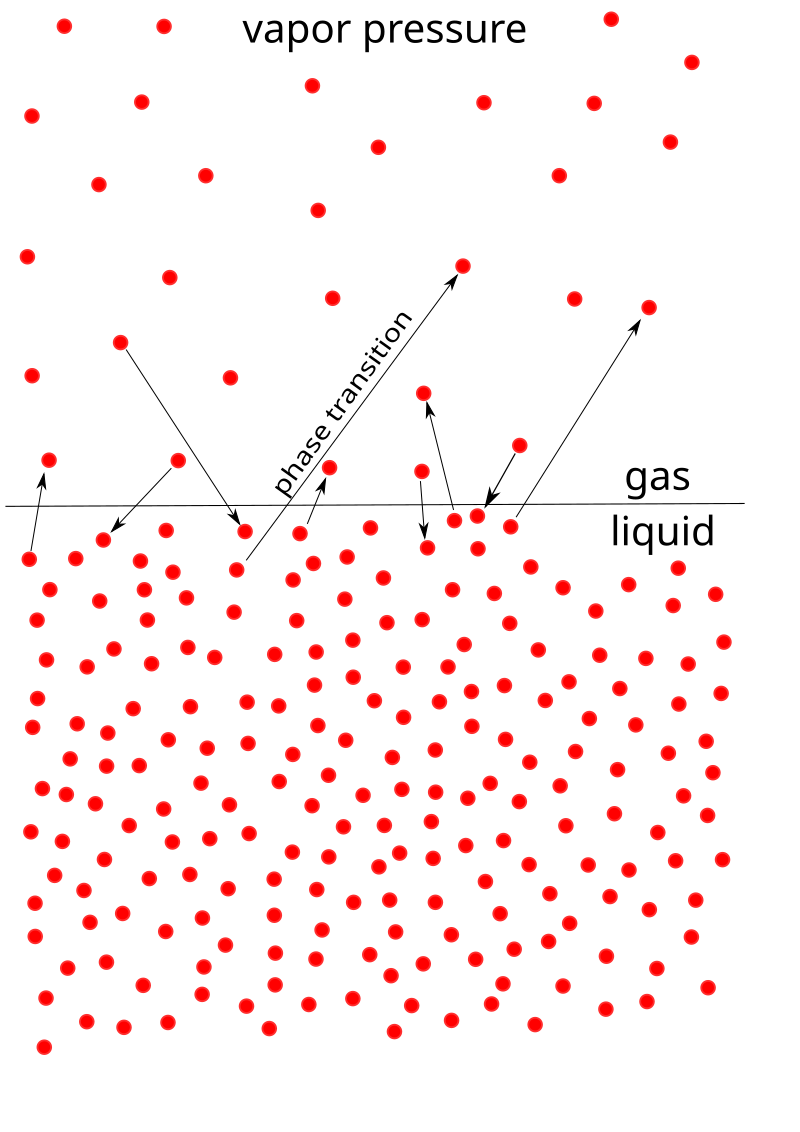
vapor pressure
pressure exterted by a vapor in thermodynamic equilibrium

visibility
In meteorology, visibility is the measure of the distance at which an object or light can be clearly discerned. It depends on the transparency of the surrounding air and as such, it is unchanging no matter the ambient light level or time of day. It is reported within surface weather observations and METAR code either in meters or statute miles, depending upon the country. Visibility affects all forms of traffic: roads, railways, sailing and aviation.
ocean heat content
thermal energy stored in ocean water
temperature anomaly
Difference of a temperature from a reference value
Oasis effect
alteration of a surrounding environment by the presence of a water source
Q-Vectors
Q-vectors are used in atmospheric dynamics to understand physical processes such as vertical motion and frontogenesis. Q-vectors are not physical quantities that can be measured in the atmosphere but are derived from the quasi-geostrophic equations and can be used in the previous diagnostic situations. On meteorological charts, Q-vectors point toward upward motion and away from downward motion. Q-vectors are an alternative to the omega equation for diagnosing vertical motion in the quasi-geostrophic equations.