Category
page 1Millipede genera
Pneumodesmus
Pneumodesmus newmani is a species of myriapod. It is originally considered that it lived during the late Wenlock epoch of the Silurian period around . However, a 2017 study dates its occurrence based on zircon data analysis as the Early Devonian (Lochkovian). Although the 2023 study confirmed the age identification of the 2004 study through palynological, palaeobotanical and zircon analyses incorporating newly discovered additional data, this is based on adjacent structurally separated block with different stratigraphy and sedimentology to the block with fossil site it was discovered, and it i
Desmoxytes
Desmoxytes, whose species are commonly known as the dragon millipedes, is a genus of millipedes of the family Paradoxosomatidae found in Southeast Asia. The genus was described by Ralph Vary Chamberlin in 1923, and reviewed by Sergei Golovatch and Henrik Enghoff in 1994. At least 18 species are known from to Malaysia, Myanmar, and Thailand. One species, D. planata, has also been observed in Sri Lanka, the Andaman Islands, Seychelles, Java, Great Coco Island, and Fiji; however, this species has expanded its range by being transported through human activity. Several species have only recently be

Motyxia
Motyxia is a genus of cyanide-producing millipedes (collectively known as Sierra luminous millipedes or motyxias) that are endemic to the southern Sierra Nevada, Tehachapi, and Santa Monica mountain ranges of California. Motyxias are blind and produce the poison cyanide, like all members of the Polydesmida. All species have the ability to glow brightly: some of the few known instances of bioluminescence in millipedes.
Nannaria
The genus '''Nannaria, commonly known as twisted-claw millipedes', is a genus of millipedes in the family Xystodesmidae first described by Ralph Chamberlin in 1918. In 2022, entomologists Derek Hennen, Jackson Means and Paul Marek discovered and described 17 new species, which expanded the size of Nannaria'' to 78, making it the largest genus of Xystodesmidae.
Blaniulus
Blaniulus is a genus of millipedes containing the following species:
Orthomorpha
Orthomorpha is a genus of millipedes in the family Paradoxosomatidae containing approximately 50 species distributed in Southeast Asia.
Anoplodesmus
Anoplodesmus is a genus of millipedes. It is one of the most species rich genera in the family Paradoxosomatidae, with over 40 described species distributed from India and Nepal to China and Southeast Asia, as well as the Mascarene Islands and Fiji.
Pleuroloma
Pleuroloma is a genus of flat-backed millipedes in the family Xystodesmidae. There are at least 4 described species in Pleuroloma.
Glyphiulus
Glyphiulus is a genus of millipedes belonging to the order Spirostreptida, family Cambalopsidae. It is the largest Southeast Asian millipede genus comprise about 47 to 57 species ranging from southern China, northern Laos, and northern Thailand in the north to southern Vietnam in the south. The type species shows a pantropical distribution. The number of species always changes due to continuous discoveries of new species.
Julus
genus of myriapods
Zephronia
Zephronia is a genus of giant pill millipedes in the family Zephroniidae with more than 50 described species native to Myanmar, India, Vietnam, Thailand, Cambodia, and Laos.
thumb|right|Zephronia siamemsis
thumb|right|Zephronia viridisoma

Hyleoglomeris
Hyleoglomeris is a genus of pill millipede with approximately 100 species widely distributed from Europe to East Asia. They typically dwell in warm-temperate to tropical climates, with at least two dozen species dwelling in caves.
Polydesmus
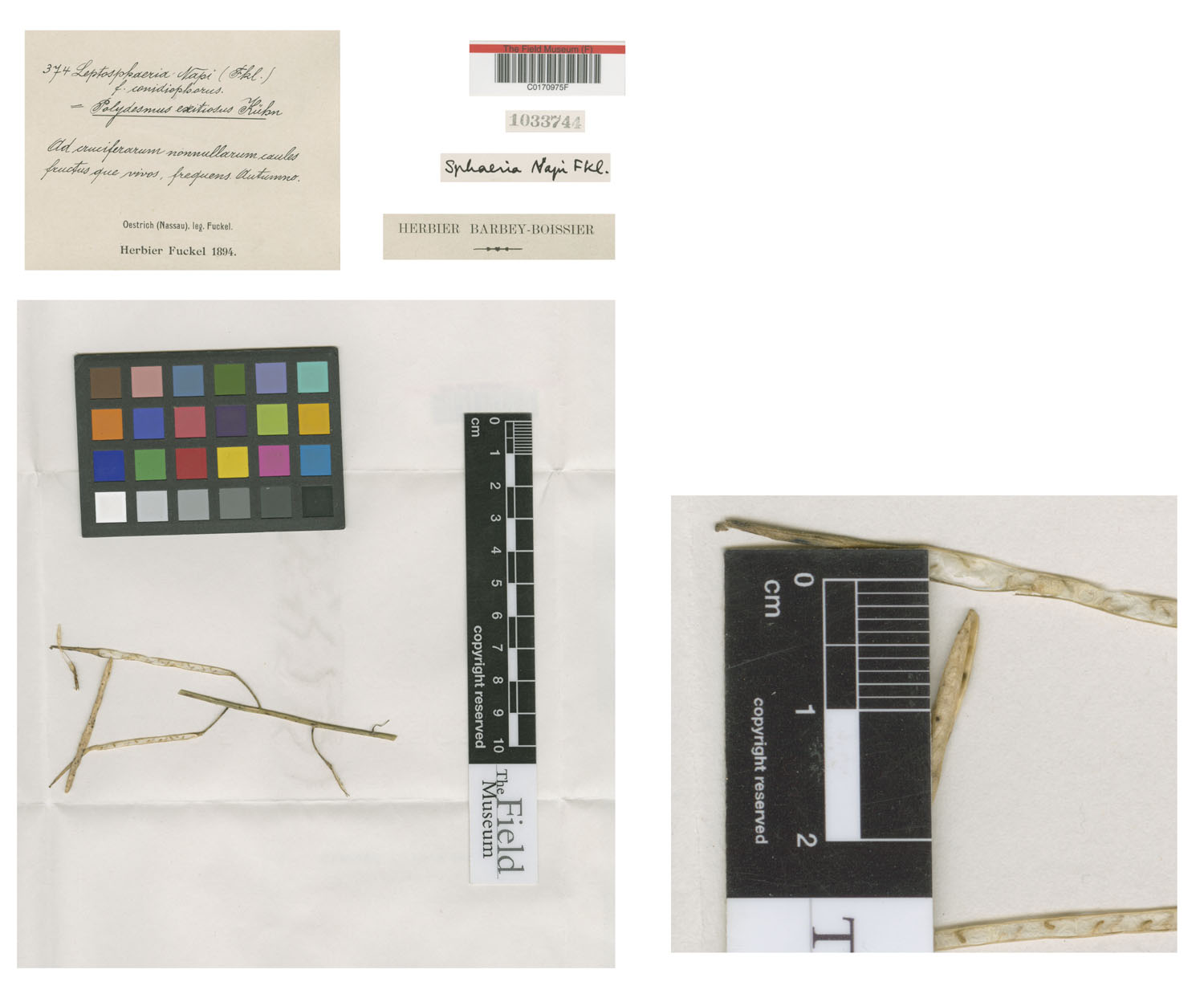
Polydesmus is a genus of millipedes in the family Polydesmidae. With more than 200 species and subspecies, this genus is the largest in this family. This genus has a Palearctic distribution, with species found mainly in the Mediterranean region and in Europe west of the central Caucasus. This genus includes the notable species Polydesmus progressus, which exhibits sexual dimorphism in segment number: Whereas adult females of this species feature the 20 segments (counting the collum as the first segment and the telson as the last) usually observed on the order Polydesmida, the adult males featu
Apheloria
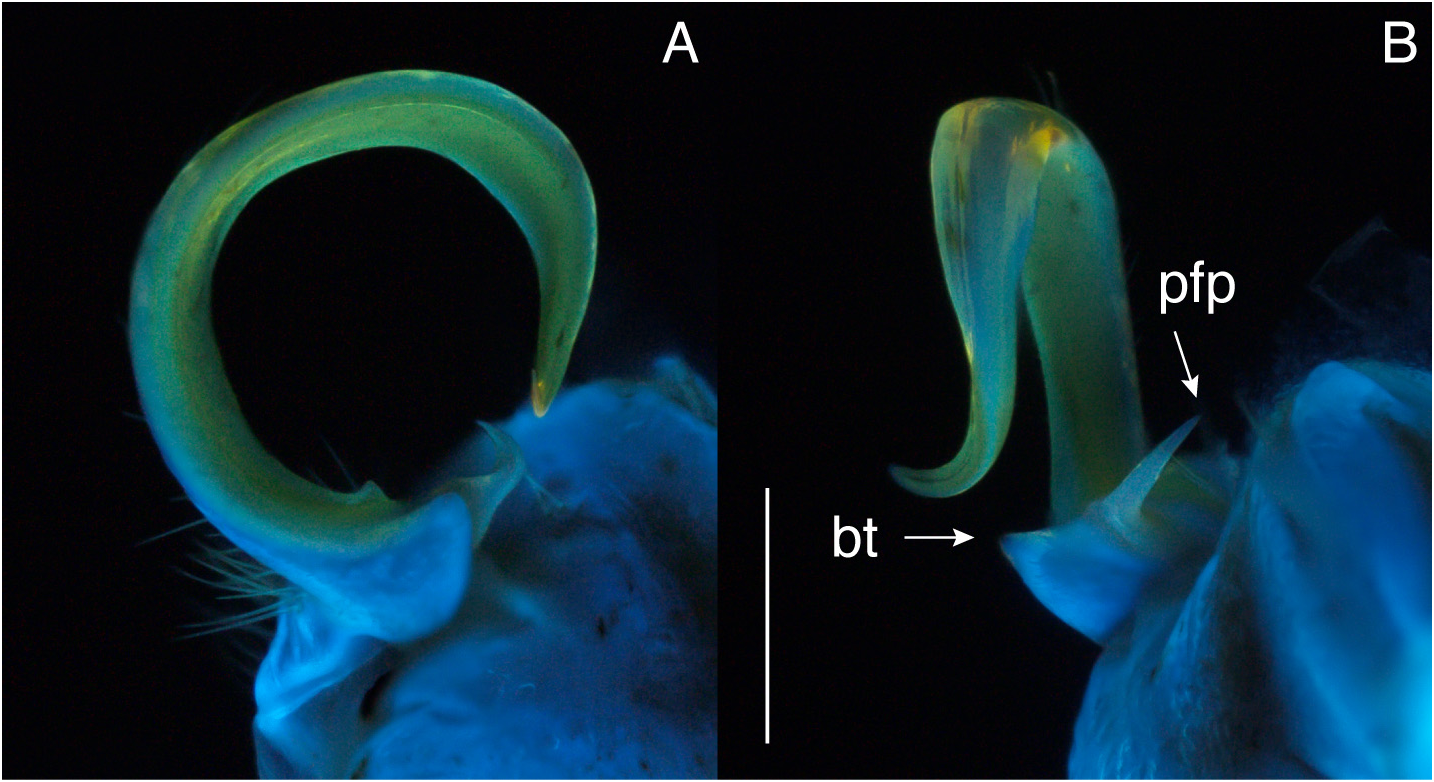
Apheloria is a genus of flat-backed millipedes in the tribe Apheloriini within the family Xystodesmidae. These millipedes are found in the central and northeastern regions of the United States, but the distribution of this genus extends as far north as southern Quebec in Canada. Like all millipedes in the tribe Apheloriini, all species of Apheloria produce cyanide, which they emit through their ozopores as a defense against predators. Species of Apheloria are also known as cherry millipedes, because the production of cyanide also generates benzaldehyde, which smells like cherries or almonds.

Spirostreptus
Spirostreptus is a genus of giant millipedes of the family Spirostreptidae. It contains the following species:
Annameris
Annameris is a genus of pill millipede of the family Glomeridae and the subfamily Haploglomerinae.
Hyperglomeris
Hyperglomeris is a genus of millipedes in the family Glomeridae.
Xystrosoma
Xystrosoma is a genus of millipede in the family Chamaesomatidae. The French zoologist Henri Ribaut first described this genus in 1927 to contain five species newly discovered in France, including the type species X. tectosagum. This genus now includes ten species.
Doderia
Doderia is a genus of pill millipedes found in Italy.
Orophe
Orophe is a genus of Xystodesmid millipede found in the Rocky Mountains of northern Idaho and western Montana.
Polyxenus
genus of myriapods

Dicellarius
Dicellarius is a genus of flat-backed millipedes in the family Xystodesmidae. There are at least 11 described species in Dicellarius.
Archispirostreptus
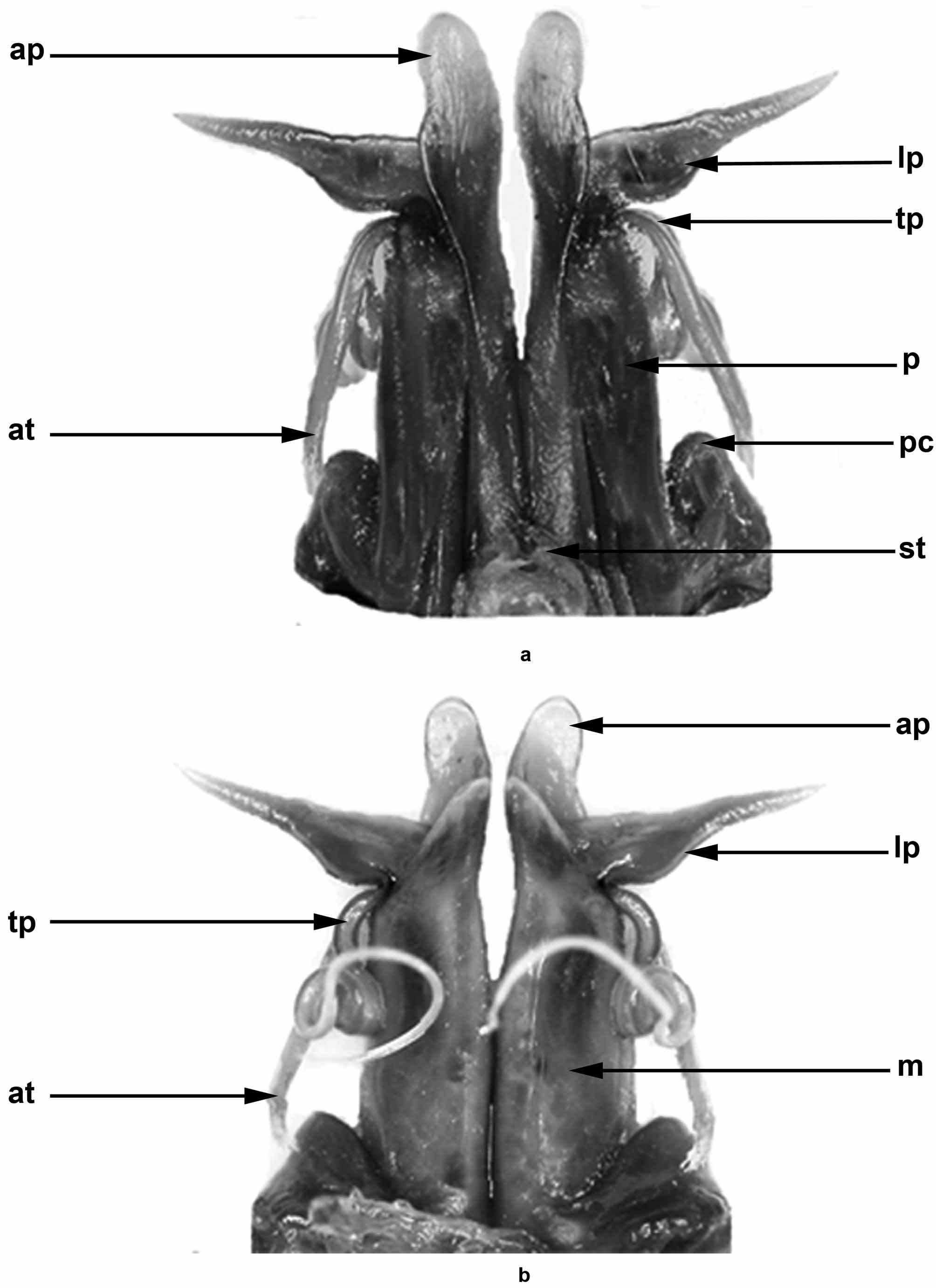
Archispirostreptus is a genus of giant African millipedes in family Spirostreptidae, containing 10 species:

Selenocheir
Selenocheir is a genus of flat-backed millipedes in the family Xystodesmidae. There are at least three described species in Selenocheir.
Macellolophus
Macellolophus is a genus of millipedes belonging to the family Xystodesmidae.
Onomeris
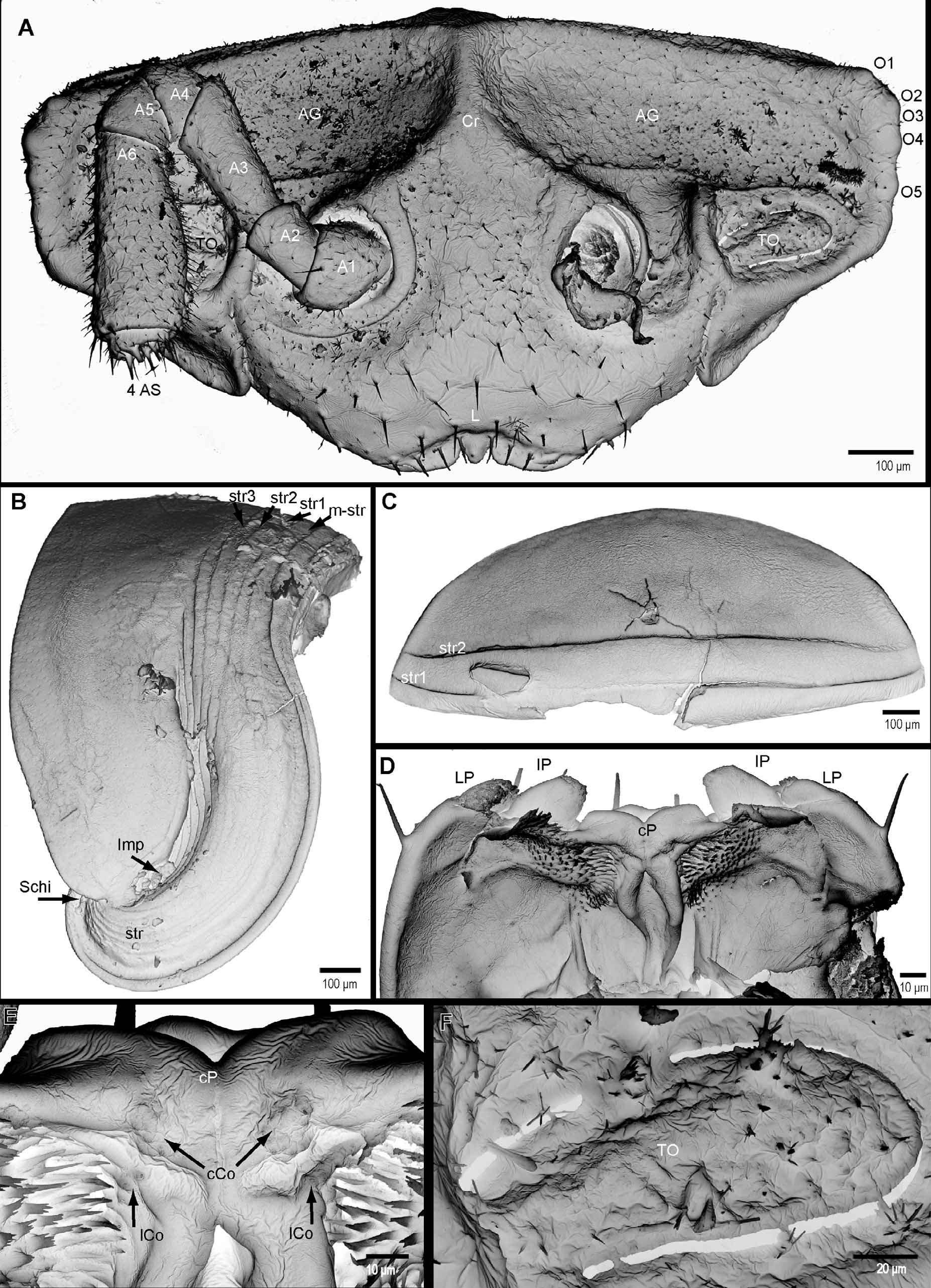
Onomeris is a genus of pill millipede found in the eastern United States. First described by Orator F. Cook in 1896, Onomeris was first posited as the type genus of a new family called Onomeridae, but this was later rejected due to similarities between Onomeris and the European genus Glomeris, another Glomeridae genus.
Sinocallipus
Sinocallipus is a genus of predominantly cave-dwelling millipedes in the order Callipodida. Five of the six known species are found in limestone caves on the Indochinese Peninsula from Vietnam to southern China, and it is the only callipodidan genus entirely confined to the tropics. Individuals range from long and possess 55 to 70 segments. Sinocallipus is the sole taxon of the callipodidan suborder Sinocallipodidea, and thought to be the most primitive and sister group to all other callipodidans.
In contrast to many other millipede groups, the gonopods (reproductive legs) of Sinocallipus show
Psammodesmus
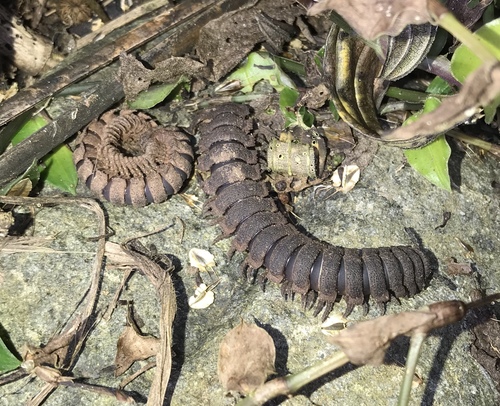
Psammodesmus is a genus of platyrhacid millipedes found from Panama to Peru. The 11 species constitute the platyrhacid subfamily Psammodesminae (formerly the tribe Psammodesmini).
Chonaphe
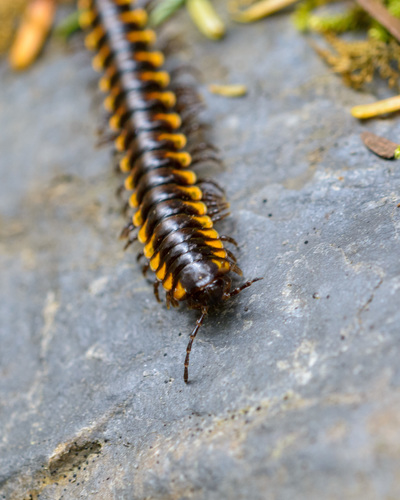
Chonaphe is a genus of millipedes belonging to the family Xystodesmidae.
Siphoniulus
Siphoniulus is a poorly known genus of millipede containing only two living species: S. alba from Indonesia, and S. neotropicus from Mexico and Guatemala. An additional two fossil species are known from Cretaceous amber. Siphoniulus species are the only members of the family Siphoniulidae and order Siphoniulida, making Siphoniulida the smallest millipede order. Few specimens are known, and their classification is contentious, although most recent studies place them as basal members of the Helminthomorpha ("worm-like millipedes").
Montaphe
Montaphe is a genus of flat-backed millipedes in the family Xystodesmidae. There are at least two described species in Montaphe.
Dorypetalum
Dorypetalum is a genus of millipedes in the family Dorypetalidae. The seven species of Dorypetalum are found throughout the Balkan peninsula, the Carpathian mountains and Asia Minor.
Nyssodesmus
Nyssodesmus is a genus of flat-backed millipedes in the family Platyrhacidae. About a dozen species have been described, all native to Central America, occurring from Nicaragua to Panama.

Stenodesmus
genus of myriapods
Caralinda
Caralinda is a North American genus of millipedes belonging to the family Xystodesmidae. Its range extends from the coastal plain of southern South Carolina southwest to the Florida panhandle, with known occurrences in South Carolina, Georgia, Florida, and Alabama. It is primarily winter-active.
Craspedosoma
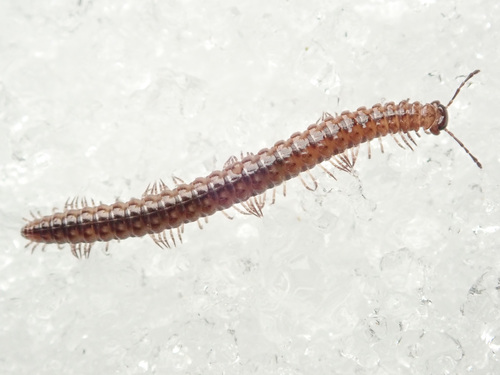
Craspedosoma is a genus of millipedes belonging to the family Craspedosomatidae.
Sigmocheir
Sigmocheir is a genus of millipede in family Xystodesmidae. The species of this genus are endemic to California where they are found in foothills of the Sierra Nevada mountains. Individuals of the genus can be found from Placer County, south to the northern portion of Tulare County.
Illacme
Illacme is a genus of millipedes in the family Siphonorhinidae.
It includes three species. Illacme plenipes was first described in 1928 from San Benito County, California, and rediscovered in 2005. In 2016, Illacme tobini was described based on a single male specimen collected in 2006 from Lange Cave, in Sequoia National Park, east of the known habitat for I. plenipes.
In 2018, Illacme socal was discovered in Whiting Ranch Wilderness Park.
Spirobolus
thumb | right | alt=Spirobolus marginatus | Spirobolus marginatus
Spirobolus is a genus of millipedes in the family Spirobolidae.
Procyliosoma
Procyliosoma is a genus of pill millipede found in Australia and New Zealand. Formerly classified in the family Sphaerotheriidae, in 2009 Procyliosoma was reclassified as the only genus in the family Procyliosomatidae.
Opisthocheiron
Opisthocheiron is a genus of millipedes in the family Opisthocheiridae. These millipedes are found in France and Spain. The French entomologist Henri Ribaut created this genus in 1913 to contain the newly discovered type species Opisthocheiron penicillatum. This genus also includes the cave-dwelling species Opisthocheiron canayerensis, notable as one of only a few species in the order Chordeumatida with only 26 segments in adults (counting the collum as the first segment and the telson as the last), four fewer segments than typically found in adults in this order.
Bicoxidens
Bicoxidens is a genus of millipedes in the family Spirostreptidae. It contains the following species:
Bicoxidens aridis
Bicoxidens brincki
Bicoxidens flavicollis
Bicoxidens friendi
Bicoxidens gokwensis
Bicoxidens grandis
Bicoxidens matopoensis
Bicoxidens nigerrimus
Bicoxidens nyathi
Proteroiulus
Proteroiulus is a genus of millipedes in the family Blaniulidae, containing the following species:
Proteroiulus broelemanni Lohmander, 1925
Proteroiulus fuscus (Am Stein, 1857)
Proteroiulus hispanus Schubart, 1959
Nepalella
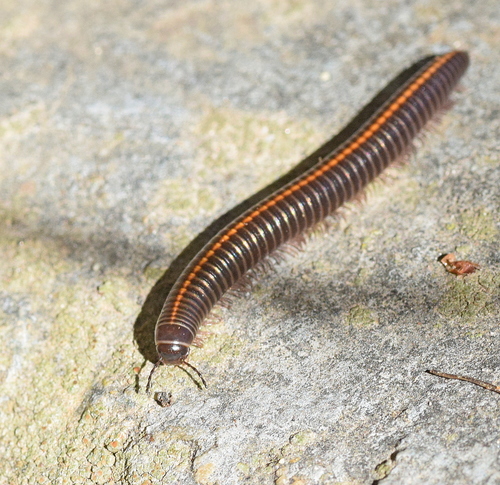
Nepalella is a genus of millipedes in the family Megalotylidae. These millipedes are found in China, Nepal, Thailand, Myanmar, and Vietnam. With 34 described species, this genus is among the millipede genera with the greatest number of species in the Oriental realm. This genus is also notable for featuring some of the largest species in the order Chordeumatida, including one species reaching 42 mm in length.
Megaphyllum
genus of myriapods
Heptium
Heptium is a genus of crested millipedes in the family Schizopetalidae. There are at least two described species in Heptium.
Telodeinopus
Telodeinopus is a genus of giant African millipedes in family Spirostreptidae, containing the following species:
Telodeinopus aoutii (Demange, 1971)
Telodeinopus assiniensis (Attems, 1914)
Telodeinopus bibundinus (Attems, 1914)
Telodeinopus canaliculatus (Porat, 1894) (was Telodeinopus eidmanni,Verhoeff, 1941)
Telodeinopus chapini (Chamberlin, 1927)
Telodeinopus exilis (Attems, 1934)
Telodeinopus lanceolatus (Demange, 1965)
Telodeinopus sicarius (Attems, 1935)
Telodeinopus sulcatus (Voges, 1878)
Telodeinopus variabilis (Cook & Collins, 1893)
Telodeinopus villiersi (Demange, 1971)
Adenomeris
Adenomeris is a genus of pill millipede of the family Glomeridae and the subfamily Doderiinae.
Loboglomeris
Loboglomeris is a genus of pill millipede found in northeastern Spain.
Trachyjulus
Trachyjulus is a genus of millipedes in the family Cambalopsidae.
Brasilostreptus
Brasilostreptus is a genus of millipedes in the family Spirostreptidae. It contains a single species, Brasilostreptus gracilis.

Phryssonotus
Phryssonotus is a genus of bristle millipedes containing around nine extant species. Species are characterized by the possession of dark, rear-projecting scale-shaped bristles (trichomes) on the tergites; all other bristles are long and hairlike. Adults in this genus have 17 pairs of legs, except for the species Phryssonotus brevicapensis, in which they have only 15 pairs of legs.
Arthrosphaera
Arthrosphaera is a genus of pill millipedes in the family Arthrosphaeridae, found in Africa, Madagascar, the Western Ghats of India, and Sri Lanka.

Crossosoma
genus of myriapods
Haploglomeris
Haploglomeris is a genus of pill millipede found in central Europe and the western Balkans. Currently, the genus contains only one known species, Haploglomeris multistriata.
Anbarrhacus
Anbarrhacus is an extinct genus of millipede in the family Platyrhacidae known from a fossil found in North America. There is one described species in the genus, Anbarrhacus adamantis, which is one of three millipedes described from Mexican amber.

Autostreptus
Autostreptus is a genus of millipedes in the family Spirostreptidae. It contains the following species:
Autostreptus chilensis
Autostreptus yanezi
Bergamosoma
Bergamosoma is a genus of millipedes belonging to the family Craspedosomatidae.
Calathostreptus
Calathostreptus is a genus of millipedes belonging to the family Spirostreptidae. It contains the following species:
Calathostreptus fluminensis
Calathostreptus fulvus
Anethoporus
Anethoporus is a genus of spirostreptid millipedes native to northern South America, where they range from Peru to the islands of Trinidad and Tobago. The genus and type species, A. clarki, was established by Ralph V. Chamberlin in 1918.