Category
page 1Monotypic Alismatales genera

Scheuchzeria palustris
Scheuchzeria palustris (Rannoch-rush, or pod grass), is a flowering plant in the family Scheuchzeriaceae, in which there is only one species and Scheuchzeria is the only genus. In the APG II system it is placed in the order Alismatales of the monocots.

Luronium natans
Luronium natans is a species of aquatic plant commonly known as the floating water-plantain. It is the only recognized species in the genus Luronium, native to western and central Europe, from Spain to Britain to Norway east to Ukraine.

Hydrilla
Hydrilla (waterthyme) is a genus of aquatic plants, usually treated as containing just one species — Hydrilla verticillata, but some botanists divide it into several species. It is native to the cool and warm waters of the Old World in Asia, Africa, and Australia, with a sparse, scattered distribution; in Australia it occurs from the Northern Territory to Queensland and New South Wales.

Stratiotes
Stratiotes is a genus of submerged aquatic plant commonly known as water soldiers, described as a genus by Linnaeus in 1753. Several specific names have been coined within the genus, but at present only one is recognized: Stratiotes aloides. native to Europe and NW Asia.
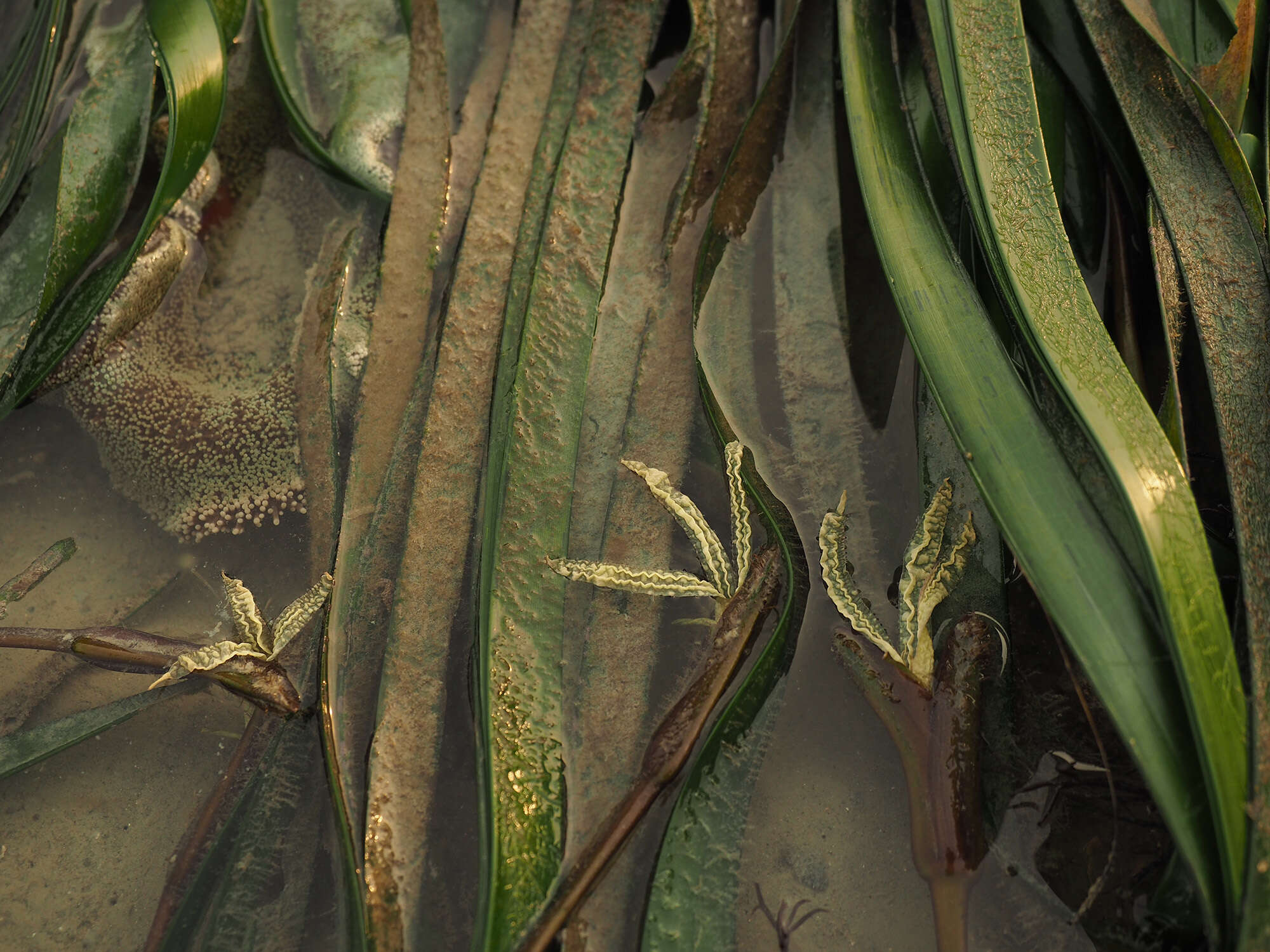
Enhalus acoroides
Enhalus is a monotypic genus of marine flowering plants. The sole species is Enhalus acoroides. Enhalus is a large seagrass native to coastal waters of the tropical Indian and Western Pacific Oceans. It is the only species of seagrass that does aerial surface pollination in which the pollen and the styles remain dry. Enhalus is surface pollinated with male flowers that detach from the plant to float on the surface until they reach a female flower where pollination can occur. Enhalus acoroides is considered a slow-growing, "climax" species.

Nechamandra alternifolia
Nechamandra is a monotypic genus of an aquatic plant family Hydrocharitaceae. The sole species is Nechamandra alternifolia. It is found in slow moving fresh water.
Groenlandia
Groenlandia is a monotypic genus of aquatic plants (pondweed) of the family Potamogetonaceae. The only species in the genus is Groenlandia densa. Opposite-leaved pondweed is a common name for this plant. It is native to much of Europe, western Asia and Maghreb in Africa; despite its name it is not found in Greenland.
Maundia
Maundia is a genus of alismatid monocots, described in 1858. Maundia was formerly included in the family Juncaginaceae but is now considered to form a family of its own under the name Maundiaceae. It contains only one known species, Maundia triglochinoides, endemic to Australia (States of Queensland and New South Wales).
Butomopsis
Butomopsis is a genus of plants in the family Alismataceae. It contains only one species, Butomopsis latifolia. native to tropical Africa (from Senegal to Sudan to Mozambique), South Asia (India, Nepal, Bhutan, Bangladesh), Southeast Asia (Java, Burma, Laos, Thailand, Vietnam, Yunnan) and northern Australia (Queensland and Northern Territory).
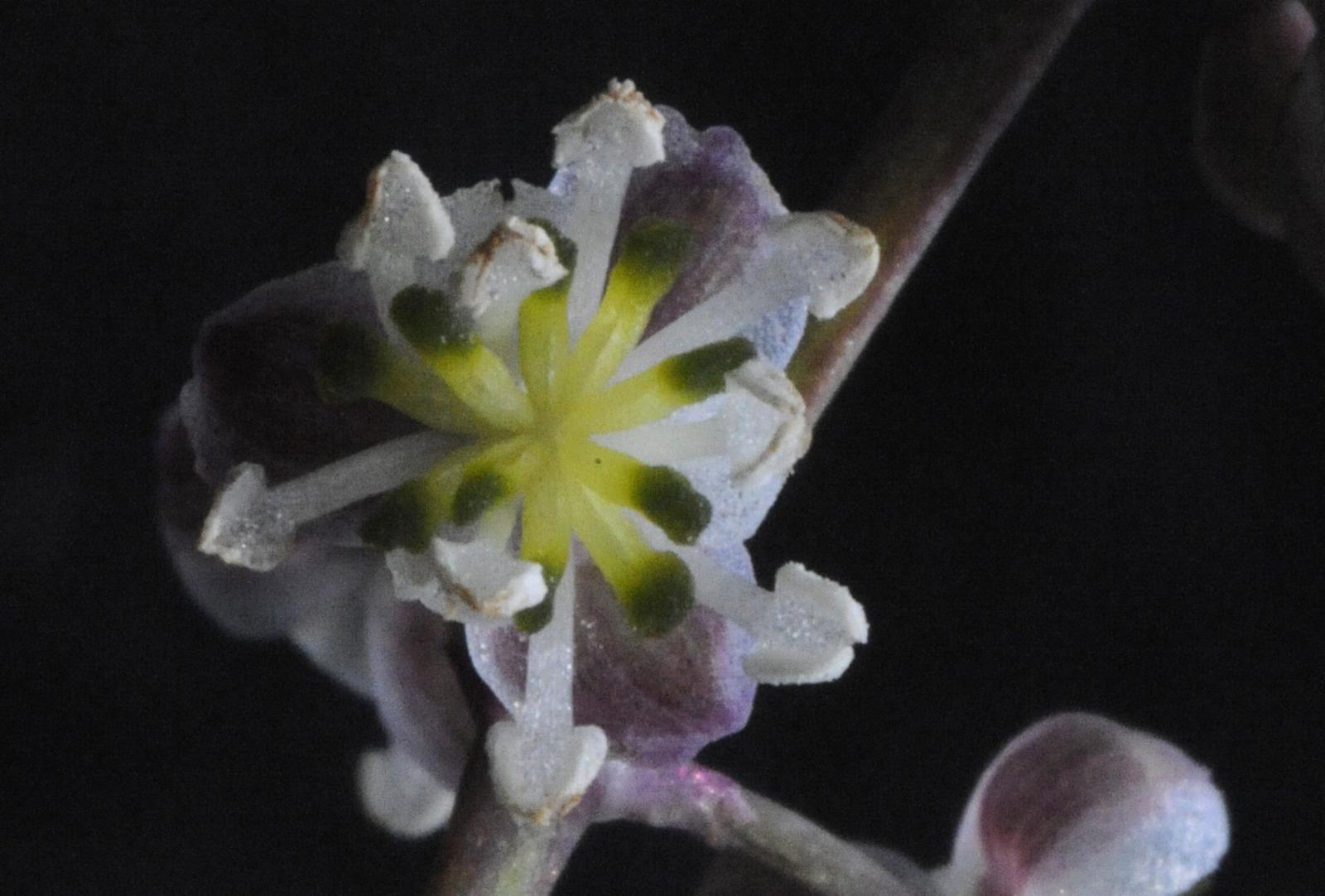
Burnatia
Burnatia is a genus in the family Alismataceae. It includes only one currently recognized species, Burnatia enneandra. It is native to tropical and southern Africa from Senegal to Tanzania to South Africa. Among genera of the Alismataceae, it can be distinguished by not having a differentiated perianth (in Burnatia the petals are reduced), and being dioecious, with male and female flowers on separate individuals. Male flowers have 6 to 9 stamens and female flowers have many carpels and up to 2 staminodia.

Pleea
Pleea is a small genus of flowering plants described as a genus in 1803. There is only one known species, Pleea tenuifolia, the rush featherling, native to the southeastern United States (Florida, Alabama, North Carolina, and South Carolina).
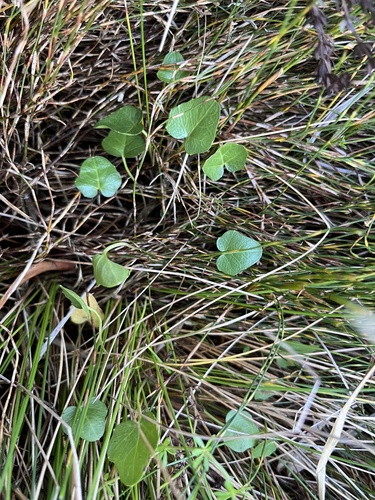
Astonia
Astonia is a monotypic genus in the Alismataceae family, containing the sole species Astonia australiensis found in Queensland, Australia. It is sometimes included in the genus Limnophyton and was named in honour of Australian botanist Helen Aston.
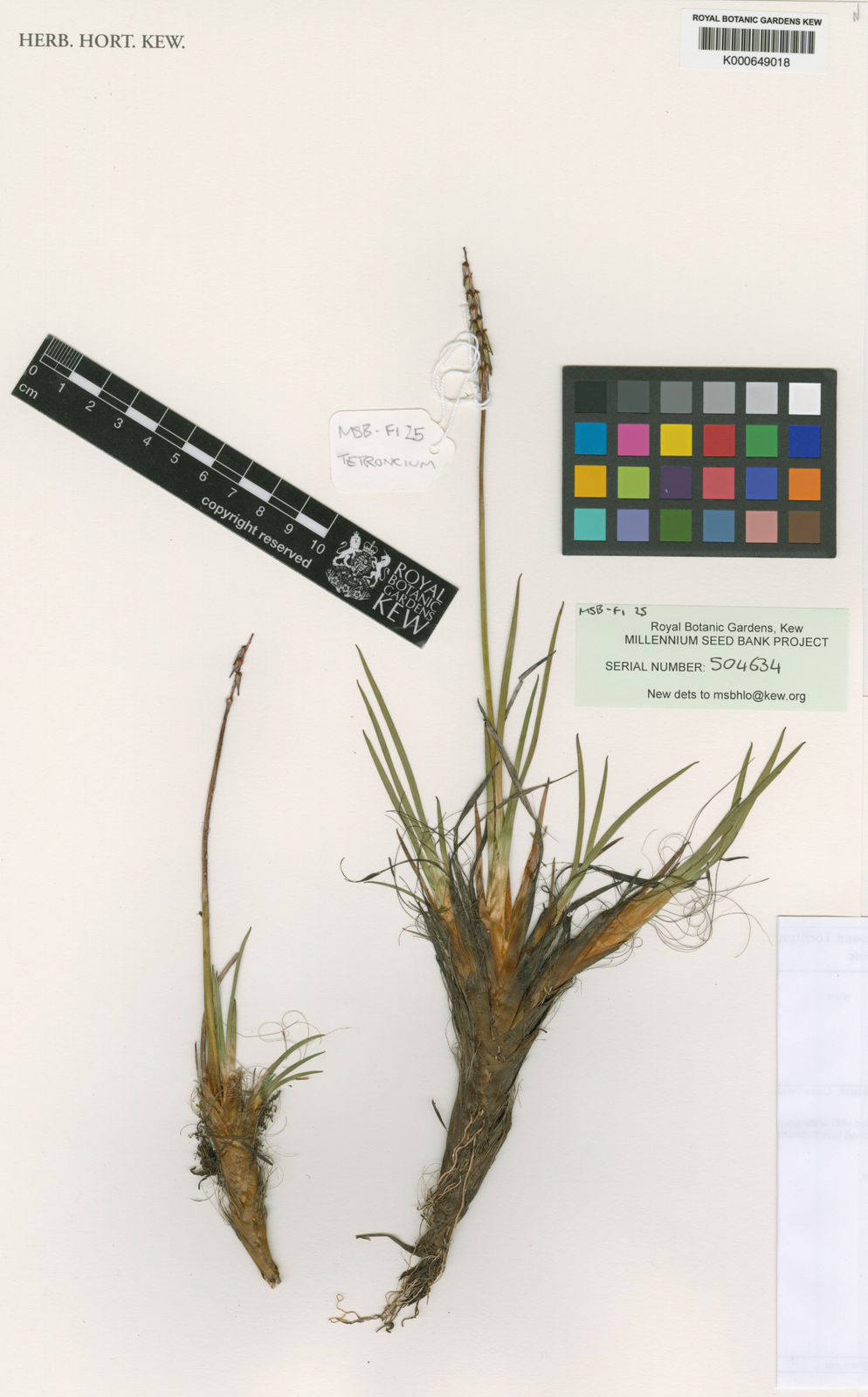
Tetroncium
Tetroncium is a genus of plants in the Juncaginaceae described as a genus in 1808. It contains only one known species, Tetroncium magellanicum, known from a few sub-Antarctic islands: Tierra Del Fuego (Chile and Argentina), Falkland Islands, and Gough Island. The plant got the name magellanicum because the original description was describing the sample found near the Strait of Magellan.