Category
page 1Monotypic Rosaceae genera

Hagenia abyssinica
Hagenia is a monotypic genus of flowering plant with the sole species Hagenia abyssinica, native to the high-elevation Afromontane regions of central and eastern Africa. It also has a disjunct distribution in the high mountains of East Africa from Sudan and Ethiopia in the north, through Kenya, Uganda, Rwanda, Burundi, Democratic Republic of Congo, and Tanzania, to Malawi and Zambia in the south. A member of the rose family, its closest relative is the Afromontane genus Leucosidea.

Exochorda
Exochorda is a small genus of flowering plants in the family Rosaceae, native to China and central Asia (Turkestan). They are used as ornamental plants with the common name pearl bush, or pearlbush. Numerous species have been described on the basis of differing appearance and geographical separation, but a systematic study revealed that the different types are closely related and probably all descended from a single species that formerly had a wide distribution that has been fragmented by habitat loss. As a single species the correct name is E. racemosa.

Coleogyne ramosissima
Coleogyne ramosissima or blackbrush, is a low lying, dark grayish-green, aromatic, spiny, perennial, soft wooded shrub, native to the deserts of the southwestern United States. It is called blackbrush because the gray branches darken when wet by rains. It is in the rose family (Rosaceae) and is monotypic (the only species in its genus).

Heteromeles arbutifolia
Heteromeles arbutifolia (, more commonly by Californian botanists), commonly known as toyon, is a perennial shrub native to Coastal California. It is the sole species in the genus Heteromeles.
Sarcopoterium
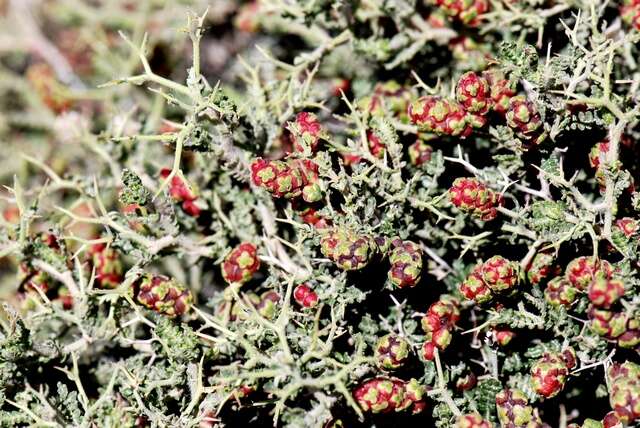
Sarcopoterium is a genus of flowering plants in the rose family. The genus is sometimes considered synonymous to Poterium. The sole species within this genus, Sarcopoterium spinosum, is common to the southeast Mediterranean region and the Middle East. In English it is known as the prickly, spiny, or thorny burnet It is a perennial bush with small flowers in inflorescence. Sarcopoterium spinosum flowers in February to April and its fruits mature in autumn, then fall to earth to germinate with the rain water.

Fallugia
Fallugia is a monotypic genus of flowering plants containing the single species Fallugia paradoxa, which is known by the common names Apache plume and póñil. This plant is native to the southwestern United States and northern Mexico, where it is found in arid habitats such as desert woodlands and scrub.

Spenceria
Spenceria ramalana is the lone species in the plant genus Spenceria, known by two varieties. S. ramalana grows from 18–32 cm. tall, and puts out yellow flowers from July through August; bearing fruit (yellowish-brown achenes) from September to October. The Chinese name, ma ti huang [马蹄黄], can be translated to mean "yellow horseshoe".
Dichotomanthes
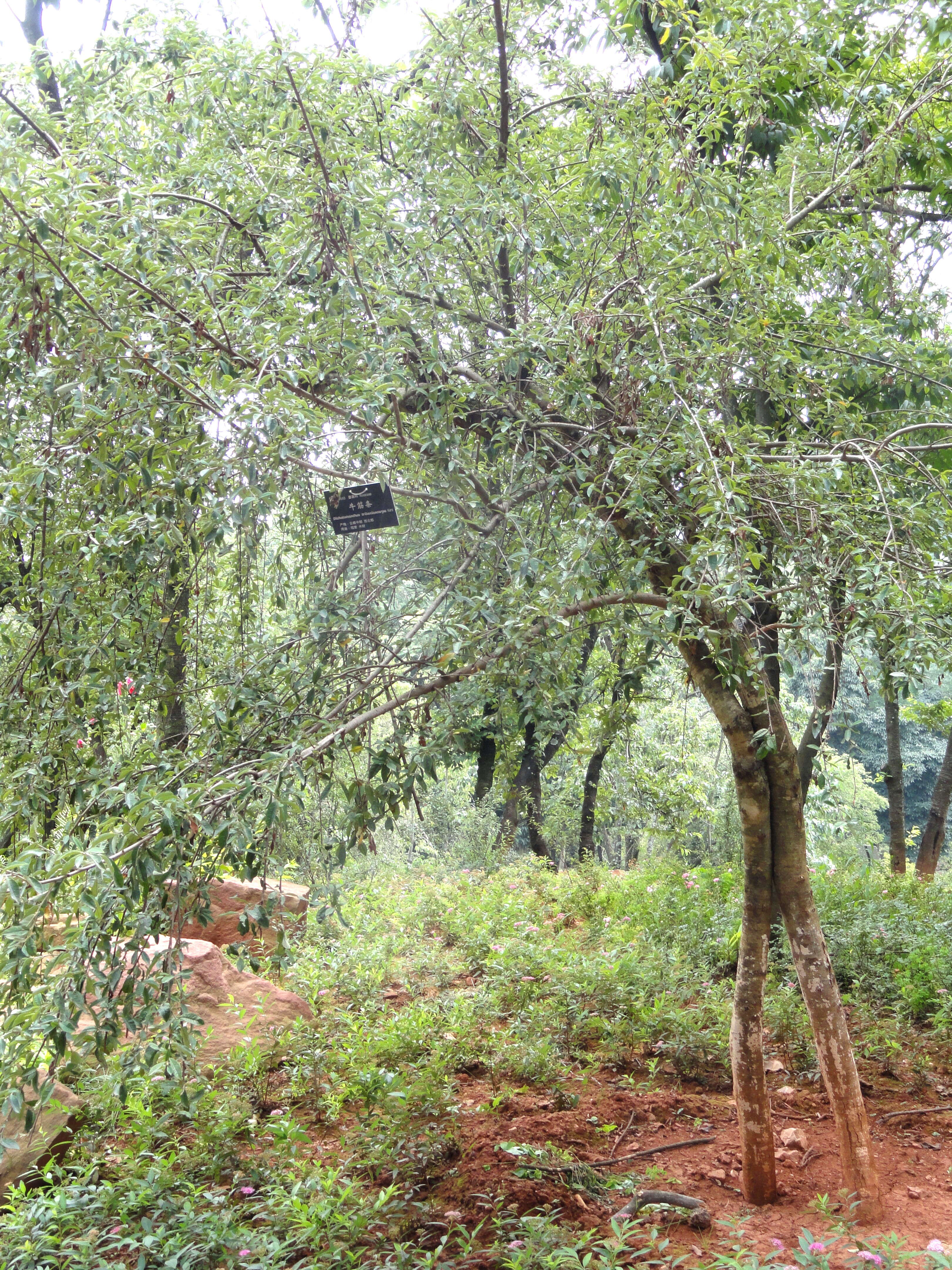
Dichotomanthes is a monotypic genus of flowering plants belonging to the family Rosaceae. The sole species is Dichotomanthes tristaniaecarpa. The flower is perigynous (sepals, petals and stamens around the edge of the ovary) the ovary is superior. The fruit of the plant is a dry achene.

Rhodotypos
Rhodotypos scandens, the sole species of the genus Rhodotypos, is a deciduous shrub in the family Rosaceae, closely related to Kerria and included in that genus by some botanists. It is native to China, Korea, possibly also Japan.
Peraphyllum
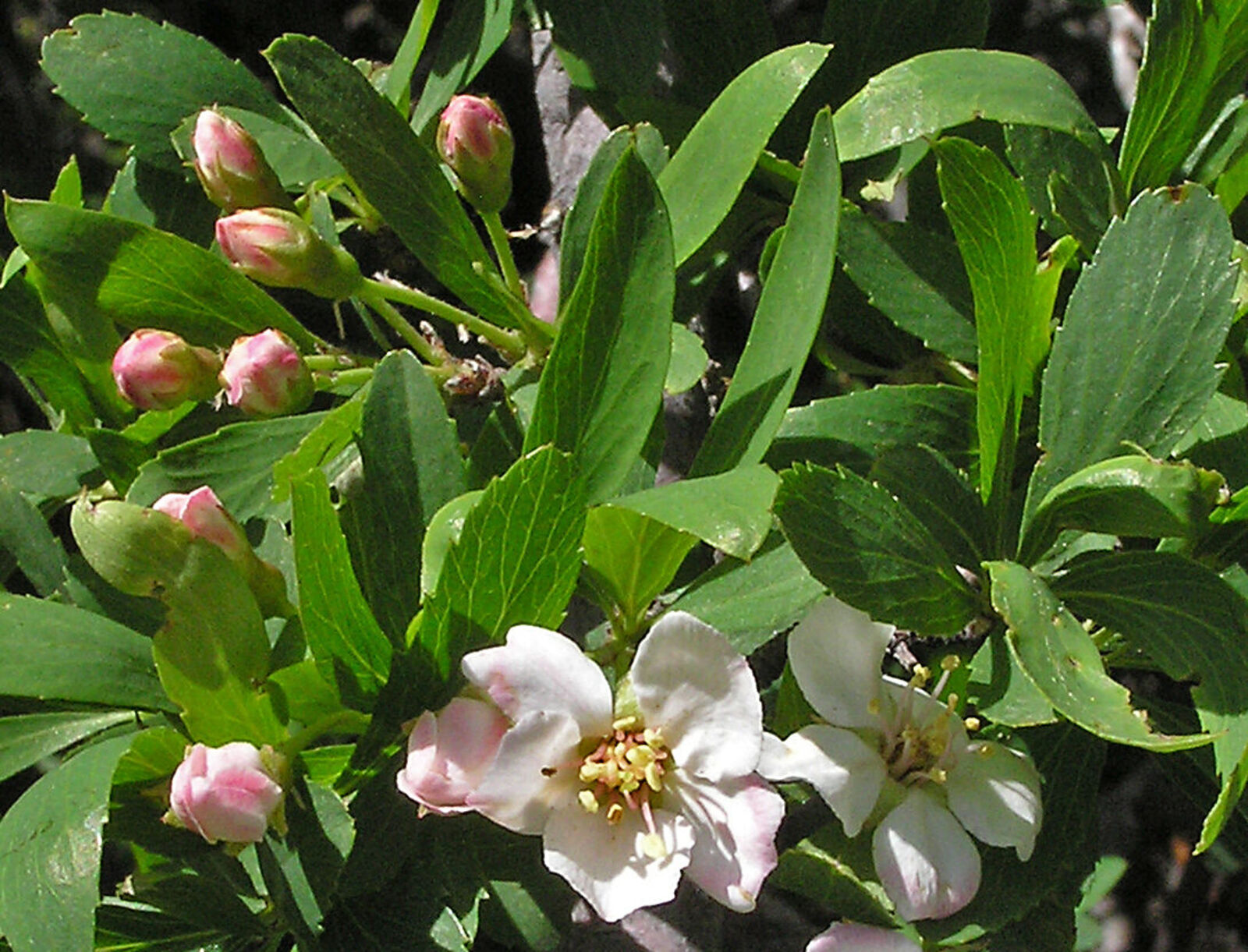
Peraphyllum is a monotypic genus of flowering plants in the rose family, containing the single species Peraphyllum ramosissimum, commonly known as wild crab apple.
Lyonothamnus
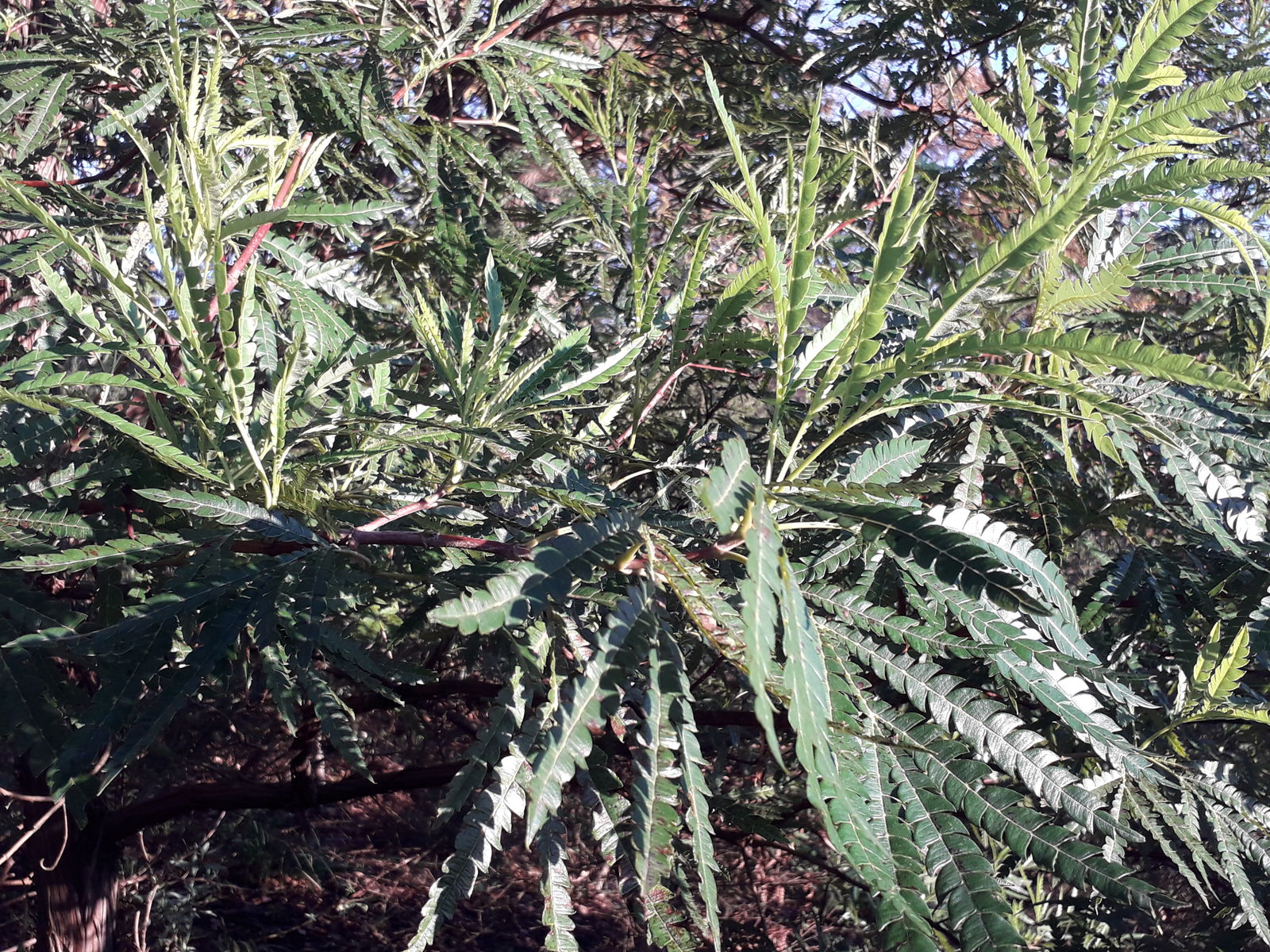
Lyonothamnus is a monotypic genus of trees in the rose family containing the single living species Lyonothamnus floribundus, which is known by the common name Channel Island ironwood, and the subspecies L. f. ssp. aspleniifolius and L. f. ssp. floribundus.
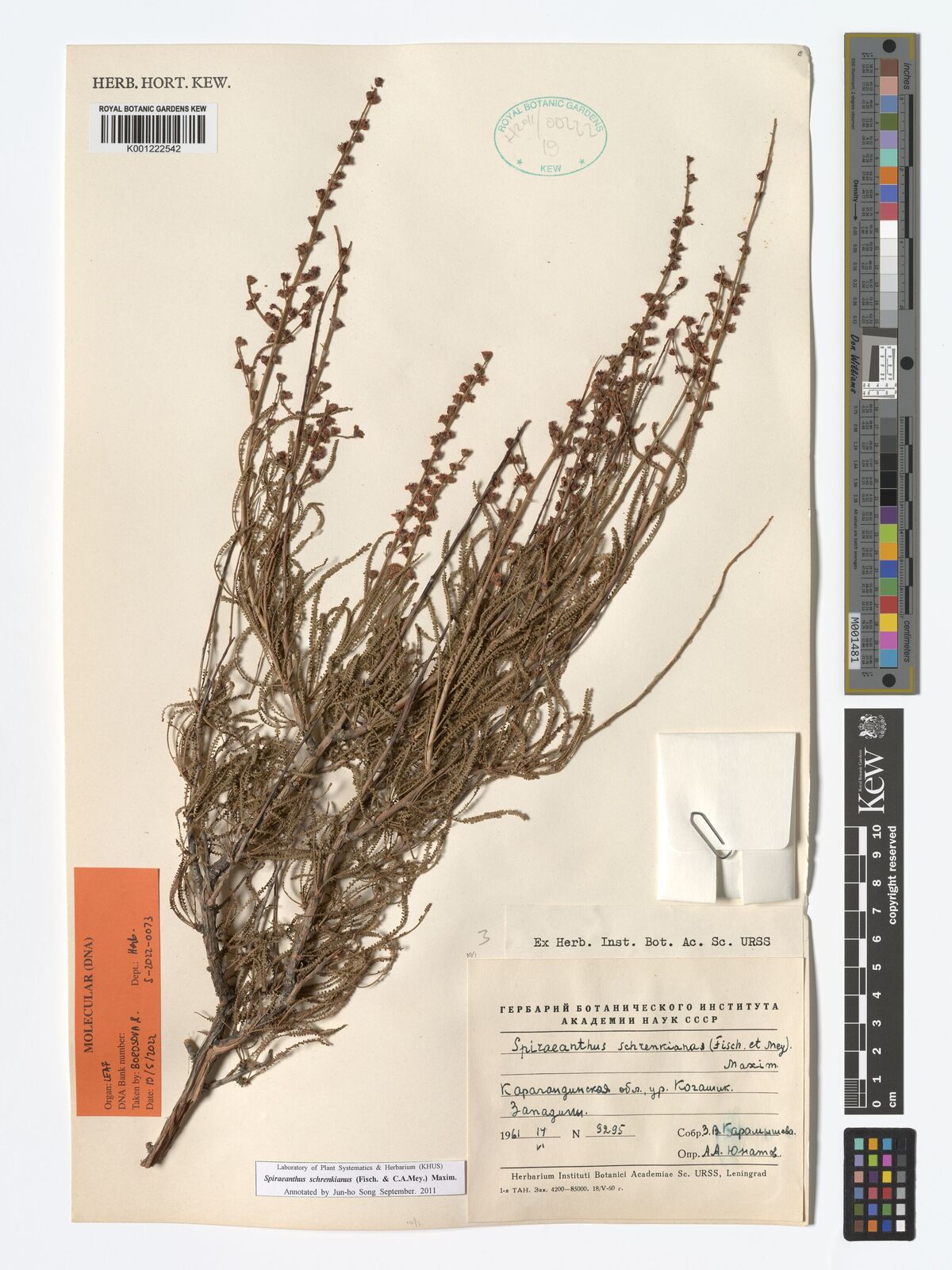
Spiraeanthus
Spiraeanthus is a monotypic genus of shrub in the rose family containing the single species Spiraeanthus schrenkianus. It is native to Kazakhstan and possibly Kyrgyzstan. It is a resident of low parts of Karatau Mountains and gravely Betpak-Dala deserts.
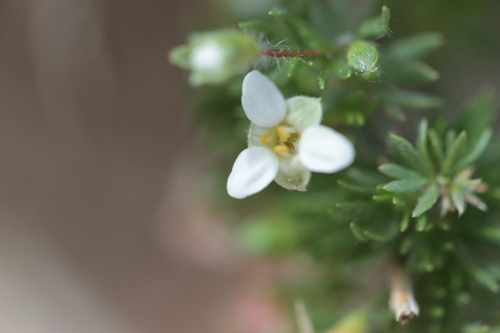
Potaninia mongolica
species of plant

Aremonia
Aremonia agrimonoides, commonly known as bastard-agrimony, is a herbaceous flowering plant in the rose family, Rosaceae. The native range of this species is central and southeastern Europe to Türkiye. It is the sole species in genus Aremonia.
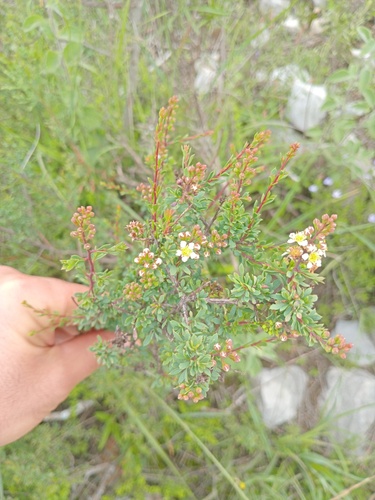
Xerospiraea
Xerospiraea hartwegiana is a species of flowering plant belonging to the family Rosaceae. It is endemic to Mexico. It is the sole species in genus Xerospiraea.
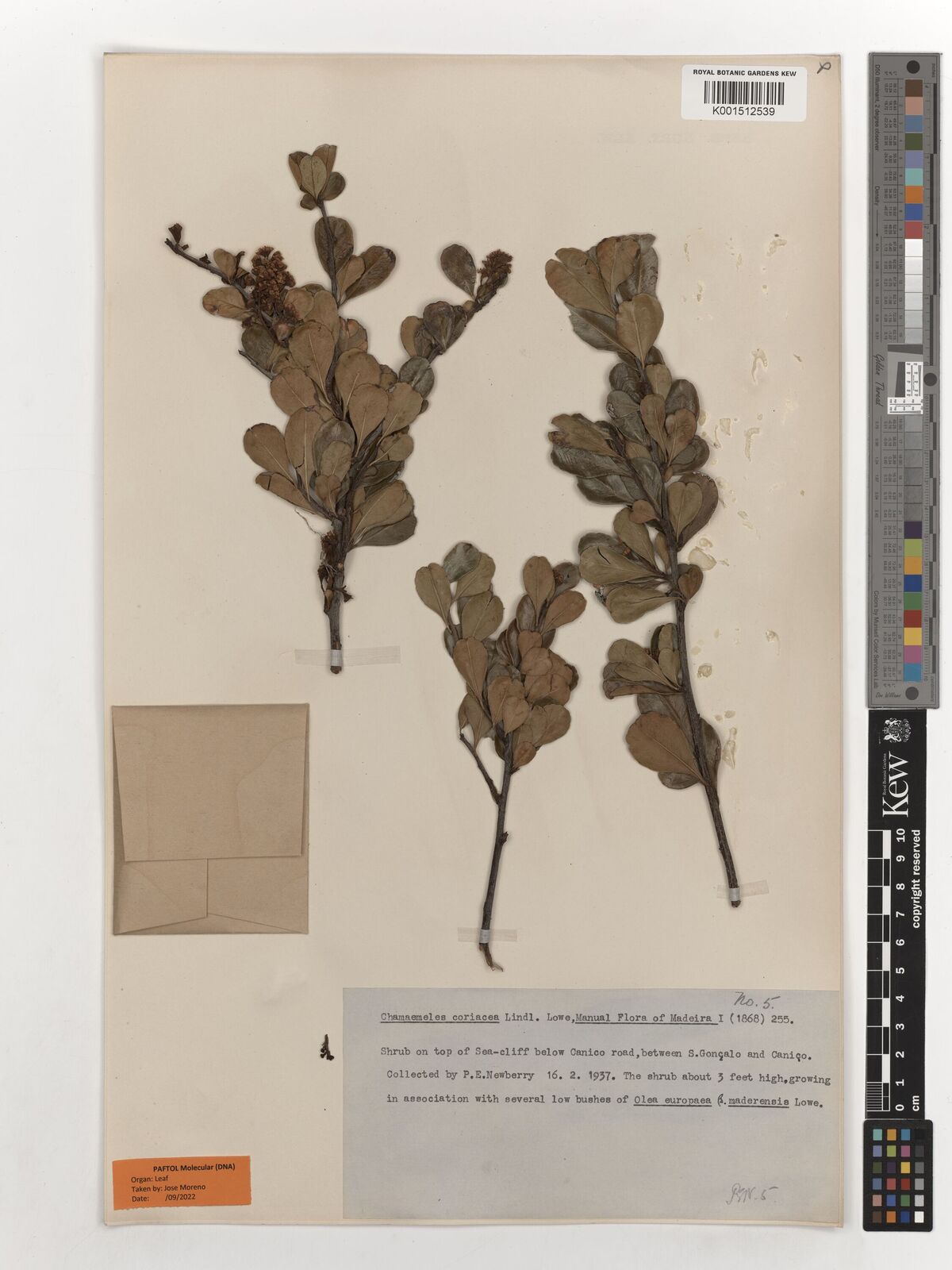
Chamaemeles
Chamaemeles is a monotypic genus of flowering plants in the family Rosaceae. Its only species, Chamaemeles coriacea, is endemic to Madeira.
Luetkea
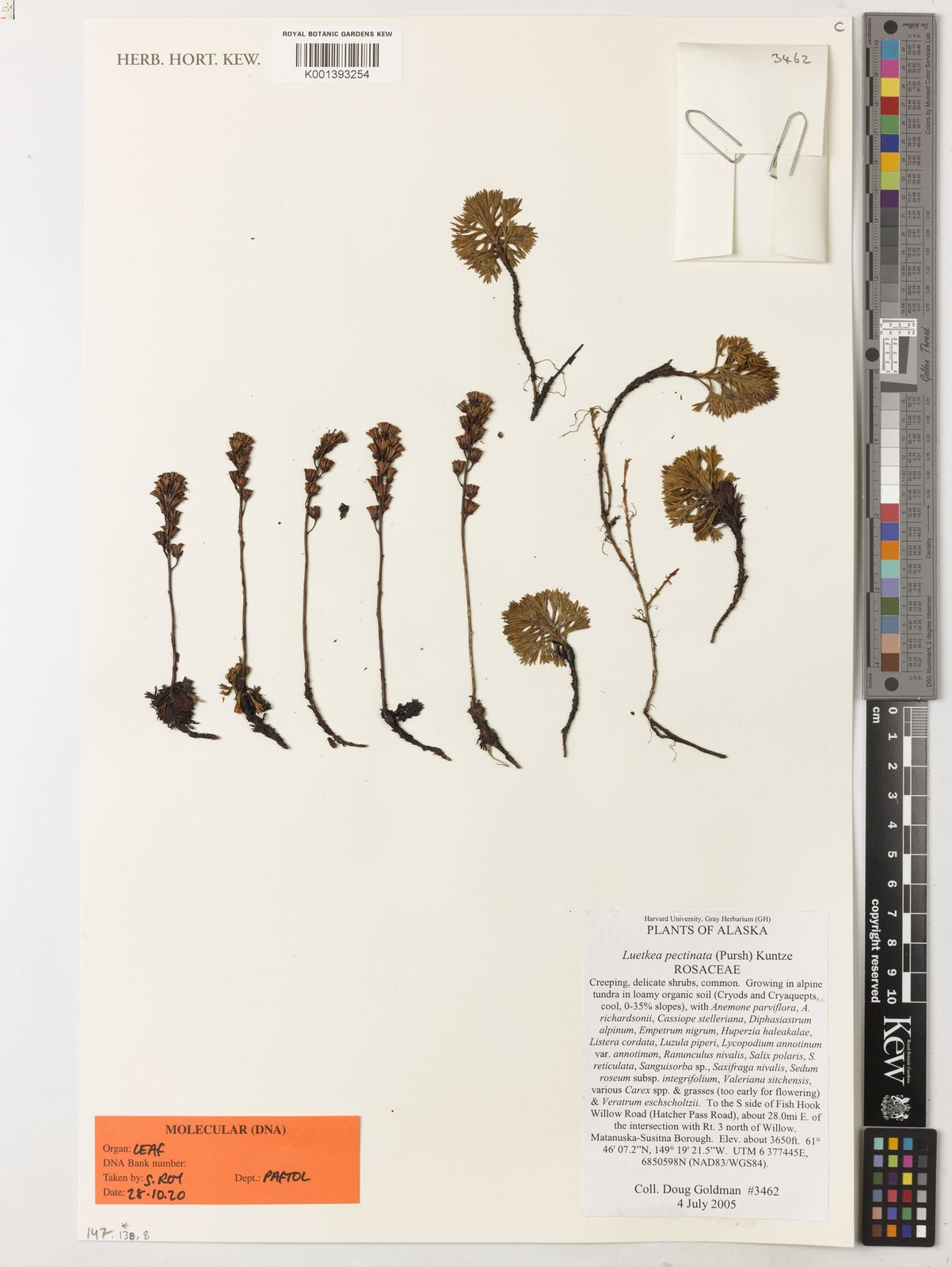
Luetkea is a genus of herbaceous plants in the family Rosaceae. One species is accepted. Luetkea pectinata (partridgefoot or luetkea) is a mat-forming semi-shrub. It is endemic to the cold portions of western North America occurring in subarctic Alaska, Yukon, western Northwest Territories, and subalpine to alpine regions of British Columbia, southwestern Alberta, Washington, Oregon, Idaho, northern California and western Montana.
Lindleya
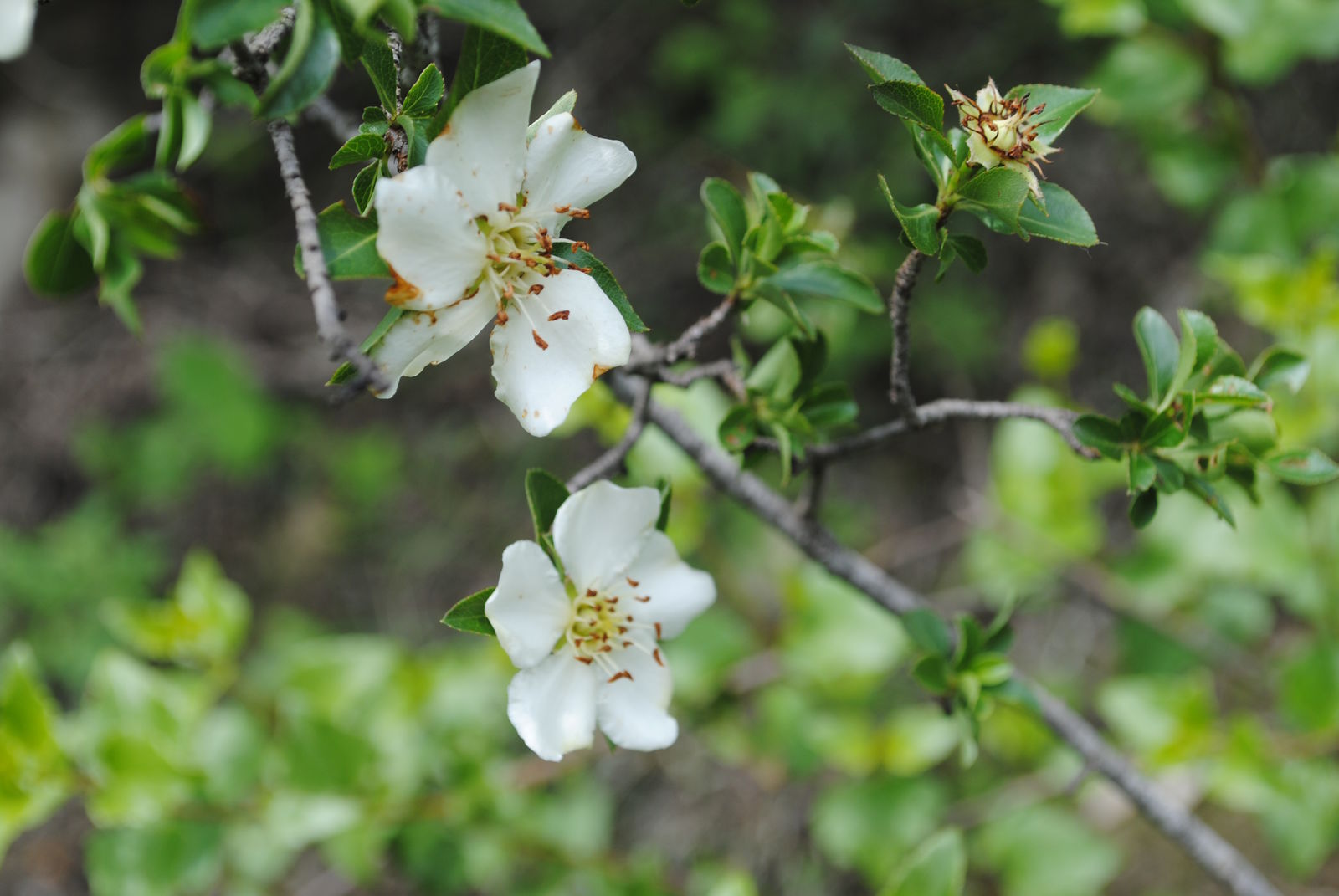
Lindleya is a genus of Mexican evergreen trees of the family Rosaceae, tribe Maleae. The sole species, Lindleya mespiloides, grows to a height of and bears solitary white fragrant flowers in summer. The fruit are dry dehiscent capsules.
Kelseya
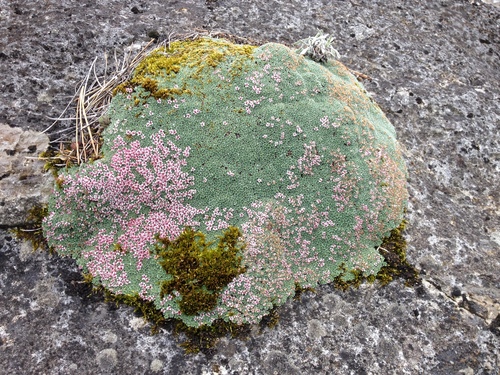
Kelseya is a monotypic genus of flowering plants belonging to the family Rosaceae. The only species is Kelseya uniflora. It is commonly called the oneflower kelseya, spiraea or alpine laurel. The genus was named in honor of Francis Duncan Kelsey, a Montana resident botanist, who discovered the plant in 1888 at the "Gate of the Mountains" near Townsend.

×Amelasorbus
genus of plants
Torminalis
Torminalis is a genus of plants in the rose family, Rosaceae. The genus was formerly included within the genus Sorbus as the section Torminaria, but the simple-leafed species traditionally classified in Sorbus are now considered to form a separate monophyletic group. It is monotypic, being represented by the single species Torminalis glaberrima, commonly known as wild service tree, chequers, and checker tree. This tree is native to Europe, parts of northern Africa and western Asia.

Pentactina
Pentactina is an oligotypic genus of flowering plants in the family Rosaceae, first described by the Japanese botanist Takenoshin Nakai in 1917. The genus occurs in restricted areas of North Korea and the Russian Far East.
Chamaebatiaria
Chamaebatiaria is a monotypic genus of aromatic shrub in the rose family containing the single species Chamaebatiaria millefolium, which is known by the common names fern bush and desert sweet. Its genus name comes from its physical resemblance to the mountain miseries of genus Chamaebatia, which are not closely related. This is a hairy, sticky plant covered in fernlike foliage made up of fronds of small leaflets. At the ends of the erect branches of this spreading bush are inflorescences of white roselike flowers. This shrub is a resident of scrub, woodland, and forests in western North Ameri
Leucosidea
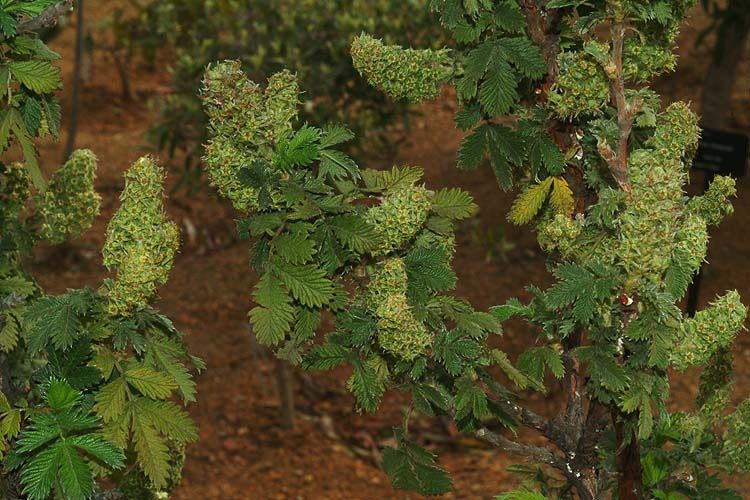
Leucosidea sericea, commonly known as oldwood, is an evergreen tree or large shrub that grows in the highland regions of southern Africa. It is the sole species in the monotypic genus Leucosidea. The name oldwood may reflect the fact that the wood burns slowly, as if old and rotting; the gnarled, twisted trunks reinforce this impression.
Chamaecallis
Chamaecallis perpusilloides is a species of flowering plant belonging to the rose family, Rosaceae. It is a perennial that ranges from the Himalaya to south-central China. It is the sole species in genus Chamaecallis perpusilloides.
Brachycaulos simplicifolius
Brachycaulos simplicifolius is a species of flowering plant in the rose family, Rosaceae. It is endemic to the Himalayas. The genus and species were first formally named in 1981 by B.K. Dikshit and Gopinath Panigrahi. It is the only species in the genus Brachycaulos.
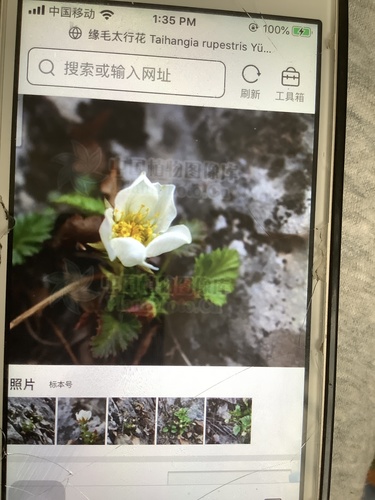
Taihangia
Taihangia is a genus of flowering plants in the family Rosaceae. It includes a single species, Taihangia rupestris, a perennial native to Hebei and northern Henan provinces in central China.