Category
page 1Moss genera

Sphagnum
Sphagnum is a genus of approximately 380 accepted species of mosses, commonly known as sphagnum moss, also bog moss and quacker moss (although that term is also sometimes used for peat). Accumulations of Sphagnum can store water, since both living and dead plants can hold large quantities of water inside their cells; plants may hold 16 to 26 times as much water as their dry weight, depending on the species. The empty cells help retain water in drier conditions.

Polytrichum
Polytrichum is a genus of mosses — commonly called haircap moss or hair moss — which contains approximately 70 species that have a cosmopolitan distribution.
The genus Polytrichum has a number of closely related sporophytic characters. The scientific name is derived from the Ancient Greek words polys, meaning "many", and thrix, meaning "hair". This name was used in ancient times to refer to plants with fine, hairlike parts, including mosses, but this application specifically refers to the hairy calyptras found on young sporophytes. A similar naming related to hair appears in Old Norse, haddr s

Takakia
Takakia is a genus of two species of mosses known from western North America and central and eastern Asia. The genus is placed as a separate family, order and class among the mosses.

Buxbaumia
Buxbaumia (bug moss, bug-on-a-stick, humpbacked elves, or elf-cap moss) is a genus of twelve species of moss (Bryophyta). It was first named in 1742 by Albrecht von Haller and later brought into modern botanical nomenclature in 1801 by Johann Hedwig to commemorate Johann Christian Buxbaum, a German physician and botanist who discovered the moss in 1712 at the mouth of the Volga River. The moss is microscopic for most of its existence, and plants are noticeable only after they begin to produce their reproductive structures. The asymmetrical spore capsule has a distinctive shape and structure, s
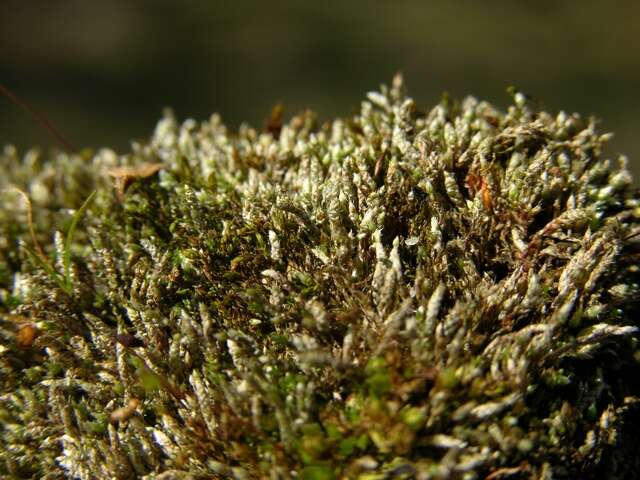
Bryum
Bryum is a genus of mosses in the family Bryaceae. It was considered the largest genus of mosses, in terms of the number of species (over 1000), until it was split into three separate genera in a 2005 publication. As of 2013, the classification of both Bryum and the family Bryaceae to which it belongs underwent significant changes based on DNA studies.
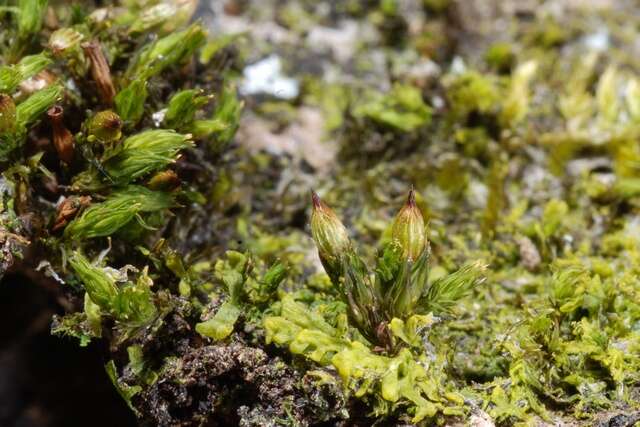
Orthotrichum
Orthotrichum is a genus of moss in the family Orthotrichaceae. It is distributed throughout the world.

Fissidens
Fissidens is the only genus of haplolepideous mosses (Dicranidae) in the family Fissidentaceae. It contains over 480 species.

Andreaea
thumb|200px|Morphology of Andreaea rupestris

Hypnum
Hypnum is a genus of mosses belonging to the family Hypnaceae.

Funaria
Funaria is a genus of approximately 210 species of moss. Funaria hygrometrica is the most common species. Funaria hygrometrica is called “cord moss” because of the twisted seta which is very hygroscopic and untwists when moist. The name is derived from the Latin word “funis”, meaning "a rope". In funaria root like structures called rhizoids are present.

Amblystegium
Amblystegium is a genus of moss belonging to the family Amblystegiaceae. The genus was described in 1853 by Wilhelm Philippe Schimper. The genus has cosmopolitan distribution.
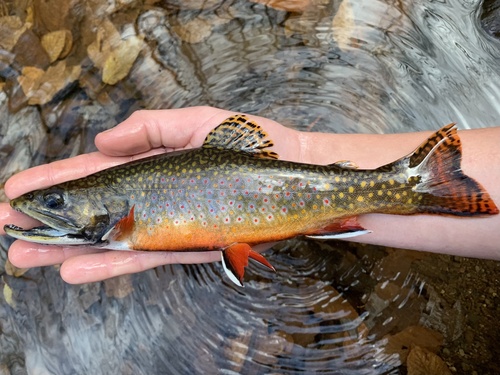
Fontinalis
Fontinalis is a genus of submerged aquatic mosses belonging to the subclass Bryidae. These mosses are also called willow moss, fountain moss, brook moss and water moss. The genus is widespread in the Northern Hemisphere and includes both species that occur in still water and in flowing water.

Timmia
Timmia is a genus of moss. It is the only genus in the family Timmiaceae and order Timmiales. The genus is named in honor of the 18th-century German botanist Joachim Christian Timm.
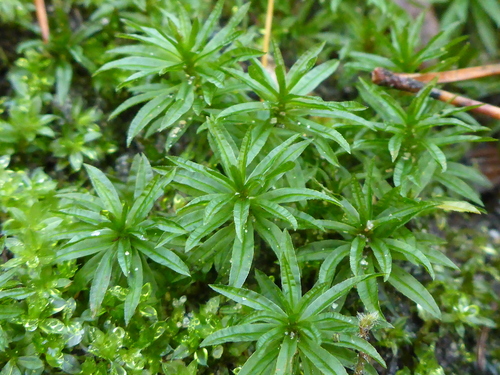
Atrichum
Atrichum is a genus of mosses belonging to the family Polytrichaceae.

Brachythecium
Brachythecium is a genus of mosses belonging to the family Brachytheciaceae. The genus was first described by Wilhelm Philippe Schimper.
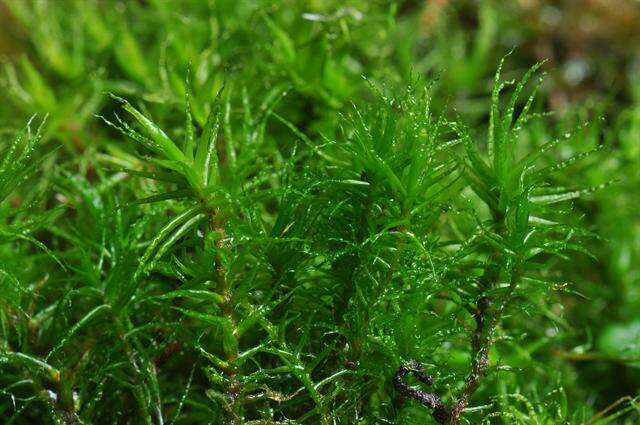
Dicranum
Dicranum is a genus of mosses, also called wind-blown mosses or fork mosses.
These mosses form in densely packed clumps. In general, upright stems will be single but packed together. Dicranum is distributed globally. In North America these are commonly found in Jack pine or Red pine stands.
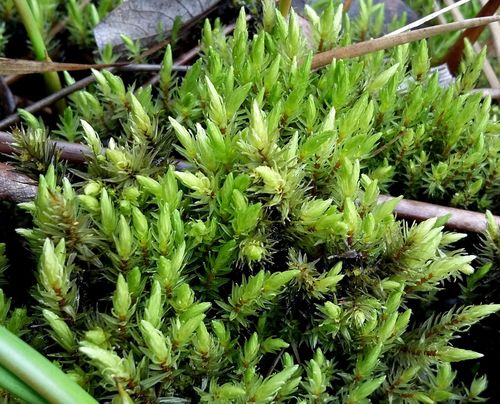
Aulacomnium
Aulacomnium is a genus of mosses of the family Aulacomniaceae, with a circumpolar distribution.

Grimmia
thumb|Grimmia dissimulata habit dry 2009-01-29
thumb|Grimmia maido habit moist 2008-11-08
thumb|Grimmia torenii habit dry 2008-11-07

Rhytidiadelphus
Rhytidiadelphus is a genus of mosses belonging to the family Hylocomiaceae.

Tortula
Tortula is a genus of mosses in the family Pottiaceae.
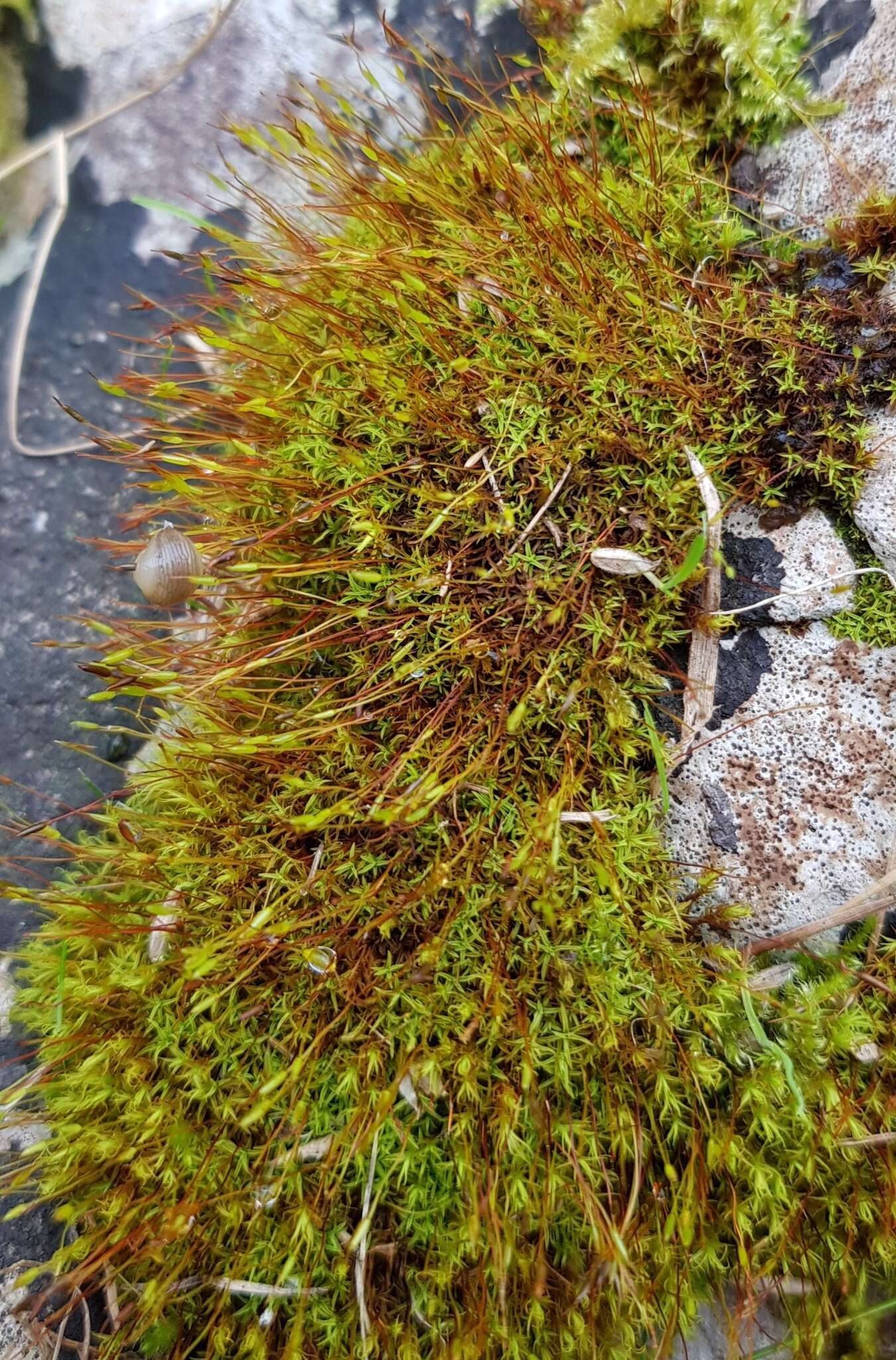
Bryoerythrophyllum
Bryoerythrophyllum is a genus of mosses belonging to the family Pottiaceae. It was first described by Pan Chieh Chen and has a cosmopolitan distribution.
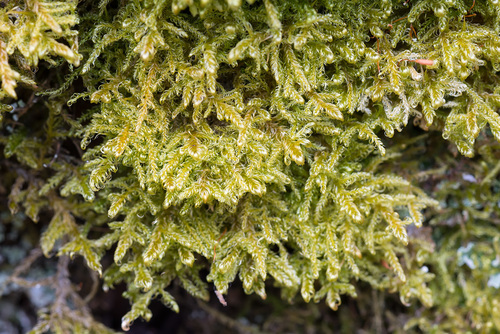
Drepanocladus
Drepanocladus is a genus of mosses belonging to the family Amblystegiaceae. It has a cosmopolitan distribution

Diphyscium
Diphyscium is a genus of mosses in the family Diphysciaceae. Members of this genus are small, perennial plants. The capsule does not elongate much, and remains buried among surrounding leaves.

Plagiomnium
Plagiomnium is a genus of mosses in the family Mniaceae. It was formerly a part of a more encompassing genus Mnium and in 1968 Finnish bryologist Timo Juhani Koponen justified splitting the genus into a number of smaller genera.
Anomodon
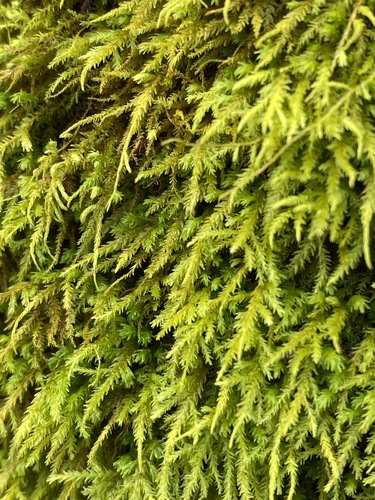
genus of plants
Ceratodon
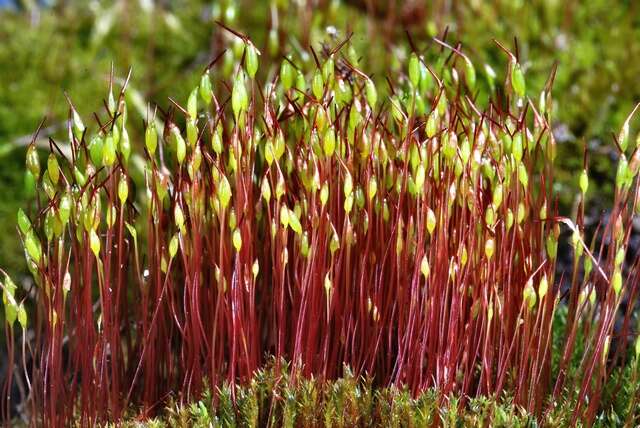
Ceratodon is a genus of mosses belonging to the family Ditrichaceae. The genus was first described by Samuel Elisée Bridel-Brideri and has a cosmopolitan distribution.

Syntrichia
thumb|Syntrichia caninervis, the dominant moss in the blackbrush community of the [[Mojave Desert ]]
Syntrichia is a large, cosmopolitan genus of mosses in the family Pottiaceae. The genus name is of Greek origin for "with" and "hair", referring to the "twisted peristome united by a basal membrane".
Dicranella
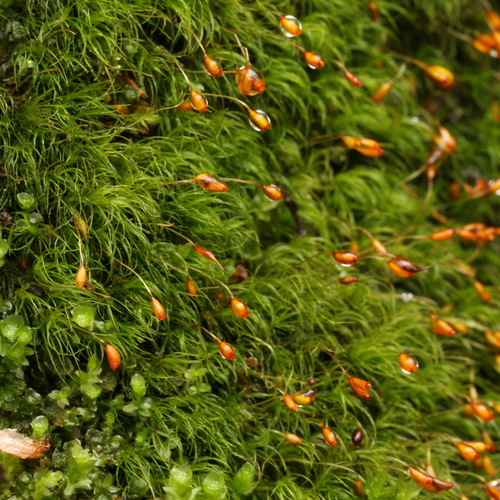
genus of plants

Barbula
Barbula is a genus of mosses in the family Pottiaceae.
%206804.JPG)
Schistidium
Schistidium is a plant genus in the moss family Grimmiaceae.

Philonotis
Philonotis is a genus of mosses belonging to the family Bartramiaceae.

Pohlia
Pohlia is a genus of mosses in the family Mniaceae, found on all continents including Antarctica. Some of its species are native to multiple continents. The center of diversity is the Northern Hemisphere.

Archidium
Archidium is a genus of mosses; it is the only genus in the family Archidiaceae and order Archidiales. Historically, they were considered the only genus in the subclass Archidiidae Engl.

Leucobryum
Leucobryum is a genus of haplolepideous mosses (Dicranidae) in the family Leucobryaceae. The name comes from the Greek leukos, meaning white, and bryon, meaning moss.
Splachnum
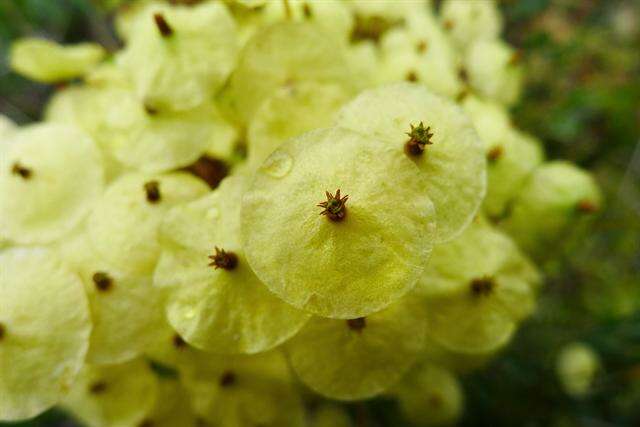
Splachnum, also known as dung moss or petticoat moss, is a genus of moss that is well known for its entomophily. It commonly grows on patches of dung or decomposing animal matter.
Campylopus
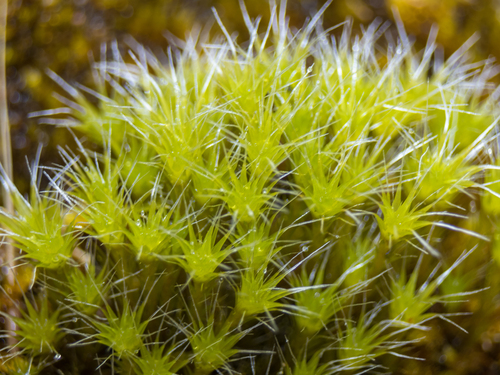
Campylopus is a genus of 180 species of haplolepideous mosses (Dicranidae) in the family Leucobryaceae. The name comes from the Greek campylos, meaning curved, and pous, meaning foot, referring to the setae which curve downwards.

Rhizomnium
Rhizomnium is a genus of mosses in the family Mniaceae commonly referred to as leafy mosses. They grow nearly worldwide, mostly in the northern hemisphere.

Didymodon
Didymodon is a genus of mosses belonging to the family Pottiaceae. The genus has a cosmopolitan distribution.

Thuidium
Thuidium is a genus of moss in the family Thuidiaceae. The name comes from the genus Thuja and the Latin suffix -idium, meaning diminutive. This is due to its resemblance to small cedar trees.

Pogonatum
Mnium
Mnium is a genus of mosses belonging to the family Mniaceae. The species of this genus are found in Europe and North America.

Campylium
Campylium is a genus of mosses belonging to the family Amblystegiaceae.

Distichium
Distichium is a genus of haplolepideous mosses (Dicranidae) in the monotypic family Distichiaceae.

Tetraphis
Tetraphis is a genus of two species of mosses (Bryophyta). Its name refers to its four large peristome teeth.
Aloina
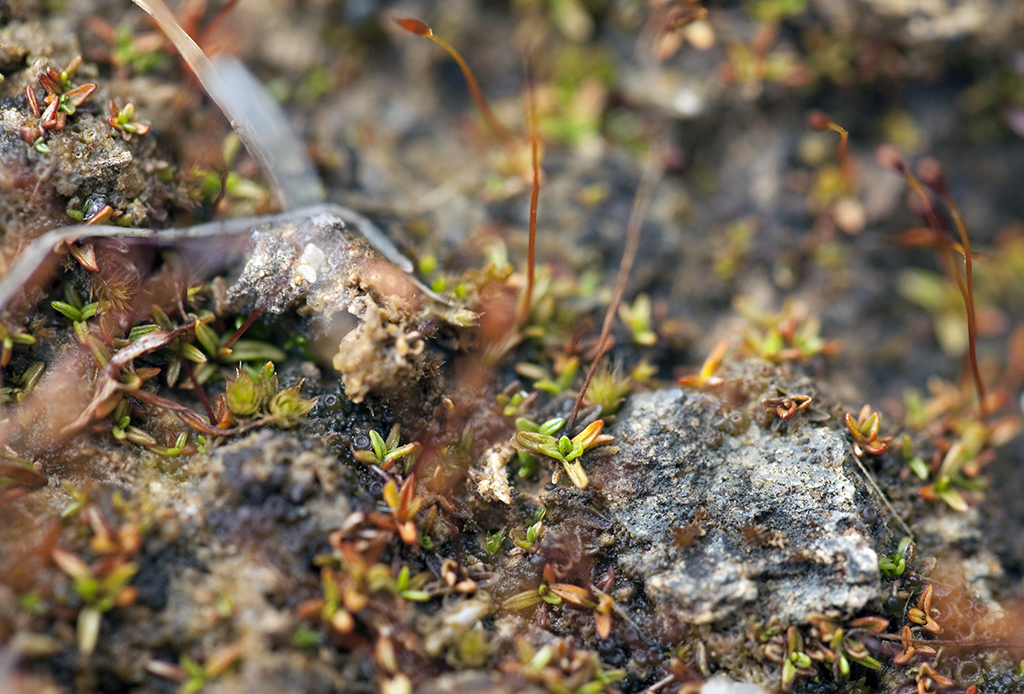
Aloina is a genus of mosses belonging to the family Pottiaceae first described by Nils Conrad Kindberg. It has a cosmopolitan distribution.
Scorpidium
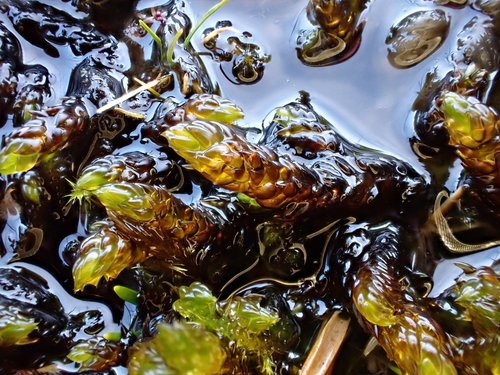
Scorpidium is a genus of mosses belonging to the family Amblystegiaceae.

Plagiothecium
Plagiothecium is a genus of moss belonging to the family Plagiotheciaceae. It has a cosmopolitan distribution.

Weissia
Weissia is a genus of mosses, belonging to the family Pottiaceae.

Encalypta
Encalypta is a genus of moss in the family Encalyptaceae; commonly known as "extinguisher moss". It includes 34 species and is broadly distributed across the continents of America, Europe, Asia, Africa and Australia, as well as Madagascar and New Zealand. The name is derived from the Greek en, meaning in, and kalyptos, which means to cover, veil or lid.

Cratoneuron
Cratoneuron is a genus of mosses belonging to the family Amblystegiaceae. The genus has a cosmopolitan distribution.
Eurhynchium
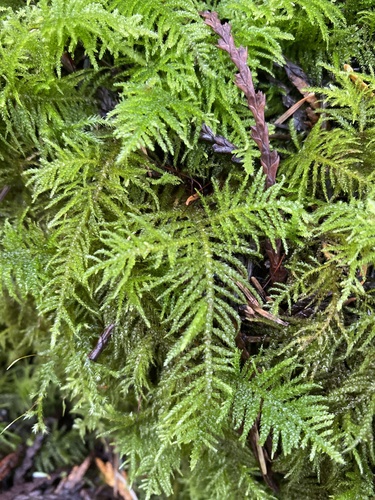
Eurhynchium is a genus of mosses belonging to the family Brachytheciaceae.
Sanionia
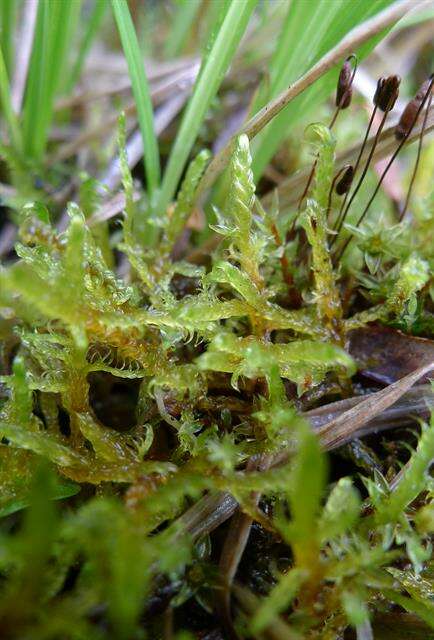
Sanionia is a genus of mosses belonging to the family Scorpidiaceae.
Hygroamblystegium
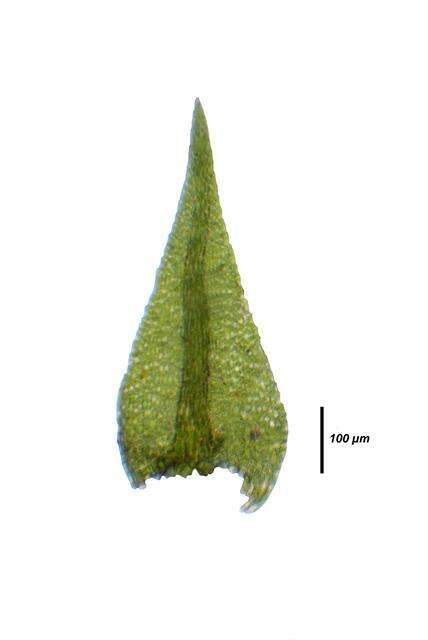
Hygroamblystegium is a genus of mosses belonging to the family Amblystegiaceae.
Calliergon
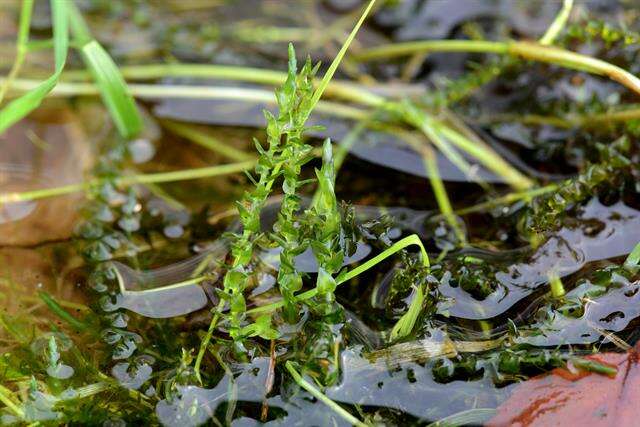
Calliergon is a genus of moss in the order Hypnales. The species in the genus are commonly referred to as calliergon mosses.

Racomitrium
Racomitrium is a genus of mosses in the family Grimmiaceae established in 1818 by Samuel Elisée Bridel-Brideri. It contains the following species:

Warnstorfia
Warnstorfia is a genus of mosses. They are known as in Swedish and in Dutch. It was named in honor of Carl Friedrich Warnstorf.

Neckera
Neckera is a large genus of mosses belonging to the family Neckeraceae. The genus was first described by Johann Hedwig. The genus has a cosmopolitan distribution.

Homalothecium
Homalothecium is a genus of mosses belonging to the family Brachytheciaceae.

Bartramia
genus of mosses in the family Bartramiaceae

Climacium
Climacium is a genus of mosses belonging to the family Climaciaceae. The species of this genus are found in Eurasia, North America, and Australia.