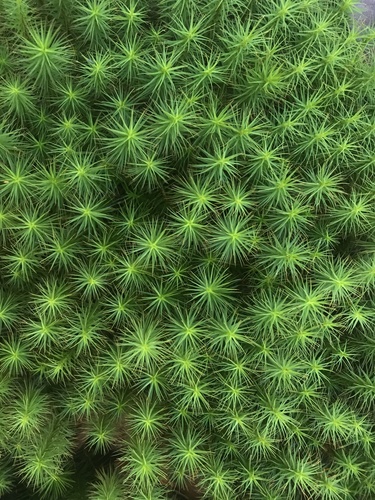
(c) gaforestwatch, some rights reserved (CC BY-NC), uploaded by gaforestwatch · cc-by-nc
Polytrichum
Sign in to savePolytrichum is a genus of mosses — commonly called haircap moss or hair moss — which contains approximately 70 species that have a cosmopolitan distribution. The genus Polytrichum has a number of closely related sporophytic characters. The scientific name is derived from the Ancient Greek words polys, meaning "many", and thrix, meaning "hair". This name was used in ancient times to refer to plants with fine, hairlike parts, including mosses, but this application specifically refers to the hairy calyptras found on young sporophytes. A similar naming related to hair appears in Old Norse, haddr s
Species
Common Haircap Moss
GENUS
- KingdomPlantae
- PhylumBryophyta
- ClassPolytrichopsida
- OrderPolytrichales
- FamilyPolytrichaceae
スギゴケ属(Polytrichum)は、コケ植物の属。さまざまな特徴のある胞子体を持つ種が所属している。学名は古代ギリシャ語で polys (多くの)+ thrix (髪)の意。スギゴケ属は大きく二つのグループに分けられ、Polytrichum 節の各種は、幅の狭い鋸歯のある葉をもち、もうひとつの Juniperifolia 節の葉は全縁で幅が広く、表面が薄板に覆われている。
via GBIF
Museum specimens
- Specimen records
- 2,594
- With media
- 1,174
- Family
- Polytrichaceae
- Collections
- USNM, CHSC
- Recorded in
- United States
Wikidata facts
- Instance of
- taxon
- Parent taxon
- Polytrichaceae
- Image
- Polytrichum strictum.jpeg
Show 7 more facts
- taxon rank
- genus
- taxon name
- Polytrichum
- Commons category
- Polytrichum
- topic's main category
- Category:Polytrichum
- taxon common name
- 金发藓属
- Commons gallery
- Polytrichum
Sources (3)
via Wikidata · CC0
~4 min read
Encyclopedic overview
5 sectionsContents
- Appearance
- Physiology
- Classification
- Species
- References
Polytrichum is a genus of mosses — commonly called haircap moss or hair moss — which contains approximately 70 species that have a cosmopolitan distribution. The genus Polytrichum has a number of closely related sporophytic characters. The scientific name is derived from the Ancient Greek words polys, meaning "many", and thrix, meaning "hair". This name was used in ancient times to refer to plants with fine, hairlike parts, including mosses, but this application specifically refers to the hairy calyptras found on young sporophytes. A similar naming related to hair appears in Old Norse, haddr silfjar, "hair of Sif", goddess from Norse Mythology, wife of the god Thor. There are two major sections of Polytrichum species. The first — 'section Polytrichum — has narrow, toothed, and relatively erect leaf margins. The other — section Juniperifolia''' — has broad, entire, and sharply inflexed leaf margins that enclose the lamellae on the upper leaf surface. thumb|Anatomy of Polytrichum formosum plant.|alt=
== Appearance ==
Excerpted from Wikipedia’s “Polytrichum” article, available under the CC BY-SA 4.0 licence.