Category
page 1Mygalomorphae families
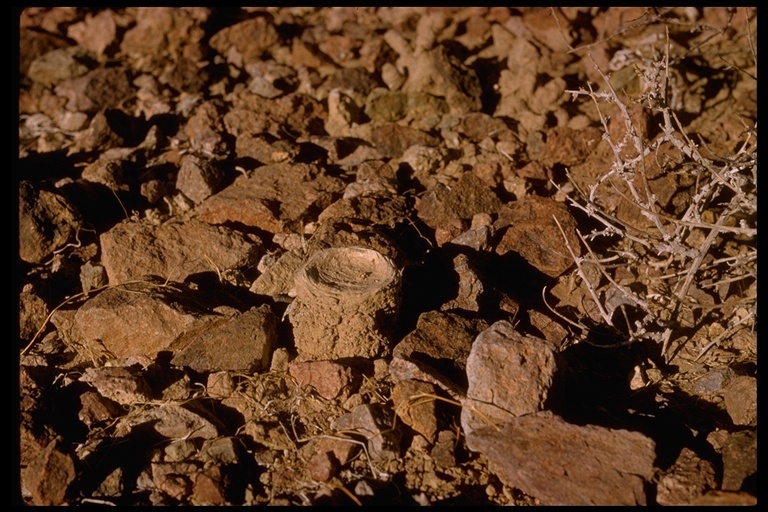
Ctenizidae
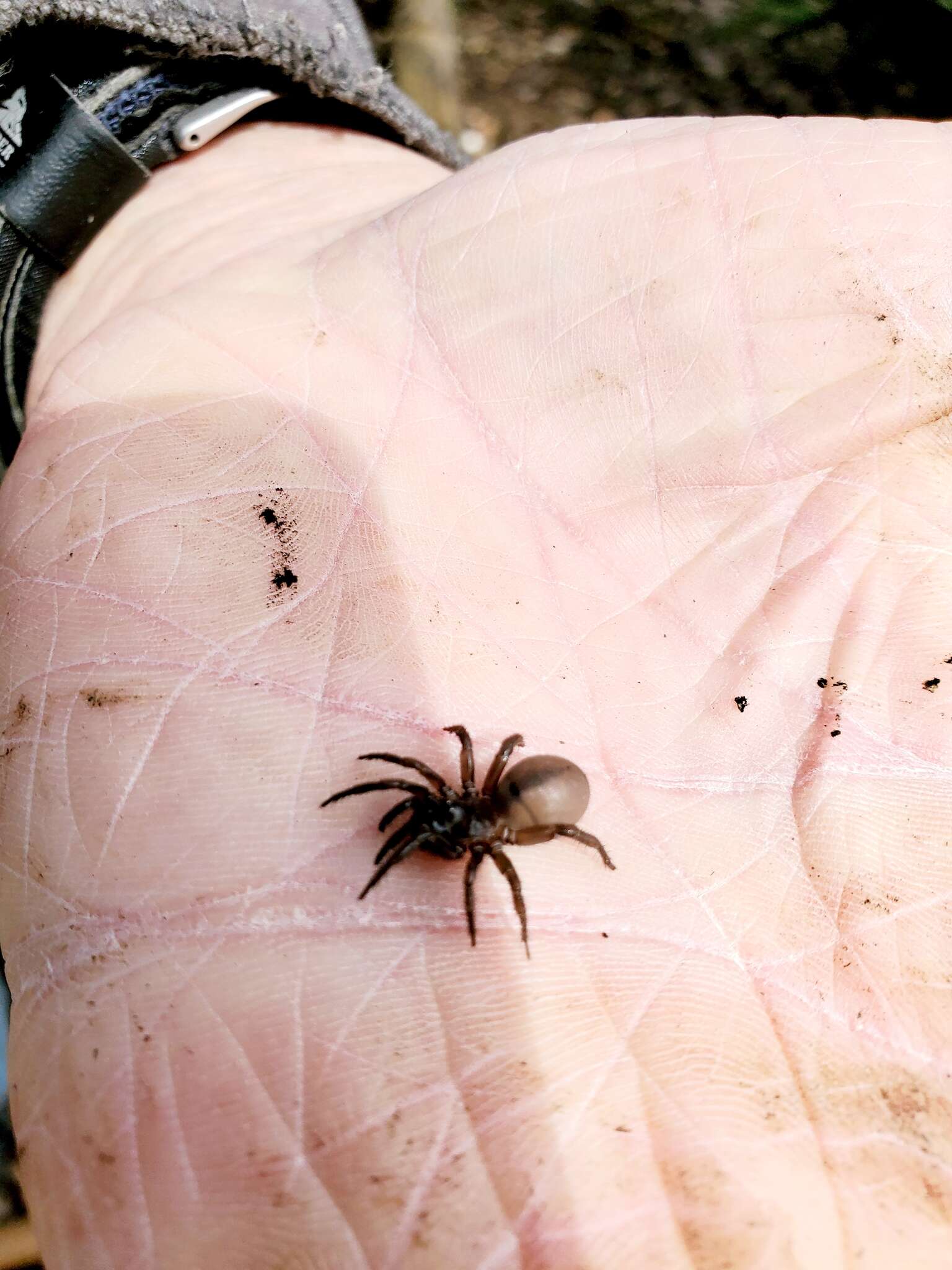
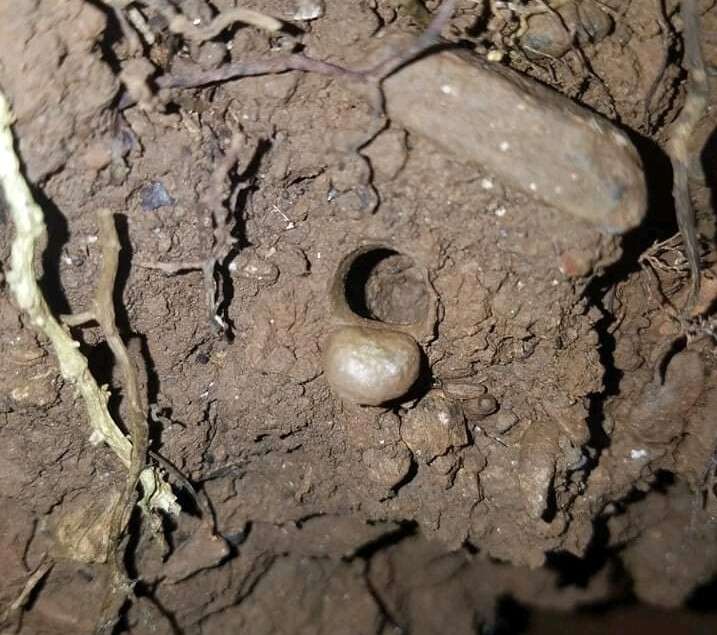
Ctenizidae ( ) is a small family of mygalomorph spiders that construct burrows with a cork-like trapdoor made of soil, vegetation, and silk. They may be called trapdoor spiders, as are other, similar species, such as those of the families Liphistiidae, Barychelidae, and Cyrtaucheniidae, and some species in the Idiopidae and Nemesiidae. The name comes from the distinctive behavior of the spiders to construct trapdoors, and ambush prey from beneath them.
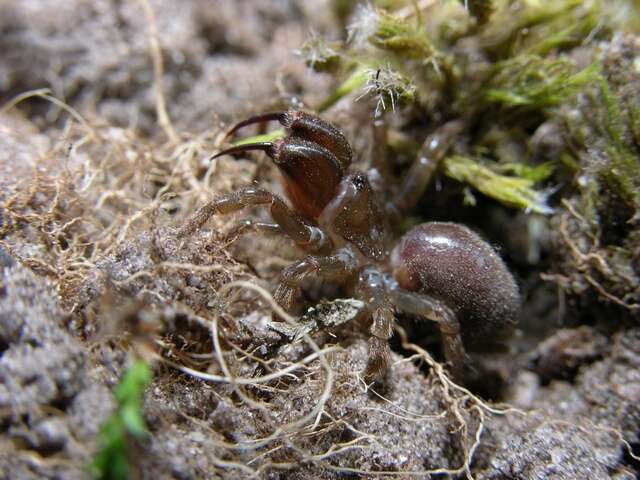
Atypidae
spiders of family Atypidæ
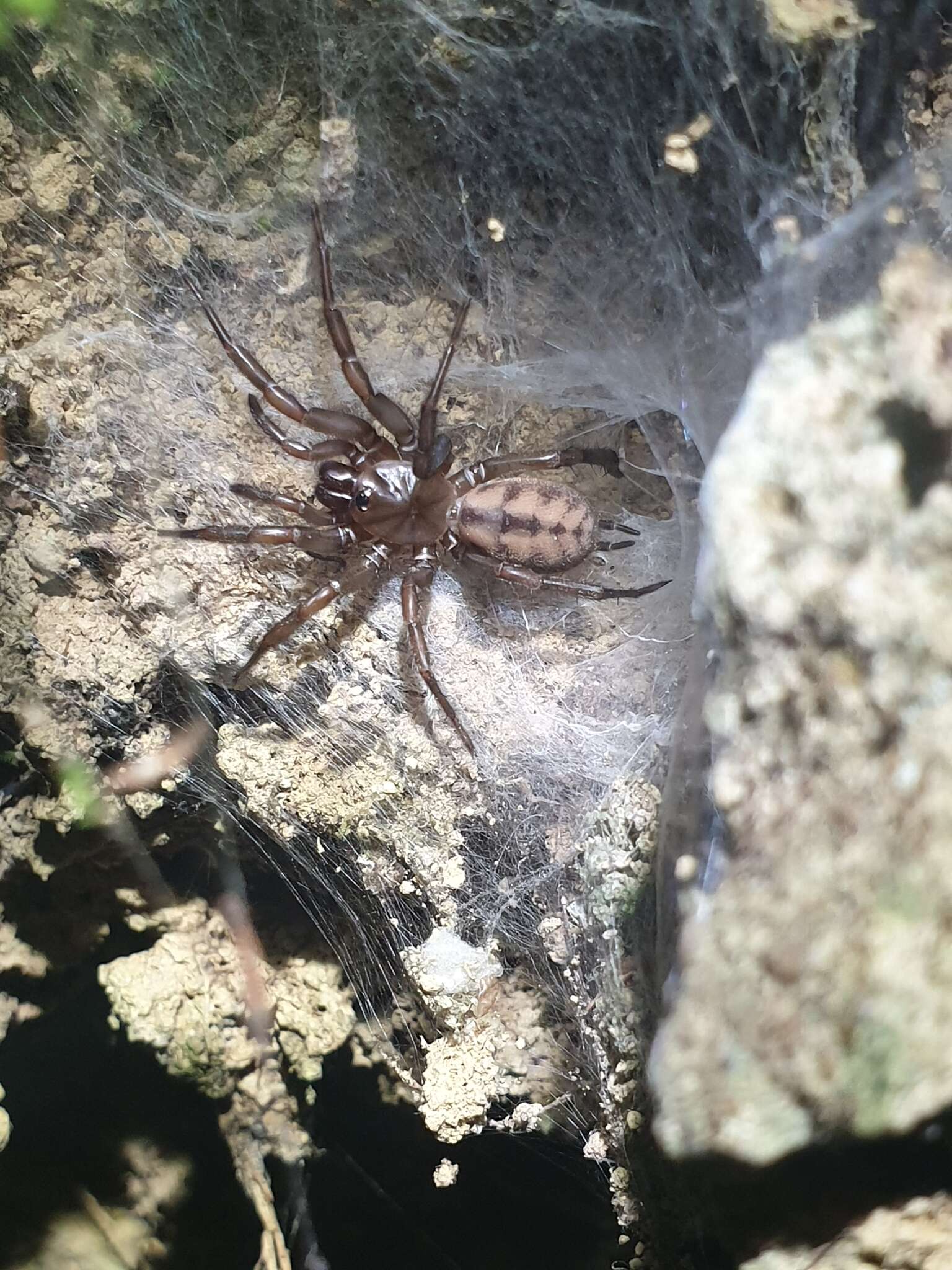
Hexathelidae
Hexathelidae is a family of mygalomorph spiders. It is one of a number of families and genera of spiders known as tunnelweb or funnel-web spiders. In 2018, the family was substantially reduced in size by genera being moved to three separate families: Atracidae, Macrothelidae and Porrhothelidae.
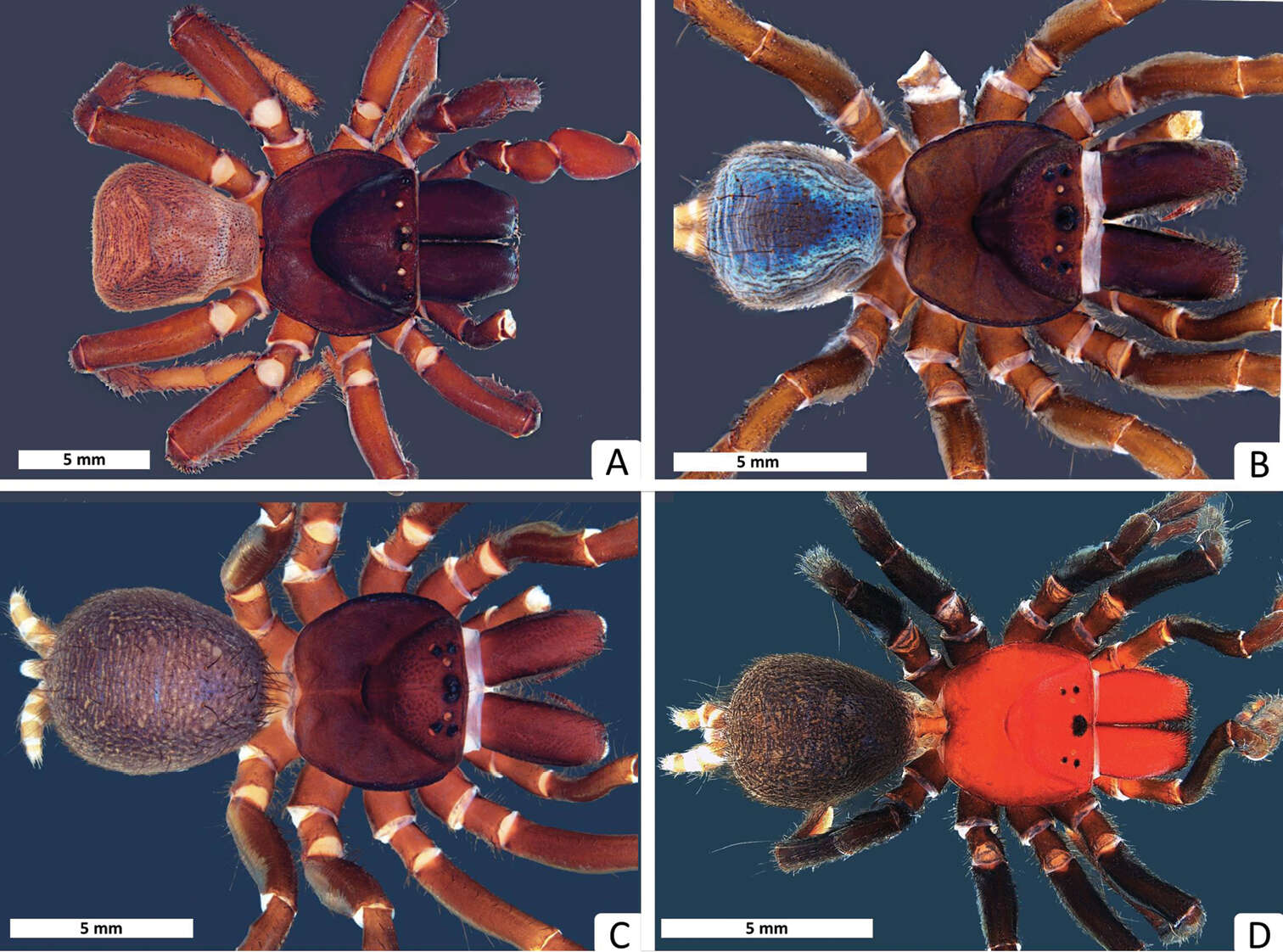
Actinopodidae
Actinopodidae is a family of mygalomorph spiders found in mainland Australia and South America usually in open forest. Species are most common in Queensland, Australia. It includes mouse spiders (Missulena species), whose bites, though rare, are considered medically significant and potentially dangerous.

Nemesiidae
Nemesiidae is a family of mygalomorph spiders first described by Eugène Simon in 1889, and raised to family status in 1985. Before becoming its own family, it was considered part of "Dipluridae". The family is sometimes referred to as wishbone spiders due to the shape of their burrows.

Dipluridae
The family Dipluridae, known as curtain-web spiders (or confusingly as funnel-web tarantulas, a name shared with other distantly related families) are a group of spiders in the infraorder Mygalomorphae, that have two pairs of booklungs, and chelicerae (fangs) that move up and down in a stabbing motion. A number of genera, including that of the Sydney funnel-web spider (Atrax), used to be classified in this family but have now been moved to Atracidae.

Idiopidae
Idiopidae, also known as armored or spiny trapdoor spiders, is a family of mygalomorph spiders first described by Eugène Simon in 1889.
Cyrtaucheniidae
family of spiders

Microstigmatidae
Microstigmatidae is a small family of spiders with about 38 described species in eleven genera. They are small ground-dwelling and free-living spiders that make little use of silk.
Antrodiaetidae
Antrodiaetidae, also known as folding trapdoor spiders or folding-door spiders, is a small spider family related to atypical tarantulas. They are found almost exclusively in the western and midwestern United States, from California to Washington and east to the Appalachian Mountains. Exceptions include Antrodiaetus roretzi and Antrodiaetus yesoensis, which are endemic to Japan and are considered relict species. It is likely that two separate vicariance events led to the evolution of these two species.

Migidae
Migidae, also known as tree trapdoor spiders, is a family of spiders with about 100 species in eleven genera.
Barychelidae
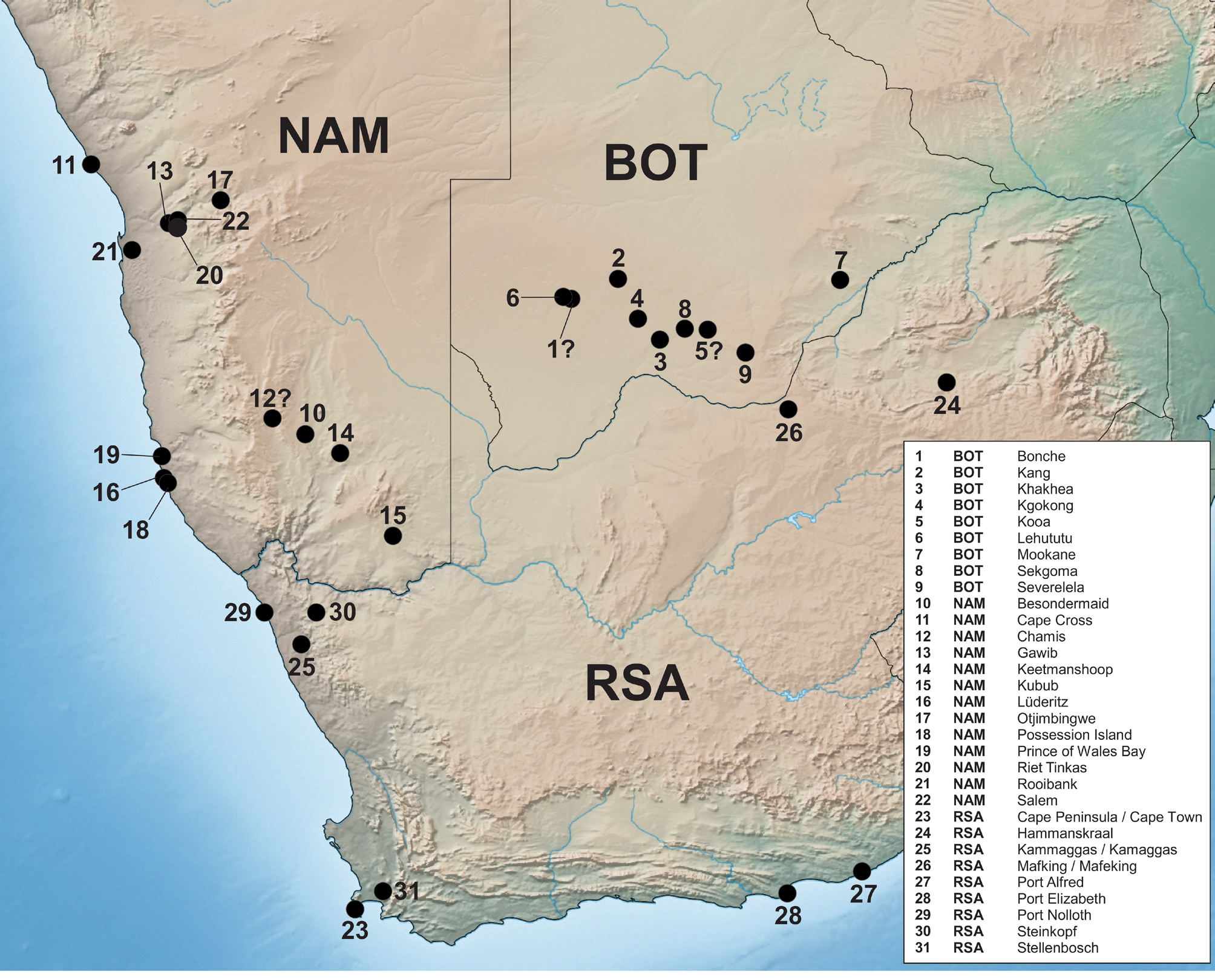
Barychelidae, also known as brushed trapdoor spiders, is a spider family with about 300 species in 39 genera.
Paratropididae
Paratropididae, also known as bald-legged spiders, is a small family of mygalomorph spiders first described by Eugène Simon in 1889. They are more closely related to tarantulas and allies, than to most other 'true' spiders (araneomorphs).

Halonoproctidae
Halonoproctidae is a family of mygalomorph spiders, split off from the family Ctenizidae in 2018. Species in the family are widely distributed in North and Central America, Australasia, Asia, southern Europe and North Africa. One species is recorded from Venezuela in South America. They are relatively large, sombrely coloured spiders, that live in burrows with some kind of trapdoor.
.jpg)
Euctenizidae
The Euctenizidae are a family of mygalomorph spiders. Originally created as a subfamily of Cyrtaucheniidae by Robert Raven in 1985, it was established as a family by Bond et al. in 2012.
Atracidae
family of mygalomorph spiders
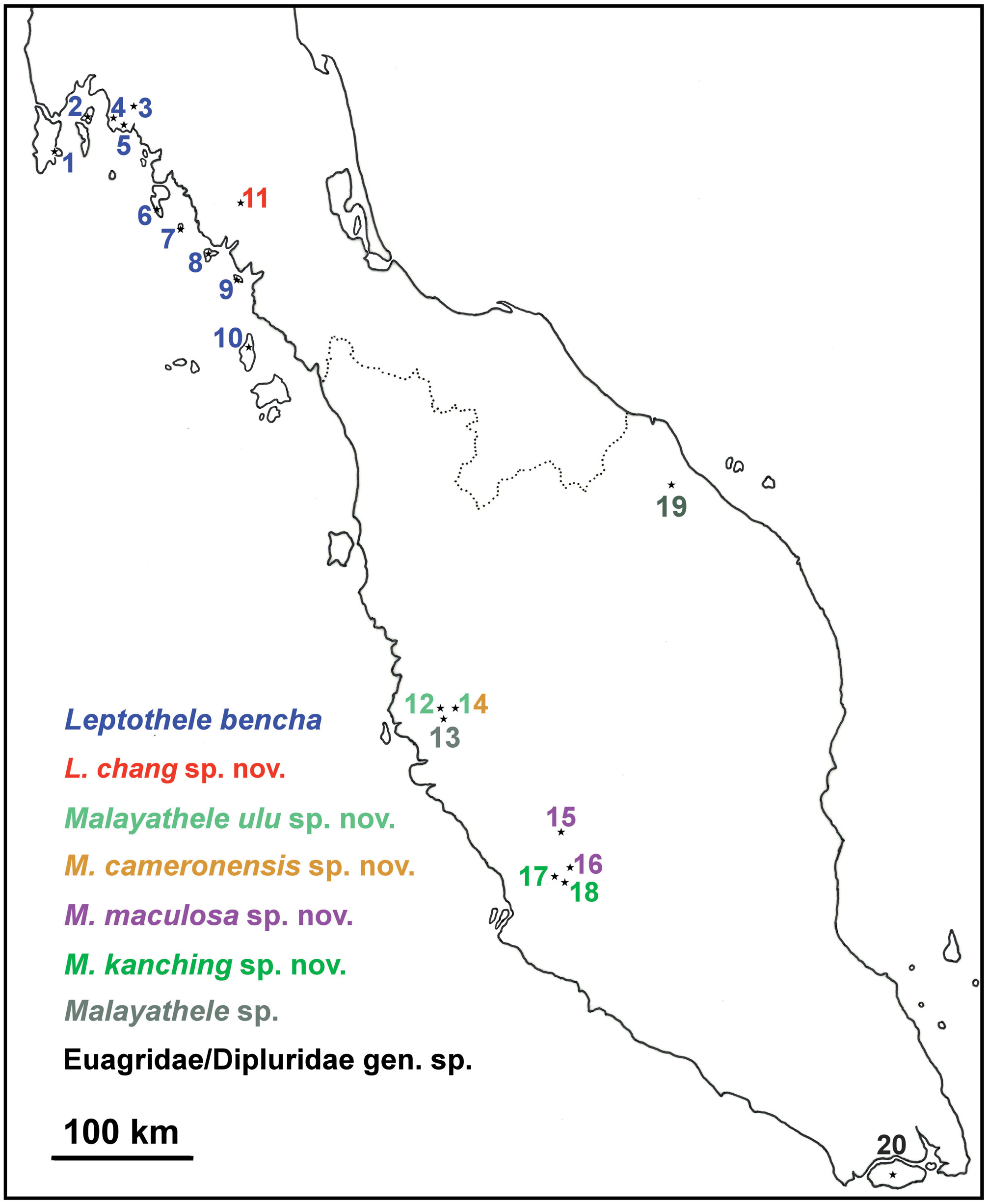
Euagridae
Euagridae is a family of mygalomorph spiders. The group was first described as a tribe in 1979 by Robert Raven, who in 1985 elevated it to a subfamily. In 2020, Opatova et al. elevated it further to a family.
Anamidae
Anamidae is a family of Australian mygalomorph spiders. It was first described as a tribe by Simon in 1889, then raised to the subfamily Anaminae of the family Nemesiidae, before being raised to a family level by Opatova et al. in 2020.
Bemmeridae
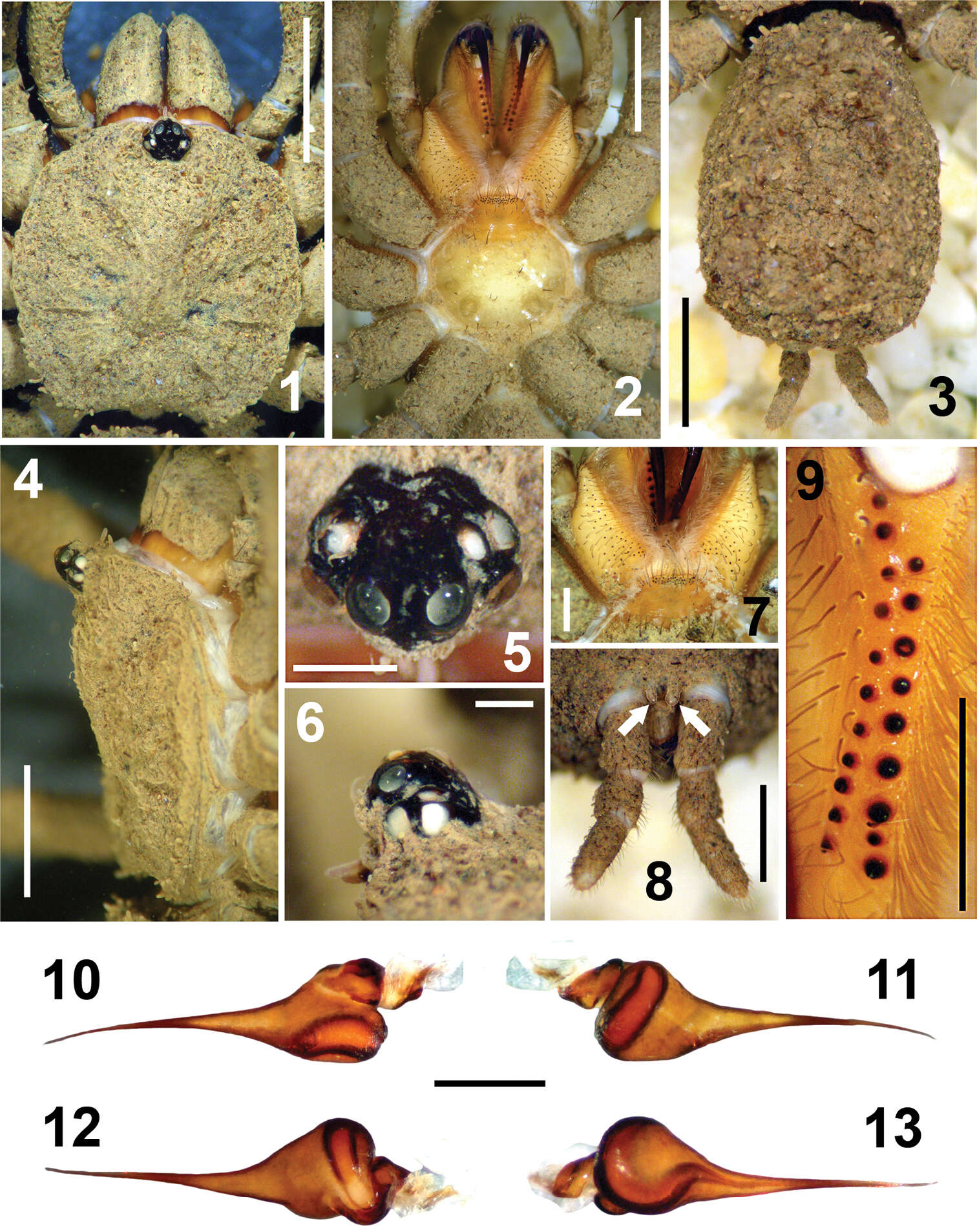
Bemmeridae is a family of African and Asian mygalomorph spiders that was first described as the tribe Bemmereae by Eugène Simon in 1903. It was elevated to a subfamily of funnel-web trapdoor spiders (Bemmerinae) in 1985, then to its own family in 2020.
Entypesidae
Entypesidae is a family of African mygalomorphae spiders. It was first erected in 2020, and originally included three genera moved from the funnel-web trapdoor spiders (family Nemesiidae).
Ischnothelidae
Ischnothelidae is a family of mygalomorph spiders. It was first described as a subfamily of the family Dipluridae by F.O. Pickard-Cambridge in 1897 and raised to a family by Opatova et al. in 2020.
Pycnothelidae
Pycnothelidae is a family of mygalomorph spiders first described in 1917. It was downgraded to a subfamily of the funnel-web trapdoor spiders in 1985, but returned to family status in 2020.