Category
page 1Myobatrachidae
Myobatrachidae
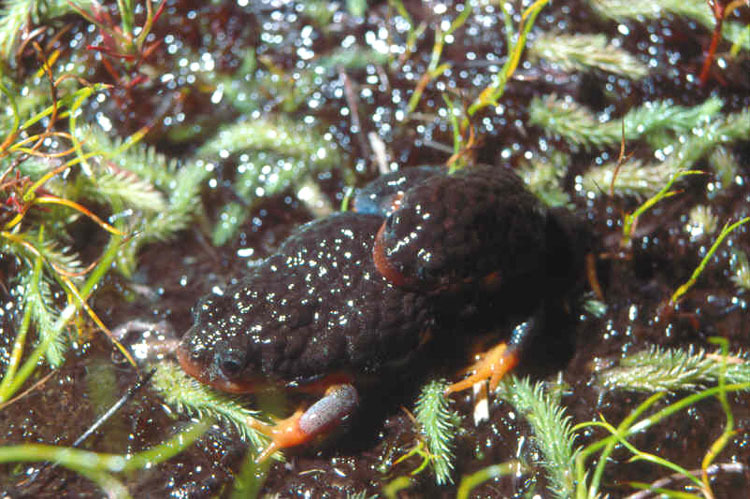
Myobatrachidae, commonly known as Australian ground frogs or Australian water frogs, is a family of frogs found in Australia and New Guinea. Members of this family vary greatly in size, from species less than long, to the second-largest frog in Australia, the giant barred frog (Mixophyes iteratus), at in length. The entire family is either terrestrial or aquatic frogs, with no arboreal species.

Gastric-brooding frog
genus of ground-dwelling frogs
Crinia
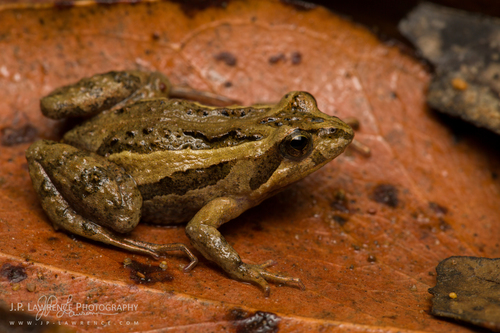
Crinia is a genus of frog, native to Australia, and part of the family Myobatrachidae. It consists of small frogs, which are distributed throughout most of Australia, excluding the central arid regions. Many of the species within this genus are physically indistinguishable, and can only be identified by their calls.
Rheobatrachus silus
species of amphibian
Pseudophryne
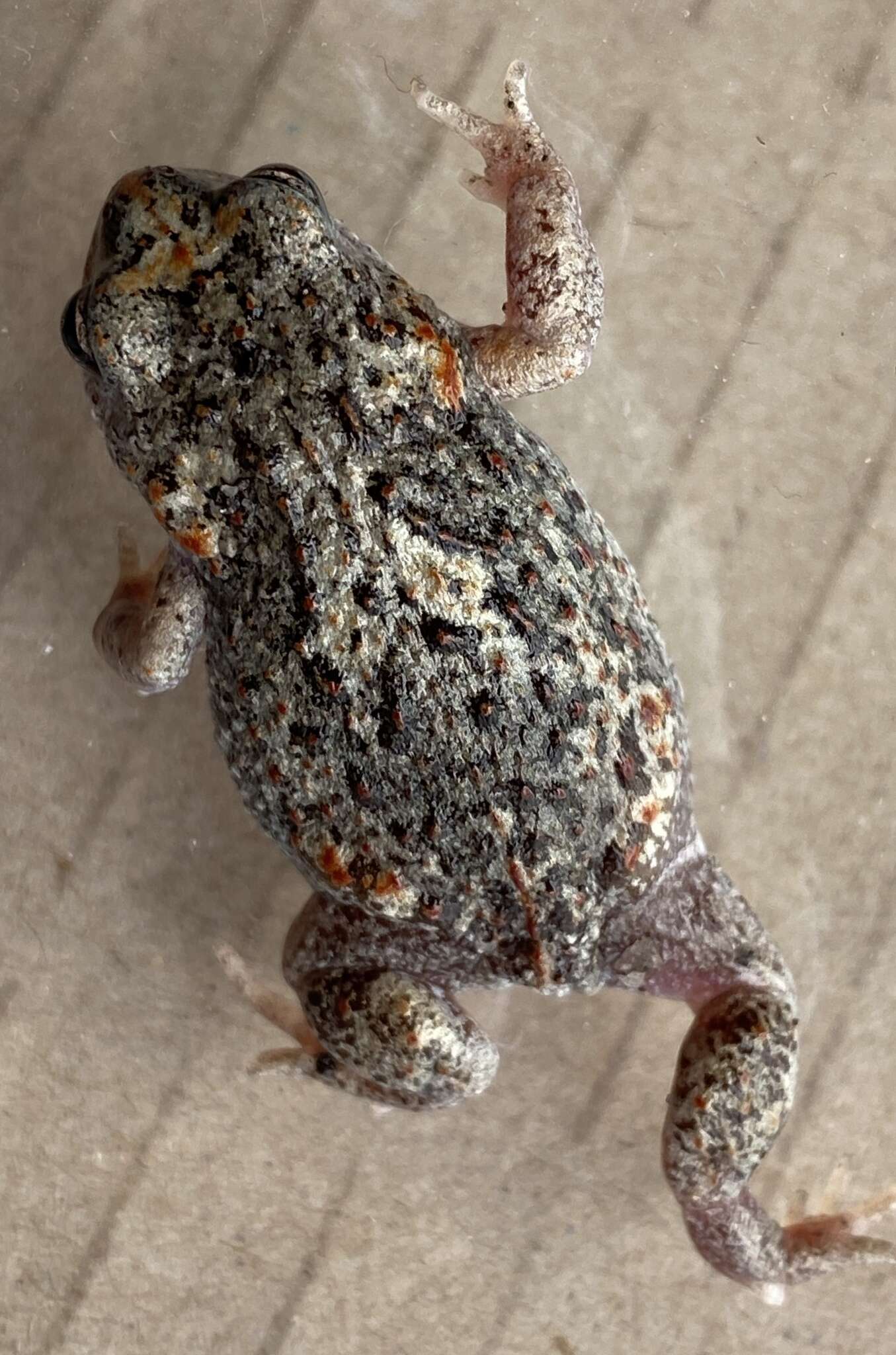
Pseudophryne is a genus of small myobatrachid frogs. All of these frogs are small terrestrial frogs, and as such, most species are commonly called toadlets (pseudo- meaning deceptive, phryne meaning toad).

Barred frogs
genus of amphibians
Geocrinia
Geocrinia is a genus of frogs in the family Myobatrachidae. These frogs are endemic to Australia. Two species are known from southeastern Australia (Victoria and Tasmania), while one is known from southeastern Western Australia.

pouched frog
species of amphibian
Uperoleia
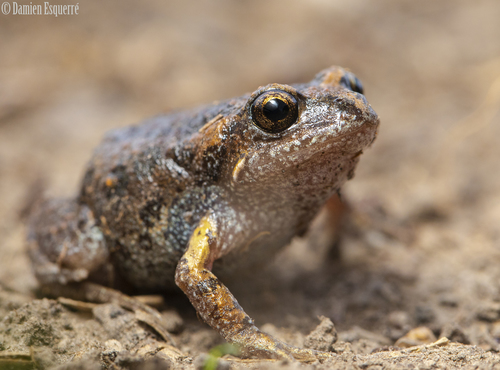
Uperoleia is a genus of frogs in the family Myobatrachidae. They are native to northern and eastern Australia and southern lowlands of New Guinea. These are small squat frogs, more commonly known as "toadlets". They have glandular skin, often with a pair of raised glands behind each eye, or on the flanks.
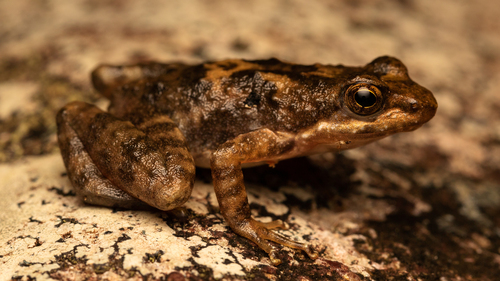
Taudactylus
Taudactylus is a genus of frogs in the family Myobatrachidae. These frogs are endemic to rainforest areas of coastal eastern Australia, most of this genus inhabit fast flowing streams in highland area. Most members of this genus have suffered serious declines, in which the disease chytridiomycosis appears to have played a significant role: T. diurnus is believed to be extinct, while all others except T. liemi are listed as critically endangered by the IUCN. These listings are conservative, and it is likely T. acutirostris, presently listed as critically endangered, already is extinct.

Haswell's frog
species of amphibian
Rheobatrachus vitellinus
species of amphibian

Sandhill Frog
species of amphibian
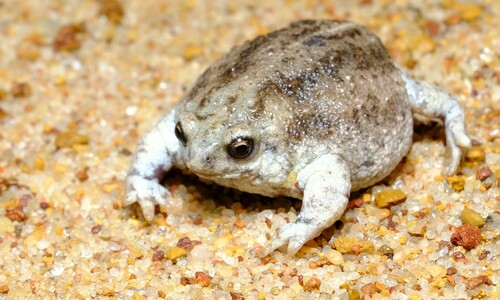
Arenophryne
Arenophryne is a small genus of Myobatrachid frogs from coastal Western Australia. Common names sandhill frogs and Australian dumpy frogs have been coined for it.
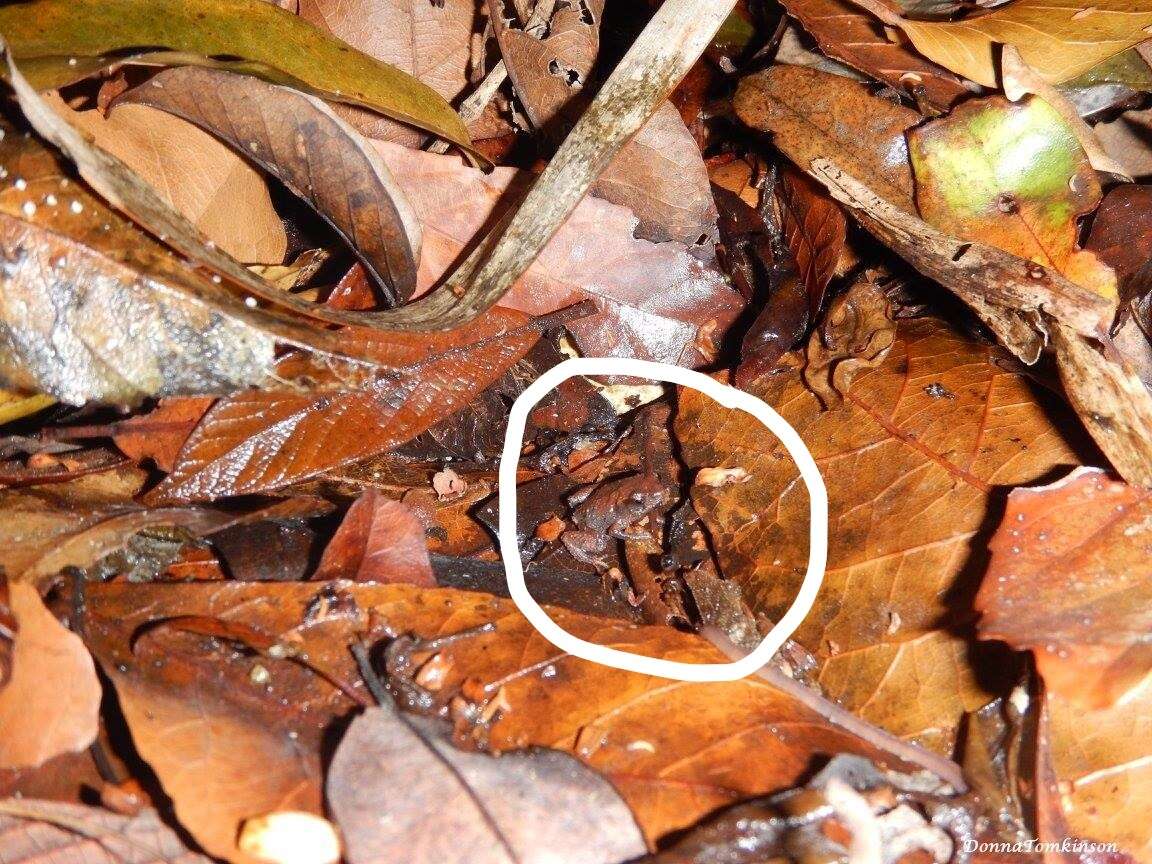
Assa
genus of amphibians
Myobatrachus
Myobatrachus is a genus of frogs found in Western Australia. It is monotypic, being represented by the single species, Myobatrachus gouldii, also known as the turtle frog. It gets its name from the resemblance to a shell-less chelonian, which is a type of turtle. It is described to have an extremely small narrow head, short limbs, and a round body. They can get up to long. Anatomy studies of this species say that it has an incredibly large pectoral girdle for its size. Due to its unusual morphology, the features of this creature are thought to originate with old frog lineages from the early Te
Arenophryne xiphorhyncha
species of amphibian
Spicospina
Spicospina is a genus of ground-dwelling frogs in the family Myobatrachidae. It is monotypic, being represented by the single species, Spicospina flammocaerulea, also known as the sunset frog. First discovered in the year 1994, it is native to south-western Western Australia. It is known from only 27 sites, all occurring east and northeast of Walpole.
Metacrinia
Metacrinia is a genus of frog in the family Myobatrachidae. It is monotypic, being represented by the single species, Metacrinia nichollsi, commonly known as the Forest toadlet or Nicholls toadlet. It is endemic to Southwest Australia, occurring between Dunsborough and Albany.