Category
page 1Natural gas

natural gas
fossil fuel

propane
thumb|A 20 lb () steel propane cylinder. This cylinder is fitted with an overfill prevention device (OPD) valve, as evidenced by the trilobular handwheel.
Propane () is a three-carbon chain alkane with the molecular formula . It is a gas at standard temperature and pressure, but becomes liquid when compressed for transportation and storage. A by-product of natural gas processing and petroleum refining, it is often a constituent of liquefied petroleum gas (LPG), which is commonly used as a fuel in domestic and industrial applications and in low-emissions public transportation; other constituent
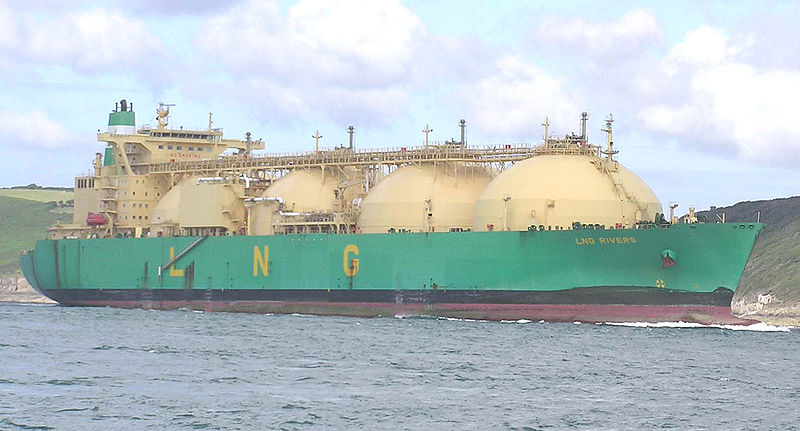
liquefied natural gas
natural gas converted to liquid form for storage or transport
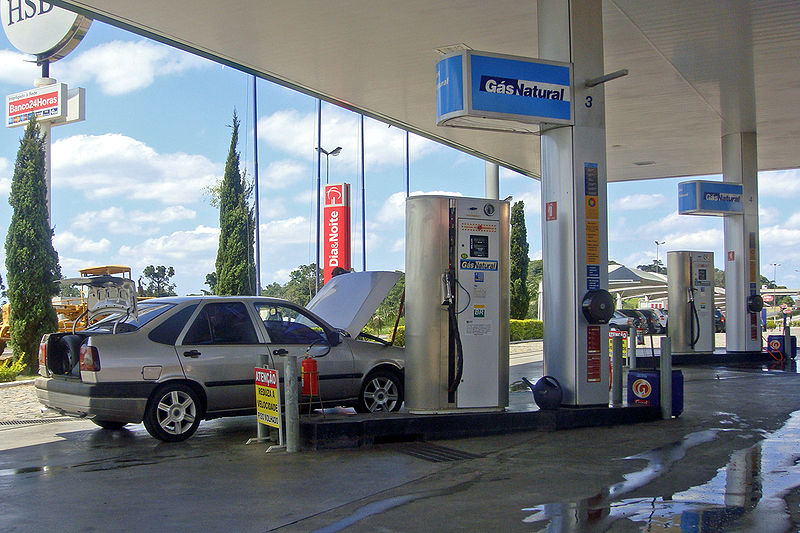
compressed natural gas
CNG, fuel which can be used in place of gasoline, diesel fuel and propane/LPG
methane clathrate
flammable solid similar to ice
clathrate hydrate
crystalline solid containing molecules caged in a lattice of frozen water
natural-gas condensate
low-density mixture of hydrocarbon liquids that are present as gaseous components in the raw natural gas produced from many natural gas fields
hydrocarbon exploration
search for hydrocarbons
acid gas
particular typology of natural gas or any other gas mixture containing significant quantities of hydrogen sulfide (H2S), carbon dioxide (CO2), or similar acidic gases.
renewable natural gas
methane-enriched biogas
Associated petroleum gas
gaseous by-product of the petroleum production

gas flaring
gas combustion process

upstream
sector of the oil and gas industry concerned with searching, exploratory drilling, and well operation
Mount Chimaera
place in ancient Lycia, Anatolia

interconnector
An interconnector (also known as a DC tie in the USA) is a structure which enables high-voltage DC electricity to flow between electrical grids, connecting separate AC networks, or linking synchronous grids. It may be formed of submarine power cables, underground power cables or overhead power lines.
natural gasoline
type of gasoline from natural gas
downstream
sector of the oil and gas industry concerned with refining, processing and purifying, marketing and distribution
midstream
thumb|Petroleum Pipeline System An overview of an oil pipeline system from the wellhead to downstream consumersthumb|Natural Gas Pipeline System An overview of a natural gas pipeline system from the wellhead to the consumerThe oil and gas industry is usually divided into three major components: upstream, midstream and downstream. The midstream sector involves the transportation (by pipeline, rail, barge, oil tanker or truck), storage, and wholesale marketing of crude or refined petroleum products. Pipelines and other transport systems can be used to move crude oil from production sites to refi

substitute natural gas
Type of fuel gas
Peak gas
year when the maximum rate of gas production is reached
Sour gas
Term for gas containing significant amounts of hydrogen sulfide
Q-Flex
Q-Flex is a type of ship, specifically a membrane type liquefied natural gas carrier.
produced water
water as a byproduct of oil production
wet gas
any gas with a small amount of liquid present
gas venting
safe vent in the hydrocarbon and chemical industries
Gas oil ratio
Measurement in oil production
EastMed Gas Forum
Rectisol
Rectisol is the trade name for an acid gas removal process that uses methanol as a solvent to separate acid gases such as hydrogen sulfide and carbon dioxide from valuable feed gas streams. By doing so, the feed gas is made more suitable for combustion and/or further processing. Rectisol is used most often to treat synthesis gas (primarily hydrogen and carbon monoxide) produced by gasification of coal or heavy hydrocarbons, as the methanol solvent is well able to remove trace contaminants such as ammonia, mercury, and hydrogen cyanide usually found in these gases. As an acid gas and large comp
natural gas prices
wholesale prices in the market of natural gas
retrograde condensation
virtual trading point
non-physical hub for trading in natural gas markets