Category
page 1Nazi eugenics

Adolf Hitler
Adolf Hitler was an Austrian-born German politician who was the dictator of Germany during the Nazi era from 1933 until his suicide in 1945. He rose to power as the leader of the Nazi Party, becoming the chancellor of Germany in 1933 and then taking the title of Führer und Reichskanzler in 1934. Germany's invasion of Poland on 1 September 1939 under his leadership marked the outbreak of the Second World War. Throughout the ensuing conflict, Hitler was closely involved in the direction of German military operations and was central to the perpetration of the Holocaust, the genocide of about six million Jews and millions of other victims.

Nuremberg Laws
antisemitic laws in Nazi Germany

Hans Asperger
Austrian pediatrician, medical theorist, and medical professor (1906-1980)

Aktion T4
Nazi Germany's programme of euthanasia which claimed 275,000–300,000 victims

Lebensborn e. V.
Lebensborn e.V. IPA : [ˈleɪbənzˌbɔːrn], German : [ˈleːbənsˌbɔʁn] (literally: "Fount of Life") was a secret, SS-initiated, state-registered association in Nazi Germany with the stated goal of increasing the number of children born who met the Nazi standards of "racially pure" and "healthy" Aryans, based on Nazi eugenics (also called "racial hygiene" by some eugenicists). Lebensborn was established by Heinrich Himmler, and provided welfare to its mostly unmarried mothers, encouraged anonymous births by unmarried women at their maternity homes, and mediated adoption of children by likewise "racia

Untermensch
thumb|upright=0.95|Cover of the Nazi propaganda brochure "Der Untermensch" ("The Subhuman"), 1942. The SS booklet depicted the natives of Eastern Europe as "subhumans".
Untermensch (; plural: Untermenschen) is a German language word literally meaning 'underman', 'sub-man', or 'subhuman', which was extensively used by Germany's Nazi Party to refer to their opponents and non-Aryan people they deemed as inferior. It was mainly used against "the masses from the East", that is Jews, Roma, and Slavs (mainly ethnic Poles, Belarusians, Ukrainians, Russians and Serbs).
Nuremberg Medical Trial
first of 12 U.S. war crimes trials in Nuremberg
Nazi eugenics
Nazi Germany's racially based social policies that focused on the improvement of the Aryan race or Germanic people
Eugen Fischer
German physician (1874-1967)
Wilhelm Rediess
German Waffen-SS General and Police Leader (1900-1945)
Life unworthy of life
Eugenic concept for the murder of humans declared "unworthy"
Werner Lorenz
German general (1891-1974)
racial policy of Nazi Germany
set of policies and laws implemented by Nazi Germany
Ovitz family
family
Action 14f13
campaign of the Third Reich to murder Nazi concentration camp prisoners
Grafeneck Euthanasia Centre
building in Gomadingen, Tübingen Government Region, Bade-Württemberg, Germany
Law for the Prevention of Hereditarily Diseased Offspring
law in Nazi Germany

Sonnenstein Euthanasia Centre
Nazi killing facility at Sonnenstein Castle
Friedrich Ruttner
Austrian physician and entomologist (1914-1998)
child euthanasia in Nazi Germany
organized murder of mentally or physically handicapped children in Nazi Germany
Gerhard Kretschmar
German child who was Action T4 victim
Werner Catel
German eugenicist (1894–1981)
Kaiser Wilhelm Institute of Anthropology, Human Heredity, and Eugenics
nazi-era German institute promoting racism
Moringen-Solling concentration camp
concentration camp in Moringen, Germany
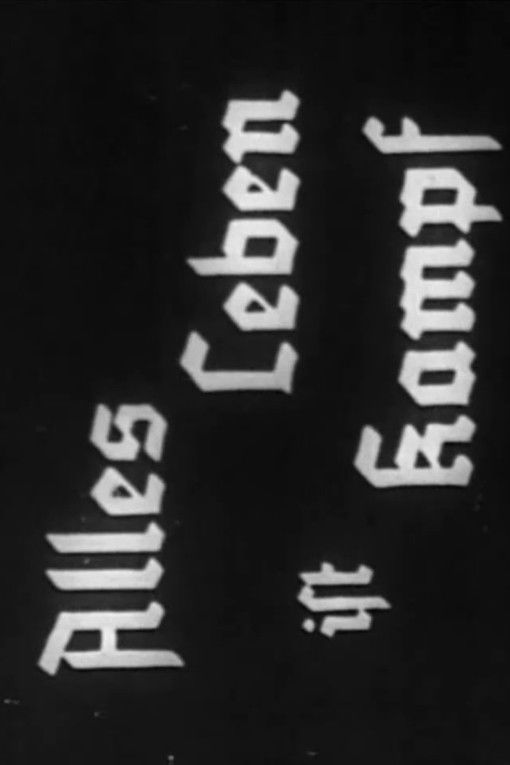
Alles Leben ist Kampf
1937 film by Herbert Gerdes
Euthanasia trials
Legal proceedings of perpetrators in the euthanasia killings in the Nazi era in Germany
Hereditary Health Court
court that decided whether people should be forcibly sterilized in Nazi Germany