Category
page 1Neisseriales

Neisseria meningitidis
species of bacterium

Neisseria gonorrhoeae
species of bacterium

Neisseria
Neisseria is a large genus of bacteria that colonize the mucous membranes of many animals. Of the 11 species that colonize humans, only two are pathogens: N. meningitidis and N. gonorrhoeae.
Neisseriaceae
The Neisseriaceae are a family of Pseudomonadota, within the order Neisseriales of Betaproteobacteria. While many organisms in the family are mammalian commensals or part of the normal flora, the genus Neisseria includes two important human pathogens, specifically those responsible for gonorrhea (caused by N. gonorrhoeae) and many cases of meningitis ("meningococcal meningitis", caused by N. meningitidis). As a group, the Neisseriaceae are strictly aerobic and Gram-negative, occur mainly in pairs (diplococci), and typically do not have flagella.
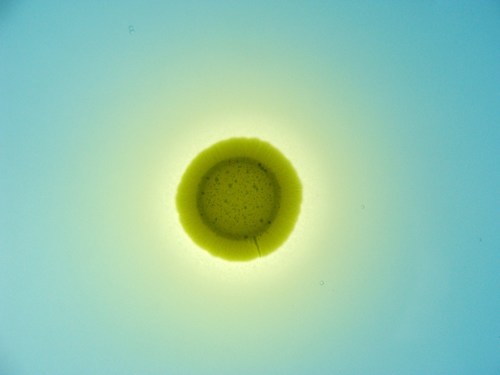
Chromobacterium violaceum
species of bacterium
Eikenella corrodens
species of bacterium
Chromobacterium
Chromobacterium is a genus of Gram-negative rod-shaped bacteria. Currently, eleven species within the genus are known, two of those are Chromobacterium violaceum and Chromobacterium subtsugae; the latter was discovered by scientists at the Agricultural Research Service in Beltsville, Maryland.
Neisseria lactamica
species of bacterium
Neisseriales
REDIRECT Neisseriaceae
Kingella
Kingella is a genus of bacteria of the family Neisseriaceae. It belongs to the HACEK group of fastidious Gram-negative bacteria that tend to cause endocarditis. Kingella kingae is its type species.
Neisseria mucosa
species of bacterium
Neisseria cinerea
species of bacterium
Kingella kingae
species of bacterium