Category
page 1Neo-Vedanta
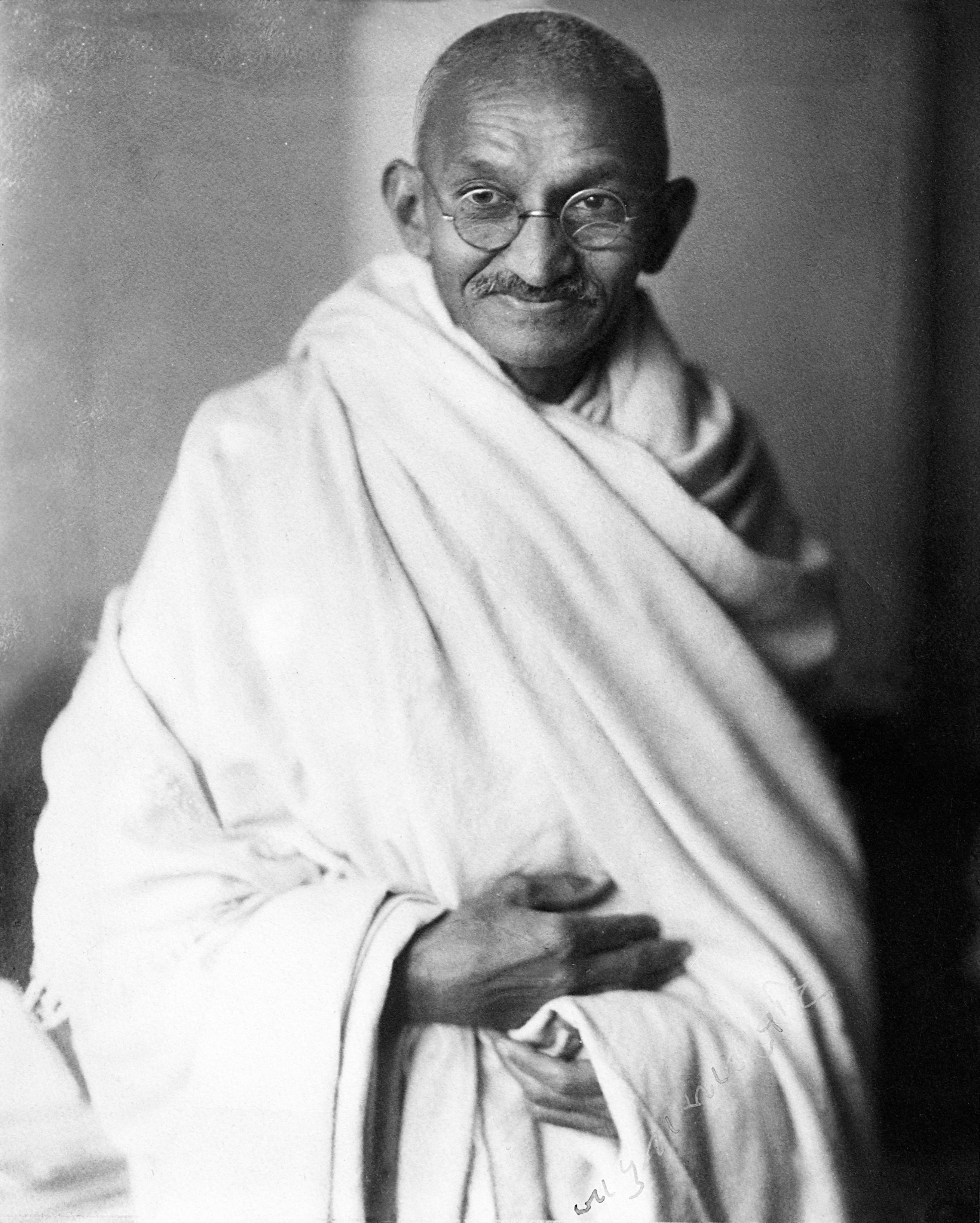
Mahatma Gandhi
Mohandas Karamchand Gandhi was an Indian lawyer, anti-colonial nationalist and political ethicist who employed nonviolent resistance to lead the successful campaign for India's independence from British rule, and to later inspire movements for civil rights and freedom across the world. The honorific Mahātmā, first applied to him in 1914 in South Africa, is now used throughout the world.

Ralph Waldo Emerson
American philosopher (1803–1882)

Aldous Huxley
English writer and philosopher (1894–1963)

Swami Vivekananda
Indian Hindu monk and philosopher (1863–1902)

Aurobindo Ghosh
Indian Bengali philosopher, yogi, maharishi, poet and nationalist (1872–1950)

Rajneesh
Rajneesh (born Chandra Mohan Jain; 11 December 193119 January 1990), also known as Bhagwan Shree Rajneesh, Acharya Rajneesh, and commonly known as Osho (), was an Indian godman, philosopher, mystic, and founder of the Rajneesh movement. He was a controversial new religious movement leader during his life. He rejected institutional religions, insisting that spiritual experience could not be organized into any one system of religious dogma. As a guru, he advocated meditation and taught a unique form called dynamic meditation. Rejecting traditional ascetic practices, he encouraged his followers t

Ramana Maharshi
Indian spiritual teacher (1879–1950)

Ram Mohan Roy
Indian religious, social, and educational reformer, and humanitarian

Bankim Chandra Chatterjee
Bengali writer, poet and journalist (1838-1894)

René Guénon
French metaphysician (1886-1951)

Ananda Coomaraswamy
Sri Lankan Tamil metaphysician (1877–1947)

Gurudev Sri Sri Ravi Shankar
Spiritual leader
Smartha Tradition
tradition in Hinduism linked to Advaita Vedanta

Sivananda Saraswati
Hindu spiritual teacher (1887–1963)
Brahmo Samaj
Hindu reform movement

Ken Wilber
American writer and public speaker
Frithjof Schuon
Swiss philosopher, poet and painter (1907-1998)
perennial philosophy
15th-century philosophical idea that views all religious traditions as sharing a single truth or origin
Ramakrishna Math
religious organizational movement related to Indian saint Ramakrishna Paramahamsa
Traditionalist School
perennial philosophy
Hindu nationalism
expression of political thought, based on the native social and cultural traditions of the Indian subcontinent

The Doors of Perception
1954 essay by Aldous Huxley
Swami Abhedananda
Indian Hindu mystic (1866-1939)
Neo-Vedanta
Neo-Vedanta, also called neo-Hinduism, Hindu modernism, Global Hinduism and Hindu Universalism, are terms to characterise interpretations of Hinduism that developed in the 19th century. The term "Neo-Vedanta" was coined by German Indologist Paul Hacker, in a pejorative way, to distinguish modern developments from "traditional" Advaita Vedanta.
Kenneth Grant
British occult writer (1924–2011)
Brajendra Nath Seal
Indian academic and scholar
Divine Life Society
Religious Organization
Hinduism in the United States
overview of the presence, role and impact of Hinduism in the United States
Hindu reform movements
several contemporary Hindu groups
Arvind Sharma
Indian professor of Comparative Religion (born 1940)

The Perennial Philosophy
essay by Aldous Huxley
integral psychology
philosophy and practice of Sri Aurobindo and The Mother (Mirra Alfassa)
Adi Dharm
religious movement from mid-19th century Bengal
Robert Antoine
Belgian Catholic theologian, indologist, Jesuit priest and missionary (1914–1981)
Mystical experience
experience interpreted within a religious framework