Category
page 1Neurocutaneous conditions

body dysmorphic disorder
disturbance of perception of one's own body
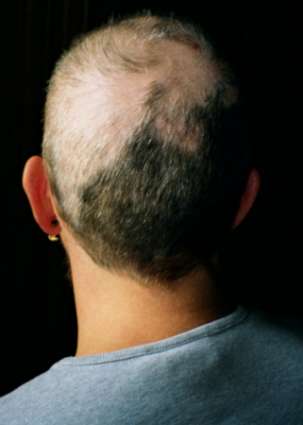
trichotillomania

trigeminal neuralgia
neuropathic disorder

syringomyelia
Syringomyelia is a generic term referring to a disorder in which a cyst or cavity forms within the spinal cord. Often, syringomyelia is used as a generic term before an etiology is determined. This cyst, called a syrinx, can expand and elongate over time, destroying the spinal cord. The damage may result in loss of feeling, paralysis, weakness, and stiffness in the back, shoulders, and extremities.
complex regional pain syndrome
array of painful conditions in humans
nail biting
oral compulsive habit
excoriation disorder
mental disorder involving compulsive skin-picking
vulvodynia
Vulvodynia is a chronic pain condition that affects the vulvar area and occurs without an identifiable cause. Symptoms typically include a feeling of burning or irritation. It has been established by the ISSVD that for the diagnosis to be made symptoms must last at least three months.''''''
Bruton-type agammaglobulinemia
human disease
burning mouth syndrome
human disease
delusional parasitosis
mental disorder
congenital insensitivity to pain with anhidrosis
rare disease

dermatophagia
Dermatophagia () or dermatodaxia () is a compulsion disorder of gnawing or biting one's own skin, most commonly at the fingers. This action can either be conscious or unconscious and it is considered to be a type of pica. Those affected with dermatophagia typically bite the skin around the nails, leading to bleeding and discoloration over time. Some people also bite on their skin on their finger knuckles which can lead to pain and bleeding just by moving their fingers.
Parry–Romberg syndrome
a rare disease characterized by progressive shrinkage and degeneration of the tissues beneath the skin, usually on only one side of the face (hemifacial atrophy) but occasionally extending to other parts of the body

phakomatosis
Phakomatoses (), also known as neurocutaneous syndromes, are a group of multisystemic diseases that most prominently affect structures primarily derived from the ectoderm such as the central nervous system, skin and eyes. The majority of phakomatoses are single-gene disorders that may be inherited in an autosomal dominant, autosomal recessive or X-linked pattern. Presentations may vary dramatically between patients with the same particular syndrome due to mosaicism, variable expressivity, and penetrance.
Riley-Day syndrome
hereditary sensory and autonomic neuropathy type III (HSAN-III), is a disorder of the autonomic nervous system which affects the development and survival of sensory
meralgia paraesthetica
human disease
body-focused repetitive behavior disorders
mental and behaviour disorders including skin picking and hair pulling
onychotillomania
Onychotillomania is a compulsive behavior in which a person picks constantly at the nails or tries to tear them off. It is not the same as onychophagia, where the nails are bitten or chewed, or dermatillomania, where skin is bitten or scratched. Onychotillomania can be categorized as a body-focused repetitive behavior in the DSM-5 and is a form of skin picking, also known as excoriation disorder.
megalencephaly
Megalencephaly (or macrencephaly; abbreviated MEG) is a growth development disorder in which the brain is abnormally large. It is characterized by a brain with an average weight that is 2.5 standard deviations above the mean of the general population. Approximately 1 out of 50 children (2%) are said to have the characteristics of megalencephaly in the general population.
notalgia paresthetica
neuropathy causing itching between the shoulder blades
factitious dermatitis
self-inflicted injuries designed to mimic dermatitis
malum perforans
medical condition
Trichodynia
medical condition